Riachuelo System Standards: What Buenos Aires Industrial Buyers Must Know in 2025
Buenos Aires’ Riachuelo System sets stringent effluent standards for industrial and municipal sewage treatment—COD ≤ 125 mg/L, BOD ≤ 25 mg/L, TSS ≤ 35 mg/L, and pH 6–9 (per Resolution 336/2023). In 2025, local suppliers offer three primary equipment types: MBR systems (99% TSS removal, ARS 300M–500M CAPEX), DAF units (92–97% FOG removal, ARS 50M–150M CAPEX), and WSZ underground plants (85–90% BOD removal, ARS 100M–250M CAPEX). This guide provides engineering specs, cost benchmarks, and a zero-risk selection framework to ensure compliance and ROI.
Resolution 336/2023 mandates that all industrial facilities within the Matanza-Riachuelo basin must achieve Chemical Oxygen Demand (COD) levels below 125 mg/L before discharge into the municipal collector. For factory managers in the metropolitan area, the activation of the Riachuelo System’s Lot 2 pretreatment plant at Dock Sud has shifted the regulatory focus from simple containment to verified pretreatment efficiency. Failure to meet these thresholds now carries administrative fines ranging from ARS 500,000 to ARS 2,000,000 per violation, depending on the volume and toxicity of the effluent. These standards are notably more rigorous than generic WHO guidelines, particularly regarding Biochemical Oxygen Demand (BOD), where the Riachuelo limit of 25 mg/L is 16.6% stricter than the standard WHO 30 mg/L benchmark.
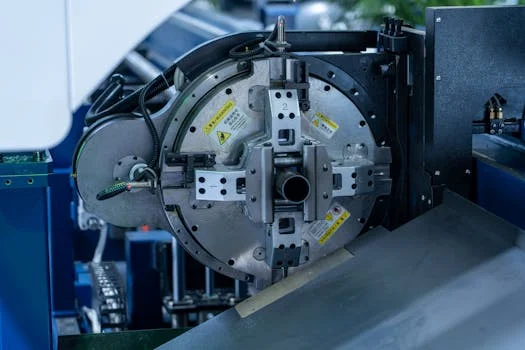
The engineering requirements for Lot 2 are particularly specific for industrial contributors. To protect the 30km tunnel network and the downstream Dock Sud facility, industrial discharge must maintain TSS levels below 200 mg/L and Oil & Grease (FOG) levels below 50 mg/L. This necessitates the use of high-efficiency screening equipment, such as rotary drum screens to protect downstream processes. Without these primary treatment stages, secondary biological systems often face hydraulic overloading, leading to premature membrane fouling or biomass washout.
| Parameter | Riachuelo Limit (Res. 336/2023) | WHO/EPA Benchmark | Typical Industrial Influent (BA) |
|---|---|---|---|
| COD (mg/L) | ≤ 125 | ≤ 160 | 800 – 1,500 |
| BOD (mg/L) | ≤ 25 | ≤ 30 | 300 – 600 |
| TSS (mg/L) | ≤ 35 | ≤ 50 | 200 – 800 |
| FOG (mg/L) | ≤ 10 | ≤ 15 | 50 – 250 |
| pH | 6.0 – 9.0 | 6.5 – 8.5 | 4.0 – 11.0 |
Sewage Treatment Equipment Types for Buenos Aires: Engineering Specs vs. Riachuelo Compliance
The selection of sewage treatment technology in Buenos Aires depends on several factors.The selection of sewage treatment technology in Buenos Aires is dictated by the specific influent characteristics of the site, with Membrane Bioreactors (MBR) offering the highest removal efficiency for high-density urban footprints. For industrial buyers, the choice between MBR, DAF, and WSZ systems depends on the balance between effluent quality requirements and available space. MBR systems for Riachuelo-compliant effluent (COD ≤ 50 mg/L) utilize PVDF membranes with a 0.1 μm pore size, effectively acting as a physical barrier to bacteria and suspended solids. This technology is ideal for food processing or pharmaceutical plants in Avellaneda or Lanús where land prices are high, as the footprint is typically 60% smaller than conventional activated sludge systems.
In sectors with high concentrations of oils and fats, such as the local meat processing industry, DAF units for high-FOG industrial wastewater (95–99% removal) are the standard. These systems generate micro-bubbles (20–50 μm) that attach to hydrophobic particles, lifting them to the surface for mechanical skimming. To ensure compliance with the Riachuelo Lot 2 FOG limit of 10 mg/L, these units often incorporate TDS meters with ±1% accuracy to monitor chemical dosing in real-time. For municipal projects or smaller industrial sites, WSZ underground plants for urban industrial sites (85–90% BOD removal) provide a discreet solution. These systems use an A/O (Anoxic/Aerobic) process with sludge retention times of 15–30 days, ensuring stable performance even during the temperature fluctuations common in the Buenos Aires province.
| Technology | Removal Efficiency (TSS) | Energy Use (kWh/m³) | Footprint | Best Use Case |
|---|---|---|---|---|
| MBR (Membrane Bioreactor) | > 99% | 0.8 – 1.2 | Ultra-Compact | High-strength industrial / Water reuse |
| DAF (Dissolved Air Flotation) | 92 – 97% | 0.3 – 0.5 | Medium | Food/Textile (High FOG/TSS) |
| WSZ (Underground Plant) | 85 – 90% | 0.4 – 0.7 | Zero Surface | Municipal/Small Industrial sites |
Engineering specifications for these systems must account for local hydraulic loading rates. MBR systems in the region are typically designed for a flux of 15–25 L/m²/h, while WSZ plants maintain dissolved oxygen (DO) levels of 2–4 mg/L in the aerobic zone to facilitate rapid carbonaceous removal. When evaluating a sewage treatment equipment supplier in buenos aires, engineers should also consider modular systems for scalable Buenos Aires projects, which allow for incremental capacity increases as production grows.
Cost Breakdown 2025: CAPEX, OPEX & ROI for Buenos Aires Sewage Treatment Equipment
Capital expenditure (CAPEX) for industrial sewage treatment in Buenos Aires for 2025 ranges from ARS 50M for small DAF units to over ARS 500M for high-capacity MBR systems. These figures are heavily influenced by current import duties and the availability of local technical support. International equipment often carries a 20–30% premium due to logistics and customs, whereas local vendors or suppliers with established Argentine partnerships (like Serviur) can offer lower OPEX through on-site maintenance and readily available spare parts. Installation costs typically add an additional 10–20% to the base equipment price, covering civil works, piping, and electrical integration.
Operational expenditure (OPEX) is dominated by energy consumption (40–60%) and chemical requirements (20–30%). For MBR systems, the periodic replacement of membrane modules—typically every 5 to 7 years—represents a significant long-term cost, currently estimated at ARS 50M per module for a 500 m³/day plant. However, the ROI of these systems is often realized through the avoidance of environmental fines and reduced water consumption. For instance, a 300 m³/day WSZ plant can save a facility approximately ARS 2.5M per year in non-compliance penalties, leading to a payback period of 4 to 6 years. Buyers should also compare containerized vs. permanent plants for Buenos Aires projects to determine which configuration offers the best long-term financial stability.
| System Type (Capacity) | Est. CAPEX (ARS) | Est. OPEX (ARS/m³) | Payback Period |
|---|---|---|---|
| DAF (200 m³/day) | 50M – 150M | 120 – 180 | 2 – 3 Years |
| WSZ (300 m³/day) | 100M – 250M | 150 – 220 | 4 – 6 Years |
| MBR (500 m³/day) | 300M – 500M | 250 – 400 | 5 – 8 Years |
Zero-Risk Supplier Selection Framework for Buenos Aires Buyers
A reputable sewage treatment equipment supplier in buenos aires must provide third-party laboratory reports demonstrating their equipment meets Resolution 336/2023 standards.A zero-risk procurement strategy for Buenos Aires sewage equipment requires a four-stage validation process that prioritizes local compliance certification over generic international specifications. The first step is compliance verification; a sewage treatment equipment supplier in buenos aires must provide third-party laboratory reports demonstrating that their equipment consistently meets Resolution 336/2023 standards under real-world influent conditions. This is particularly critical for industries dealing with complex waste streams, where advanced treatment for industrial heavy metals may be necessary to meet the strict discharge limits of the Matanza-Riachuelo basin.
The second stage involves a scalability assessment. Industrial facilities in Buenos Aires often undergo rapid expansion, making modular equipment a safer investment. Third, evaluate local support capabilities. A supplier must maintain a 24/7 service presence and a local inventory of critical components like air blowers, dosing pumps, and sensors. Finally, insist on a 30-day pilot test. This trial period allows engineers to validate the equipment’s performance against the specific chemical makeup of their factory’s effluent. Red flags during the selection process include a lack of local case studies, absence of ISO 14001 certification, or refusal to provide references from existing clients in the food processing or textile sectors.
Case Study: How a Buenos Aires Textile Factory Achieved Riachuelo Compliance with a DAF System
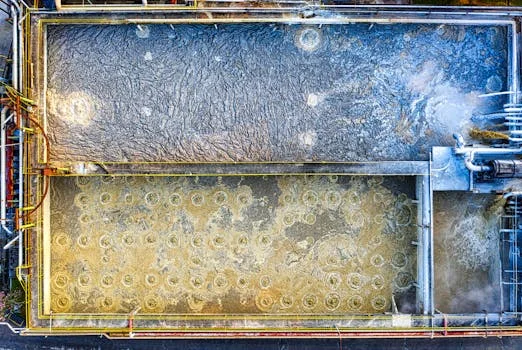
The implementation of a Dissolved Air Flotation (DAF) system at a Matanza-Riachuelo textile facility reduced Total Suspended Solids (TSS) from 800 mg/L to 25 mg/L, achieving full compliance with Lot 2 pretreatment requirements. Before the upgrade, the factory struggled with high concentrations of dyes and surfactants, resulting in COD levels of 1,200 mg/L and FOG levels of 200 mg/L, which frequently triggered municipal fines. The facility’s management faced escalating pressure from environmental authorities as the Riachuelo System’s monitoring intensified in 2024.
The solution involved the installation of a DAF-100 system paired with a precise chemical dosing regimen of 10 mg/L polyacrylamide. By integrating a primary GX-50 rotary drum screen for initial solids removal, the factory protected the DAF unit from large fiber debris, which had previously caused mechanical failures. The results were immediate: COD dropped to 110 mg/L and FOG was reduced to 8 mg/L. Beyond compliance, the factory realized ARS 1.8M in annual savings from avoided fines and a 90% reduction in sludge disposal costs. The project achieved a 12-month ROI, proving that high-efficiency equipment is