Shiraz’s 2026 Effluent Standards: What Factories Must Achieve to Avoid Fines
Shiraz factories face 2026 effluent standards that necessitate tailored sewage treatment equipment. Iran’s national standards mandate Chemical Oxygen Demand (COD) below 100 mg/L, Biochemical Oxygen Demand (BOD) below 30 mg/L, and Total Suspended Solids (TSS) below 50 mg/L, as confirmed by the Iran Environmental Protection Organization. However, the Shiraz Water and Wastewater Company often imposes stricter local limits. For instance, textile plants must reduce chromium VI to below 0.1 mg/L, while food processors face FOG limits of less than 20 mg/L. Non-compliance can result in significant penalties, such as an estimated $250,000 annual fine for textile factories exceeding chromium VI limits, and production halts for pharmaceutical plants with COD above 100 mg/L. the 2024 National Water Law mandates that by 2027, 20% of wastewater must be recycled for industrial use, requiring advanced treatment technologies like Membrane Bioreactor (MBR) systems or sophisticated Dissolved Air Flotation (DAF) units. DAF systems, starting around $50,000, offer a 3–5 year payback through water reuse savings, while MBR systems, essential for reuse-quality effluent (<10 mg/L BOD), can cost upwards of $5 million.
| Parameter | Iran National Standard (2026) | Shiraz Local Limits (Typical) | Sector-Specific Challenges | Compliance Risk/Cost |
|---|---|---|---|---|
| COD (mg/L) | <100 | <50 (Pharma) | Pharma: 800–3,000; Textiles: 1,200–2,500 | Production halt; $150K+/year fines |
| BOD (mg/L) | <30 | <15 (Food) | Food: High biodegradability (BOD/COD 0.6–0.8) | Municipal overload; $100K+/year fines |
| TSS (mg/L) | <50 | <30 (General) | Food: 800–1,200 | Municipal overload; $50K+/year fines |
| FOG (mg/L) | N/A (Guideline) | <20 (Food) | Food: 1,000–1,500 | $150K+/year fines; system fouling |
| Chromium VI (mg/L) | <0.5 | <0.1 (Textiles) | Textiles: 5–20 | $250K+/year fines; severe environmental impact |
| Color (ADMI) | N/A (Guideline) | <100 (Textiles) | Textiles: 500–1,000 | Aesthetic issues; regulatory scrutiny |
Sector-Specific Pollutant Profiles: How Shiraz’s Industries Generate Wastewater
Understanding the unique pollutant profiles of Shiraz’s key industries is crucial for selecting the most effective sewage treatment equipment. Food processing plants in the Fars province, for example, typically discharge wastewater with Fats, Oils, and Grease (FOG) levels ranging from 1,000 to 1,500 mg/L, alongside high TSS loads of 800–1,200 mg/L. This influent is generally highly biodegradable, with a BOD/COD ratio between 0.6 and 0.8. Textile manufacturers in the Shiraz Special Economic Zone commonly contend with chromium VI concentrations of 5–20 mg/L, substantial COD levels between 1,200 and 2,500 mg/L, and intense coloration (ADMI 500–1,000). Pharmaceutical factories present a different challenge, with COD often reaching 800–3,000 mg/L, but with low biodegradability (BOD/COD ratio of 0.1–0.3), and the potential presence of toxic intermediates. Municipal wastewater, a blend of domestic and industrial discharges, typically shows COD between 300–600 mg/L and BOD between 150–300 mg/L, requiring flexible treatment solutions. Effective pretreatment is vital for all sectors; food processors benefit from FOG skimming and pH adjustment, while textile plants require robust pH control and chemical precipitation for heavy metals, often involving chemical dosing rates of 50–200 mg/L for coagulants and flocculants.
| Industry Sector | Typical Influent Parameters | BOD/COD Ratio | Key Treatment Challenges | Pretreatment Requirements |
|---|---|---|---|---|
| Food Processing | FOG: 1,000–1,500 mg/L TSS: 800–1,200 mg/L COD: 1,500–3,000 mg/L |
0.6–0.8 | High FOG and TSS loads, potential for septicity | Grease traps,dissolved air flotation (DAF) systems for Shiraz food processors (92–97% FOG removal), pH adjustment |
| Textiles | Chromium VI: 5–20 mg/L COD: 1,200–2,500 mg/L Color: 500–1,000 ADMI |
0.2–0.4 | Heavy metals, persistent organic pollutants, intense color | pH adjustment, chemical precipitation (e.g., lime), coagulation/flocculation, chemical dosing for pH adjustment and chromium VI reduction |
| Pharmaceuticals | COD: 800–3,000 mg/L BOD: 100–500 mg/L Toxic intermediates |
0.1–0.3 | High COD, low biodegradability, recalcitrant compounds, toxicity | Pre-oxidation, advanced oxidation processes (AOPs), specialized biological treatment |
| Municipal | COD: 300–600 mg/L BOD: 150–300 mg/L TSS: 200–400 mg/L |
0.4–0.6 | Variable influent, pathogens, nutrient removal | Screening, grit removal, equalization |
Shiraz Sewage Treatment Equipment: Tech Specs, Removal Efficiencies, and CAPEX Breakdown
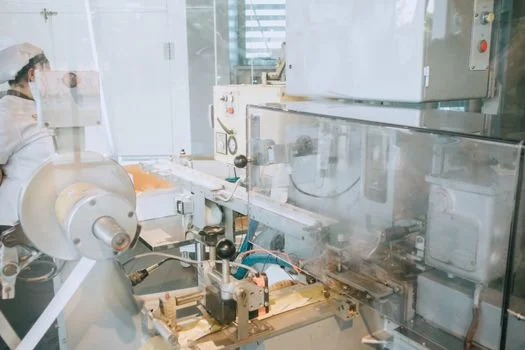
Selecting the right sewage treatment equipment for Shiraz factories hinges on understanding the technical specifications, removal efficiencies, and capital expenditure (CAPEX) of various technologies. Dissolved Air Flotation (DAF) systems, such as HydropureWater’s, are highly effective for food processing and pre-treatment, achieving 92–97% removal of FOG and TSS. Their CAPEX ranges from $50,000 to $500,000, with operating expenditures (OPEX) between $0.15–$0.30/m³. For industries requiring high-quality effluent suitable for reuse, Membrane Bioreactor (MBR) systems are the leading choice, delivering 99% BOD and TSS removal, resulting in effluent with less than 10 mg/L BOD. However, MBR systems come with a higher CAPEX, typically $1 million to $5 million+, and OPEX of $0.40–$0.80/m³. Aerobic/Anaerobic (A/O) systems, like HydropureWater's WSZ series, offer 85–90% COD removal with a CAPEX of $200,000–$1.5 million and OPEX of $0.20–$0.40/m³, making them suitable for municipal and less challenging industrial wastewater. For complex effluents, particularly in textiles needing stringent chromium VI reduction, hybrid systems combining DAF with MBR or advanced oxidation processes offer up to 99.5% chromium VI removal but at a significant CAPEX of $2 million to $8 million+ and OPEX of $0.60–$1.20/m³. The footprint of these systems also varies, with DAF being relatively compact and MBR requiring more space for membranes and ancillary equipment. For pharmaceutical applications with very high COD, hybrid DAF-RO-MBR systems are necessary, as detailed in articles discussing hybrid DAF-RO-MBR systems for high-COD effluent.
| Technology | Typical COD Removal (%) | Typical BOD Removal (%) | Typical TSS Removal (%) | Typical FOG Removal (%) | Chromium VI Removal (%) | CAPEX Range (USD) | OPEX Range ($/m³) | Typical Footprint |
|---|---|---|---|---|---|---|---|---|
| DAF | 60–80 | 70–85 | 92–97 | 92–97 | N/A (Pre-treatment) | $50K–$500K | $0.15–$0.30 | Medium |
| MBR (WSZ Series) | 95–99 | 99+ | 99+ | 98–99+ | N/A (Requires pre-treatment for Cr VI) | $1M–$5M+ | $0.40–$0.80 | Large |
| A/O (WSZ Series) | 85–90 | 90–95 | 80–90 | 80–90 | N/A | $200K–$1.5M | $0.20–$0.40 | Medium-Large |
| DAF + MBR Hybrid | 99+ | 99+ | 99+ | 99+ | 99.5+ (with chemical assist) | $2M–$8M+ | $0.60–$1.20 | Very Large |
Shiraz vs. International Suppliers: CAPEX, Lead Times, and Service Trade-Offs
Procurement managers in Shiraz must carefully weigh the advantages and disadvantages of sourcing sewage treatment equipment from local versus international suppliers. Local Shiraz suppliers, such as Shiraz Environmental Technologies and ZIRSakht Tadbir Arian, typically offer CAPEX that is 10–20% lower and lead times of 3–6 months. Their strength lies in rapid on-site service and a deep understanding of local permitting processes, which is critical for managing FOG spikes in food processing or unexpected chromium VI surges in textile operations. However, their MBR system scalability might be limited to approximately 500 m³/day. International vendors like HydropureWater, Veolia, and Suez often present higher CAPEX (20–30% more) and longer lead times (12–18 months), partly due to global supply chains and rigorous quality certifications (e.g., ISO 14001, EPA standards). Their advantage lies in proven 99%+ removal efficiencies across a wider range of pollutants and advanced technological capabilities. Service networks for international suppliers are typically managed through regional hubs, such as Dubai or Istanbul, which may translate to longer response times for urgent on-site issues compared to local options. While local suppliers boast an estimated 80% Shiraz Water and Wastewater Company approval rate, international firms often have a higher compliance success rate (>95%) but may require more support navigating specific local regulatory nuances. For those facing high-salinity challenges or complex pollutant mixtures, reviewing supplier selection frameworks for high-salinity wastewater can provide valuable insights.
| Supplier Type | Typical CAPEX | Typical Lead Time | Service Network | MBR Scalability | Compliance Track Record (Shiraz) | Key Advantage |
|---|---|---|---|---|---|---|
| Local Shiraz Suppliers | 10–20% Lower | 3–6 Months | 24/7 On-site Support | Max ~500 m³/day | ~80% Approval Rate | Cost-effectiveness, rapid response |
| International Suppliers | 20–30% Higher | 12–18 Months | Regional Hubs (e.g., Dubai, Istanbul) | Scalable to >10,000 m³/day | >95% Approval Rate | Advanced technology, high efficiency, global certifications |
Zero-Risk Selection Framework: How to Choose a Supplier Without Regrets
To ensure a zero-risk selection of sewage treatment equipment and suppliers in Shiraz, a systematic framework is essential, tailored to meet the 2026 effluent standards and local discharge limits. The process begins with clearly defining effluent requirements, referencing the tables in Section 1 for national and local thresholds, including sector-specific pollutants like FOG or chromium VI. Next, shortlist suitable equipment types—DAF, MBR, A/O, or hybrid systems—based on their removal efficiencies and CAPEX outlined in Section 3. A critical step is to request detailed case studies from potential suppliers, specifically seeking Shiraz-based installations that have successfully met local standards, such as textile plants achieving chromium VI below 0.1 mg/L or food processors maintaining FOG below 20 mg/L. When evaluating suppliers, a weighted criteria approach is recommended: a strong compliance track record should account for 50% of the decision, CAPEX/OPEX for 30%, and the responsiveness and reach of the local service network for 20%. For high-value systems like MBR, a mandatory 30-day pilot testing phase is crucial to assess membrane fouling risk and operational stability under site-specific conditions. For food processors dealing with FOG loads up to 1,500 mg/L, pilot testing of DAF systems for Shiraz food processors (92–97% FOG removal) is particularly important.
Decision Tree for Shiraz Wastewater Treatment Equipment Selection:
- Define Effluent Needs:
- Is chromium VI a primary concern (Textiles)? → Proceed to Step 2a.
- Is FOG removal critical (Food Processing)? → Proceed to Step 2b.
- Is high COD/low biodegradability the issue (Pharma)? → Proceed to Step 2c.
- Standard domestic/industrial mix (Municipal)? → Proceed to Step 2d.
- Shortlist Equipment Technology:
- 2a (Textiles): DAF + MBR Hybrid (for Cr VI <0.1 mg/L), or MBR with robust chemical pre-treatment for MBR systems for Shiraz textile plants (chromium VI <0.1 mg/L).
- 2b (Food Processing): DAF (for FOG <20 mg/L), potentially followed by biological treatment.
- 2c (Pharma): Advanced Oxidation Processes (AOPs) + MBR, or Hybrid DAF-RO-MBR systems for high-COD effluent.
- 2d (Municipal): A/O systems (WSZ series) followed by MBR or conventional activated sludge.
- Evaluate Suppliers:
- Request Shiraz-specific case studies and Shiraz Water and Wastewater Company approval letters.
- Score suppliers based on: Compliance Track Record (50%), CAPEX/OPEX (30%), Local Service Network (20%).
- Mandate Pilot Testing:
- Finalize Contract: Ensure clear terms for performance guarantees and after-sales support.
Frequently Asked Questions
What are the 2026 effluent limits for Shiraz factories?
Shiraz factories must comply with Iran’s national standards (COD <100 mg/L, BOD <30 mg/L, TSS <50 mg/L) and stricter Shiraz Water and Wastewater Company local limits, such as chromium VI <0.1 mg/L for textiles and FOG <20 mg/L for food processors.
How much does a DAF system cost for a Shiraz food processor?
For a capacity of 50–100 m³/h, a DAF system typically costs between $150,000–$300,000. These systems offer 92–97% FOG removal and can achieve a 3–5 year payback through water reuse savings, especially when considering how food processors in arid regions handle FOG loads >1,200 mg/L.
Can MBR systems handle Shiraz’s high-salinity groundwater?
Yes, MBR systems can treat high-salinity water, but PVDF membranes may require pre-treatment such as Reverse Osmosis (RO) to prevent scaling. This can increase CAPEX by 20–30%.
What’s the lead time for a Shiraz-approved wastewater treatment plant?
Lead times typically range from 6–12 months for local suppliers and 12–18 months for international vendors, with permitting processes often being a significant factor.
How do I verify a supplier’s compliance track record?
Request official Shiraz Water and Wastewater Company approval letters, and visit at least 2–3 existing installations in Shiraz. Obtain and review recent effluent test reports from these sites to confirm consistent performance.
Related Equipment
The following HydropureWater products are engineered for the wastewater challenges discussed above:
- chemical dosing for pH adjustment and chromium VI reduction — view specifications, capacity range, and technical data
Need a customized solution? Request a free quote with your specific flow rate and pollutant parameters.