The flocculant dosing system price for industrial wastewater runs from about $300 for a basic metering pump to about $13,000 for an automated polymer preparation skid. Dosing method, 2–20 LPH output, polymer form, and PLC depth set the quote.
Flocculant Dosing System Price for Industrial Wastewater: 2026 Cost Ranges
Skid-mounted, PLC-controlled units with gravimetric feeding commonly sit at $8,500–$12,000, and those figures are equipment bands rather than installed turnkey cost. Basic dosing pumps start near $300. Gravity powder feeders run about $480–$1,200. Auger volumetric units cost about $1,800–$4,500, while gravimetric powder dosers reach $5,000–$9,000.
Complete automated liquid or three-chamber polymer systems land at $3,500–$13,000 depending on LPH capacity and PLC or SCADA scope. Most plants we size for industrial wastewater land in the middle band once aging tanks ride on the skid.
What Is a Flocculant Dosing System?
A flocculant dosing system prepares and meters polymer solution into a wastewater stream so fine solids aggregate for clarification or dewatering. Core hardware includes a hopper or emulsion drum, a metering pump or screw feeder, a wetting and aging train, and a control panel paced by flow or solids signals.
Most plants we size for dry polymer age the solution 30–60 minutes at low shear before dosing. Without that aging window, polymer chains stay coiled and bridging surface area stays low, which wastes chemical and hurts effluent clarity.
The mixing steps around the dose matter as much as the metering hardware. According to the Wikipedia overview of flocculation, after the addition of flocculants, rapid mixing takes place, followed by slow mixing and later the sedimentation process. The same page notes that flocculation is affected by mixing shear and intensity, time and pH, and that gentle mixing accelerates the rate of particle collision. A skid that pumps concentrated, under-aged polymer into a high-shear line fights that sequence on every shift.
PLC logic keeps concentration stable when influent flow swings. Standalone pumps are often built into an Automatic Chemical Dosing System when the plant wants tank, mixer, and pump on one skid.
Automatic Polymer Dosing Unit Cost Guide
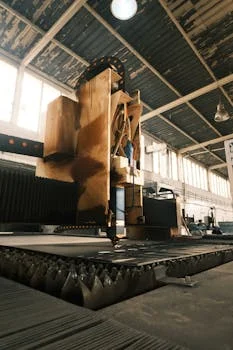
An automatic polymer dosing unit is priced first by feeder architecture, then by tanks and controls. System architecture—gravity, volumetric, or gravimetric—is the main price driver after capacity. Buyers trade simple hardware against polymer waste when dose error compounds over a year.
- Gravity-fed systems: Lowest-cost option at $480–$1,200. Limited to low-viscosity powders and roughly ±15% precision. Fit small, steady loads where chemical cost is minor (Alibaba data).
- Auger dosing machines: Mid-range at $1,800–$4,500. Screw conveyors handle moist powders and serve as the usual choice for medium industrial plants.
- Gravimetric powder dosers: Load-cell systems at $5,000–$9,000. Useful when a 5% dose error on expensive polymer would erase thousands of dollars per year.
- Dosing pumps: Basic models run $300–$800; PLC-ready chemical-resistant diaphragm pumps reach about $2,500 before tank and mixer costs.
| System Type | Average Cost (USD) | Precision Level | Best Application |
|---|---|---|---|
| Gravity-Fed | $480 – $1,200 | Low (±15%) | Small batch tanks, low-cost chemicals |
| Auger/Volumetric | $1,800 – $4,500 | Medium (±5%) | Standard industrial wastewater |
| Gravimetric (Load Cell) | $5,000 – $9,000 | High (±0.5%) | High-cost polymers, variable flow |
| Automated Liquid Dosing | $3,500 – $7,500 | High (±1%) | Emulsion polymers, 24/7 operation |
Gravimetric Polymer Feeder Cost Industrial: Load-Cell Band
A gravimetric polymer feeder for industrial service costs $5,000–$9,000 for the load-cell unit alone. That band is the feeder, not the aging tanks, pumps, or PLC. The premium is aimed at plants where a 5% dose error on expensive polymer would erase thousands of dollars per year.
Pick gravimetric feed when polymer price is high or influent solids swing. Stay volumetric when the load is steady and the chemical is inexpensive. Jar tests still set the dose; the feeder only repeats it.
Polymer Preparation Skid Price by LPH Capacity
Polymer preparation skid price is quoted on liquid output in liters per hour (LPH) and by PLC depth. Small units at 1–5 LPH typically cost $2,800–$5,000 in semi-automatic single-tank form.
Medium dual-tank packages at 5–15 LPH usually run $5,500–$9,000 so one chamber ages while the other doses. Large 15–30 LPH skids with gravimetric feed and remote monitoring sit at $9,000–$13,000 (HydropureWater field data, 2025).
Skid mounting adds about $1,200–$2,000 versus field-built pipework and often cuts install time by about 40%. Modbus or 4–20 mA plant integration typically adds $800–$1,500 for I/O and programming (industry benchmark). For hardware layout and a selection matrix, read Best Flocculant Dosing Unit for Industrial Use: 2026 Engineering Specs.
| Capacity (LPH) | Automation Level | Configuration | Estimated Price (USD) |
|---|---|---|---|
| 1 – 5 LPH | Semi-Automatic | Single Tank / Fixed Speed | $2,800 – $5,000 |
| 5 – 15 LPH | Fully Automatic (PLC) | Dual Tank / Skid-Mounted | $5,500 – $9,000 |
| 15 – 30+ LPH | Advanced (SCADA) | Three-Chamber / Gravimetric | $9,000 – $13,000 |
Stainless Steel Polymer Dosing Skid Pricing 2026: What Drives Cost?
Stainless steel process skid cost rises with alloy grade, weld finish, chamber count, and instrumentation density—not with brand slogans. A 304 frame suits many polymer duties. Specify 316 or lined wetted parts when chlorides or aggressive cleaners attack seals and tanks.
Price each line item: hopper or IBC station, wetting cone or inversion mixer, aging volume for 30–60 minutes residence, redundant pumps, load cells, and local PLC versus full SCADA tags. Dust extraction on dry powder lines and hose or progressive-cavity pumps for shear-sensitive polymer add capital but protect dose accuracy.
Downstream loading sets how much dose accuracy is worth. An EPA wastewater technology fact sheet on ballasted flocculation records that such units have operated with overflow rates of 815 to 3,260 L/m2-min (20 to 80 gal/ft2-min) while achieving total suspended solids removal of 80 to 95 percent, and that start-up to steady state times range from 15 to 30 minutes. Fast, high-loading trains like that leave no time to chase a drifting manual dose, which is why flow-pacing belongs in the skid specification.
Selection checklist before you freeze the PO:
- Confirm polymer form: dry powder, emulsion, or both.
- Size LPH from peak dry-solids load, not average flow alone.
- Set aging volume for at least 30–60 minutes at design make-up rate.
- Choose pump type that keeps wall shear below polymer scission limits.
- Decide 304 vs 316 and whether skid or field-built piping is cheaper on site.
- Require flow- or solids-paced control plus low-level and no-flow alarms.
- Budget annual seal, strainer, and calibration labor at $300–$600.
What Does Total Cost of Ownership Include Beyond Purchase Price?
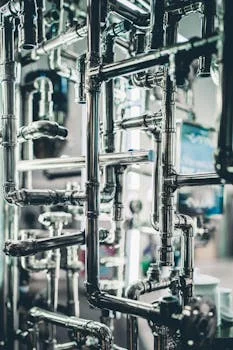
Maintenance and chemical waste often exceed 60% of lifetime spend on a dosing train. Teams that buy only on sticker price usually under-count polymer overuse and unplanned downtime.
Earlier vendor comparisons often claimed high-precision gravimetric feeders cut polymer waste by 18–25% versus open volumetric dosing. Treat that band as a planning range until jar tests and mass-balance data confirm it on your sludge. Annual upkeep of $300–$600 covers pump seals, filter cleaning, and sensor calibration on most industrial units.
Buyers who search flushing floculant cost for 200microns filters are usually pricing a strainer flush, not a new skid. An upstream filter that protects the metering pump, serviced on the same round, costs far less than a rebuilt pump head. Fold that labor into the $300–$600 annual upkeep.
Skip those tasks and a slug of under-aged polymer can blind a filter press and erase any CAPEX saving. Stainless packages that are maintained on schedule commonly last 8–12 years. Energy use stays modest at about 0.5–1.2 kWh/day, while a dosing outage in food plants can cost around $1,200 per day in fines or halted production (case study data).
Dewatering performance frames the other side of lifetime cost. The EPA design manual on dewatering municipal sludges states that all of the various methods of mechanical sludge dewatering have the capability to produce good recovery (>90 percent) of feed solids, and that equipment operated at maximum solids capacity may sacrifice 3-5 percentage points in the final product dryness. Polymer type, dosage, addition point, contact time, and mixing rank with the variables that manual flags as critical, so a stable dose pays twice.
PLC Controlled Flocculant Dosing System ROI
A PLC-controlled flocculant dosing system usually returns its premium within a window that typically falls between 11 and 20 months, when sludge volume, polymer price, and discharge risk are material. Savings come from lower chemical use, less haul-away cake, and fewer operator hours on manual make-down.
Food plants often recover capital in about 14 months when optimized dosing cuts sludge volume by up to 30%. Textile lines can see payback near 11 months when stable dose supports roughly 92% turbidity reduction and avoids municipal non-compliance fees. Pairing the skid with a high-performance DAF machine or a high-efficiency sedimentation tank shortens recovery when clarification and polymer feed share one control strategy.
The flotation tank is a separate budget line. See how much does a daf unit cost for that tank, and keep it out of the polymer-skid total.
| Industry | Payback Period | Primary ROI Driver | Annual Savings Est. |
|---|---|---|---|
| Food Processing | 14 Months | 30% Sludge Volume Reduction | $12,000 – $18,000 |
| Textile Industry | 11 Months | Fine Avoidance / Water Reuse | $22,000 – $35,000 |
| Mining & Tailings | 18 Months | 20% Lower Polymer Consumption | $15,000 – $25,000 |
| Municipal WWTP | 20 Months | Labor Savings ($48k/year FTE) | $40,000+ |
Who This Is For and Next Step
This guide is for plant engineers and procurement managers sizing polymer make-down for industrial or municipal solids separation. Look elsewhere if you only need a laboratory jar-test mixer or a one-off tote pump with no aging tank. Bring flow, percent dry solids, and polymer type if you want LPH, chamber count, and alloy named before a price talk.
Share those figures through our request a dosing-skid quote form. The reply should name LPH, chamber count, alloy, and control scope before anyone talks price.
Frequently Asked Questions
What is the average lifespan of a flocculant dosing unit?
Industrial units built from 304 or 316 stainless steel typically last 8–12 years with scheduled seal changes and annual calibration. Shorter life usually traces to neglected strainers, wrong elastomer selection, or dry-running pumps, not to the steel frame itself. Plan spare diaphragms and seals in the first-year OPEX budget, and log seal hours so replacement is planned work rather than a breakdown.
Can dosing systems handle both liquid and powder polymers?
Yes. Dual-input packages accept dry powder and emulsion on separate feed trains into a shared aging or day tank. They generally cost 20–25% more than single-input units but let buyers switch suppliers when neat polymer price moves. Confirm wetting hardware and inversion mixer shear limits for each polymer grade before the PO is signed.
Are PLC-controlled systems worth the extra cost?
For plants with variable flow or swinging influent solids, yes. Automation typically cuts chemical use by 15–30% versus manual batching and often recovers the PLC premium inside the first operating year. Steady, low-variability loads can stay on simpler fixed-speed packages if the jar-test dose stays flat across shifts and seasons.
How much installation labor is required?
Skid-mounted units usually need 1–2 days for piping, power, and signal checks once foundations and utilities are ready. Field-built systems often take 5–7 days of specialized labor for tank setting, welding, and loop checks. Pre-FAT on the skid reduces site surprises, and most plants we commission spend the extra shop days gladly.
Do dosing units require frequent calibration?
Gravimetric feeders should be calibrated about every 6 months to hold stated mass accuracy. Standard volumetric pumps need a check annually or whenever the neat polymer batch or viscosity changes. Always verify pump output with a timed beaker test after elastomer replacement, and file the results with the maintenance log.