How does a chlorine dioxide generator work?
A chlorine dioxide (ClO₂) generator makes disinfectant on site from chlorite/acid chemistry or electrolysis at 85–99% conversion. The formula for chlorine dioxide generator yield follows stoichiometry plus pH 4.5–5.5 and temperature control. Residual ClO₂ is managed to the EPA MRDL of 0.8 mg/L as ClO₂ under 40 CFR 141.65.
Plants choose ClO₂ when free chlorine forms too many trihalomethanes under high organic load. Total trihalomethanes (TTHM) remain capped at 0.080 mg/L under 40 CFR 141.64, and ClO₂ does not chlorinate organics the way hypochlorite does. Most plants we size for cooling-tower or food-process effluent run ClO₂ dose at the lower end of 1–2 mg/L unless COD or biofilm demand pushes 3–5 mg/L.
ClO₂ also keeps biocidal strength across roughly pH 4–10. Free chlorine loses about 50% efficacy near pH 7.5 and nearly 80% near pH 8.0, so alkaline wastewater and tower circuits often favor ClO₂. For a broader equipment overview beyond yield math, see this chlorine dioxide generator explained guide.
Chemical vs Electrolytic Chlorine Dioxide Generators: How Each Method Works
Chemical chlorine dioxide generators typically utilize sodium chlorite (NaClO₂) and hydrochloric acid (HCl) to achieve conversion rates between 85% and 95% in a controlled reaction chamber. The fundamental reaction follows the equation: 5NaClO₂ + 4HCl → 4ClO₂ + 5NaCl + 2H₂O. For optimal yield, the reaction must occur under specific conditions, typically maintaining a pH between 4.5 and 5.5 and a temperature range of 50–70°C. In high-capacity industrial units, the generated ClO₂ gas is immediately drawn into an absorption tower where it is dissolved into chilled water, creating a stable aqueous solution for dosing.
Electrolytic chlorine dioxide generators represent a different engineering approach, using the electrolysis of sodium chlorate (NaClO₃) or brine (NaCl) to produce high-purity gas. These systems require precise electrical control, typically operating at 3–5V with current densities of 10–50A depending on the electrode surface area. The electrolytic method is often preferred in applications requiring the highest purity (95–99%) because it minimizes the presence of unreacted precursors. However, this method demands higher energy input, averaging 0.5–1.0 kWh per kg of ClO₂ produced.
Both methods must manage byproduct formation strictly. According to US EPA (40 CFR 141.64), chlorite is capped at an MCL of 1.0 mg/L; EPA does not set a parallel national MCL for chlorate at 0.7 mg/L. Modern ClO₂ generators for industrial wastewater utilize advanced PLC-controlled dosing to ensure reactant ratios are maintained at a precise 1:1.2 or 1:1.5 ratio, which significantly reduces these byproducts compared to manual systems.
| Parameter | Chemical Method (Acid-Chlorite) | Electrolytic Method |
|---|---|---|
| Primary Reactants | NaClO₂ + HCl (or Cl₂) | NaClO₃ or NaCl + Electricity |
| Conversion Rate | 85% – 95% | 95% – 99% |
| Output Purity | 90% – 95% | 98% – 99.9% |
| Operating Temp | 50°C – 70°C | 25°C – 40°C |
| Byproduct Risk | Moderate Chlorite/Chlorate | Low Chlorite/Chlorate |
Formula for Chlorine Dioxide Generator Yield
Practical plant yield still tracks acid-chlorite stoichiometry: theoretical ClO₂ mass from 5NaClO₂ + 4HCl → 4ClO₂ + 5NaCl + 2H₂O, then conversion equals (ClO₂ produced ÷ ClO₂ theoretical) × 100%. Chemical skids commonly land at 85–95% when pH stays 4.5–5.5 and chamber temperature holds 50–70°C; electrolytic trains often report 95–99% under controlled voltage.
Measured yield also depends on feed strength and draw-off. Operators should verify sodium chlorite near 25% w/w and hydrochloric acid near 31% w/w before blaming the reactor. If conversion falls below 80% at correct temperature, calibrate metering pumps and clear crystallized salt at injection nozzles before changing chemistry setpoints.
Yield math alone does not size the skid. Multiply peak flow (m³/h) by dose (mg/L) to get required g/h output, then apply a demand factor for high-COD water. A 500 m³/h stream at 2 mg/L needs about 1,000 g/h nameplate capacity before fouling or peaking allowances.
Engineering Specs: Key Parameters for ClO₂ Generator Selection
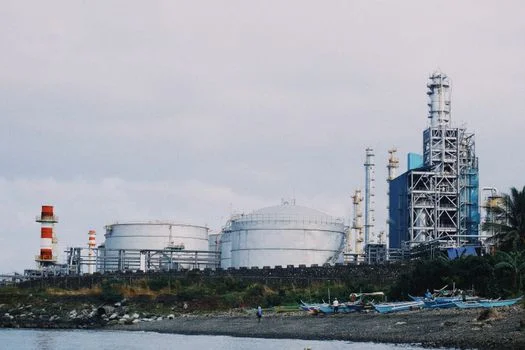
Industrial ClO₂ generators are sized by their hourly output capacity, which ranges from 50 g/h for small-scale cooling towers to 20,000 g/h for large municipal or industrial wastewater plants. According to AWWA practice cited in plant design notes, a general rule of thumb for sizing is that 1 g/h of ClO₂ capacity is required to treat approximately 1 m³/h of wastewater, assuming a standard dosage of 1 mg/L. However, for high-COD (Chemical Oxygen Demand) or high-microbial influent, the dosage may need to increase to 3–5 mg/L.
Automation remains a critical specification on new installs. Integrating PLC-controlled chemical dosing for ClO₂ generators allows for real-time adjustments based on Oxidation-Reduction Potential (ORP), pH, and flow rate. HydropureWater field data indicates that automated systems reduce chemical waste by 20–30% compared to manual batching. This precision is also vital for meeting FDA 21 CFR 173.300 expectations in food-grade applications, where chlorite residuals must remain below 0.2 mg/L.
Footprint and modularity are also key considerations for procurement teams. Compact units for space-constrained sites typically measure 1.2 × 0.8 × 1.5 meters, while large industrial skids can extend to 3 × 2 × 2 meters. Engineering teams must also evaluate the material of construction; because ClO₂ is highly corrosive, reaction chambers and dosing lines must be fabricated from titanium, PVDF, or high-density PTFE to ensure a service life exceeding 10 years.
| Specification | Industrial Range/Standard | Impact on Performance |
|---|---|---|
| Output Capacity | 50 – 20,000 g/h | Determines treated volume (m³/day) |
| Conversion Efficiency | ≥95% (with temp control) | Reduces chemical OPEX and byproducts |
| Control Logic | PLC with ORP/Flow pacing | Prevents over-dosing and ensures compliance |
| Material Grade | Titanium / PVDF / PTFE | Resistance to ClO₂ corrosion |
| Safety Monitoring | Electrochemical gas sensors | Automatic shutdown at 0.1 ppm leak |
Chemical vs Electrolytic ClO₂ Generators: Head-to-Head Comparison for Industrial Applications
Chemical ClO₂ generators offer a lower initial CapEx of $20,000 to $80,000, making them the standard choice for small to medium-sized industrial plants. The OPEX for these systems typically ranges from $0.05 to $0.15 per gram of ClO₂ produced, depending on local chemical pricing for sodium chlorite and hydrochloric acid. These systems are highly scalable and can be brought online quickly, providing a rapid ROI, often within 12 to 18 months for plants treating 10,000 m³/day of wastewater.
Electrolytic systems, while requiring a higher CapEx of $50,000 to $200,000, provide a distinct advantage in high-purity environments such as semiconductor fabrication or pharmaceutical manufacturing. The higher purity (up to 99.9%) and the elimination of bulk acid storage reduce secondary contamination risks. However, maintenance on electrolytic units is more specialized, requiring annual electrode replacement which can cost between $2,000 and $5,000 per year. The ROI for electrolytic systems is generally longer, spanning 24 to 36 months, but is justified in sectors where byproduct limits are near zero.
| Evaluation Metric | Chemical (Acid-Chlorite) | Electrolytic (Brine/Chlorate) |
|---|---|---|
| Capital Expense (CapEx) | $20,000 – $80,000 | $50,000 – $200,000 |
| Operating Expense (OPEX) | $0.05 – $0.15 / g ClO₂ | $0.10 – $0.25 / g ClO₂ |
| Energy Consumption | Negligible (Pumps only) | 0.5 – 1.0 kWh/kg ClO₂ |
| Maintenance Frequency | Quarterly pump calibration | Annual electrode replacement |
| Best Use Case | Food/Wastewater/Cooling Towers | Semiconductor/Pharma/UPW |
Compliance and Safety: Meeting EPA, WHO, and EU Standards with ClO₂ Generators
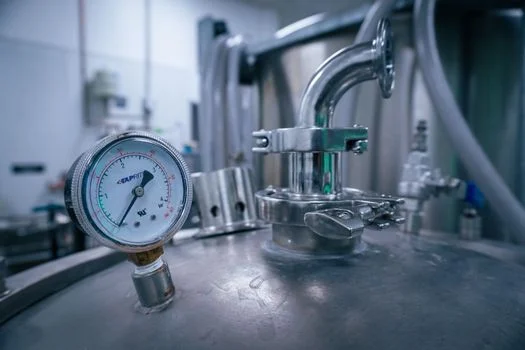
The EPA sets the Maximum Residual Disinfectant Level (MRDL) for chlorine dioxide at 0.8 mg/L under 40 CFR 141.65 to protect public health from acute respiratory effects. Chlorite remains capped at 1.0 mg/L under 40 CFR 141.64.federal chlorate MCL (WHO GDWQ fact sheet, 2022).
Safety is the primary concern when handling chlorine dioxide, as the gas becomes explosive at concentrations above 10% in air. Industrial generators mitigate this risk by producing ClO₂ in a vacuum or by immediately dissolving it into an aqueous stream. All high-quality systems must include electrochemical sensors with a 0–10 ppm detection range and double-walled piping for chemical transport. In the event of a leak, the PLC should trigger an immediate system shutdown and activate neutralization scrubbers.
For byproduct management, recent plant practice still pairs high-conversion generation with polishing where residuals are tight. Activated carbon after disinfection can cut chlorite and chlorate concentrations by up to 90% in reported case work. That polishing step matters for plants discharging to sensitive waters or aligning with WHO provisional 0.7 mg/L chlorite/chlorate guidance, and it is why how ClO₂ generators meet hospital effluent compliance standards stays relevant for multi-drug-resistant organism discharge limits.
Troubleshooting Common ClO₂ Generator Problems: Causes, Fixes, and Prevention
A drop in ClO₂ conversion efficiency below 80% is frequently caused by incorrect reactant ratios or reaction chamber temperatures falling outside the 50–70°C range. Operators should first verify the concentration of the feed chemicals; sodium chlorite should be 25% w/w and hydrochloric acid 31% w/w. If the temperature is correct but efficiency remains low, the dosing pumps may require calibration or the injection nozzles may be partially blocked by crystallized salt.
Scaling within the reaction chamber is another common operational pain point. Hard water used for dilution can lead to calcium carbonate buildup, which reduces heat transfer and reaction efficiency. Descaling the system with a 5% citric acid solution every six months is a standard preventive measure that can reduce efficiency loss by 15–20%. Additionally, sensor drift in pH and ORP probes can lead to over- or under-dosing. These sensors should be calibrated weekly and replaced annually to ensure the system reacts correctly to changes in influent quality.
Byproduct exceedances are usually a symptom of an imbalanced reactant ratio. If chlorite levels are too high, the ratio of HCl to NaClO₂ should be increased slightly (to approximately 1.5:1) to ensure the sodium chlorite is fully consumed. Regular weekly monitoring of chlorite and chlorate levels via ion chromatography or titration is essential for staying within EPA chlorite limits and avoiding fines reported in the $25,000–$100,000 per-violation range for related drinking-water disinfection failures.
How to Select the Right Chlorine Dioxide Generator for Your Application
What selection criteria matter for industrial wastewater?
Selection criteria for industrial wastewater ClO₂ systems start with peak flow, ClO₂ demand, and enforceable byproduct caps, not brochure capacity alone. Calculate required output in g/h as peak flow (m³/h) × dose (mg/L). For example, 500 m³/h at 2 mg/L for a 99.9% E. coli kill target needs about 1,000 g/h before peaking margin.
Next choose chemical versus electrolytic hardware. If the site can store bulk acid and needs a cost-effective wastewater oxidant, chemical generators usually fit. Where acid storage is banned or purity must approach 99.9%, electrolytic units are the better match. Confirm the skid can talk to plant SCADA, including where ClO₂ sits inside where ClO₂ generators fit in integrated wastewater treatment systems.
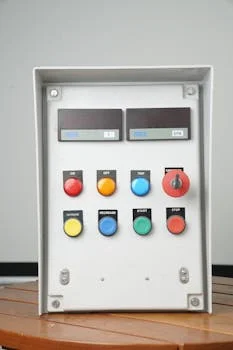
Use this checklist before purchase: (1) measured ClO₂ demand at peak COD, (2) nameplate g/h with ≥20% spare, (3) conversion ≥95% under controlled temperature, (4) PLC pacing on flow/ORP, (5) titanium/PVDF/PTFE wetted parts, (6) gas detection with shutdown at 0.1 ppm, (7) weekly chlorite residual method. Always pilot high-risk hospital or UPW streams so the Chlorine Dioxide (ClO₂) Generator for Water Disinfection is sized on real demand, not average COD.
Who This Is For / Next Step
Who this is for: plant engineers and EPC teams comparing acid-chlorite versus electrolytic ClO₂ for wastewater, cooling towers, or food-process water with THM or chlorite constraints. Who should look elsewhere: sites that only need occasional shock chlorination of clean water and have no byproduct pressure may stay on hypochlorite. Next step: send flow, COD, pH, and residual limits with a request for ClO₂ generator sizing so capacity and materials can be checked against your permit.
Frequently Asked Questions
Is chlorine dioxide better than sodium hypochlorite for wastewater?
Yes, in most industrial scenarios with high organics or alkaline pH. ClO₂ keeps oxidising strength across roughly pH 4–10 and does not form THMs or HAAs the way free chlorine does. Sodium hypochlorite loses much of its efficacy above pH 7.5 and can drive TTHM toward the 0.080 mg/L MCL under 40 CFR 141.64 when precursors are high. Choose hypochlorite only when organics are low and byproduct headroom is clear.
What is the typical lifespan of a ClO₂ generator?
With proper maintenance, including quarterly pump calibration and annual sensor replacement, a ClO₂ generator built with titanium or PVDF wetted parts should last 10–15 years. Electrolytic cells typically need electrode replacement every 3–5 years depending on current density and duty cycle. Budget $2,000–$5,000 per year for specialized electrolytic maintenance on larger purity-critical skids.
How do I ensure compliance with EPA chlorite limits?
Compliance is ensured by using a generator with high conversion efficiency (>95%) and precise PLC-controlled dosing. Keep reactant ratios tight, for example NaClO₂ to HCl near the engineered 1:1.2–1:1.5 setpoints, and test chlorite weekly by DPD or ion chromatography. The EPA MCL for chlorite is 1.0 mg/L under 40 CFR 141.64; hold ClO₂ residual at or below the 0.8 mg/L MRDL in 40 CFR 141.65.
What dose should I use for industrial wastewater ClO₂?
Most industrial wastewater and cooling applications we size start near 1–2 mg/L ClO₂ when demand is moderate. High-COD or heavy biofilm duty often needs 3–5 mg/L, confirmed by a demand test rather than a catalog default. Convert dose to generator size with g/h ≈ (m³/h) × (mg/L), then add spare capacity for peaks and fouling.
When should I choose electrolytic over chemical ClO₂ generation?
Choose electrolytic generation when acid storage is restricted, precursor carryover must stay minimal, or purity targets sit near 98–99.9%, such as semiconductor or pharmaceutical water. Accept higher CapEx ($50,000–$200,000) and 0.5–1.0 kWh/kg ClO₂ energy use. Prefer chemical acid-chlorite skids when CapEx must stay near $20,000–$80,000 and bulk NaClO₂/HCl logistics are already approved on site.