A hospital effluent treatment plant (ETP) removes 99.9% of pathogens, pharmaceuticals, and heavy metals from wastewater using a multi-stage process: screening (5–10 mm bar spacing), pH adjustment (6.5–8.5), biological treatment (activated sludge or MBR with 6–12 hr retention), and disinfection (chlorine dioxide or UV at CT ≥450 mg·min/L). Effluent must meet EPA limits (COD <125 mg/L, BOD <30 mg/L, fecal coliform <200 CFU/100mL) or EU Directive 91/271/EEC standards before discharge. Systems like MBR achieve near-reuse quality (<1 μm filtration) but require 30% higher CAPEX than conventional activated sludge.
Why Hospital Effluent Requires Specialized Treatment: Contaminant Loads and Regulatory Risks
Hospital effluent contains 10–100× higher concentrations of pharmaceuticals than typical municipal wastewater, posing significant environmental and public health risks (WHO 2023). These elevated contaminant loads necessitate specialized treatment to prevent regulatory fines and safeguard community health. For instance, antibiotic residues like ciprofloxacin can foster antibiotic-resistant bacteria (ARB) in receiving waters, while chemotherapy drugs are cytotoxic even at trace levels.
Pathogen loads in hospital wastewater are exceptionally high, often reaching 106–109 CFU/100mL for fecal coliform, 103–105 PFU/mL for viruses (e.g., norovirus, SARS-CoV-2), and 102–104 CFU/mL for ARB (EPA 2024 benchmarks). These concentrations are orders of magnitude greater than those found in domestic sewage, making effective disinfection paramount. heavy metals such as mercury (0.5–5 mg/L from dental amalgams), silver (0.1–2 mg/L from X-ray film processing), and chromium (0.05–1 mg/L from lab reagents) frequently exceed EPA pretreatment standards, which typically require levels below 0.01 mg/L for mercury (59 FR 47970).
The regulatory risks for non-compliant hospital effluent discharge are severe, with fines up to $50,000/day for violations of EPA 40 CFR Part 460 (Hospital Point Source Category) or EU Directive 91/271/EEC. Beyond financial penalties, inadequate treatment can lead to public health crises. A notable case is the 2022 outbreak of carbapenem-resistant Enterobacteriaceae (CRE) in a U.S. hospital, which was epidemiologically linked to the discharge of untreated or inadequately treated effluent, highlighting the critical need for robust effluent treatment plants (CDC MMWR, 2023).
| Contaminant Type | Typical Concentration in Hospital Effluent | Health/Environmental Impact | Regulatory Concern |
|---|---|---|---|
| Pharmaceuticals (e.g., antibiotics, chemotherapy drugs) | 10–100× municipal levels (WHO 2023) | Antibiotic resistance, endocrine disruption, aquatic toxicity | EU Watch List (Decision 2020/1161) |
| Pathogens (fecal coliform, viruses, ARB) | 106–109 CFU/100mL (EPA 2024) | Infectious disease transmission, public health outbreaks | EPA Fecal Coliform <200 CFU/100mL |
| Heavy Metals (Hg, Ag, Cr) | Hg: 0.5–5 mg/L; Ag: 0.1–2 mg/L; Cr: 0.05–1 mg/L | Bioaccumulation, toxicity to aquatic life, human health risks | EPA Pretreatment Standards (40 CFR Part 403) |
| BOD/COD | BOD: 200–1,500 mg/L; COD: 500–3,000 mg/L | Oxygen depletion in receiving waters | EPA BOD <30 mg/L, COD <125 mg/L |
Hospital Effluent Treatment Plant Working Principle: Step-by-Step Engineering Process
The hospital effluent treatment plant working principle involves a series of physical, chemical, and biological processes designed to progressively remove contaminants to meet stringent discharge standards.
- 1. Screening and Grit Removal: This primary stage employs rotary bar screens with 5–10 mm spacing to physically remove large solids such as rags, tissues, and plastics, achieving approximately 95% removal efficiency at hydraulic loadings of 0.5–1.5 m³/m²·min (HydropureWater GX Series specs). Following screening, grit chambers are used to settle inorganic particles (typically 0.2–0.3 mm and larger) to prevent abrasion and damage to downstream pumps and equipment.
- 2. Equalization Tank: An equalization tank is crucial for dampening significant fluctuations in both flow rate and contaminant load (influent COD: 500–3,000 mg/L; BOD: 200–1,500 mg/L) over a 6–12 hour retention time. This ensures a more consistent feed to subsequent biological processes, improving their stability and efficiency. Automated pH adjustment and chemical dosing for ETPs maintain the pH within the optimal range of 6.5–8.5 using sulfuric acid or sodium hydroxide, critical for biological activity.
- 3. Primary Sedimentation: Lamella clarifiers, operating at surface loadings of 20–40 m³/m²·hr, are commonly used in this stage to remove 50–70% of total suspended solids (TSS) and 30–40% of biochemical oxygen demand (BOD). The settled primary sludge is then typically dewatered using a plate-and-frame filter press to achieve 20–30% dry solids content, reducing its volume for disposal.
- 4. Biological Treatment: This is the core of organic contaminant removal, primarily using activated sludge or Membrane Bioreactor (MBR) technologies.
- Activated Sludge: In an A/O (Anaerobic/Anoxic/Oxic) process, key parameters include a Mixed Liquor Suspended Solids (MLSS) concentration of 3,000–5,000 mg/L, a Food-to-Microorganism (F/M) ratio of 0.1–0.3 kg BOD/kg MLSS·day, and a Sludge Retention Time (SRT) of 10–30 days. This process typically achieves 85–92% COD removal (EPA 2024).
- MBR: MBR systems for hospital effluent operate with higher MLSS concentrations of 8,000–12,000 mg/L, a membrane flux of 15–25 LMH, and a longer SRT of 20–50 days. MBRs achieve superior COD removal (95–98%) and exceptional pathogen removal (99.99%) due to their physical barrier (HydropureWater DF Series specs). For more detailed MBR engineering specs and selection criteria, refer to our dedicated guide.
- 5. Tertiary Treatment: Depending on discharge requirements or reuse goals, tertiary treatment may include DAF pretreatment for hospital effluent (HydropureWater, 4–300 m³/h) for specialized FOG/oil removal (90–95% efficiency) or multi-media filters for achieving turbidity levels below 2 NTU.
- 6. Disinfection: This critical final step ensures pathogen inactivation. Chlorine dioxide (ClO₂) is highly effective, requiring a CT value (concentration × contact time) of ≥450 mg·min/L for 99.9% pathogen kill, typically achieved with 30–60 minutes contact time at 5-10 mg/L residual. UV disinfection (254 nm wavelength) requires a dose of 40–100 mJ/cm². On-site chlorine dioxide generators for hospital ETPs (HydropureWater) can produce 50–20,000 g/h, offering a cost-effective and safe alternative to bulk chlorine. For further details, consult our guide on chlorine dioxide disinfection for hospital effluent.
- 7. Sludge Handling: The sludge generated from primary and biological treatment is typically dewatered using a plate-and-frame filter press (1–500 m² filtration area) to achieve 20–30% dry solids. This reduces volume for cost-effective disposal via landfill or incineration, or in some cases, for safe composting.
| Treatment Stage | Key Process Parameters | Typical Efficiency/Outcome | Relevant Equipment |
|---|---|---|---|
| Screening & Grit Removal | Bar spacing: 5–10 mm; Hydraulic loading: 0.5–1.5 m³/m²·min | 95% solids removal, prevents pump damage | Rotary bar screens, grit chambers |
| Equalization | Retention time: 6–12 hr; pH range: 6.5–8.5 | Dampens flow/load fluctuations, stable pH | Equalization tank, automatic dosing system |
| Primary Sedimentation | Surface loading: 20–40 m³/m²·hr | 50–70% TSS, 30–40% BOD removal | Lamella clarifiers |
| Biological Treatment (Activated Sludge) | MLSS: 3,000–5,000 mg/L; F/M: 0.1–0.3; SRT: 10–30 days | 85–92% COD removal | Aeration tank, secondary clarifier |
| Biological Treatment (MBR) | MLSS: 8,000–12,000 mg/L; Flux: 15–25 LMH; SRT: 20–50 days | 95–98% COD, 99.99% pathogen removal | Membrane bioreactor modules |
| Tertiary Treatment | Turbidity <2 NTU (multi-media filter); 90–95% FOG (DAF) | Polishing for specific contaminants | DAF unit, multi-media filters |
| Disinfection (ClO₂) | CT ≥450 mg·min/L; Residual: 0.5–1.0 mg/L | 99.9% pathogen kill | Chlorine dioxide generator, contact tank |
| Sludge Handling | Dewatering to 20–30% dry solids | Volume reduction for disposal | Plate-and-frame filter press |
Efficiency Comparison: MBR vs. Activated Sludge vs. DAF for Hospital Effluent
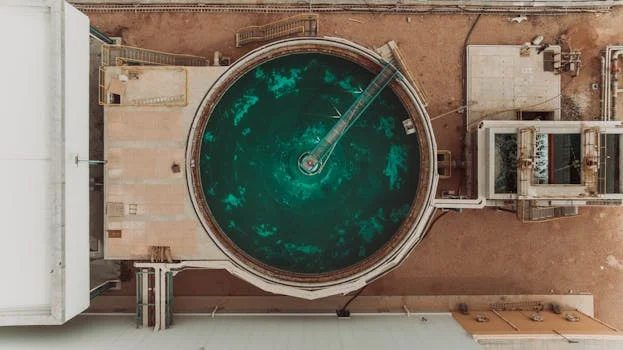
Selecting the optimal hospital effluent treatment technology requires a detailed comparison of removal efficiencies, footprint requirements, and both capital (CAPEX) and operational (OPEX) expenditures. Each technology offers distinct advantages depending on the hospital's specific effluent characteristics, space availability, and compliance targets.
Membrane Bioreactors (MBR) consistently deliver the highest effluent quality, making them ideal for stringent discharge limits or water reuse applications. Activated sludge systems offer a proven, cost-effective solution for many hospitals, while Dissolved Air Flotation (DAF) excels in pretreatment for specific, high-FOG waste streams.
| Technology | COD Removal (%) | BOD Removal (%) | Pathogen Removal (%) | Footprint (m²/m³/day) | CAPEX ($/m³/day) | OPEX ($/m³) | Key Limitations |
|---|---|---|---|---|---|---|---|
| MBR | 95–98% | 97–99% | 99.99% | 0.2–0.5 | $1,200–$2,500 | $0.30–$0.60 | Higher CAPEX, membrane fouling potential |
| Activated Sludge | 85–92% | 88–95% | 99–99.9% | 0.5–1.0 | $800–$1,500 | $0.20–$0.40 | Larger footprint, less consistent pathogen removal |
| DAF (as pretreatment) | 70–85% | 75–90% | 90–95% | 0.3–0.8 | $600–$1,200 | $0.15–$0.35 | Primarily for FOG/TSS; requires downstream biological treatment |
MBR systems excel in space-constrained sites or where effluent reuse (e.g., irrigation, toilet flushing) is a goal, producing near-reuse quality water (<1 μm filtration). However, their initial capital investment is typically 30% higher than conventional activated sludge. Activated sludge systems require a larger footprint due to the need for secondary clarifiers and longer sludge retention times (10–30 days) but offer a lower CAPEX. DAF systems are particularly effective as a primary or secondary treatment stage for hospital effluent with high concentrations of fats, oils, and grease (FOG), such as wastewater from kitchens or laundries, achieving significant FOG removal before biological treatment.
Selecting the Right Technology: The decision hinges on a hospital's specific needs. If the priority is minimal footprint and high-quality effluent for potential reuse, MBR is often the superior choice. For hospitals with ample space and standard discharge requirements, activated sludge offers a balance of performance and cost. DAF should be considered when significant FOG or suspended solids require efficient removal upstream of biological processes.
Compliance Standards for Hospital Effluent: EPA, EU, and WHO Limits
Regional compliance standards for hospital effluent vary significantly, but all aim to protect public health and the environment by setting strict limits on key pollutants. Adhering to these limits is non-negotiable for hospitals to avoid severe penalties and environmental contamination.
In the United States, EPA 40 CFR Part 460 (Hospital Point Source Category) sets specific discharge limits for critical parameters. For instance, the EPA limits for hospital effluent require COD to be <125 mg/L, BOD <30 mg/L, TSS <30 mg/L, and fecal coliform <200 CFU/100mL (59 FR 47970). Heavy metals are also regulated under EPA pretreatment standards (40 CFR Part 403), limiting mercury to <0.01 mg/L, silver to <0.43 mg/L, and chromium to <2.77 mg/L, often requiring specialized removal technologies.
The European Union's Urban Waste Water Treatment Directive 91/271/EEC imposes similar, often stricter, limits. EU standards for hospital effluent include COD <125 mg/L, BOD <25 mg/L, TSS <35 mg/L, total nitrogen <15 mg/L, and total phosphorus <2 mg/L. While the World Health Organization (WHO) does not issue specific discharge limits for hospital effluent, it recommends achieving 99.9% pathogen removal for any wastewater intended for reuse applications (WHO 2022). Pharmaceuticals, while not federally regulated for discharge in the U.S., are closely monitored in the EU via the Watch List (Decision 2020/1161), which tracks substances like ciprofloxacin (<0.1 μg/L) and carbamazepine (<0.5 μg/L) due to their environmental persistence and potential impact.
| Parameter | EPA 40 CFR Part 460 | EU Directive 91/271/EEC | WHO Guidelines (Reuse) | Typical Hospital Influent (mg/L) | Required Removal (%) |
|---|---|---|---|---|---|
| COD | <125 mg/L | <125 mg/L | N/A | 500–3,000 | 75–96% |
| BOD | <30 mg/L | <25 mg/L | N/A | 200–1,500 | 85–98% |
| TSS | <30 mg/L | <35 mg/L | N/A | 200–1,000 | 85–97% |
| Fecal Coliform | <200 CFU/100mL | N/A | <1 CFU/100mL (high-contact reuse) | 106–109 CFU/100mL | >99.99% |
| Total Nitrogen | N/A | <15 mg/L | N/A | 40–100 | >60% |
| Total Phosphorus | N/A | <2 mg/L | N/A | 5–15 | >80% |
| Mercury (Hg) | <0.01 mg/L | N/A | N/A | 0.5–5 | >99% |
| Silver (Ag) | <0.43 mg/L | N/A | N/A | 0.1–2 | >75% |
| Chromium (Cr) | <2.77 mg/L | N/A | N/A | 0.05–1 | >50% |
Cost Breakdown: CAPEX and OPEX for Hospital ETP Systems
Understanding the capital expenditure (CAPEX) and operational expenditure (OPEX) is fundamental for budgeting and long-term financial planning of hospital ETP systems. While CAPEX represents the initial investment in equipment and construction, OPEX covers the ongoing costs of operation, maintenance, and consumables.
| System Type | CAPEX ($/m³/day) | OPEX ($/m³) | Key Cost Drivers |
|---|---|---|---|
| Activated Sludge | $800–$1,500 | $0.20–$0.40 | Construction, aeration equipment, clarifiers, sludge handling |
| MBR | $1,200–$2,500 | $0.30–$0.60 | Membrane modules, specialized aeration, automation, smaller footprint |
| DAF (as pretreatment) | $600–$1,200 | $0.15–$0.35 | Flotation tank, air compressor, chemical dosing, sludge disposal |
CAPEX ranges vary significantly based on system capacity, level of automation, and site-specific conditions. For instance, an activated sludge system CAPEX of $800–$1,500/m³/day typically includes aeration equipment, clarifiers, and disinfection units. MBR systems, due to the specialized membrane modules and advanced automation, command a higher CAPEX of $1,200–$2,500/m³/day. DAF systems, often used as pretreatment, have a CAPEX of $600–$1,200/m³/day, encompassing the flotation tank, pumps, and chemical dosing systems.
OPEX is a recurring cost that includes energy consumption, chemical reagents, labor, maintenance, and sludge disposal. For activated sludge, OPEX typically ranges from $0.20–$0.40/m³, with energy consumption at 0.3–0.5 kWh/m³ and chemical costs around $0.05–$0.10/m³. MBR systems have higher energy needs (0.5–0.8 kWh/m³) for membrane scouring and aeration, plus membrane replacement costs ($0.10–$0.20/m³), leading to an OPEX of $0.30–$0.60/m³. DAF systems, while efficient for FOG removal, incur chemical costs ($0.10–$0.20/m³) and sludge disposal fees ($0.05–$0.10/m³), resulting in an OPEX of $0.15–$0.35/m³.
Several strategies can reduce overall costs. Modular designs allow for phased expansion, enabling hospitals to start with a smaller activated sludge system and upgrade to MBR later. Implementing energy-efficient blowers, such as turbo or magnetic levitation types, can cut aeration costs by 20–30%. on-site chlorine dioxide generators for hospital ETPs (HydropureWater) can reduce disinfection chemical costs by up to 40% compared to purchasing bulk chlorine.
Common Failure Modes in Hospital ETPs and How to Prevent Them
Hospital ETPs, despite robust design, can experience common failure modes that compromise treatment efficiency and compliance. Proactive monitoring and timely intervention are essential to maintain operational integrity.
- 1. Membrane Fouling (MBR Systems): This is a primary concern in MBRs, often caused by high MLSS concentrations (>12,000 mg/L) or excessive fats, oils, and grease (FOG) buildup. To prevent fouling, increase membrane aeration (1.5–2.0 Nm³/m²·hr) to scour the membrane surface. For established fouling, perform chemical cleaning using citric acid (pH 2–3, 2–4 hr soak) or specialized enzymatic cleaners.
- 2. pH Imbalance: Influent pH outside the optimal range of 6.5–8.5 (e.g., <6 or >9) severely disrupts the activity of biological microorganisms, leading to reduced treatment efficiency. An automated pH adjustment and chemical dosing for ETPs with PID (Proportional-Integral-Derivative) control is critical for maintaining stable pH.
- 3. Disinfection Bypass: Inadequate disinfection can result from fouled UV lamps or insufficient chlorine dioxide (ClO₂) CT values (<450 mg·min/L). Quarterly cleaning of UV lamps with a 10% citric acid solution restores efficacy. For ClO₂, regular monitoring of residual levels (0.5–1.0 mg/L) in the contact tank ensures sufficient disinfection.
- 4. Sludge Bulking: Characterized by filamentous bacteria (e.g., Sphaerotilus natans), sludge bulking leads to poor sludge settling in clarifiers, causing high TSS in the effluent. This can be mitigated by increasing dissolved oxygen (DO) to 2–3 mg/L in the aeration tank, adding small doses of chlorine (3–5 mg/L) to the return activated sludge (RAS), or by adjusting the F/M ratio to 0.1–0.2 kg BOD/kg MLSS·day.
- 5. Heavy Metal Toxicity: High concentrations of heavy metals like mercury or silver from laboratory waste can inhibit or kill beneficial microorganisms in biological treatment stages. Pretreatment strategies, such as DAF pretreatment for hospital effluent (offering up to 90% removal for some metals) or chemical precipitation with sulfide dosing, are necessary to remove these toxins before biological processes.
How to Select the Right Hospital ETP System: A Zero-Risk Decision Framework
Selecting the appropriate hospital ETP system is a complex decision requiring a structured approach to balance compliance, efficiency, and cost. This framework guides facility managers and engineers through critical evaluation steps.
- Step 1: Characterize Effluent: Begin by conducting a comprehensive analysis of the hospital's raw effluent. Key parameters to test include COD (typically 500–3,000 mg/L), BOD (200–1,500 mg/L), TSS (200–1,000 mg/L), FOG (50–300 mg/L), and pathogen loads (106–109 CFU/100mL). This data forms the baseline for design.
- Step 2: Define Compliance Goals: Clearly identify the applicable regulatory discharge limits. This could be EPA 40 CFR Part 460 (U.S.), EU Directive 91/271/EEC (Europe), or specific local regulations like China GB 18466-2005. Understanding these targets dictates the required treatment efficiency.
- Step 3: Assess Space Constraints: Evaluate the available footprint for the ETP. MBR systems typically require a smaller footprint (0.2–0.5 m²/m³/day) compared to conventional activated sludge systems (0.5–1.0 m²/m³/day, plus clarifier space). Space limitations can be a decisive factor in technology selection.
- Step 4: Evaluate Reuse Potential: Determine if treated effluent reuse (e.g., for irrigation, toilet flushing, or cooling tower makeup) is a goal. MBR effluent, with its superior filtration (<1 μm) and high pathogen removal, is generally more suitable for such applications, potentially reducing the hospital's potable water consumption.
- Step 5: Budget Analysis: Perform a thorough CAPEX vs. OPEX trade-off analysis. MBR systems often have higher initial CAPEX but offer a smaller footprint and potentially lower long-term OPEX if water reuse benefits are factored in. Activated sludge systems typically have lower CAPEX but higher OPEX due to energy consumption and sludge disposal.
- Step 6: Vendor Selection: Partner with turnkey providers who possess proven experience in designing, installing, and maintaining hospital ETPs. Look for vendors with relevant case studies, compliance certifications, and robust after-sales support to ensure a reliable and compliant system.
Frequently Asked Questions
Facility managers, environmental engineers, and procurement teams often have specific questions regarding hospital ETPs. Here are answers to some of the most common inquiries.
- Q: What is the typical retention time for hospital effluent in an ETP?
- A: Retention times vary by stage. Equalization tanks typically hold effluent for 6–12 hours. Biological treatment can range from 6–12 hours for activated sludge to 8–24 hours for MBR systems. Disinfection contact times are usually 30–60 minutes for chlorine dioxide and 10–30 seconds for UV. The total system retention time can range from 12–48 hours depending on the chosen technology and design.
- Q: How often should hospital ETP membranes (MBR) be cleaned?
- A: MBR membranes require regular cleaning to maintain flux. Chemically enhanced backwash (CEB) with 0.5–1.0% NaOCl or citric acid is typically performed every 1–2 weeks. A more intensive recovery clean, involving a 2–4 hour soak in 2–3% citric acid or 0.5% NaOCl, is recommended every 3–6 months to remove persistent foulants.
- Q: What are the EPA limits for hospital effluent discharge?
- A: Under EPA 40 CFR Part 460, key discharge limits for hospital effluent include COD <125 mg/L, BOD <30 mg/L, TSS <30 mg/L, and fecal coliform <200 CFU/100mL. For heavy metals, EPA pretreatment standards (40 CFR Part 403) specify limits such as mercury <0.01 mg/L, silver <0.43 mg/L, and chromium <2.77 mg/L.
- Q: Can hospital effluent be reused for non-potable applications?
- A: Yes, hospital effluent can be treated to meet non-potable reuse standards, such as California Title 22 or WHO guidelines. MBR effluent, with its high-quality filtration (<1 μm) and low COD (<30 mg/L), is often suitable for applications like irrigation, toilet flushing, or cooling tower makeup. Additional disinfection (UV or ClO₂) may be required to meet specific pathogen limits for reuse.
- Q: What is the cost difference between activated sludge and MBR for a 100-bed hospital?
- A: For a typical 100-bed hospital generating approximately 200 m³/day of wastewater, the CAPEX for an activated sludge system ranges from $160,000–$300,000, with annual OPEX of $14,000–$29,000. An MBR system for the same capacity would have a higher CAPEX of $240,000–$500,000, and an annual OPEX of $22,000–$44,000. While MBR has a higher initial cost, it offers a 30% smaller footprint and superior pathogen removal (>99.9%).