In 2025, Pakistani hospitals must treat wastewater to Punjab EPD standards or face fines up to Rs500,000. Typical hospital effluent contains BOD >300 mg/L, COD 300–1,200 mg/L, and fecal coliform >106 CFU/100 mL—far exceeding WHO microbial limits. Effective treatment requires a multi-stage system: primary screening (rotary bar screen), secondary biological treatment (MBR or A/O process), and tertiary disinfection (chlorine dioxide or ozone). For hospitals producing 5–15 m³/100 beds daily, CAPEX ranges from Rs1.2M (small clinics) to Rs30M (500-bed facilities), with OPEX at Rs0.8–1.5/m³ treated.
Why Pakistan’s Hospitals Can’t Ignore Wastewater Treatment in 2025
A 2024 Punjab Health Department report revealed that 62% of hospital wastewater samples in Lahore exceeded World Health Organization (WHO) microbial limits, with 47% containing ciprofloxacin residues at concentrations of 0.5–5 µg/L. This widespread non-compliance poses both significant public health risks and severe financial penalties for healthcare facilities across the province. The financial risk is substantial: EPD Punjab levies fines up to Rs500,000 per violation under Section 17 of the Environment Protection Act 2012. In 2023 alone, 12 hospitals faced penalties totaling Rs3.2M for environmental infractions, demonstrating the department's active enforcement (EPD Punjab public records). For instance, a 300-bed hospital in Faisalabad was fined Rs450K in 2024 for discharging effluent with a Chemical Oxygen Demand (COD) of 1,100 mg/L, far exceeding regulatory limits (EPD Punjab public records).
Beyond financial repercussions, the public health implications of untreated hospital wastewater are critical. Untreated medical effluent in Pakistan contributes significantly to the global challenge of antimicrobial resistance (AMR), a crisis where 700,000 annual deaths are now linked to AMR worldwide (WHO 2023). Hospital wastewater is a known hotspot for antibiotic-resistant bacteria and pharmaceutical residues, which, when discharged into surface waters, accelerate the development and spread of superbugs. This directly impacts community health, making infections harder to treat and increasing healthcare burdens. Adhering to stringent wastewater treatment standards is not merely a regulatory obligation but a fundamental commitment to public safety and environmental protection, particularly as Pakistan moves towards the 2025 EPD Punjab compliance deadline for hospital wastewater treatment in Pakistan.
Punjab EPD 2025 Standards: Exact Limits Hospitals Must Meet
Punjab EPD 2025 effluent limits for hospitals mandate specific thresholds for key pollutants to safeguard public health and the environment. These limits are designed to significantly reduce the impact of medical effluent treatment Pakistan discharges. Hospitals must ensure their treated wastewater meets the following parameters:
- BOD (Biochemical Oxygen Demand): ≤30 mg/L
- COD (Chemical Oxygen Demand): ≤100 mg/L
- TSS (Total Suspended Solids): ≤50 mg/L
- Fecal Coliform: ≤1,000 CFU/100 mL
- pH: 6–9
- Residual Chlorine: 0.5–1.0 mg/L (if chlorinated)
These Punjab hospital wastewater compliance standards are notably stricter than some international guidelines. For instance, while WHO guidelines allow for fecal coliform ≤10,000 CFU/100 mL for unrestricted irrigation, Punjab EPD’s 1,000 CFU/100 mL limit aligns with the more stringent European Union Urban Waste Water Directive 91/271/EEC for sensitive areas. Currently, Punjab EPD has no explicit limits for specific pharmaceutical compounds like ciprofloxacin or paracetamol, despite a 2022 Faisalabad study showing ciprofloxacin levels in hospital effluent at 5–50 times higher than WHO-recommended surface water limits (<0.1 µg/L). This highlights an area of potential future regulatory development.
To ensure ongoing compliance, hospitals are required to submit quarterly effluent reports to EPD Punjab. The department also conducts surprise inspections at least twice a year, as per a 2024 EPD circular, underscoring the importance of continuous monitoring and effective Pakistan wastewater treatment equipment operation. Meeting these standards is crucial for avoiding penalties and contributing to a healthier environment.
| Parameter | EPD Punjab 2025 Limit | WHO Guideline (Context) |
|---|---|---|
| BOD | ≤30 mg/L | No direct WHO effluent standard; varies by reuse application |
| COD | ≤100 mg/L | No direct WHO effluent standard |
| TSS | ≤50 mg/L | No direct WHO effluent standard |
| Fecal Coliform | ≤1,000 CFU/100 mL | ≤10,000 CFU/100 mL (unrestricted irrigation) |
| pH | 6–9 | 6.5–8.5 (drinking water) |
| Residual Chlorine | 0.5–1.0 mg/L | No direct WHO effluent standard |
Hospital Wastewater Characteristics: What’s Really in the Effluent?
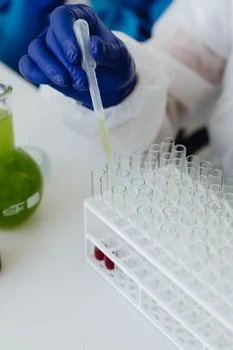
Hospital wastewater is a complex and highly variable stream, distinct from municipal sewage due to its unique contaminant profile. Influent characteristics from an EPD Punjab 2023 survey of healthcare facilities reveal typical ranges: Biochemical Oxygen Demand (BOD) between 300–800 mg/L, Chemical Oxygen Demand (COD) from 300–1,200 mg/L, and Total Suspended Solids (TSS) ranging from 200–800 mg/L. Pathogen loads are exceptionally high, with fecal coliform counts typically between 106–108 CFU/100 mL, far exceeding typical municipal wastewater levels. nutrient concentrations are significant, with ammonia levels from 20–100 mg/L and phosphorus from 5–20 mg/L.
A critical distinguishing factor of hospital effluent is the presence of pharmaceutical residues and heavy metals. A 2022 Faisalabad study detected ciprofloxacin (0.5–5 µg/L), paracetamol (10–50 µg/L), and antibiotics like metronidazole (1–10 µg/L) in 80% of hospital wastewater samples. These compounds are often resistant to conventional biological treatment. Heavy metals, originating primarily from diagnostic laboratories, dental clinics, and radiology departments, include lead (0.1–0.5 mg/L), mercury (0.01–0.05 mg/L), and chromium (0.05–0.2 mg/L), as highlighted by a 2023 Karachi hospital study. These metals pose significant environmental and health risks and require specialized removal techniques.
Variability in wastewater volume and characteristics also exists between different types of healthcare facilities. Private hospitals typically generate 5–8 m³/100 beds/day, while larger public hospitals, due to higher patient occupancy, extended stays, and larger laundry volumes, often produce 12–15 m³/100 beds/day. Understanding these specific contaminant profiles is paramount for selecting and designing an effective wastewater treatment plant cost Pakistan solution that achieves the required BOD COD removal hospital wastewater targets and addresses pharmaceutical wastewater treatment challenges.
| Parameter | Typical Influent Range (EPD Punjab 2023) | Primary Source |
|---|---|---|
| BOD | 300–800 mg/L | Organic waste, human waste |
| COD | 300–1,200 mg/L | Organic waste, chemicals, pharmaceuticals |
| TSS | 200–800 mg/L | Feces, food waste, laundry lint |
| Fecal Coliform | 106–108 CFU/100 mL | Human waste, infectious materials |
| Ammonia | 20–100 mg/L | Urine, cleaning agents |
| Phosphorus | 5–20 mg/L | Detergents, human waste |
| Ciprofloxacin | 0.5–5 µg/L | Patient excretion, unused medication disposal |
| Paracetamol | 10–50 µg/L | Patient excretion, unused medication disposal |
| Lead | 0.1–0.5 mg/L | Diagnostic labs, dental offices |
| Mercury | 0.01–0.05 mg/L | Dental amalgam, broken thermometers |
| Chromium | 0.05–0.2 mg/L | Lab reagents, sterilization processes |
Treatment Technologies Compared: MBR vs. DAF vs. Chemical Dosing for Pakistani Hospitals
Selecting the optimal wastewater treatment technology for hospitals in Pakistan requires a comprehensive evaluation of removal efficiencies, capital expenditure (CAPEX), operational expenditure (OPEX), and suitability for specific effluent characteristics and regulatory demands. Three primary technologies are widely considered: Membrane Bioreactors (MBR), Dissolved Air Flotation (DAF), and Chemical Dosing with sedimentation. Each offers distinct advantages for achieving Punjab EPD 2025 compliance.
-
MBR (Membrane Bioreactor): MBR systems integrate biological treatment with membrane filtration, offering superior effluent quality. They achieve COD removal of 95–98%, BOD removal of 98–99%, and exceptional fecal coliform removal of 99.999% (log 5), making the effluent suitable for reuse. The compact design of an MBR system for hospital effluent with reuse-quality discharge requires approximately 60% less footprint than conventional activated sludge systems. CAPEX for a 50 m³/day MBR plant is Rs18–25M, with OPEX ranging from Rs1.2–1.8/m³, primarily influenced by membrane replacement costs every 5–7 years and energy for aeration and permeate pumping. MBR is ideal for hospitals prioritizing high effluent quality, minimal footprint, and potential water reuse.
-
DAF (Dissolved Air Flotation): DAF systems are highly effective for removing fats, oils, grease (FOG), and suspended solids, making them particularly suitable for hospitals with significant kitchen or laundry wastewater contributions. A high-efficiency DAF system for hospital effluent with high FOG content achieves COD removal of 85–92%, BOD removal of 80–88%, and TSS removal of 90–95%. CAPEX for a 50 m³/day DAF unit is Rs8–12M. OPEX is Rs0.8–1.2/m³, with chemical costs (coagulants, flocculants) contributing Rs0.3–0.5/m³. DAF is an excellent primary or secondary treatment option for robust solids and FOG removal, often preceding biological treatment or as a polishing step for certain industrial effluents within a hospital.
-
Chemical Dosing + Sedimentation: This conventional approach utilizes chemical coagulants and flocculants followed by sedimentation to remove suspended solids and some dissolved contaminants. It achieves COD removal of 70–80%, BOD removal of 65–75%, and TSS removal of 85–90%. CAPEX for a 50 m³/day system is Rs5–9M, representing the lowest initial investment. OPEX is Rs0.6–1.0/m³, with lime/polymer costs at Rs0.2–0.4/m³. While offering a lower entry cost, this method requires skilled operators for precise pH adjustment and chemical management, and its effluent quality may necessitate further treatment to meet stringent Punjab EPD 2025 standards, particularly for pathogen and pharmaceutical removal.
-
Hybrid Systems: For enhanced performance and specific contaminant removal, hybrid systems combine these technologies. For instance, an MBR system coupled with ozone can achieve superior pharmaceutical removal, incurring an additional Rs0.4–0.6/m³ in OPEX. Alternatively, a DAF system followed by an on-site chlorine dioxide disinfection for hospital wastewater offers robust disinfection, adding Rs0.2–0.3/m³ to OPEX. These integrated solutions provide flexibility to meet the complex demands of hospital wastewater treatment in Pakistan.
| Technology | Key Advantages | COD Removal | BOD Removal | Fecal Coliform Removal | CAPEX (50 m³/day) | OPEX (per m³) |
|---|---|---|---|---|---|---|
| MBR | High effluent quality, small footprint, water reuse potential | 95–98% | 98–99% | 99.999% (log 5) | Rs18–25M | Rs1.2–1.8 |
| DAF | Excellent FOG/TSS removal, robust for variable influent | 85–92% | 80–88% | N/A (requires disinfection) | Rs8–12M | Rs0.8–1.2 |
| Chemical Dosing + Sedimentation | Lowest initial CAPEX, simple operation for basic treatment | 70–80% | 65–75% | N/A (requires disinfection) | Rs5–9M | Rs0.6–1.0 |
Step-by-Step Engineering Process for Hospital Wastewater Treatment

Effective hospital wastewater treatment requires a carefully engineered multi-stage process to address the diverse and hazardous contaminants present in medical effluent. The following steps outline a typical treatment train, incorporating specific process parameters and HydropureWater equipment series for optimal performance and Punjab EPD 2025 compliance.
- Pretreatment: The initial stage involves removing large solids to protect downstream equipment. A rotary bar screen (GX series) is employed to remove rags, plastics, syringes, and other solids greater than 6 mm. This prevents clogging and damage to pumps and biological reactors. Screenings disposal typically amounts to 0.5–1.0 kg/100 m³ of treated wastewater, which requires proper handling (e.g., landfill or incineration).
- Primary Treatment: Following screening, primary sedimentation aims to remove settleable solids and a portion of the organic load. A sedimentation tank, often a lamella clarifier for increased efficiency, provides a 2–3 hour retention time. This stage achieves 50–70% TSS removal and 25–35% BOD removal. Sludge production is approximately 0.1–0.2 kg TSS per kg BOD removed.
- Secondary Biological Treatment: This is the core stage for BOD COD removal hospital wastewater. An Anoxic/Oxic (A/O) process, often integrated into a compact A/O biological treatment system for hospitals (WSZ series), is highly effective. In the anoxic zone, denitrification occurs, removing nitrates. The oxic zone, with Mixed Liquor Suspended Solids (MLSS) maintained at 3,000–5,000 mg/L and an F/M ratio of 0.1–0.3 kg BOD/kg MLSS/day, facilitates aerobic biodegradation of organic matter. Aeration power consumption typically ranges from 0.3–0.5 kWh/m³ of treated wastewater.
- Tertiary Treatment: Depending on discharge requirements and desired effluent quality, tertiary treatment provides further purification. An MBR (DF series) with 0.1 µm membranes is highly effective for pathogen removal and achieving reuse-quality effluent, operating at a flux of 15–25 LMH. Alternatively, a DAF can be used, particularly for high FOG removal, with a loading rate of 5–10 m/h.
- Disinfection: To eliminate remaining pathogens, disinfection is critical for hospital wastewater disinfection. An on-site chlorine dioxide generator is a robust choice, achieving 99.99% pathogen kill with a dosage of 2–5 mg/L and a contact time of 30 minutes. Ozone is another effective alternative, requiring dosages of 3–8 mg/L and 10–15 minutes contact time for similar disinfection efficacy.
- Sludge Handling: The treatment process generates sludge, which requires dewatering and proper disposal. A plate and frame filter press (available in sizes from 1 m² to 500 m²) can dewater sludge to 20–30% dry solids, achieving a sludge volume reduction of 70–80%. For more detailed insights into this stage, refer to our guide on the sludge dewatering process for hospital wastewater treatment.
CAPEX and OPEX Breakdown: Costs for Pakistani Hospitals by Size
The total investment for a hospital wastewater treatment plant cost Pakistan varies significantly based on hospital size, required treatment level, and chosen technology. Understanding both Capital Expenditure (CAPEX) and Operational Expenditure (OPEX) is crucial for budget planning, particularly for public versus private healthcare facilities. HydropureWater analysis indicates a clear cost structure for different scales of operation.
- 50-bed private clinic (5 m³/day): For smaller facilities, a compact solution like a WSZ series A/O package plant with disinfection is often sufficient. CAPEX is approximately Rs3.2M. OPEX is around Rs1.1/m³, translating to an estimated monthly cost of Rs1,650 (based on 30 days/month operation). For more insights into smaller scale solutions, consider wastewater treatment solutions for small clinics and dental offices.
- 200-bed public hospital (30 m³/day): A robust system, such as MBR combined with ozone for advanced treatment and pharmaceutical removal, is typically required. CAPEX for such a system is around Rs18M. OPEX is estimated at Rs1.5/m³, leading to a monthly cost of Rs13,500.
- 500-bed teaching hospital (75 m³/day): Large facilities often require a comprehensive solution involving DAF for primary solids/FOG removal, followed by MBR for high-quality effluent, and chlorine dioxide for final disinfection. CAPEX can reach Rs45M. OPEX is approximately Rs1.3/m³, resulting in a monthly cost of Rs29,250.
Public hospital funding in Pakistan often benefits from government initiatives. The Punjab government's 2025 grant, for instance, allocated Rs309M for 10 hospitals, with a maximum of Rs30M per hospital, specifically for wastewater treatment upgrades (EPD Punjab circular). Private hospitals, conversely, typically rely on self-funding or commercial bank loans, which currently carry interest rates of 12–15%. For a typical 50 m³/day system, the OPEX breakdown is generally: electricity (40% or Rs0.5/m³), chemicals (30% or Rs0.4/m³), labor (15% or Rs0.2/m³), and maintenance (15% or Rs0.2/m³). These figures provide a clear financial outlook for Pakistan wastewater treatment equipment procurement.
| Hospital Size (Beds) | Capacity (m³/day) | Recommended Technology | Estimated CAPEX | Estimated OPEX (per m³) | Estimated Monthly OPEX |
|---|---|---|---|---|---|
| 50 (Private Clinic) | 5 | WSZ Series A/O + Disinfection | Rs3.2M | Rs1.1 | Rs1,650 |
| 200 (Public Hospital) | 30 | MBR + Ozone | Rs18M | Rs1.5 | Rs13,500 |
| 500 (Teaching Hospital) | 75 | DAF + MBR + ClO₂ | Rs45M | Rs1.3 | Rs29,250 |
How to Select the Right Treatment System for Your Hospital
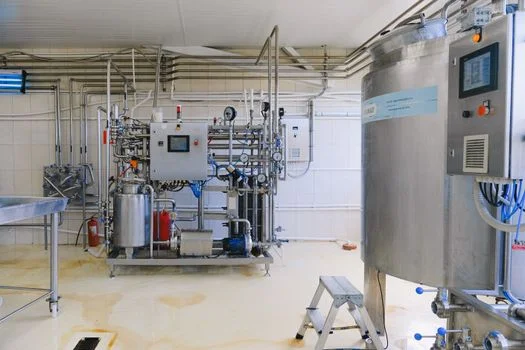
Selecting the optimal wastewater treatment system for a hospital in Pakistan requires a structured decision framework that considers influent characteristics, regulatory compliance, budget constraints, and operational practicalities. This systematic approach ensures that the chosen Pakistan wastewater treatment equipment not only meets current EPD Punjab 2025 standards but also provides long-term, cost-effective operation.
- Step 1: Assess Influent Quality. Begin by thoroughly characterizing your hospital's raw wastewater. Analyze parameters such as BOD, COD, TSS, fecal coliform, ammonia, and crucially, pharmaceutical residues and heavy metals. Use the table in the 'Hospital Wastewater Characteristics' section to benchmark your facility's specific influent profile. This initial assessment is fundamental for identifying the contaminants that require targeted removal.
- Step 2: Determine Discharge Requirements. Clearly define your discharge goals. Are you aiming for direct discharge into a municipal sewer, surface water, or planning for water reuse (e.g., for irrigation or cooling)? MBR systems are typically required for achieving reuse-quality effluent, which often demands BOD ≤10 mg/L and stringent pathogen removal. Understanding these targets dictates the necessary treatment intensity.
- Step 3: Evaluate CAPEX vs. OPEX Trade-offs. Analyze your budget for both initial capital investment (CAPEX) and ongoing operational costs (OPEX). MBR systems generally have a higher CAPEX but offer lower OPEX due to reduced chemical consumption and superior automation. Conversely, systems like DAF or chemical dosing may have lower CAPEX but incur higher OPEX due to recurring chemical purchases and sludge disposal costs. Balance your immediate financial capacity with long-term operational sustainability.
- Step 4: Consider Footprint. Space availability is a critical factor, especially for urban hospitals. MBR systems are known for their compact design, often requiring 60% less space than conventional A/O + clarifier systems for similar capacities. Underground integrated systems, such as the WSZ series, also minimize above-ground footprint. Evaluate your available land for the wastewater treatment plant to determine feasible technology options.
- Step 5: Plan for Future Expansion. Anticipate potential increases in hospital capacity or stricter future regulations. Opt for modular treatment systems for scalable hospital wastewater solutions that allow for easy expansion without a complete redesign. Modular units, like those in the WSZ series, enable capacity increases in 10 m³/day increments, providing flexibility and future-proofing your investment. For more information on scalable solutions, refer to our guide on modular sewage treatment systems.
Frequently Asked Questions
Here are concise, data-backed answers to common questions from Pakistani hospital managers and environmental engineers regarding hospital wastewater treatment.
- Q: What are the penalties for non-compliance with Punjab EPD wastewater standards?
A: Fines up to Rs500,000 per violation are imposed under Section 17 of the Environment Protection Act 2012. In 2024, EPD Punjab issued 12 fines totaling Rs3.2M to hospitals in Lahore and Faisalabad for non-compliance. - Q: Can hospital wastewater be reused for irrigation or cooling?
A: Yes, but only if treated to reuse standards: BOD ≤10 mg/L, COD ≤50 mg/L, and fecal coliform ≤200 CFU/100 mL. MBR systems are designed to achieve these stringent quality parameters, while DAF systems typically require additional tertiary filtration. - Q: How much space does a hospital wastewater treatment plant need?
A: Compact WSZ series underground systems require 2–5 m²/10 m³/day capacity. MBR systems need 1–3 m²/10 m³/day due to their smaller footprint. For a 50 m³/day system, plan for an area of 10–25 m². - Q: What’s the lifespan of hospital wastewater treatment equipment?
A: MBR membranes typically last 5–7 years before replacement. DAF systems have a lifespan of 10–15 years, and chemical dosing pumps usually last 8–12 years. Annual maintenance costs are generally 3–5% of the initial CAPEX. - Q: Are there government grants for hospital wastewater treatment in Pakistan?
A: Yes, the Punjab government’s 2025 grant provides up to Rs30M per hospital for wastewater treatment upgrades. Applications are open until December 2025, as per an EPD Punjab circular, to support facilities in achieving compliance.