Why Rajasthan Needs Packaged Wastewater Treatment Plants: Challenges and Opportunities
Rajasthan faces a critical juncture regarding water management and industrial compliance. With only 1% of India’s water resources spread across 10% of its landmass (CWC 2023 data), water scarcity is not an abstract concept but a daily reality for its burgeoning industrial sectors and growing population. The textile hubs of Jaipur and Bhilwara, alongside the food processing industries in Jodhpur and Bikaner, contribute significantly to the state's effluent discharge, with over 300 MLD of untreated wastewater generated annually (Rajasthan PCB 2024 report). This situation is exacerbated by mounting regulatory pressure; in 2023 alone, the Rajasthan State Pollution Control Board (SPCB) saw a 40% increase in fines levied against non-compliant industries, with penalties ranging from ₹5 to ₹10 lakhs per violation for exceeding BOD and TSS limits.
However, this challenge presents a substantial opportunity for adopting advanced, compact solutions. Treated wastewater offers a viable alternative to freshwater, with the potential to offset 30–50% of industrial freshwater demand for applications like cooling towers and irrigation. The success of projects like the Surpura 90 MLD plant, which treats water for municipal reuse, underscores this potential. Packaged wastewater treatment plants are uniquely positioned to address Rajasthan’s specific needs. Their pre-engineered design allows for rapid deployment, significantly reducing installation timelines compared to conventional, site-built facilities. Crucially, their compact footprint, often 60% smaller than traditional plants, makes them ideal for land-constrained industrial areas. These systems are designed for high-efficiency pollutant removal, ensuring immediate compliance with stringent discharge standards and unlocking the economic benefits of water reuse.
How Packaged Wastewater Treatment Plants Work: Process Breakdown and Key Technologies
Packaged wastewater treatment plants operate as self-contained units, integrating multiple treatment stages into a single, compact system. The process typically begins with screening to remove larger solids. This is followed by primary sedimentation, where suspended solids settle out by gravity. The heart of the system lies in the biological treatment stage, where microorganisms break down dissolved organic pollutants. Two primary biological technologies are commonly employed: Anoxic/Oxic (AO) systems and Membrane Bioreactor (MBR) systems. AO systems utilize alternating aerobic (oxygen-present) and anoxic (oxygen-absent) zones to promote nitrification and denitrification, achieving approximately 90% BOD and 85% TSS removal. In contrast, MBR systems integrate biological treatment with membrane filtration, offering superior removal efficiencies of up to 98% BOD and 99% TSS, while also effectively removing pathogens.
Following biological treatment, tertiary filtration further refines the effluent. Dissolved Air Flotation (DAF) systems, like the DAF machines, are particularly effective for removing oils, greases, and suspended solids, achieving up to 95% FOG removal. Multimedia filters are employed when very low Silt Density Index (SDI) is required, typically below 3, for downstream processes like Reverse Osmosis (RO) water reuse. Disinfection is the final critical step to neutralize any remaining pathogens. For Rajasthan’s high Total Dissolved Solids (TDS) water, chlorine dioxide generators, such as the HydropureWater ClO₂ generator, are often preferred over UV disinfection, as chlorine dioxide is less affected by turbidity and high TDS. Advanced automation, including PLC-controlled chemical dosing and SCADA integration, ensures optimal performance and allows for remote monitoring and control, crucial for managing treatment parameters like Hydraulic Retention Time (HRT) and Solids Retention Time (SRT) within typical Rajasthan ambient temperatures of 30–45°C, and maintaining desired Mixed Liquor Suspended Solids (MLSS) concentrations.
| Treatment Stage | Key Technologies | Typical Removal Efficiency (BOD/TSS) | Notes for Rajasthan |
|---|---|---|---|
| Screening | Bar screens, Grit chambers | N/A (Solids Removal) | Essential for protecting downstream equipment from debris. |
| Primary Sedimentation | Settling tanks | 20-30% BOD, 40-50% TSS | Prepares water for biological treatment, reducing load. |
| Biological Treatment | AO (Anoxic/Oxic), MBR (Membrane Bioreactor) | AO: ~90% BOD, ~85% TSS MBR: ~98% BOD, ~99% TSS |
MBR offers higher quality effluent for reuse; AO is more cost-effective for general discharge. |
| Tertiary Filtration/Polishing | DAF, Multimedia filters, Sand filters | DAF: ~95% FOG, ~80% TSS Multimedia: SDI < 3 |
DAF crucial for food processing; multimedia essential for RO pre-treatment. |
| Disinfection | Chlorine Dioxide, UV, Ozone | Pathogen inactivation | Chlorine Dioxide is robust in high TDS; UV effectiveness can be reduced. |
| Sludge Management | Thickeners, Dewatering (e.g., filter press) | N/A (Volume Reduction) | Proper disposal required by PCB; sludge volume varies by technology. |
Technical Specifications: Comparing MBR, DAF, and Integrated Systems for Rajasthan’s Conditions
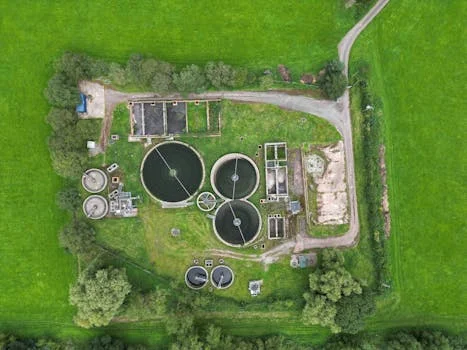
Selecting the appropriate packaged wastewater treatment technology hinges on influent characteristics, desired effluent quality, and operational considerations specific to Rajasthan. Membrane Bioreactor (MBR) systems, such as the MBR Membrane Bioreactor Wastewater Treatment System, excel in achieving consistently high effluent quality, with BOD removal rates of up to 98% and TSS removal up to 99%. Their compact design, typically requiring 150–250 m² for a 50 m³/h unit, makes them ideal for industrial applications with stringent discharge or reuse mandates. However, MBR systems can be more energy-intensive and require periodic membrane replacement, usually every 5–7 years. The maintenance of MBR membranes is critical, especially in Rajasthan's hard water conditions, where TDS can range from 1,000–3,000 mg/L, potentially leading to scaling. Strategies like regular backwashing and chemical cleaning are vital to mitigate this.
Dissolved Air Flotation (DAF) systems, like the DAF machine, are primarily designed for efficient removal of oils, greases, and suspended solids, with FOG removal rates up to 95%. They are well-suited for pre-treatment in food processing industries or for municipal wastewater with high FOG content, requiring a footprint of 100–150 m² for a similar capacity. DAF systems require regular servicing of air compressors, typically quarterly. Integrated systems, such as the WSZ Series underground integrated sewage treatment plant, offer a balanced approach, combining biological treatment with tertiary filtration in a single unit, suitable for municipal sewage and general industrial wastewater. They are cost-effective and require less specialized maintenance. Climate considerations are important: while MBR membranes (often PVDF) can tolerate temperatures up to 45°C, DAF systems experience a 15% drop in air solubility at temperatures above 40°C, necessitating adjustments in saturation pressure to maintain performance. Energy consumption varies, with MBR typically consuming 1.0–1.5 kWh/m³, DAF around 0.5–0.8 kWh/m³, and integrated systems falling between 0.7–1.2 kWh/m³. Sludge production also differs, with MBR generally producing less sludge per volume of treated water compared to conventional biological processes.
| Parameter | MBR System | DAF System | Integrated System (WSZ Series) |
|---|---|---|---|
| Primary Application | High-strength organic wastewater, strict reuse standards | FOG & TSS removal, pre-treatment | Municipal sewage, general industrial wastewater |
| BOD Removal Efficiency | 95-98% | N/A (Primary focus on FOG/TSS) | 85-95% |
| TSS Removal Efficiency | 98-99% | 80-95% | 90-97% |
| FOG Removal Efficiency | Good | 90-95% | Moderate |
| Footprint (approx. for 50 m³/h) | 200-300 m² | 100-150 m² | 150-250 m² |
| Energy Use (kWh/m³) | 1.0 - 1.5 | 0.5 - 0.8 | 0.7 - 1.2 |
| Sludge Production (kg/m³) | 0.3 - 0.5 | 0.5 - 0.8 | 0.4 - 0.6 |
| Typical CAPEX (₹/m³/h) | ₹60,000 - ₹80,000 | ₹40,000 - ₹60,000 | ₹30,000 - ₹50,000 |
| Maintenance | Membrane cleaning/replacement (5-7 yrs) | Air compressor servicing (quarterly) | Standard equipment maintenance |
| Rajasthan Climate Impact | Membrane scaling potential (TDS) | Reduced air solubility at high temps | Standard operational range |
Cost Breakdown: CAPEX, OPEX, and ROI for Packaged Plants in Rajasthan
The financial viability of a packaged wastewater treatment plant in Rajasthan is a critical consideration for procurement managers and facility operators. Capital Expenditure (CAPEX) for packaged plants varies significantly based on technology and capacity. For instance, a 10 m³/h integrated system (like the WSZ Series) can range from ₹12 to ₹25 lakhs, including basic civil works within the current Rajasthan market. A higher-capacity MBR system for 50 m³/h, offering superior effluent quality, might cost between ₹20 to ₹40 lakhs. Operational Expenditure (OPEX) is a continuous cost that must be factored in. This includes energy consumption, which typically falls between ₹0.8 to ₹1.5 per cubic meter of treated water, depending on the chosen technology and plant efficiency. Chemical costs, primarily for disinfection and pH adjustment, can range from ₹0.3 to ₹0.7 per cubic meter. For MBR systems, the periodic membrane replacement, estimated at ₹2 to ₹4 lakhs every 5 years, is a significant long-term OPEX item.
The Return on Investment (ROI) for packaged plants in Rajasthan is primarily driven by water reuse savings. In water-scarce regions like Jaipur and Jodhpur, freshwater can cost between ₹30 to ₹50 per cubic meter. By treating and reusing wastewater, industries can achieve substantial savings, leading to an ROI typically between 2 to 4 years. It is crucial to account for potential hidden costs, such as land lease charges, which can range from ₹5 to ₹10 lakhs per acre in industrial zones, and Rajasthan PCB approval fees, typically ₹2 to ₹5 lakhs, depending on the project scope. A practical case study from Bhilwara, where a 30 m³/h textile plant adopted a packaged system, demonstrated a recoupment of its initial CAPEX within 3.2 years, primarily due to achieving 40% water reuse and avoiding significant discharge fines. This highlights the dual economic benefits of cost savings and regulatory compliance.
| Cost Component | Typical Range (10 m³/h Integrated System) | Typical Range (50 m³/h MBR System) | Notes for Rajasthan |
|---|---|---|---|
| CAPEX (Plant & Basic Civil) | ₹12 - 25 Lakhs | ₹20 - 40 Lakhs | Includes pre-engineered unit, installation, basic civil work. |
| OPEX (Energy) | ₹0.8 - 1.5 / m³ | ₹1.0 - 1.5 / m³ | Electricity tariffs and plant efficiency impact this. |
| OPEX (Chemicals) | ₹0.3 - 0.7 / m³ | ₹0.3 - 0.7 / m³ | Primarily for disinfection and pH adjustment. |
| OPEX (Membrane Replacement - MBR) | N/A | ₹2 - 4 Lakhs (per 5 years) | Significant long-term cost for MBR systems. |
| OPEX (Maintenance & Spares) | ₹0.1 - 0.3 / m³ | ₹0.1 - 0.3 / m³ | Covers routine servicing and minor part replacements. |
| Water Reuse Savings | ₹30 - 50 / m³ | ₹30 - 50 / m³ | Direct reduction in freshwater procurement costs. |
| ROI Period | 2 - 4 Years | 2 - 4 Years | Achieved through savings and avoided penalties. |
| Hidden Costs (Land Lease) | ₹5 - 10 Lakhs / Acre (Industrial Zones) | ₹5 - 10 Lakhs / Acre (Industrial Zones) | Varies by location within Rajasthan. |
| Hidden Costs (PCB Approvals) | ₹2 - 5 Lakhs | ₹2 - 5 Lakhs | Covers NOC and Consent to Operate fees. |
Rajasthan PCB Compliance: Discharge Limits, Approval Process, and Common Pitfalls
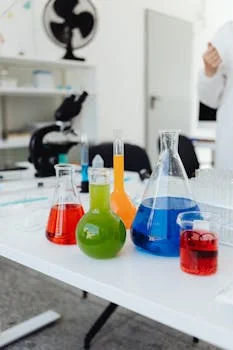
Navigating the Rajasthan State Pollution Control Board (SPCB) regulations is paramount for any industry operating a wastewater treatment plant. The 2025 discharge limits are designed to protect the state's precious water resources and promote water reuse. Key parameters include a maximum BOD of 30 mg/L and a maximum TSS of 50 mg/L for general discharge. For industrial reuse, these limits are often more stringent, with BOD <30 mg/L and TSS <50 mg/L, alongside pH requirements between 6.5–8.5 and fecal coliform levels below 1,000 MPN/100mL. The approval process typically involves submitting a detailed site plan and obtaining a No Objection Certificate (NOC), which can take 30–60 days. Following installation, a trial run of approximately 90 days is required before a final Consent to Operate (CTO) is issued.
Several common pitfalls can lead to non-compliance and penalties. High TDS levels, often a challenge in Rajasthan's textile industry due to dye chemicals, can exceed permissible limits even after biological treatment. Residual chlorine from disinfection processes, if not managed properly, can also lead to violations. Inadequate sludge disposal is another significant issue; PCB regulations mandate that sludge must be disposed of only at authorized landfills, and unauthorized dumping incurs severe penalties. According to 2023 enforcement data, violations can result in fines of ₹5–10 lakhs per offense, coupled with potential plant shutdowns. To ensure ongoing compliance, industries must maintain meticulous daily operational logs, conduct regular third-party laboratory testing of treated effluent, and be prepared to document their treatment processes effectively. Understanding how Goa’s packaged plant regulations compare to Rajasthan’s can provide further context on evolving environmental standards.
| Parameter | Rajasthan PCB 2025 Limits (Industrial Reuse) | Typical Packaged Plant Performance | Common Pitfalls & Mitigation |
|---|---|---|---|
| BOD (mg/L) | < 30 | MBR: < 15; AO: < 30 | Under-sized biological stage; insufficient aeration. Ensure adequate HRT/SRT. |
| TSS (mg/L) | < 50 | MBR: < 10; AO: < 50 | Ineffective primary sedimentation or tertiary filtration. Utilize DAF or multimedia filters. |
| pH | 6.5 - 8.5 | Typically 6.5 - 8.0 | Requires automated pH monitoring and dosing. |
| Fecal Coliform (MPN/100mL) | < 1,000 | MBR: < 100; Post-disinfection: < 10 | Inadequate disinfection; consider Chlorine Dioxide for robustness. |
| Total Dissolved Solids (TDS) (mg/L) | Varies by sector, often < 2,000 for reuse | MBR/DAF do not significantly reduce TDS | Challenging in Rajasthan; RO may be required for very strict reuse. |
| Oils & Grease (mg/L) | < 10 (for general discharge) | DAF: < 5 | Essential for food processing; DAF is highly effective. |
| Sludge Disposal | Authorized landfills only | Sludge volume depends on technology | Contract with authorized disposal agencies; proper characterization. |
Selecting a Supplier: 7 Critical Questions to Ask Before Purchasing a Packaged Plant
Choosing the right supplier for a packaged wastewater treatment plant is as crucial as selecting the technology itself. A robust vendor evaluation process can prevent costly mistakes and ensure long-term operational success. Here are seven critical questions to pose to potential suppliers: 1. Can you provide a pilot test for our specific influent? This is particularly vital for industries with complex wastewater, such as textile dyeing or food processing, where influent characteristics can vary significantly. Pilot testing allows for validation of treatment efficacy and system design before full-scale investment. 2. What is the estimated lead time for delivery and installation in Rajasthan? Factor in potential delays, especially during the monsoon season. Typical lead times range from 3 to 6 months, but understanding the supplier's logistics and project management is key. 3. Do you offer comprehensive on-site operator training? Given Rajasthan's potential shortage of skilled labor for specialized equipment, thorough training is essential for day-to-day operations and basic troubleshooting. 4. What is the warranty period and coverage for critical components like membranes or DAF air compressors? Look for warranties that align with industry standards, such as 5 years for MBR membranes and 2 years for DAF air compressors. 5. Can you provide references from similar industries in Rajasthan? Speaking with existing clients in comparable sectors (textile, food processing, or municipal) provides invaluable insights into the supplier's reliability and product performance in the local context.
6. How do you assist with or advise on sludge disposal protocols? Sludge management is a significant regulatory concern. A good supplier will offer guidance on compliant disposal methods and potentially connect you with authorized service providers. 7. What is your guaranteed plant uptime? For industrial applications, a minimum uptime of 95% is generally expected to ensure uninterrupted operations. This question assesses the supplier's confidence in their equipment's reliability and their after-sales support commitment. Considering these questions will help you make an informed decision and avoid common procurement pitfalls, ensuring your investment in a packaged wastewater treatment plant delivers optimal results. For further insight into similar projects, consider exploring Industrial Wastewater Treatment in Chhattisgarh to understand regional approaches.
Frequently Asked Questions
Q: What is the L&T water project in Rajasthan?
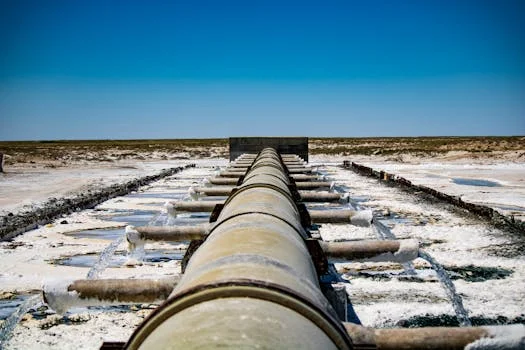
A: The L&T water project at Surpura, Rajasthan, is a 90 MLD water treatment plant designed for municipal water supply using conventional treatment methods like coagulation, sedimentation, and filtration. It is distinct from packaged wastewater treatment plants, which are typically smaller (1–80 m³/h) and focused on industrial or municipal effluent treatment and reuse. Packaged plants are better suited for localized treatment needs and rapid deployment.
Q: What is a wastewater package plant?
A: A wastewater package plant is a pre-engineered, compact, and often skid-mounted or containerized system that integrates multiple wastewater treatment processes, such as biological treatment (AO or MBR) and tertiary filtration, into a single unit. They are designed for rapid installation, minimal civil work, and reduced operational complexity, making them ideal for industries and municipalities in water-scarce regions like Rajasthan.
Q: Which city in India has the best sewage system?
A: Cities like Surat and Navi Mumbai are often cited for their high sewage treatment coverage (over 95%). While Rajasthan's cities like Jaipur and Jodhpur are actively upgrading their infrastructure, they are increasingly leveraging packaged plants to accelerate compliance with reuse mandates and achieve faster treatment capacity expansion compared to traditional large-scale projects.
Q: Which organization in Jaipur manages the biomedical waste treatment facility?
A: The Rajasthan State Pollution Control Board (RSPCB) oversees the management of biomedical waste. However, wastewater generated from hospital operations (e.g., labs, sinks) falls under the purview of the Water Act and requires appropriate treatment. For hospitals, packaged plants must incorporate advanced disinfection methods like ozone or chlorine dioxide (HydropureWater) to handle potentially hazardous contaminants.
Q: How much land is needed for a 50 m³/h packaged plant in Rajasthan?
A: The land requirement varies by technology. An integrated system (like the WSZ Series) typically needs 150–250 m². An MBR system might require 200–300 m² due to ancillary equipment, while a DAF system, if primarily for FOG removal, could need as little as 100–150 m². Installing the system underground can reduce the surface footprint by up to 40%.