Package Wastewater Treatment Plant in Goa India: 2025 Technical Guide, Costs & Compliance
A package wastewater treatment plant in Goa must balance Goa PCB’s strict discharge limits (BOD < 30 mg/L, TSS < 100 mg/L) with site constraints like high groundwater tables or limited space. In 2025, three systems dominate the market: SBR (Sequencing Batch Reactor), MBR (Membrane Bioreactor), and underground integrated plants. SBR systems, like SUSBIO’s ECOTREAT, achieve 90–95% BOD removal with dual anaerobic/aerobic processes but require 4–6 hour cycles. MBR systems, such as HydropureWater’s WSZ series, deliver near-reuse-quality effluent (<1 μm filtration) in 60% less space but cost 20–30% more upfront. Underground plants, like HECS’s 100 KLD Porvorim installation, are ideal for landscaped sites but demand precise civil engineering. This guide compares these systems, provides 2025 cost benchmarks (capex: ₹8–15 lakhs/KLD; opex: ₹0.8–1.5/kL), and maps each to Goa’s compliance requirements for a package wastewater treatment plant in Goa India.
Why Goa’s Wastewater Treatment Needs Are Unique: Climate, Regulations, and Site Constraints
Goa’s unique confluence of a pronounced monsoon climate, high groundwater tables, and stringent Goa PCB discharge limits significantly complicates package wastewater treatment plant selection and design. The annual monsoon season, which typically spans from June to September, dramatically impacts influent flow rates for sewage treatment plants (STPs), often increasing them by 30–50% due to stormwater infiltration into sewage networks. This surge capacity requirement is critical; projects in areas like Porvorim have demonstrated that inadequate equalization can lead to plant overloading and non-compliance during peak rainfall (HydropureWater field data, 2024).
High groundwater tables, particularly prevalent in coastal regions such as Panjim and Margao, present considerable challenges for conventional above-ground STP installations. These conditions necessitate robust civil engineering solutions, including extensive waterproofing and anti-buoyancy measures, or favor compact, integrated underground systems. HydropureWater’s WSZ series underground STP for Goa’s high groundwater areas, for instance, are specifically designed to mitigate these issues by minimizing above-ground footprint and incorporating structural integrity for submerged conditions.
the Goa State Pollution Control Board (Goa PCB) enforces specific 2023 discharge limits that are often stricter than national Central Pollution Control Board (CPCB) standards for several parameters. For instance, Goa PCB mandates BOD < 30 mg/L, COD < 250 mg/L, and TSS < 100 mg/L for treated wastewater before discharge. Meeting these stringent parameters, especially for BOD and coliforms, frequently necessitates advanced treatment technologies like Membrane Bioreactors (MBR) or advanced Sequencing Batch Reactor (SBR) systems with tertiary polishing.
Space constraints are another critical factor, particularly in densely populated tourist-heavy areas like Calangute and Baga, where land availability is limited and expensive. This drives demand for compact package plants. MBR systems, with their superior effluent quality and smaller footprint, are often preferred, requiring as little as 0.5 m²/KLD compared to 1.2 m²/KLD for conventional activated sludge systems. Underground plants also offer significant advantages by allowing the surface area to be utilized for landscaping or other amenities, making them ideal for hotels, resorts, and residential complexes seeking aesthetic integration. Understanding these unique challenges is the first step toward selecting a compliant and sustainable package wastewater treatment plant in Goa India.
| Parameter | Conventional Activated Sludge | SBR System | MBR System | Underground Integrated Plant |
|---|---|---|---|---|
| Typical Footprint (m²/KLD) | 1.2 - 1.5 | 0.8 - 1.0 | 0.4 - 0.6 | 0.6 - 0.8 (surface area) |
| Groundwater Suitability | Low (requires extensive civil works) | Moderate (requires civil works) | Moderate (requires civil works) | High (designed for submerged operation) |
| Monsoon Surge Capacity | Requires large equalization tank | Integrated equalization often sufficient | Requires equalization tank | Requires equalization tank |
| Aesthetic Impact | High (above ground) | Moderate (above ground) | Moderate (above ground) | Low (buried, landscaped) |
Package Wastewater Treatment Systems in Goa: SBR vs. MBR vs. Underground Integrated Plants
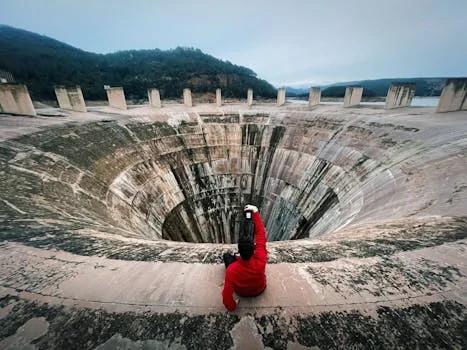
Selecting the optimal package wastewater treatment plant in Goa requires a detailed technical understanding of Sequencing Batch Reactor (SBR), Membrane Bioreactor (MBR), and underground integrated plant technologies. Each system offers distinct advantages and operational nuances suited to specific project requirements and site constraints in Goa.
Sequencing Batch Reactor (SBR)
SBR systems operate on a fill-and-draw principle, processing wastewater in batches rather than a continuous flow. The typical 5-stage cycle—fill, react (aeration), settle, decant, and idle—allows for flexible operation and superior treatment performance. Each cycle usually spans 4–6 hours, providing ample time for biological degradation. SBRs commonly achieve 90–95% BOD removal and are known for their energy efficiency, often demonstrating 30% lower power consumption compared to conventional continuous-flow activated sludge systems due to intermittent aeration. Their modular nature allows for easy expansion, making them suitable for projects with fluctuating flow rates, a key consideration for monsoon surge capacity for STP in Goa.
Membrane Bioreactor (MBR)
MBR technology integrates biological treatment with membrane filtration, typically using submerged PVDF (polyvinylidene fluoride) membranes with a pore size of approximately 0.1 μm. This ultra-filtration step effectively removes suspended solids, bacteria, and viruses, consistently achieving effluent quality with <10 mg/L TSS and near-reuse-quality water suitable for applications like irrigation or cooling towers. MBR systems offer significant footprint savings, often requiring 60% less space than conventional activated sludge plants, making them ideal for compact sites in tourist-heavy areas. While energy consumption for MBRs ranges from 0.6–1.2 kWh/m³ for aeration and filtration, the superior effluent quality and reduced sludge volume often offset the higher upfront cost. HydropureWater offers advanced HydropureWater’s MBR system for near-reuse-quality effluent in Goa, which are designed for robust performance in tropical climates like Goa’s. For a more detailed breakdown, refer to How Does a Membrane Bioreactor Work? Process, Efficiency & Industrial Applications.
Underground Integrated Plants (HydropureWater WSZ Series)
Underground integrated plants, such as HydropureWater’s WSZ series underground STP for Goa’s high groundwater areas, are designed as compact, buried units that combine anoxic/aerobic (A/O) biological processes with sedimentation and disinfection within a single structure. Their primary advantage lies in their minimal surface footprint, allowing for landscaping or other uses above the plant, which is highly desirable for hotels, resorts, and residential complexes in Goa. These systems typically feature high levels of automation, often requiring minimal daily operator intervention, reducing labor costs. They are available in a wide capacity range, from 1 to 80 m³/h, making them versatile for various project scales. A 100 KLD Porvorim installation, for example, demonstrates the efficacy of these systems in challenging environments, providing treated water for community park irrigation while remaining hidden from view.
| Feature | SBR (Sequencing Batch Reactor) | MBR (Membrane Bioreactor) | Underground Integrated Plant (WSZ Series) |
|---|---|---|---|
| Process Principle | Batch-wise activated sludge (Fill, React, Settle, Decant, Idle) | Biological treatment + Ultrafiltration membranes | Anoxic/Aerobic (A/O) biological treatment, sedimentation, disinfection |
| BOD Removal Efficiency | 90-95% | >95% | 85-90% |
| TSS in Effluent | <30 mg/L | <5 mg/L | <50 mg/L |
| Fecal Coliform Removal | Moderate (requires tertiary disinfection) | Excellent (membrane acts as barrier) | Moderate (requires tertiary disinfection) |
| Footprint Requirement | Moderate (0.8-1.0 m²/KLD) | Compact (0.4-0.6 m²/KLD) | Minimal surface (buried) |
| Energy Consumption | 0.8-1.2 kWh/m³ | 1.0-1.5 kWh/m³ (includes membrane aeration) | 0.7-1.0 kWh/m³ |
| Operator Skill Level | Moderate | Moderate to High (membrane care) | Low (highly automated) |
| Typical Application in Goa | Residential complexes, small hotels | Hotels, hospitals, resorts (for reuse) | Landscaped areas, community parks, villas |
Goa PCB Compliance: Discharge Limits, Monitoring, and System Selection
Adhering to Goa PCB’s stringent 2023 discharge limits is paramount for any wastewater treatment plant project in the state, necessitating careful system selection and robust monitoring protocols. The Goa PCB mandates specific treated wastewater quality parameters that are critical for environmental protection and public health. These include BOD < 30 mg/L, COD < 250 mg/L, TSS < 100 mg/L, and a fecal coliform count < 1,000 MPN/100 mL. While the BOD and TSS limits align with the CPCB’s national standards, the coliform limit, particularly for water reuse, often requires enhanced disinfection beyond conventional chlorination.
MBR systems consistently meet Goa’s stringent discharge limits due to their inherent <1 μm membrane filtration capability. This physical barrier effectively removes suspended solids, bacteria, and even some viruses, ensuring compliance with TSS, BOD, and often fecal coliform standards without extensive tertiary treatment. For projects requiring high-quality effluent for wastewater reuse in Goa hotels or residential complexes, HydropureWater’s MBR system proves to be a reliable choice. In contrast, SBR systems, while excellent for BOD/TSS removal, typically require additional tertiary treatment, such as sand filtration or UV disinfection, to meet coliform limits, especially for sensitive discharge locations or reuse applications. HydropureWater also provides HydropureWater’s ClO₂ generators for Goa PCB’s coliform limits, offering an effective disinfection solution.
Monitoring requirements for Goa PCB compliance are also rigorous. For plants with a capacity greater than 50 KLD, online sensors for pH, Dissolved Oxygen (DO), and turbidity are often mandatory, providing real-time data on effluent quality. Quarterly lab testing for BOD, COD, and TSS is also required, with reports submitted to the Goa State Pollution Control Board. IoT-enabled wastewater treatment Goa systems, like advanced AI-STP platforms, can automate compliance reporting, minimizing human error and ensuring timely data submission, thereby reducing the risk of penalties. For projects considering how package plants perform in India’s monsoon-prone regions, integrating IoT for real-time monitoring becomes even more valuable.
Common compliance failures in Goa often stem from operational issues. Overloading during the monsoon season, which can increase influent flow by 30-50%, led to penalties for 12% of Goa’s STPs in 2022 due to BOD/TSS violations (Goa PCB data, 2023). Inadequate sludge management, leading to poor decantation or nutrient imbalances, and insufficient disinfection are also frequent causes of non-compliance. Mitigation strategies include designing systems with adequate equalization tanks, implementing robust sludge dewatering processes, and utilizing advanced disinfection methods such as UV or chlorine dioxide generation.
| Parameter | Goa PCB 2023 Discharge Limit | CPCB National Standard | SBR Performance (Typical) | MBR Performance (Typical) | Underground Plant (Typical) |
|---|---|---|---|---|---|
| BOD (mg/L) | < 30 | < 30 | < 20 | < 10 | < 30 |
| COD (mg/L) | < 250 | < 250 | < 100 | < 50 | < 150 |
| TSS (mg/L) | < 100 | < 100 | < 30 | < 5 | < 50 |
| Fecal Coliform (MPN/100 mL) | < 1,000 | < 1,000 | 1,000 - 10,000 (needs tertiary) | < 100 | 1,000 - 5,000 (needs tertiary) |
2025 Cost Breakdown: Capex, Opex, and ROI for Package Plants in Goa
A comprehensive understanding of Capital Expenditure (Capex), Operational Expenditure (Opex), and Return on Investment (ROI) is crucial for evaluating package wastewater treatment plants in Goa for 2025. These financial benchmarks enable project developers, engineers, and procurement managers to budget accurately and compare the long-term economic viability of different systems.
Current Capex benchmarks for package plants in Goa (2025 data) vary significantly by technology. SBR systems typically range from ₹8–12 lakhs per KLD (Kilo Liters per Day) of treatment capacity. MBR systems, offering superior effluent quality and a smaller footprint, command a higher upfront investment, generally between ₹12–15 lakhs/KLD. Underground integrated plants, while minimizing surface disruption, require precise civil engineering and waterproofing, placing their Capex in the range of ₹10–14 lakhs/KLD. It is critical to note that civil works, including excavation, foundation, and structural components, often constitute 30–40% of the total project cost, with electrical integration and automation adding another substantial component to the overall package STP installation timeline.
Operational Expenditure (Opex) is a key long-term cost driver. Energy consumption accounts for the largest share, typically ranging from ₹0.8–1.5 per kiloliter (kL) of treated water. SBR systems generally consume 0.8–1.2 kWh/m³, while MBR systems, due to membrane aeration and filtration, have slightly higher energy demands at 1.0–1.5 kWh/m³. Chemical costs for disinfection, pH adjustment, or membrane cleaning add another ₹0.2–0.5/kL. Labor costs, though variable, typically fall between ₹0.1–0.3/kL; highly automated systems, particularly underground plants, can reduce labor requirements by up to 50% through remote monitoring and control.
Installation timelines for package plants in Goa also influence project costs and scheduling. SBR systems can be deployed relatively quickly, typically within 4–6 weeks. MBR systems, with their more complex membrane modules and controls, usually require 6–8 weeks. Underground plants, due to extensive civil works like excavation, waterproofing, and backfilling, have the longest installation timelines, ranging from 8–12 weeks. Modular and prefabricated STP systems, like those offered by HydropureWater, can significantly accelerate deployment, reducing on-site construction time and associated labor costs.
Return on Investment (ROI) for wastewater treatment plants in Goa is increasingly driven by water reuse. Utilizing treated effluent for non-potable purposes such as irrigation, toilet flushing, or cooling towers can reduce freshwater consumption by 40–60%, leading to substantial savings on municipal water bills. government initiatives, such as Goa’s 2024 Water Conservation Scheme, offer subsidies that can cover up to 30% of the Capex for qualifying projects, significantly accelerating payback periods. Typical payback periods for residential or commercial projects with water reuse capabilities range from 3–