Package wastewater treatment plants in Uttar Pradesh deliver 92-97% TSS removal and 85-95% BOD reduction in compact, prefabricated units ideal for industrial and municipal applications. With UPPCB enforcing stricter discharge norms (BOD <30 mg/L, TSS <50 mg/L), these systems offer rapid deployment (4-8 weeks) and compliance-ready solutions starting at ₹12-15 lakhs for 50 m³/day capacity. Key technologies include MBR (membrane bioreactor), SBR (sequencing batch reactor), and MBBR (moving bed biofilm reactor), each with distinct CAPEX/OPEX tradeoffs.
Why Uttar Pradesh Needs Package Wastewater Treatment Plants Now
The Uttar Pradesh Pollution Control Board (UPPCB) has significantly tightened discharge standards under Notification No. 2023/ENV/05, mandating that all new industrial and residential developments achieve a Biological Oxygen Demand (BOD) of less than 30 mg/L and Total Suspended Solids (TSS) of less than 50 mg/L. For plant managers in industrial clusters like Noida, Ghaziabad, and Kanpur, these regulations create an immediate need for high-performance treatment systems that can be integrated into existing footprints. Non-compliance is no longer a manageable risk; 2023 saw a surge in enforcement actions within the Noida industrial cluster, where several manufacturing units faced fines ranging from ₹5-10 lakhs and immediate production halts due to inadequate effluent quality.
The urgency is further driven by the UP State Action Plan on Climate Change, which highlights a projected 40% population growth in urban centers by 2030. With 12 designated smart cities and 8 active industrial corridors, the state's infrastructure is under immense pressure. Conventional, site-built treatment plants often require 12 to 18 months for commissioning—a timeline that is increasingly incompatible with the rapid pace of Uttar Pradesh's industrial expansion. In contrast, a prefabricated sewage treatment plant can be deployed in 4 to 8 weeks, offering a modular approach that scales with project growth.
Beyond regulatory compliance, the economic case for package plants is bolstered by water scarcity. Industrial water costs are rising, and the UPPCB now incentivizes "Zero Liquid Discharge" (ZLD) strategies. Package plants, particularly those utilizing membrane technology, provide effluent quality suitable for cooling towers, irrigation, and floor washing, significantly reducing the demand for fresh groundwater. This technical shift is essential for maintaining operational continuity in "over-exploited" groundwater zones across Western UP.
Package Wastewater Treatment Plant Technologies Compared
Selecting the right technology for a package wastewater treatment plant in Uttar Pradesh, India, depends on the balance between footprint, effluent quality, and operational complexity. Membrane Bioreactor (MBR) systems represent the high-performance tier, utilizing 0.1 μm filtration to achieve 99% pathogen removal. These systems, such as the high-efficiency MBR systems for water reuse compliance, are particularly effective for medical wastewater and high-density residential projects where space is at a premium and water reuse is mandatory.
For projects with high variability in organic loading, the Sequencing Batch Reactor (SBR) offers a robust 5-stage process (Fill, React, Settle, Decant, Idle). According to 2024 EPA performance data, SBR systems can maintain 85-92% BOD removal efficiency even under fluctuating flow conditions. Meanwhile, the Moving Bed Biofilm Reactor (MBBR) has become a staple for industrial effluent treatment in Uttar Pradesh. By using suspended biofilm carriers, MBBR systems provide a 50% smaller footprint than conventional activated sludge plants and typically consume 30% less energy. For instance, the compact 1-80 m³/h package plant for Uttar Pradesh projects often utilizes MBBR or MBR technology to allow for underground installation, saving valuable surface real estate.
| Parameter | MBR (Membrane Bioreactor) | MBBR (Moving Bed) | SBR (Sequencing Batch) | Conventional A/O |
|---|---|---|---|---|
| Effluent BOD | <5 mg/L | <20 mg/L | <15 mg/L | <30 mg/L |
| TSS Removal | >99% | 85-90% | 90-95% | 80-85% |
| Footprint | Ultra-Compact | Compact | Moderate | Large |
| Energy Use | High (Aeration/Scour) | Low to Moderate | Moderate | Moderate |
| Best Use Case | Water Reuse / Hospitals | Industrial Effluent | Variable Loads | Low-Budget Projects |
Emerging technologies like Electrocoagulation (EC) are also gaining traction in the state, specifically for removing heavy metals from textile and electroplating wastewater. A 2025 UPPCB pilot study indicated that EC systems could reduce chromium and zinc levels by 94% without the heavy chemical sludge associated with traditional precipitation methods. For a more detailed MBR vs MBBR technology comparison, engineers should evaluate the specific MLSS (Mixed Liquor Suspended Solids) requirements of their influent.
Cost Breakdown: Package STPs in Uttar Pradesh (2025)
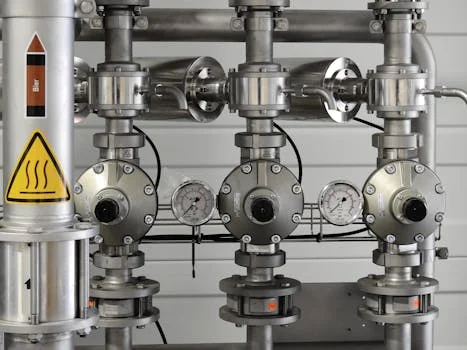
Budgeting for a package wastewater treatment plant in Uttar Pradesh requires a clear distinction between Capital Expenditure (CAPEX) and Operating Expenditure (OPEX). Current 2025 market data from suppliers in Ghaziabad and Noida indicates that a standard 50 m³/day (50 KLD) plant starts at approximately ₹12-15 lakhs. As capacity increases to 500 m³/day, prices range from ₹85-95 lakhs, depending on the degree of automation and the specific treatment technology chosen. MBR systems generally sit at the higher end of the CAPEX spectrum due to membrane costs, while MBBR systems offer a mid-range alternative.
OPEX is a critical factor for long-term viability. For MBR systems, operational costs typically range from ₹0.8 to ₹1.2 per m³ of treated water, accounting for energy consumption, chemical cleaning, and membrane replacement every 5 to 7 years. SBR systems are slightly more economical to operate, averaging ₹0.5 to ₹0.8 per m³. It is essential to account for "hidden" costs that are often excluded from initial quotes: site preparation (₹2-4 lakhs), civil foundations (₹5-10 lakhs), and the UPPCB "Consent to Establish" (CTE) and "Consent to Operate" (CTO) approval process, which can add ₹1-2 lakhs in professional fees and government charges.
| Capacity (KLD) | Estimated CAPEX (₹ Lakhs) | Monthly OPEX (Avg) | Primary Tech Recommendation |
|---|---|---|---|
| 10 - 25 | ₹6 - 10 | ₹8,000 - 12,000 | MBBR / Underground |
| 50 - 100 | ₹12 - 22 | ₹25,000 - 40,000 | SBR / MBR |
| 250 - 500 | ₹45 - 95 | ₹1,10,000 - 1,80,000 | MBR / Integrated A/O |
The Return on Investment (ROI) is primarily driven by water reuse savings and the avoidance of environmental penalties. In industrial hubs like Kanpur, recycled water can save facilities ₹3-5 per m³ compared to purchasing tanker water. As seen in a 2024 case study of ITC Ltd's Uttar Pradesh operations, advanced wastewater treatment contributed significantly to their CSR compliance and sustainability ratings, effectively paying for itself within 3.5 years through reduced freshwater intake. For comparative regional data, see our Madhya Pradesh package plant guide or review Delhi's wastewater treatment strategies.
Top 5 Package Wastewater Treatment Plant Suppliers in Uttar Pradesh
Suppliers in the NCR region account for approximately 70% of the installations across Uttar Pradesh, benefitting from proximity to industrial clusters and established supply chains. When evaluating a supplier for a package wastewater treatment plant in Uttar Pradesh, India, procurement managers should prioritize those with a local service network and a proven track record with the UPPCB.
- Indus EcoTech (Noida): Specializes in MBBR technology with over 120 installations across UP. They are known for their 2023 Greater Noida housing project, which achieved consistent BOD levels under 10 mg/L.
- Fresco Water Technologies (Ghaziabad): Focuses primarily on SBR systems. They maintain an 89% customer response rate and offer rapid mobilization for industrial effluent treatment in the Sahibabad area.
- Waterneer Biokube (Delhi/NCR): Experts in MBR systems for the hospitality sector. Their 2024 deployment for Taj Hotels demonstrated the efficacy of biological treatment in high-traffic commercial environments.
- Shri Shant Water Solutions (Faridabad/UP Border): A leader in Electrocoagulation systems. Their technology was featured in 2025 UPPCB pilot data for the removal of complex dyes in the textile belt.
- HydropureWater (Regional Partner): Known for the WSZ Series, providing integrated, 1-80 m³/h capacity units. Their 2024 Kanpur textile plant case study highlighted a 40% reduction in sludge volume compared to traditional chemical treatment.
Evaluation criteria should include UPPCB certification, a minimum 5-year warranty on membranes (for MBR), and a 10-year structural warranty on the prefabricated tanks. Successful project delivery in Uttar Pradesh requires a supplier who can navigate the local regulatory landscape while providing 24/7 technical support to prevent downtime.
UPPCB Compliance Checklist for Package STPs
Achieving regulatory approval for a package wastewater treatment plant in Uttar Pradesh, India, requires strict adherence to both design and operational standards. Before any construction begins, a Detailed Project Report (DPR) must be submitted to the local UPPCB regional office. If the plant capacity exceeds 500 m³/day, an Environmental Impact Assessment (EIA) may also be required, along with a No Objection Certificate (NOC) from the municipal authority.
Design standards must comply with IS 2490 (Part 1) for effluent quality and IS 12313 for sludge handling and disposal. Key operational requirements include:
- Online Monitoring: Installation of an Online Continuous Effluent Monitoring System (OCEMS) for pH, TSS, BOD, and COD, with real-time data transmission to the UPPCB servers.
- Digital Reporting: Monthly submission of performance data via the 2024 UPPCB digital reporting portal.
- Sludge Management: Maintenance of a sludge logbook and proof of disposal at authorized TSDF (Treatment, Storage, and Disposal Facilities) sites.
- Audit Readiness: Quarterly internal audits to prepare for surprise UPPCB inspections, which 2023 statistics show are increasingly focused on odor control and color violations in industrial effluents.
Failure to maintain these standards can lead