DAF System in Malaysia: Industrial Wastewater Treatment Guide & Costs 2025
DAF (Dissolved Air Flotation) systems are critical for Malaysian industrial wastewater treatment, achieving 95%+ removal of suspended solids (TSS), oils, and grease (FOG) while complying with Malaysia’s Department of Environment (DOE) discharge limits (e.g., <50 mg/L TSS for Class IIB watercourses). These systems use micro-bubbles (20–50 µm) to float contaminants to the surface for skimming, making them ideal for food processing, petrochemical, and textile industries. In Malaysia, DAF systems typically cost RM 200,000–1.5 million depending on capacity (4–300 m³/h) and automation level.
Why Malaysian Factories Are Switching to DAF Systems for Wastewater Compliance
Malaysia’s Department of Environment (DOE) enforces strict discharge limits for industrial effluent, including <50 mg/L TSS, <20 mg/L BOD5, and <10 mg/L O&G for Class IIB watercourses, as stipulated in the Environmental Quality Regulations 2009. Non-compliance can lead to substantial fines, operational shutdowns, and severe reputational damage. Industries frequently struggling with these stringent requirements include food processing (especially palm oil and dairy), textile manufacturing, petrochemical refining, and metalworking, according to 2023 DOE enforcement reports.
Many Malaysian facilities, previously relying on conventional sedimentation tanks, are now upgrading to advanced DAF systems to meet these evolving standards. For instance, a Malaysian palm oil mill, facing consistent non-compliance with effluent TSS levels exceeding 800 mg/L, implemented a DAF system and successfully reduced TSS to below 30 mg/L. This proactive investment prevented potential fines of up to RM 500,000 annually and ensured continuous operation. DAF systems significantly outperform traditional sedimentation tanks due to their faster separation rates, typically requiring 10–20 minutes compared to 2–4 hours for sedimentation. This speed translates to a much smaller physical footprint, making DAF ideal for space-constrained industrial sites. DAF technology is exceptionally effective at removing oils and grease (FOG), a common and challenging contaminant in many Malaysian industrial wastewaters, which sedimentation tanks struggle to address efficiently. For more insights into advanced FOG removal technologies for Malaysian industries, refer to our guide on how to remove oil & grease from industrial wastewater.
How DAF Systems Work: A Step-by-Step Technical Breakdown

DAF systems clarify wastewater through a multi-stage physical-chemical process that effectively separates suspended solids, oils, and grease. The core principle involves introducing microscopic air bubbles into the wastewater, which attach to contaminants and float them to the surface for removal.
- Step 1: Coagulation/Flocculation – Wastewater first enters a rapid mix tank where chemical coagulants are added. Malaysian plants typically utilize PAC (polyaluminum chloride) or ferric chloride at dosing rates of 50–200 mg/L to destabilize colloidal particles and aggregate them into larger, heavier flocs. An anionic or cationic polymer may also be added in a subsequent slow mix stage to enhance floc formation and strength. HydropureWater offers PLC-controlled chemical dosing for DAF systems to optimize this critical step.
- Step 2: Air Dissolution – A portion of the clarified effluent (typically 10–30% of the total flow) is recirculated and saturated with air under high pressure, usually 4–6 bar, in a dedicated pressure vessel. This process dissolves a significant amount of air into the water, preparing it for bubble formation. The air-to-solids ratio, a critical parameter, typically ranges from 0.02 to 0.06.
- Step 3: Micro-bubble Formation – The pressurized, air-saturated water is then released through a pressure reduction valve into the DAF tank’s inlet zone, which is at atmospheric pressure. This sudden pressure drop causes the dissolved air to come out of solution as microscopic bubbles, ranging from 20–50 µm in diameter (Xylem Malaysia data). These tiny bubbles attach to the pre-formed flocs, reducing their effective density and causing them to rapidly float to the surface.
- Step 4: Skimming – As the buoyant sludge layer accumulates on the water surface, mechanical skimmers continuously remove it. Common skimmer types include chain-and-flight systems, suitable for larger tanks and heavier sludge, and spiral skimmers, often used in compact DAF units for continuous, gentle sludge removal. The removed sludge, or DAF float, is then directed for further dewatering or disposal.
- Step 5: Clarified Effluent – The treated water, now largely free of suspended solids and FOG, exits the DAF tank from the bottom, typically achieving TSS levels below 50 mg/L and BOD5 below 20 mg/L, meeting Malaysia’s DOE discharge standards. This clarified effluent can then proceed to subsequent treatment stages or be discharged.
For Malaysian operators, key operational parameters to monitor include the hydraulic loading rate (typically 2–10 m/h), solids loading rate (2–5 kg/m²/h), and the air-to-solids ratio (0.02–0.06), which directly impact system efficiency and effluent quality. For detailed maintenance best practices for Malaysian operators, consult our DAF maintenance guide.
| DAF Operational Parameter | Typical Range for Malaysian Industrial Wastewater | Impact on Performance |
|---|---|---|
| Hydraulic Loading Rate | 2 – 10 m/h | Determines flow capacity; exceeding reduces retention time and separation efficiency. |
| Solids Loading Rate | 2 – 5 kg/m²/h | Indicates the mass of solids processed per unit area; exceeding leads to carryover. |
| Air-to-Solids Ratio (A/S) | 0.02 – 0.06 (kg air/kg solids) | Critical for effective bubble attachment and flotation; too low or high reduces efficiency. |
| Recycle Ratio | 10 – 30% of influent flow | Affects air saturation and micro-bubble generation; optimized for specific wastewater. |
| Coagulant Dosing (e.g., PAC) | 50 – 200 mg/L | Essential for floc formation; optimized based on raw wastewater characteristics. |
DAF vs. Alternatives: Which System Is Right for Your Malaysian Facility?
Selecting the optimal wastewater treatment technology for Malaysian industrial facilities requires a thorough evaluation of various factors, including influent characteristics, footprint availability, capital expenditure (CAPEX), and operational expenditure (OPEX). While DAF systems excel in specific applications, alternatives like lamella clarifiers and conventional sedimentation tanks also have their niches.
DAF systems offer distinct advantages, particularly for wastewater streams heavy in FOG, such as those from food processing, palm oil mills, and rendering plants. Their ability to achieve rapid separation (10-20 minutes) results in a significantly smaller footprint compared to conventional methods. The robust flotation mechanism ensures superior removal of low-density particles and FOG, which tend to float rather than settle. HydropureWater offers DAF systems for Malaysian industrial wastewater, designed for high efficiency and reliability.
Lamella clarifiers, also known as inclined plate clarifiers, present a compact alternative to conventional sedimentation tanks. They achieve separation by guiding water through inclined plates, which increase the effective settling area. Lamella clarifiers typically have lower CAPEX, ranging from RM 150,000–800,000 for medium-scale installations, and simpler maintenance requirements due to fewer moving parts. However, they are less effective at removing FOG and very light suspended solids, often achieving only moderate removal efficiencies (Ultrapan.com.my data suggests poorer FOG removal compared to DAF). Conventional sedimentation tanks are the simplest and often the lowest CAPEX option for purely settling solids, but they demand large land areas and are ineffective for FOG or buoyant particles.
When to avoid DAF systems includes scenarios with very low TSS concentrations (<50 mg/L), where the cost-benefit of DAF may not be justified and simpler sedimentation could suffice. High salinity wastewater, such as desalination brine, can also pose challenges for DAF due to altered water density and bubble dynamics. For a comprehensive comparison of DAF clarifier vs. alternatives, refer to our industrial selection guide.
Hybrid systems, combining DAF with other technologies, are gaining traction in Malaysia. For example, some Malaysian textile mills, dealing with both suspended solids and color, integrate DAF for primary clarification and FOG removal, followed by lamella clarifiers for polishing or handling heavier precipitates. This approach can achieve up to 30% cost savings compared to an oversized DAF system alone, while optimizing performance for complex wastewater profiles.
| Feature | Dissolved Air Flotation (DAF) | Lamella Clarifier | Conventional Sedimentation Tank |
|---|---|---|---|
| Removal Efficiency (TSS) | 90-99% | 70-90% | 60-85% |
| FOG Removal | Excellent (95%+) | Poor to Moderate | Poor |
| Footprint | Smallest (10-20 min retention) | Medium (30-60 min retention) | Largest (2-4 hours retention) |
| CAPEX (Indicative for Malaysia) | RM 200,000 – 1.5 million | RM 150,000 – 800,000 | RM 100,000 – 500,000 |
| OPEX (Energy, Chemicals, Sludge) | Medium to High (chemicals, air compressor) | Low to Medium (less energy, some chemicals) | Low (minimal energy, some chemicals) |
| Maintenance | Medium (skimmer, compressor, chemical dosing) | Low (sludge removal, plate cleaning) | Very Low (sludge removal) |
| Suitability for Malaysian Industries | Palm oil, food processing, textile, petrochemical, dairy | General industrial, municipal (post-biological), some metal finishing | Low-solids industrial, municipal primary treatment |
DAF System Costs in Malaysia: Capex, Opex, and ROI Breakdown
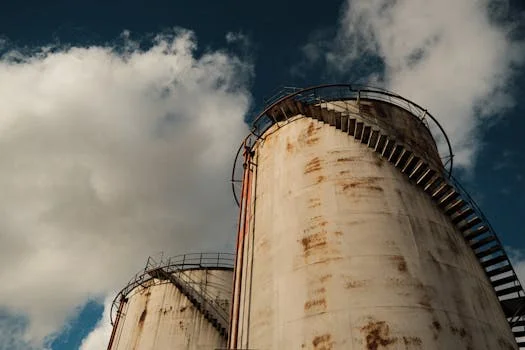
Investing in a DAF system for industrial wastewater treatment in Malaysia involves significant capital and operational expenditures, but these are often justified by substantial returns on investment through compliance, resource recovery, and reduced disposal costs.
The Capital Expenditure (CAPEX) for a DAF system in Malaysia typically ranges from RM 200,000 to RM 1.5 million. This wide range primarily depends on the system’s capacity, which can vary from 4 m³/h for smaller facilities to over 300 m³/h for large industrial complexes. Factors influencing CAPEX include the level of automation, materials of construction (e.g., stainless steel for corrosive environments), and the complexity of installation and commissioning. These figures include the DAF unit itself, associated pumps, air compressors, chemical dosing systems, and installation services (HydropureWater local supplier quotes, 2025).
Operational Expenditure (OPEX) is a recurring cost that buyers must factor into their long-term budget. Key components of DAF OPEX in Malaysia include:
- Energy Consumption: Primarily driven by the air compressor and pumps, typically 0.2–0.5 kWh/m³ of treated water.
- Chemical Costs: Coagulants (PAC, ferric chloride) and flocculants are essential for effective separation, costing approximately RM 0.50–2.00/m³ depending on wastewater characteristics and chemical prices.
- Maintenance: Routine maintenance, including spare parts (skimmer blades, pump seals), labor, and preventative checks, can range from RM 20,000–100,000 per year, depending on system size and operational intensity.
- Sludge Disposal: The DAF system generates a concentrated sludge (DAF float) which requires disposal. Costs for sludge disposal in Malaysia typically range from RM 300–800/ton, influenced by sludge volume, dryness, and local regulations.
The Return on Investment (ROI) for a DAF system in Malaysia is driven by several critical factors. Avoiding DOE fines for non-compliance, which can range from RM 50,000–500,000 per year, is a primary financial incentive. Additionally, treated effluent can often be reused for non-potable applications like cooling towers or irrigation, leading to water reuse savings of RM 5–15/m³ depending on municipal water tariffs. Reduced sludge disposal costs, achieved by producing a drier, more concentrated DAF float compared to conventional sedimentation sludge, also contribute to ROI. Malaysian businesses can also explore financing options such as the Malaysian Green Technology Financing Scheme (GTFS), which offers attractive interest rates (e.g., 2% for DAF systems meeting green criteria, per 2024 GTFS guidelines), further improving the financial viability of these investments. To optimize costs, consider modular DAF systems for phased expansion and automated chemical dosing to minimize reagent waste. For a detailed breakdown of wastewater treatment plant costs, see our blog on wastewater treatment plant cost.
| Cost Category | Typical Range (Malaysia) | Notes |
|---|---|---|
| CAPEX (System + Installation) | RM 200,000 – 1.5 million | For capacities 4 – 300 m³/h, includes DAF unit, pumps, compressor, dosing. |
| OPEX (Energy) | 0.2 – 0.5 kWh/m³ | Primarily for air compressor and effluent pumps. |
| OPEX (Chemicals) | RM 0.50 – 2.00/m³ | Coagulants (PAC, ferric chloride) and flocculants. |
| OPEX (Maintenance) | RM 20,000 – 100,000/year | Includes spare parts, labor, and preventative checks. |
| OPEX (Sludge Disposal) | RM 300 – 800/ton | Depends on sludge volume, dryness, and local regulations. |
| Potential ROI (Fines Avoidance) | RM 50,000 – 500,000/year | Based on DOE non-compliance penalties. |
| Potential ROI (Water Reuse Savings) | RM 5 – 15/m³ | Savings from reduced fresh water consumption. |
Choosing a DAF Supplier in Malaysia: A Buyer’s Checklist
Selecting the right DAF system supplier in Malaysia is critical for ensuring long-term operational reliability, compliance, and cost-effectiveness. Buyers must look beyond initial purchase price and evaluate a supplier’s technical expertise, local support capabilities, and proven track record.
Consider the trade-offs between local and international suppliers. While international suppliers might offer advanced technology or specialized designs, local Malaysian suppliers often provide faster response times for service, readily available spare parts, and a deeper understanding of local regulatory nuances. Key certifications are non-negotiable: ensure the supplier holds ISO 9001 for quality management and can provide documentation demonstrating DOE approval for their systems’ components or designs. For applications involving potential contact with potable water, NSF/ANSI 61 certification might also be relevant. Always seek performance guarantees, specifically aiming for suppliers offering 90%+ TSS removal guarantees, as this directly impacts compliance and operational efficiency (Chemkimia Sdn Bhd, 2024).
After-sales support is paramount for industrial equipment. Inquire about 24/7 service availability, the lead time for critical spare parts (such as skimmer blades, air saturation pumps, or control valves), and whether comprehensive training programs are offered for your facility operators. Request references and case studies from Malaysian installations, particularly those in your specific industry (e.g., palm oil mills, textile factories), to verify real-world performance and client satisfaction. Be wary of red flags such as a lack of a dedicated local service team, vague or unsubstantiated performance data, or an inability to provide clear DOE compliance documentation. A reputable supplier like HydropureWater will offer transparent data and robust support. For further guidance on selecting equipment suppliers in Malaysia, read our buyer’s guide for sewage treatment equipment suppliers in Johor, Malaysia.
Frequently Asked Questions
What are the primary challenges for industrial wastewater treatment in Malaysia?
Malaysian industries face significant challenges, including stringent DOE discharge limits for parameters like TSS, BOD5, and FOG, particularly for Class IIB watercourses. Many older facilities struggle with outdated treatment infrastructure, high organic loads from industries like palm oil and food processing, and the need for cost-effective sludge management. Climate factors, such as heavy rainfall, can also impact treatment plant performance by introducing flow variations.
How does a DAF system help Malaysian industries meet DOE discharge limits for FOG?
DAF systems are highly effective for FOG removal because they use micro-bubbles to float oil and grease particles to the surface, where they can be skimmed off. Unlike sedimentation, which relies on gravity for denser particles, DAF actively separates lighter FOG contaminants. This capability is crucial for industries like palm oil and food processing, where FOG levels often exceed DOE limits of <10 mg/L, helping them achieve compliance efficiently.
What is the typical sludge volume generated by a DAF system in Malaysia, and how is it managed?
A DAF system typically generates a concentrated sludge (DAF float) with 2-5% solids content by weight. The volume depends on the influent solids load and treatment efficiency. In Malaysia, this sludge often requires further dewatering (e.g., using a filter press or centrifuge) to reduce volume and disposal costs. The dewatered sludge is then typically sent to approved landfills or, in some cases, can be explored for beneficial reuse if deemed non-hazardous and compliant with local regulations.
Can DAF systems be integrated with existing wastewater treatment plants in Malaysia?
Yes, DAF systems are highly adaptable and can be seamlessly integrated into existing wastewater treatment plants in Malaysia. They are often used as a primary treatment step to remove solids and FOG before biological treatment, or as a tertiary polishing step. Their compact footprint makes them suitable for retrofitting into facilities with limited space. Proper engineering assessment ensures compatibility and optimal performance when integrating DAF with existing infrastructure.