Fine screen food processing lines typically remove 85–95% of suspended solids (TSS) and fibrous debris at mesh sizes of 1–6 mm, with plant flows up to 14 MGD (about 53,000 m³/d). Rotary drum screens and mechanical bar screens handle vegetable, poultry, and meat waste streams when headloss stays under 0.3 m and solids retention on the screen stays under 2 minutes.
Why Fine Screening Is Critical for Food Processing Wastewater
Fine screens for food plants capture 85–95% of TSS and fiber at 1–6 mm openings and cut sludge volume about 30–40%. They keep headloss under 0.3 m so DAF and MBR trains see fewer clogs. Without that cut, pumps, DAF units, and membranes take the full fiber and FOG load from wash and evisceration streams.
Food processing wastewater carries high TSS, fats, fibers, and particulates that raise sludge volume 30–40% and clog pumps. Those solids also foul dissolved air flotation (DAF) systems and membrane bioreactors (MBRs). Without adequate industrial wastewater pretreatment, hauling and dewatering costs climb. Untreated solids can push disposal costs up by up to 40% based on EPA wastewater sludge guidelines for industrial facilities, and they shrink usable capacity in later stages.
Fibrous materials from vegetable lines (celery strings, potato peels), meat trimmings (tendons, connective tissue), and packaging films form dense mats. Those mats blind screens, foul DAF packs, and block piping. Capture at 1–6 mm mesh targets that debris before it reaches pumps. Plants that skip this step usually see more unscheduled washdowns on DAF and more ragging at lift stations.
A sound food processing screening system holds headloss below 0.3 meters across the screen and keeps retention time below 2 minutes to limit putrefaction and odor. Solids capture for fine screens in this duty runs 85–95%, depending on screen type, wastewater screen mesh size, and loading. Upstream removal extends DAF life and cuts chemical cleaning frequency. Most plants we size for vegetable wash water run mesh toward the fine end of that band. Screening pairs cleanly with dissolved air flotation (DAF) machines when FOG and fines still need flotation after the screen.
Fine Screen Food Processing Equipment Types
Externally fed rotary drum screens suit high-flow vegetable wash water, using 1–3 mm mesh and automatic washback to limit blinding on leafy greens and root-crop fines. Continuous rotation and spray bars keep the cloth open when TSS is moderate to high but particle size is small.
Internally fed rotary screens, including JWC-style layouts, take higher solids loads in meat and poultry rendering. These units manage flows up to 8 MGD (about 30,000 m³/d) when fats, proteins, and fiber arrive together. Internal feed spreads solids across the drum before discharge, which helps capture stay high when loading spikes at shift change.
Mechanical bar screens such as the HydropureWater GX Series use stainless steel rakes on 6–15 mm bar openings. They work as coarse primary screening after grinders and protect finer drums from large bones, plastic, and trim. The Rotary Mechanical Bar Screen (GX Series) is built for continuous duty in abrasive, high-impact streams. For broader process context beyond solids capture, plants also review haccp safety systems for food processing plants when water reuse loops sit downstream of screening.
Step screens self-clean with low headloss, typically under 0.15 meters. They fit packaged-food lines with variable flow and tight hydraulic grades. Asymmetric panel designs (such as SPIRAC FINEGUARD™) reduce ragging by lifting and dewatering debris on the stepped face instead of wrapping fiber around fixed bars. Channel depth, rake speed, and spray coverage should be locked against peak CIP dumps, not only average wash-water flow. Peak sanitation dumps should be included in the hydraulic basis of design.
| Screen Type | Typical Mesh/Bar Size | Ideal Food Application | Flow Capacity (MGD) | Headloss (m) | Solids Loading |
|---|---|---|---|---|---|
| Externally Fed Rotary Drum | 1-3 mm (mesh) | Vegetable Wash Water, Fruit Processing | 1-10 | 0.1-0.25 | Moderate to High TSS, Fine Fibers |
| Internally Fed Rotary Drum | 1-3 mm (mesh) | Meat/Poultry Rendering, Dairy | 2-8 | 0.1-0.2 | High TSS, Fats, Fibrous Material |
| Mechanical Bar Screen | 6-15 mm (bar spacing) | Primary Screening (post-grinder), Bulk Debris | 5-14 | 0.2-0.4 | Coarse Solids, Large Fibers |
| Step Screen | 3-6 mm (panel spacing) | Packaged Food Lines, Variable Flow | 1-7 | <0.15 | Moderate TSS, Mixed Debris |
Performance Metrics That Matter for Food Plant Engineers
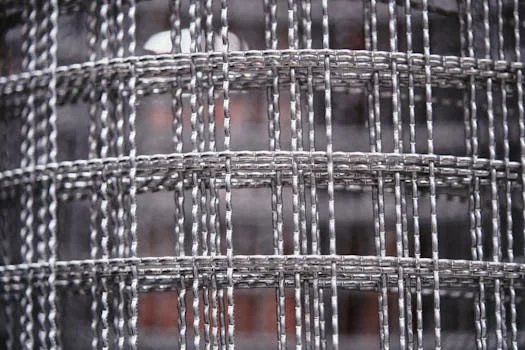
TSS removal for fine screens in food processing ranges from 85% on coarser bar duties to 95% on fine drum screens with 1 mm mesh under optimal conditions, per EPA Wastewater Technology Fact Sheets. Engineers should track consistency across peak kill or wash cycles, not only nameplate removal. For selection math and removal curves, see fine screen wastewater treatment guidance that walks through aperture and loading trade-offs.
Headloss on any fine screen wastewater for food processing train should stay watched. Headloss above 0.3 meters that holds steady usually means blinding or overload and calls for backwash or rake action. High headloss cuts capacity and can force bypass, sending solids into DAF or biology. Automated headloss alarms reduce those bypass events on multi-shift plants.
Fiber capture matters as much as bulk TSS. Rotary drum screens on 2 mm mesh can reach a 90%+ capture rate for celery strings, potato peels, or tendon fragments (based on Lyco case data). That cut limits rag balls that seize pumps and foul heat exchangers. Most poultry plants we commission treat fiber capture as the first acceptance metric on wet trials.
Self-cleaning features keep that performance without constant operator time. Rotary brushes, high-pressure spray nozzles, and programmed backwash cycles limit FOG films and biological slime on the cloth. For clog and drive failures after startup, use the field-tested troubleshooting guide for screen clogs, inefficiencies, and mechanical failures.
How Does Screening Change Food Plant Effluent Quality?
Screening lowers TSS and fiber in food plant effluent before DAF or biological stages, so downstream COD and FOG loads become more stable even though soluble BOD still needs secondary treatment. Plants that only measure final BOD often miss early screen blinding that shows up first as higher DAF sludge and pump trips.
Effluent from food processing still carries dissolved organics after a 1–3 mm drum. The screen’s job is particulate and fiber control, not full polishing. When pipe materials and collection laterals see less ragging, maintenance crews spend less time on lift-station clears. Keep screenings dewatered and hauled on a set schedule so press liquor does not recycle fines back to the headworks.
Comparison: Drum, Rotary Bar, and Step Screens for Food Waste
Rotary drum screens fit high-flow, low-head food lines at 1–3 mm mesh and about 100–5,000 m³/h. Vegetable, fruit, and dairy plants choose them when effluent TSS must stay low before DAF. They need dedicated washwater, but continuous capture often offsets that utility cost.
Mechanical bar screens remove coarse to medium solids at 6–15 mm openings and flows up to 14 MGD (6,300 m³/h). Meat packing and other high-solids primary duties use them ahead of finer drums. Capex is often lower than fine drums, while labor for rake checks can run higher depending on the mechanical bar screen design. Spec sheets list opening, rake speed, and channel width for that coarse stage before the fine drum.
Step screens favor energy use and low touch labor on packaged-food lines with swinging flows. Capex can run 20–30% above conventional bar screens, while OPEX can sit about 40% lower over 5 years from lower power and less operator time. Stepped panels keep lifting solids so continuous fiber mats form less often.
Ragging risk differs by geometry. Rotary drums wrap hair and fiber if brush and spray layout is weak. Bar screens with larger spacing rag less; finer bars still collect stringy trim. Step screens stay low-rag when the self-cleaning motion works as designed. For side-by-side hydraulics and mesh options, read the engineering comparison of rotary drum screens vs vibrating and disc alternatives.
| Feature | Rotary Drum Screen | Mechanical Bar Screen | Step Screen |
|---|---|---|---|
| Primary Application | Fine TSS, Fibers (Vegetable, Dairy) | Coarse to Medium Solids (Meat, Primary) | Variable Flow, Low Head (Packaged Food) |
| Typical Mesh/Bar Size | 1-3 mm | 6-15 mm | 3-6 mm |
| Flow Capacity | 100-5,000 m³/h (up to 10 MGD) | Up to 6,300 m³/h (up to 14 MGD) | Up to 2,500 m³/h (up to 7 MGD) |
| Headloss | Low (0.1-0.25 m) | Moderate (0.2-0.4 m) | Very Low (<0.15 m) |
| Ragging Tendency | Moderate (needs good brush design) | Low (larger spacing) to Moderate (finer) | Very Low (self-cleaning action) |
| Upfront Cost (Relative) | Moderate to High | Low to Moderate | Moderate to High (+20-30%) |
| OPEX (Relative) | Moderate (washwater, power) | Moderate to High (labor, power) | Low (-40% over 5 years) |
| Maintenance Frequency | Regular washdown, brush checks | Periodic rake adjustments, cleaning | Minimal mechanical parts, self-cleaning |
What Power Demand Do Fine Screens Need?
Fine screen plant power demand is usually a small share of total treatment kWh, driven by drum or rake drives plus intermittent washwater pumps rather than continuous high-head aeration loads. Exact draw depends on channel width, drive rating, wash cycle frequency, and whether spray water is plant reuse or potable make-up.
On most food lines we size, the screen drive sits in the low-kilowatt range while spray pumps spike only during wash. Designers should reserve electrical capacity for simultaneous rake and spray starts, then confirm washwater pressure at the nozzles under peak TSS. If you need aperture, velocity, and channel geometry checks, use a fine screen design calculation workflow before locking motor size.
Do Food Plants Need a Screw Press After Fine Screens?
A screw press for food processing screenings is useful when captured solids leave the screen wet enough to raise hauling cost or create leachate on the dock. Presses are not a substitute for the screen; they dewater screenings after capture.
Vegetable and poultry plants with high fiber often add a press or compactor so cake solids rise and truck volume falls. If screenings already drop reasonably dry from a well-drained drum or step unit, a press may wait until disposal fees justify it. Match press metallurgy to salt and protein corrosion on meat lines. Some plants stage a coarse bar screen, then a fine drum, then a press so each unit sees a narrower solids cut.
Calculating ROI: How Fine Screens Reduce Total Treatment Cost
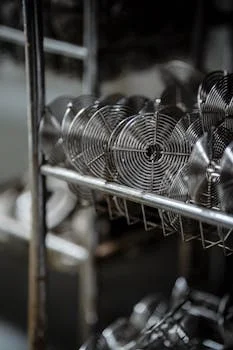
Stopping DAF fouling with effective fine screen wastewater for food processing can save $12,000–$18,000 per year in chemical and maintenance cost, based on 2024 food plant case studies. Unscreened solids and FOG raise coagulant dose, sludge pulls, and clean-in-place cycles. A food processing screening system upstream stretches DAF component life and trims chemical use.
Fewer pump clogs cut downtime by 15–25 hours per year, or about $7,500 in recovered production at an estimated $300/hr line stoppage. Fibrous debris and large particulates drive those failures. Each incident pulls maintenance labor and can damage impellers, so screening payback often shows up first in avoided overtime and spare parts.
Sludge volume drops of 30–40% lower hauling and disposal by $25–$50 per ton. That saving alone can pay back a fine screen in 18–24 months. Removing non-biodegradable solids early leaves a cleaner dewatering cake and a smaller environmental footprint for off-site disposal.
On a cost-per-gallon view of screening system ROI, fine screens add about $0.001–$0.003/gallon in OPEX for power, washwater, and maintenance. They help avoid about $0.008–$0.012/gallon in downstream failures. Those avoided costs cover pump repairs, DAF chemical overuse, biological upsets, and effluent violations. For packaged trains that fold screening into a skid, see containerized wastewater treatment solutions for food processing.
Selection Checklist for Food-Plant Screens
Use this short list before you freeze the P&ID for a fine screen food processing upgrade:
- Peak and average flow in m³/h (US gpd), including CIP dumps.
- Mesh or bar opening needed for the dominant fiber and particle size.
- Allowable headloss versus existing channel invert and freeboard.
- FOG load and whether pre-skim or heated spray water is required.
- Washwater source, pressure, and recycle limits.
- Screenings handling: chute, compactor, or screw press, plus hauling path.
- Duty metallurgy (typically 304/316 SS) for salt, protein, and sanitizer exposure.
Who This Is For / Who Should Look Elsewhere / Next Step
This guide is for food-plant engineers, EPC designers, and procurement teams sizing headworks screens ahead of DAF or biological treatment. Look elsewhere if you only need municipal storm screens or if your problem is dissolved BOD with almost no TSS. When you are ready to match channel width and opening to your waste stream, request a sizing review through our inquiry form with flow, TSS, and FOG data attached.
Frequently Asked Questions
What mesh size works best for vegetable processing wastewater?
Use 1–2 mm mesh for leafy greens and 2–3 mm for root vegetables when the goal is high solids capture without rapid blinding. Leafy wash water carries long strings that slip larger openings; root crops shed thicker peels that a slightly coarser cloth can still hold. Confirm with a wet screen trial at peak wash flow before locking the purchase order.
How often should fine screens be maintained in a food plant?
Plan daily visual checks for debris buildup, monthly brush and chain inspection, and annual bearing service on continuous-duty units. Automated self-cleaning lowers manual hours but does not remove those intervals. Track spray-nozzle pressure and rake amperage trends so blinding shows up before bypass weirs open.
Can fine screens handle high-fat meat-processing wastewater?
Yes, fine screens can treat high-fat meat wastewater when FOG is managed with pre-skimming or DAF integration so grease does not cement on the cloth. Heated spray water and suitable screen materials reduce adhesion during cold shifts. Expect more frequent wash cycles than on low-FOG vegetable water at the same mesh.
How long does a stainless steel mechanical bar screen last?
A stainless steel mechanical bar screen typically lasts 15–20 years with proper maintenance, per ASME B56.1 standards cited in prior plant guidance. Service life still depends on grit abrasion, sanitizer chemistry, and whether rakes stay aligned. Budget for wear parts on rakes and sprockets well before the frame reaches end of life.
Are self-cleaning screens worth it on high-solids food streams?
Yes, self-cleaning screens are worth the premium on high-solids food streams because they can cut manual labor by up to 60% and prevent about 80% of clogs versus static screens. Uptime gains on multi-shift kill or wash lines usually outweigh the added brush and spray hardware. Verify washwater balance so the cleaning system does not overload the plant sewer.