Why Hospital Wastewater in Barcelona Requires Special Treatment
Hospital wastewater is a complex chemical and biological hazard stream, containing high concentrations of antibiotics, chemotherapeutic agents, iodinated X-ray contrast media, disinfectants, and multidrug-resistant pathogens. In Barcelona, this effluent is typically co-treated with municipal sewage, but this practice merely dilutes rather than eliminates these contaminants. An ISGlobal study analyzing wastewater from the Baix Llobregat area found 531 antibiotic-resistant bacterial strains at the local wastewater treatment plant (WWTP), with another 414 detected at the Gavà-Viladecans facility. This data proves that standard municipal treatment is insufficient at breaking the cycle of environmental antimicrobial resistance (AMR) spread. The growing awareness of this issue is leading to action, exemplified by the Hospital Clínic Barcelona's initiative to become the first center in Catalonia to incorporate a system for recycling iodinated contrast media, acknowledging the need for specialized handling of medical waste streams. Relying on municipal plants for co-treatment poses a significant public health risk, as inadequately treated effluent carrying resistant genes is discharged into local waterways.
For more on regulatory compliance drivers, see our article on hospital wastewater treatment compliance systems.
Current Treatment Limitations in Barcelona’s Infrastructure
Barcelona’s existing wastewater infrastructure is not engineered for the contaminant profile of hospital effluent. Most hospitals in the metropolitan area discharge directly into the municipal sewer network without any mandatory pre-treatment, relying on conventional activated sludge (CAS) processes at overloaded WWTPs. The fundamental limitation of CAS is its biological inability to degrade many synthetic antibiotics and pharmaceuticals effectively; a PubMed-cited study (24951894) confirms that these plants cannot eliminate resistant bacteria. This systemic gap is formally recognized by the EU-funded LIFE GENESYS project, which is developing a pioneering purification system specifically because "current treatment plants cannot remove all pollutants." The result is a high detection rate of antibiotic-resistant bacteria in the final effluent, creating environmental reservoirs of resistance and violating the precautionary principle of the EU Urban Wastewater Directive.
Learn how other European cities are addressing this challenge with our guide to EU-compliant hospital treatment solutions in Paris.
Advanced On-Site Treatment Technologies for Hospitals
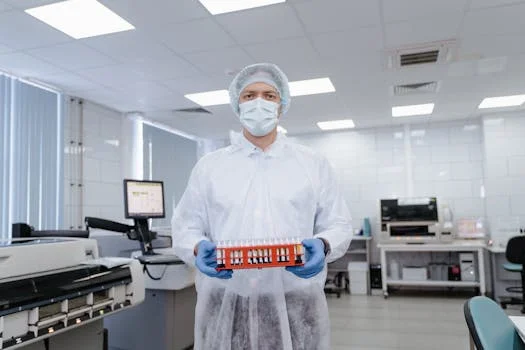
Eliminating antibiotics and resistant bacteria from hospital effluent requires advanced on-site systems that deploy targeted physical, biological, and chemical processes. These technologies are designed to intercept and destroy complex contaminants before they enter the public sewer, ensuring compliance and protecting public health.
Membrane Bioreactors (MBR) represent the gold standard for biological treatment. They combine conventional activated sludge with ultrafiltration or microfiltration membranes (0.1–0.4 μm pore size). This physical barrier reliably retains biomass and pathogens, achieving removal rates of >99% for bacteria and viruses. A high-efficiency MBR system for hospital effluent reuse can produce effluent quality suitable for non-potable reuse (<1 NTU turbidity, <5 mg/L BOD).
Ozone Disinfection is a powerful advanced oxidation process (AOP) critical for antibiotic degradation and pathogen inactivation. Ozone (O₃) directly oxidizes the molecular structures of pharmaceuticals and achieves a 99.9% microbial kill rate without producing harmful chemical residues or disinfection by-products (DBPs) associated with chlorine. Our compact ozone-based hospital wastewater system is engineered specifically for this duty.
Dissolved Air Flotation (DAF) is often essential as a pre-treatment step. It effectively removes fats, oils, greases (FOG), and suspended solids, achieving 92-97% TSS reduction to protect downstream biological and membrane units from fouling and clogging.
Fungal bioreactors remain largely in the research domain. Though effective at degrading complex organics, they currently lack the scalability, operational robustness, and proven track record required for commercial deployment in a critical hospital environment.
| Technology | Primary Function | Key Performance Metric | Ideal Application |
|---|---|---|---|
| MBR | Biological & Physical Treatment | >99% pathogen reduction, <5 mg/L BOD | Core biological treatment for reuse/discharge |
| Ozone (AOP) | Disinfection & Oxidation | >99.9% microbial kill, antibiotic degradation | Tertiary polishing & compliance assurance |
| DAF | Pre-treatment | 92-97% TSS removal | Initial removal of FOG and solids |
| Fungal Bioreactor | Emerging Biological | High degradation of complex organics | Pilot-scale R&D (Not yet commercial) |
Technology Comparison: MBR vs A/O vs Ozone Systems
Selecting the right on-site treatment technology is an engineering decision that balances effluent quality, footprint, capital expenditure (CAPEX), and operational expenditure (OPEX). For hospital applications in Barcelona, the choice is primarily between advanced biological and advanced chemical oxidation systems.
MBR Systems deliver the highest consistent effluent quality, typically with BOD <1 mg/L and turbidity <1 NTU, making them ideal for direct discharge into sensitive environments or for internal water reuse applications (e.g., cooling towers, irrigation). The trade-off is a higher CAPEX due to the membrane units and more intensive process air requirements. However, they offer a compact footprint compared to conventional clarifiers and eliminate the need for a separate disinfection stage.
Anoxic/Oxic (A/O) Systems, such as our WSZ Series, are a cost-effective solution for robust carbon and nitrogen removal, achieving 85–92% COD reduction. They have a lower CAPEX than MBRs but require a larger footprint for clarifiers and a secondary disinfection unit (e.g., ozone or chlorine) to achieve pathogen kill rates necessary for compliance.
Ozone Systems are not standalone biological treatment solutions but are unparalleled as a tertiary polishing step. They provide chemical-free, residue-free disinfection and are uniquely effective at degrading trace antibiotics. A system like the compact medical wastewater system is designed for this purpose, fitting into a 0.5 m² footprint while processing flows of 1–5 m³/h, making it a viable add-on for existing plants or a key component of a new, compact treatment train.
| Parameter | MBR System | A/O System | Ozone System (Tertiary) |
|---|---|---|---|
| Effluent Quality | Excellent (Reuse Quality) | Good (Discharge Standard) | Excellent Disinfection |
| Pathogen Removal | >99.9% | >85% (Requires Disinfection) | >99.9% |
| Antibiotic Degradation | Moderate-High | Low | Very High |
| Footprint | Compact | Large | Very Compact (Add-on) |
| CAPEX Estimate | High | Medium | Medium (as add-on) |
| OPEX | Medium (Membrane replacement) | Low | Medium (Power consumption) |
Compliance Pathways for Barcelona Hospitals in 2025
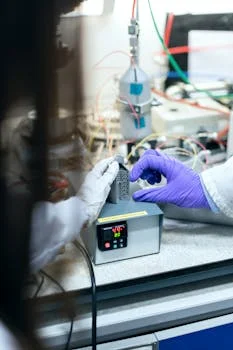
Navigating the regulatory landscape is a primary driver for deploying on-site treatment. The EU Urban Wastewater Directive (91/271/EEC) mandates "appropriate treatment" for all agglomerations above 2,000 population equivalents (p.e.), a threshold many large hospitals meet or exceed. While current Catalan law may not explicitly mandate on-site pre-treatment for all pharmaceuticals, the 2023 EU recommendation on AMR monitoring and the ISGlobal study findings indicate a clear regulatory trend toward stricter controls. Proactive investment in advanced on-site systems like MBR or ozone is the most robust pathway to compliance. This approach future-proofs the facility against impending stricter limits on pharmaceuticals and AMR indicators, avoids potential municipal surcharges for problematic discharges, and mitigates environmental liability. Technologies, certified to meet EPA and EU discharge standards without chemical dosing, provide a verifiable and auditable solution for environmental managers.
For a detailed financial analysis, consult our 2025 hospital effluent treatment plant cost guide.
Frequently Asked Questions
What is hospital sewage?
Hospital sewage is the wastewater generated from medical facilities, containing a complex mix of pathogens, antibiotics, metabolites of pharmaceuticals, iodinated contrast agents, chemical disinfectants, and organic waste from patient care, laboratories, and surgical operations.
How is hospital wastewater treated?
Effective treatment requires a multi-stage process: preliminary screening and DAF for solids removal, followed by core biological treatment (e.g., A/O or MBR) for organic matter degradation, and finally, advanced disinfection (e.g., ozone or ClO₂) to inactivate pathogens and degrade residual micropollutants.
Can Barcelona hospitals discharge directly to sewers?
Yes, currently most do. However, the increasing detection of antibiotic-resistant bacteria in municipal effluent, as documented by ISGlobal, is a powerful catalyst for regulatory change that may soon mandate at-source pre-treatment for large healthcare facilities.
What removes antibiotics from hospital wastewater?
Advanced Oxidation Processes (AOPs) like ozone are most effective at breaking down antibiotic compounds. Membrane Bioreactors (MBR) also provide high removal rates through a combination of biological degradation and physical filtration. Emerging technologies like fungal bioreactors show promise but are not yet commercially scalable.
Are on-site treatment plants cost-effective for hospitals?
Yes. Beyond ensuring regulatory compliance and reducing environmental liability, modern modular systems start at approximately €18,000. They represent a fixed capital cost that avoids future municipal penalty surcharges and the high expense of retrofitting existing sewer infrastructure.
For operational guidance, see our resource on medical wastewater treatment system troubleshooting.