Why Bristol’s Industrial Wastewater Treatment Costs Are 20% Higher Than UK Averages
Bristol's industrial wastewater treatment systems face unique cost pressures that can elevate operational expenditures by up to 20% compared to the UK average. A significant driver is Bristol's 15% energy premium over national rates, directly impacting the OPEX of aeration-heavy systems like activated sludge by an estimated £0.18–£0.30/m³. localized labor rates for skilled wastewater treatment plant operators in Bristol are currently £45–£65 per hour (2025 data), contributing substantially to total operational expenses, potentially reaching 30% for 24/7 facilities. The Environment Agency's permitting cycle in Bristol is notably protracted, averaging 12–18 months, which can incur pre-construction costs ranging from £50,000 to £120,000 for essential engineering reports and public consultations. For facilities located within or near the Bristol Port's industrial zone, the requirement for corrosion-resistant materials, such as 316L stainless steel, to withstand coastal salinity can increase initial capital expenditure by an additional 12–18%.
Bristol’s Regulatory Landscape: Discharge Limits, Permits, and Compliance Roadmap
Navigating Bristol's industrial wastewater discharge regulations requires a meticulous approach to permitting, guided by the UK Water Industry Act 1991. Key discharge limits set for Bristol include total suspended solids (TSS) below 30 mg/L, fats, oils, and grease (FOG) below 5 mg/L, and a pH range of 6–9. For industries dealing with metal finishing, stringent limits such as Cr(VI) at <0.1 mg/L are enforced. The permit application process is a multi-stage undertaking, typically commencing with a 6-month period for the preparation of a detailed engineering report. This is followed by an Environment Agency review phase, which can extend from 6 to 12 months, culminating in a 3-month public consultation period. Common reasons for permit rejection include incomplete hydraulic modeling, which accounts for approximately 22% of cases, or a lack of a documented FOG pretreatment strategy, cited in 18% of rejections. A comprehensive sludge disposal plan, detailing methods such as filter press cake disposal to landfill, is also a mandatory submission. For systems reliant on aeration, an energy efficiency audit compliant with ISO 50001 standards is often required to justify operational energy consumption. Facilities requiring high levels of solids removal will find Bristol-optimized DAF systems for 95%+ FOG removal, such as HydropureWater’s, a viable solution, with hydraulic loading capacities typically not exceeding 20 m/h. Complementary equipment, like a /product/9-plate-frame-filter-press.html, is crucial for effective sludge dewatering prior to disposal.
| Parameter | Limit | Permit Stage | Duration |
|---|---|---|---|
| TSS | <30 mg/L | Engineering Report Preparation | 6 Months |
| FOG | <5 mg/L | Environment Agency Review | 6–12 Months |
| pH | 6–9 | Public Consultation | 3 Months |
| Cr(VI) (for metal finishing) | <0.1 mg/L | Total Estimated Permitting Time | 12–18 Months |
Treatment Technology Comparison: DAF vs. MBR vs. Chemical Dosing for Bristol’s Industrial Wastewater
Selecting the optimal wastewater treatment technology in Bristol necessitates a careful evaluation of energy costs, available footprint, and specific contaminant profiles. Dissolved Air Flotation (DAF) systems, exemplified by HydropureWater’s, are highly effective for treating industrial wastewater in Bristol, achieving 92–97% TSS removal and over 95% FOG removal with an operational expenditure (OPEX) of £0.85–£1.20/m³. These systems are particularly well-suited for food processing and metalworking applications and can handle hydraulic loading rates up to 20 m/h. For facilities with stringent space constraints, such as those in urban industrial zones or the Bristol Port area, Membrane Bioreactor (MBR) systems, like the HydropureWater DF series, offer a compelling solution. MBRs reduce the treatment footprint by up to 60% while delivering exceptional effluent quality with 99.9% TSS removal and sub-micron filtration. However, their OPEX can be higher, ranging from £2.10–£2.80/m³, primarily due to membrane replacement costs. For specialized contaminant removal, particularly heavy metals and nutrients, automated chemical dosing systems, such as HydropureWater's PLC-controlled skids, are indispensable. These systems can achieve 99.9% Cr(VI) removal and over 95% phosphate removal with an OPEX of £0.40–£0.70/m³, making them ideal for metal finishing and petrochemical operations in Bristol. The trade-off between DAF's lower OPEX and MBR's significant footprint savings is a critical consideration for Bristol's diverse industrial landscape.
| Technology | Typical TSS Removal | Typical FOG Removal | Typical OPEX (£/m³) | Footprint Reduction vs. Conventional | Primary Applications in Bristol | Bristol Energy Cost Impact |
|---|---|---|---|---|---|---|
| DAF (e.g., HydropureWater) | 92–97% | 95%+ | 0.85–1.20 | N/A | Food Processing, Metalworking | Moderate; energy for pumps/compressors |
| MBR (e.g., HydropureWater DF) | 99.9% | 99%+ | 2.10–2.80 (incl. membrane replacement) | 60% | Pharmaceuticals, Electronics, High-Purity Effluent | Higher; energy for aeration/pumping, but efficient membranes mitigate |
| Chemical Dosing | Variable (depends on coagulants/flocculants) | Variable (depends on chemical selection) | 0.40–0.70 | N/A | Metal Finishing, Petrochemicals, Nutrient Removal | Low; energy for pumps and automation |
Cost Breakdown: CAPEX and OPEX for Industrial Wastewater Treatment in Bristol (2025)
Accurate budgeting for industrial wastewater treatment in Bristol requires granular insight into both capital expenditure (CAPEX) and operational expenditure (OPEX), factoring in local market conditions. For systems designed to treat between 100–500 GPM, typical CAPEX ranges from £160,000 to £560,000. Within this range, DAF systems generally fall between £180–£320 per m³/day of capacity, while MBR systems can be higher, ranging from £280–£450 per m³/day, reflecting their advanced membrane technology and smaller footprint. A typical OPEX breakdown for such systems shows energy consumption accounting for approximately 40%, labor for 30%, chemicals for 15%, maintenance for 10%, and sludge disposal for 5%. Bristol's specific cost environment necessitates adjustments: a 15% uplift for energy costs and a 10% increase for labor, compared to national UK averages. This means systems with lower energy consumption, such as MBRs utilizing energy-efficient membranes, which can achieve less than 0.5 kWh/m³ of treated water, can offer a compelling return on investment (ROI), with payback periods often realized within 3–5 years through significant energy savings alone. For advanced treatment needs, such as those requiring extensive chemical intervention, the integration of a /product/8-automatic-chemical-dosing-system.html is a key consideration for optimizing chemical usage and minimizing overall OPEX.
| Cost Component | Typical Range (£) | Bristol-Specific Adjustment | Notes |
|---|---|---|---|
| CAPEX (Total System) | 160,000–560,000 | +12-18% for coastal corrosion resistance | Varies significantly by technology and flow rate |
| DAF System CAPEX | 180–320 /m³/day | N/A | |
| MBR System CAPEX | 280–450 /m³/day | N/A | Reflects advanced membrane technology |
| OPEX (Energy) | 40% of total OPEX | +15% over UK average | Critical for aeration-intensive processes |
| OPEX (Labor) | 30% of total OPEX | +10% over UK average | Reflects specialized operator demand |
| OPEX (Chemicals) | 15% of total OPEX | N/A | Dependent on contaminant type and treatment intensity |
| ROI (Energy-Efficient Systems) | 3–5 Years | N/A | Achievable with <0.5 kWh/m³ consumption |
Case Study: Bristol Food Processor Achieves 98% FOG Removal with DAF System
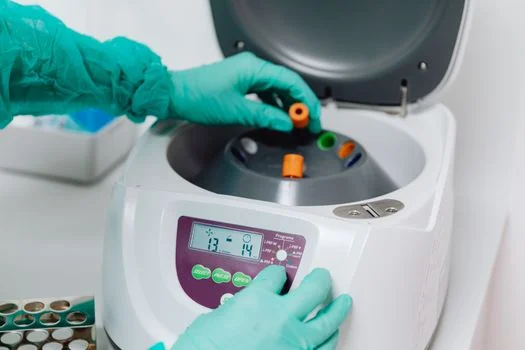
A prominent food processing facility in Bristol faced critical compliance challenges due to consistent FOG exceedances in its wastewater discharge, threatening substantial financial penalties. The plant was operating a 300 GPM (approx. 68 m³/hr) process stream with an average FOG concentration of 250 mg/L, far exceeding Bristol's stringent limit of <5 mg/L. This non-compliance resulted in potential fines of £12,000 per month. To address this, the facility invested in a HydropureWater DAF-100 system, with a CAPEX of £220,000. The system was integrated with an automated chemical dosing skid for polymer injection, incurring an additional OPEX of approximately £0.15/m³. Post-installation, the DAF system consistently achieved a remarkable 98% FOG removal rate, effectively reducing effluent FOG levels to below the regulatory threshold. This significant improvement translated into an annual fine avoidance of £144,000, providing a rapid payback period of approximately 18 months, driven by both the avoidance of penalties and operational efficiencies. the selection of stainless steel construction for the DAF unit proved beneficial in mitigating potential corrosion issues common in coastal environments like Bristol. The optimization of polymer dosing through the /product/8-automatic-chemical-dosing-system.html also led to a 22% reduction in chemical costs, underscoring the importance of integrated treatment solutions.
Frequently Asked Questions
What are Bristol’s discharge limits for industrial wastewater?
Bristol’s industrial wastewater discharge is regulated under the UK Water Industry Act 1991, with key limits including TSS below 30 mg/L, FOG below 5 mg/L, and pH maintained between 6 and 9. For specific industries like metal finishing, stringent limits for metals such as Cr(VI) at <0.1 mg/L are also enforced.
How long does it take to get an Environment Agency permit in Bristol?
The typical timeframe for obtaining an Environment Agency permit in Bristol is between 12 and 18 months. This includes an initial 6-month period for preparing comprehensive engineering reports and detailed site assessments, followed by a 6- to 12-month review and approval process by the agency, and a final 3-month public consultation phase.
What’s the most cost-effective treatment for high-FOG wastewater in Bristol?
For industrial facilities in Bristol dealing with high FOG concentrations, Dissolved Air Flotation (DAF) systems, such as HydropureWater’s, are generally the most cost-effective solution. These systems offer an OPEX range of £0.85–£1.20/m³ and can achieve over 95% FOG removal, providing a strong balance between performance and operational cost.
Can MBR systems handle Bristol’s high-energy costs?
Yes, MBR systems can be a viable option for Bristol’s high-energy cost environment, but careful selection is crucial. Opting for energy-efficient membranes, such as PVDF flat-sheet types, and ensuring the system's overall energy consumption remains below 0.5 kWh/m³ are key strategies to mitigate the impact of elevated energy prices and maintain competitive OPEX.
What’s the penalty for non-compliance in Bristol?
Penalties for industrial wastewater non-compliance in Bristol can be substantial. Fines can reach up to £20,000 per incident, and regulatory bodies may mandate immediate and often costly system upgrades, such as the installation of FOG pretreatment systems or advanced treatment units, in addition to ongoing monitoring and reporting requirements.
Related Equipment
The following HydropureWater products are engineered for the wastewater challenges discussed above:
- Bristol-optimized DAF systems for 95%+ FOG removal — view specifications, capacity range, and technical data
- energy-efficient MBR membranes for Bristol’s high-energy-cost environment — view specifications, capacity range, and technical data
Need a customized solution? Request a free quote with your specific flow rate and pollutant parameters.