Surabaya’s industrial wastewater treatment requirements in 2025 demand strict compliance with East Java Governor Regulation No. 72/2013, targeting BOD <30 mg/L, COD <100 mg/L, and TSS <50 mg/L for most sectors. Factories in Rungkut, Gresik, and Sidoarjo face penalties up to IDR 5 billion or operational shutdowns for non-compliance. This guide provides Surabaya-specific cost benchmarks (CAPEX: IDR 1.2–4.5 billion for 50–200 m³/h systems), equipment selection criteria, and a step-by-step compliance checklist to meet local standards for industrial wastewater treatment in Surabaya.
Why Surabaya’s Wastewater Regulations Are Stricter Than National Standards
East Java Governor Regulation No. 72/2013 imposes significantly stricter effluent discharge limits than national standards, reflecting Surabaya’s unique environmental pressures and its critical role in the Brantas River basin. While national regulations, such as PERMEN LH No. 5/2014, provide a general framework, East Java’s specific limits aim to protect the Brantas River, its tributaries, and the highly populated coastal areas from industrial pollution. For instance, the BOD limit under Pergub 72/2013 is 30 mg/L for many sectors, compared to the national standard which can be as high as 50-100 mg/L for certain industries, demanding more advanced treatment technologies.
The enforcement mechanism is rigorous, primarily managed by the Environmental Management Agency (BLH) of East Java. BLH conducts frequent inspections, including unannounced audits, and has the authority to impose substantial fines, issue operational suspensions, and even recommend permit revocation. Real cases from Surabaya and Gresik in recent years have seen factories facing penalties up to IDR 5 billion for chronic non-compliance or significant pollution incidents, underscoring the serious risks of inadequate wastewater treatment. The high economic importance of Surabaya’s industrial zones, such as the Surabaya Industrial Estate Rungkut (SIER) and various zones in Gresik, coupled with their proximity to the Brantas River and coastal areas, makes them high-priority targets for environmental oversight. These areas are vital for regional commerce but also pose concentrated pollution risks to critical water sources and marine ecosystems. While 2024 has not seen major updates to Pergub 72/2013, there is an increasing trend towards more stringent testing for emerging pollutants like microplastics and PFAS, particularly for textile and chemical plants, requiring factories to anticipate future regulatory shifts.
| Parameter | East Java (Pergub 72/2013, typical) | National (PERMEN LH No. 5/2014, typical) | Notes |
|---|---|---|---|
| BOD | <30 mg/L | <50 - 100 mg/L | Stricter for most industrial sectors in East Java |
| COD | <100 mg/L | <150 - 250 mg/L | Reflects higher oxidation demand |
| TSS | <50 mg/L | <75 - 100 mg/L | Aims to reduce particulate matter discharge |
| pH | 6.0 - 9.0 | 6.0 - 9.0 | Consistent across regulations |
| Heavy Metals (e.g., Cr) | <0.5 - 1.0 mg/L | <1.0 - 2.0 mg/L | More stringent for specific metals depending on industry |
Surabaya’s Industrial Wastewater: Key Pollutants and Treatment Challenges
Surabaya’s diverse manufacturing base generates complex wastewater streams, each with unique pollutant profiles that demand tailored treatment solutions. Generic wastewater treatment plant designs often fail to achieve compliance due to the specific characteristics of industrial effluent. For example, textile factories in Surabaya typically discharge wastewater high in dyes, chromium, heavy metals, and have a high Biochemical Oxygen Demand (BOD) and Chemical Oxygen Demand (COD), with influent BOD often ranging from 500-2000 mg/L and COD from 1000-4000 mg/L (HydropureWater field data, 2025). Food processing plants, on the other hand, produce effluent rich in Fats, Oils, and Grease (FOG), along with high organic loads (BOD 300-1500 mg/L, COD 600-3000 mg/L, FOG 50-500 mg/L). Metalworking industries contribute heavy metals (e.g., Cr, Ni, Cu, Zn at 1-100 mg/L), oils, and highly variable pH levels (2-12).
Beyond specific industrial pollutants, Surabaya faces unique environmental challenges. Seasonal heavy rainfall can lead to significant dilution or, conversely, overflow risks in wastewater collection systems, impacting treatment efficiency. High salinity in coastal industrial zones like Gresik can inhibit biological treatment processes, requiring specific adaptation in reactor design or higher energy input. The density of industrial estates in areas like Rungkut also presents a challenge, with some factories opting for shared WWTPs while others require robust on-site systems for specialized waste streams. Pretreatment is often the most critical step for effective industrial wastewater treatment in Surabaya. For instance, a DAF system for Surabaya’s high-FOG wastewater is essential for food processing to remove FOG before biological treatment, preventing system upsets and improving overall efficiency. Similarly, pH adjustment is crucial for metalworking effluent to facilitate heavy metal precipitation, reducing the load on subsequent treatment stages. A typical Surabaya industrial WWTP often follows a process flow diagram involving screening for large solids, equalization to stabilize flow and concentration, primary treatment (e.g., DAF for FOG/TSS), secondary biological treatment (e.g., activated sludge or MBR), secondary sedimentation, and finally, disinfection before discharge to meet East Java’s stringent standards.
| Industry Sector | Key Pollutants | Typical Influent Concentrations (BOD/COD/TSS) | Primary Treatment Challenge |
|---|---|---|---|
| Textile | Dyes, Chromium, Heavy Metals, High BOD/COD, pH variations | BOD: 500-2000 mg/L, COD: 1000-4000 mg/L, TSS: 100-500 mg/L | Color removal, organic load reduction, heavy metal precipitation |
| Food Processing | Fats, Oils, Grease (FOG), High BOD/COD, Suspended Solids | BOD: 300-1500 mg/L, COD: 600-3000 mg/L, TSS: 200-800 mg/L, FOG: 50-500 mg/L | FOG separation, high organic load management |
| Chemical | Specific organics, Heavy Metals, High COD, pH variations, Toxics | BOD: 200-1000 mg/L, COD: 500-5000 mg/L, TSS: 50-500 mg/L | Toxicity neutralization, complex organic removal |
| Metalworking | Heavy Metals, Oils, Greases, Suspended Solids, pH variations | BOD: 50-300 mg/L, COD: 100-800 mg/L, TSS: 100-500 mg/L, Oils: 50-500 mg/L | Heavy metal precipitation, oil/grease separation |
How to Design a Wastewater Treatment System for Surabaya’s Standards
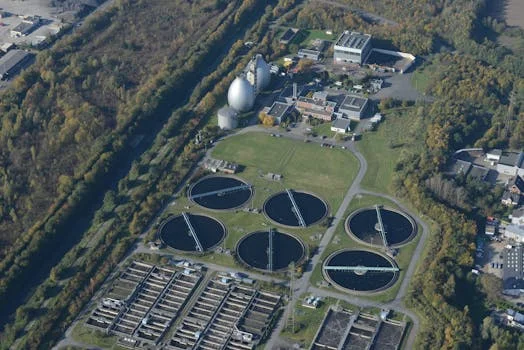
Designing an effective industrial wastewater treatment system for Surabaya requires a systematic approach, starting with a thorough understanding of the influent and culminating in a technology selection that ensures consistent compliance. Over- or under-engineering can lead to significant capital expenditure waste or persistent regulatory issues.
Step 1: Influent Characterization. The foundation of any robust design is accurate influent data. Factories must test for key parameters including BOD, COD, TSS, pH, and industry-specific pollutants such as chromium for tanneries or specific organic compounds for chemical plants. Sampling should be frequent, typically daily or weekly for critical parameters, and conducted by BLH-approved laboratories in Surabaya to ensure data validity for permit applications. Comprehensive analysis helps define the design basis for the entire system.
Step 2: Flow and Load Calculation. Sizing a WWTP correctly depends on accurately predicting both average and peak wastewater flows and pollutant loads. Industrial facilities often have batch discharges, leading to significant flow fluctuations. It is recommended to size systems for peak flow, typically estimated as 1.5 times the average daily flow, to prevent overloading during high-discharge periods. The formula for determining system capacity is: Q (m³/h) = (daily wastewater volume in m³) / (operating hours × 1.5). For example, a factory discharging 1200 m³/day over 16 operating hours would need a system sized for at least 50 m³/h (1200 / (16 * 1.5) = 50).
Step 3: Technology Selection. Choosing the right treatment technology is critical for meeting Surabaya’s strict effluent limits efficiently. Different technologies excel at removing specific pollutants. For example, DAF systems are highly effective for removing FOG and suspended solids, while MBR systems for Surabaya’s high-BOD industrial wastewater offer superior effluent quality for organic pollutants and have a compact footprint. When to choose lamella clarifiers for Surabaya’s high-TSS wastewater depends on high particulate loads requiring efficient sedimentation. The table below compares common technologies relevant to Surabaya’s industrial mix.
Step 4: Compliance Buffer. To account for operational variability, influent fluctuations, and potential future tightening of regulations, it is prudent to design a WWTP to achieve effluent quality 10–20% stricter than Pergub 72/2013 limits. For instance, if the BOD limit is 30 mg/L, target a design effluent BOD of <25 mg/L. This buffer provides operational flexibility and reduces the risk of non-compliance during unexpected events.
| Technology | Primary Application | Pros | Cons | Typical CAPEX (50 m³/h) | Typical OPEX (per m³) | Footprint | Effluent Quality (BOD/COD) |
|---|---|---|---|---|---|---|---|
| DAF (Dissolved Air Flotation) | FOG, TSS, Oil removal | High efficiency for FOG/TSS, rapid separation, compact | Chemical consumption, sludge disposal, not for dissolved organics | IDR 800M - 1.2B | IDR 500 - 1,500 | Small | Pre-treatment stage; BOD/COD reduction 30-60% |
| MBR (Membrane Bioreactor) | High BOD/COD, nutrient removal, high-quality effluent | Superior effluent quality (BOD<10, COD<50), very compact, minimal sludge | High energy consumption, membrane fouling, higher CAPEX | IDR 1.5B - 2.5B | IDR 1,500 - 3,000 | Very Small | Excellent; BOD <10 mg/L, COD <50 mg/L |
| Lamella Clarifier | High TSS removal, chemical flocculation aid | Compact sedimentation, low energy, good TSS removal | Less effective for FOG/dissolved pollutants, requires chemical dosing for fine particles | IDR 700M - 1B | IDR 300 - 1,000 | Small | Good TSS removal; limited BOD/COD reduction |
| Conventional Activated Sludge (CAS) | General BOD/COD removal | Proven technology, robust, lower CAPEX than MBR | Large footprint, requires secondary clarifier, effluent quality lower than MBR | IDR 1B - 1.8B | IDR 800 - 1,800 | Large | Good; BOD <30 mg/L, COD <100 mg/L |
Cost Breakdown: Wastewater Treatment Plants in Surabaya (2025 Data)
Understanding the financial implications of installing and operating an industrial wastewater treatment plant in Surabaya is critical for budgeting and strategic planning. Costs vary significantly based on system capacity, technology selected, and site-specific factors.
Capital Expenditure (CAPEX) for a 50–200 m³/h industrial WWTP in Surabaya typically ranges from IDR 1.2 billion to IDR 4.5 billion. Specific technology choices drive these costs:
- DAF systems: IDR 800 million – 2 billion (for 50-200 m³/h capacity).
- MBR systems: IDR 1.5 billion – 3.5 billion (for 50-200 m³/h capacity), reflecting higher membrane costs.
- Conventional Activated Sludge (CAS) systems: IDR 1 billion – 2.5 billion (for 50-200 m³/h capacity).
Operational Expenditure (OPEX) is an ongoing cost that includes:
- Energy: Varies significantly by technology. MBR systems consume 1.2–1.8 kWh/m³, while DAF systems typically require 0.3–0.5 kWh/m³. Conventional activated sludge systems are often in the range of 0.8–1.5 kWh/m³.
- Chemicals: Flocculants, coagulants, pH adjusters, and disinfectants can cost IDR 500 – 2,000/m³ of treated wastewater, depending on influent quality and treatment complexity.
- Labor: Typically requires 1–2 skilled operators per shift, depending on plant size and automation level.
- Maintenance: Annual maintenance budgets should allocate 2–5% of the initial CAPEX for spare parts, routine servicing, and membrane cleaning/replacement (for MBR).
Surabaya-specific cost factors include higher land prices in prime industrial areas like Rungkut, which can range from IDR 1.5 million – 3 million/m², making compact systems more attractive. Coastal industrial zones in Gresik may necessitate corrosion-resistant materials (e.g., stainless steel or FRP tanks) for equipment, increasing material costs. For factories connected to shared WWTPs in industrial estates like SIER, fees typically range from IDR 1,500 – 4,000/m³ of discharged wastewater, offering an alternative to on-site CAPEX for smaller facilities.
The Return on Investment (ROI) for a compliant WWTP can be substantial when considering the severe penalties for non-compliance. Regulatory fines in Surabaya range from IDR 500 million to IDR 5 billion, alongside the risk of operational shutdowns and reputational damage. For example, a 100 m³/h textile plant facing IDR 2.5 billion/year in potential fines could achieve a positive ROI within a year by investing IDR 2 billion in a DAF + MBR system. Beyond avoiding penalties, a well-designed WWTP can offer savings through water reuse, reduced surcharges for shared facilities, and enhanced corporate social responsibility.
| Cost Category | Description | Typical Range (50-200 m³/h) | Surabaya-Specific Factors |
|---|---|---|---|
| CAPEX: DAF System | Equipment, installation for Dissolved Air Flotation | IDR 800M - 2B | |
| CAPEX: MBR System | Equipment, installation for Membrane Bioreactor | IDR 1.5B - 3.5B | |
| CAPEX: Conventional Activated Sludge | Equipment, installation for biological treatment | IDR 1B - 2.5B | |
| CAPEX: Civil Works | Tanks, foundations, building structures | 30-40% of total CAPEX | Higher land prices in Rungkut (IDR 1.5M–3M/m²) |
| CAPEX: Automation (PLC/SCADA) | Control systems, sensors, software | IDR 200M - 500M | |
| OPEX: Energy | Electricity for pumps, blowers, MBR membranes | 0.8 - 1.5 kWh/m³ (avg.) | MBR: 1.2-1.8 kWh/m³, DAF: 0.3-0.5 kWh/m³ |
| OPEX: Chemicals | Coagulants, flocculants, pH adjusters, disinfectants | IDR 500 - 2,000/m³ | Dependent on influent load and target effluent quality |
| OPEX: Labor | Operators, technicians | 1-2 operators/shift | Local wage rates |
| OPEX: Maintenance | Spare parts, routine servicing, membrane cleaning | 2-5% of CAPEX/year | Corrosion-resistant materials for Gresik coastal plants |
| OPEX: Shared WWTP Fees | Connection fees for industrial estates like SIER | IDR 1,500 - 4,000/m³ | Alternative for smaller plants in designated zones |
Equipment Selection Framework for Surabaya’s Industrial Sectors
Selecting the appropriate wastewater treatment equipment for a Surabaya industrial facility is a critical decision that hinges on influent quality, desired effluent standards, and site-specific constraints. A structured decision framework helps streamline this process, moving beyond generic solutions to tailored, efficient systems.
The decision process typically begins with the primary characteristics of the influent wastewater. For instance, if the wastewater has a high concentration of Fats, Oils, and Grease (FOG) or suspended solids (TSS), a DAF system for Surabaya’s high-FOG wastewater is often the first choice for effective pretreatment. If the primary challenge is high Biochemical Oxygen Demand (BOD) and Chemical Oxygen Demand (COD), especially to achieve very low discharge limits, an advanced biological system like an MBR system for Surabaya’s high-BOD industrial wastewater becomes essential. For wastewater with predominantly high TSS that requires efficient solid-liquid separation, a lamella clarifier offers a compact and effective solution.
Industry-specific recommendations further refine equipment selection:
- Textile Plants: Typically require a combination of physical-chemical and biological treatment. A DAF system is highly effective for initial dye and suspended solids removal, followed by an MBR system to achieve stringent BOD/COD limits (often targeting effluent BOD <20 mg/L).
- Food Processing Plants: Characterized by high FOG and organic loads. A DAF system is crucial for FOG removal, often followed by anaerobic digestion for high-strength BOD wastewater, which can also offer biogas recovery benefits.
- Metalworking Facilities: Produce wastewater with heavy metals and oils. Chemical precipitation (e.g., pH adjustment and coagulants) followed by a lamella clarifier is effective for heavy metal removal (targeting effluent Cr <0.5 mg/L), with an oil-water separator for free oils.
Surabaya-specific considerations influence material choices and system footprint. For coastal plants in Gresik, corrosion-resistant materials like Fiberglass Reinforced Plastic (FRP) tanks or specialized coatings for steel are vital to withstand saline environments. In dense industrial zones like Rungkut, where land is expensive and space is limited, compact systems are preferred. WSZ series underground WWTP for Rungkut’s space-constrained factories offer a solution by minimizing above-ground footprint. When engaging suppliers, a comprehensive vendor checklist should include questions about local service support, spare parts availability, and verifiable case studies within the Surabaya or East Java region to ensure long-term operational reliability.
| Influent Quality Trigger | Recommended Primary Technology | Industry Example | Surabaya-Specific Consideration |
|---|---|---|---|
| High FOG (>50 mg/L) | DAF (Dissolved Air Flotation) | Food Processing, Slaughterhouses | Crucial for preventing downstream biological system upsets. |
| High BOD/COD (>500 mg/L) | MBR (Membrane Bioreactor) or Anaerobic Digestion + Aerobic | Textile, Chemical, High-strength Food Processing | MBR for compact footprint in Rungkut; Anaerobic for energy recovery. |
| High TSS (>100 mg/L) | Lamella Clarifier, DAF | Metalworking, General Manufacturing, Pre-treatment | Compact sedimentation for effective solids removal. |
| Heavy Metals (>1 mg/L) | Chemical Precipitation + Lamella Clarifier | Metalworking, Electroplating, Chemical | Careful pH control and sludge handling. |
| Space Constraint | MBR, WSZ Underground Systems | Rungkut Industrial Estate | Maximizes land use efficiency. |
Step-by-Step Compliance Checklist for Surabaya Factories
Achieving and maintaining compliance with Surabaya’s industrial wastewater regulations requires a proactive, structured approach throughout the entire project lifecycle, from planning to ongoing operations. This checklist outlines the key steps to navigate the regulatory landscape effectively.
Pre-installation Phase:
- Environmental Impact Assessment (AMDAL) or UKL-UPL: For new facilities or significant expansions, conduct an AMDAL (for large-scale projects) or UKL-UPL (for smaller projects) to assess environmental impacts and propose mitigation measures. This is a mandatory first step before any construction.
- BLH Permit Application: Submit a comprehensive permit application to the East Java Environmental Management Agency (BLH). Required documents typically include a detailed site plan, process flow diagram of the proposed WWTP, influent and target effluent quality data, equipment specifications, and proof of AMDAL/UKL-UPL approval.
- Public Consultation: For plants exceeding 100 m³/h capacity or those with significant environmental impacts, public consultation with local communities is often required as part of the AMDAL process, demonstrating transparency and addressing community concerns.
Installation Phase:
- BLH Inspection During Construction: Schedule pre-construction and during-construction inspections with BLH officials. This ensures that the WWTP is being built according to the approved design and permits. Any deviations must be approved by BLH.
- Operator Training: Ensure that plant operators receive comprehensive training on WWTP operation, maintenance, and safety protocols. Certification for operators is required for plants exceeding 50 m³/h capacity, emphasizing the need for skilled personnel.
Post-installation and Operational Phase:
- Effluent Testing Frequency: Implement a rigorous effluent testing schedule. For critical parameters like BOD, COD, and TSS, weekly testing is typically required. Heavy metals and other specific pollutants may require monthly or quarterly testing, depending on the permit conditions. All tests must be conducted by BLH-approved laboratories.
- Reporting: Submit monthly operational reports to the BLH. These reports must include detailed influent and effluent quality data, chemical usage logs, sludge generation and disposal records, and maintenance logs. Accurate record-keeping is vital.
- Surprise Audits: Be prepared for unannounced inspections from BLH. Maintain all operational records, permits, and test results on-site for at least two years, as auditors will verify compliance through documentation and on-site observations.
Frequently Asked Questions
Q: What are the penalties for non-compliance with Surabaya’s wastewater regulations?
A: Penalties for non-compliance with Surabaya’s wastewater regulations, particularly Pergub 72/2013, are severe. They include fines up to IDR 5 billion, temporary operational shutdowns, and even criminal charges for repeat offenders or those causing significant environmental damage. In 2023, the East Java BLH temporarily closed 12 factories in Gresik for consistently exceeding their BOD discharge limits.
Q: Can I use a shared WWTP in Surabaya’s industrial estates, or do I need an on-site system?
A: Shared WWTPs, such as those in the Surabaya Industrial Estate Rungkut (SIER), are a viable option for smaller factories (typically those discharging less than 50 m³/h) with relatively common wastewater characteristics. However, larger plants or those with highly hazardous waste streams (e.g., high concentrations of heavy metals or persistent organic pollutants) are generally required to install and manage their own on-site treatment systems. Shared WWTP fees in SIER typically range from IDR 1,500–4,000/m³.
Q: How do I choose between DAF and MBR for my Surabaya factory?
A: The choice between Dissolved Air Flotation (DAF) and Membrane Bioreactor (MBR) systems depends heavily on your influent wastewater profile and desired effluent quality. Use DAF primarily for effective removal of high Fats, Oils, and Grease (FOG) or Suspended Solids (TSS), common in food processing or metalworking. MBR is ideal for achieving very high effluent quality, particularly for reducing high Biochemical Oxygen Demand (BOD) and Chemical Oxygen Demand (COD), typical in textile or chemical industries. MBR systems have a smaller footprint but higher OPEX due to energy consumption (1.2–1.8 kWh/m³) compared to DAF (0.3–0.5 kWh/m³).
Q: What are the maintenance requirements for a WWTP in Surabaya?
A: Regular maintenance is crucial for optimal WWTP performance and compliance. Weekly tasks typically include checking pumps, aerators, and chemical dosing systems. Monthly maintenance involves cleaning membranes (for MBR systems), replacing filter media (for DAF), and conducting comprehensive effluent quality tests. Annually, a full system inspection, calibration of sensors, and major component servicing are recommended, with an estimated cost of IDR 50 million – 200 million depending on system complexity.
Q: Are there government incentives for installing wastewater treatment in Surabaya?
A: Yes, the East Java provincial government offers incentives to encourage industrial environmental compliance. These can include tax breaks, such as up to a 50% reduction in land and building tax for factories investing in compliant wastewater treatment infrastructure. Additionally, low-interest loans, typically ranging from 6–8% per annum, may be available through regional banks like Bank Jatim for environmental projects. Applications for these incentives are generally processed through the BLH or relevant financial institutions.