Industrial wastewater treatment in Kochi requires compliance with Kerala Pollution Control Board (KPCB) standards, including pH 6.5–8.5, BOD ≤ 30 mg/L, COD ≤ 250 mg/L, and TSS ≤ 100 mg/L for inland surface discharge. For seafood processing plants, additional limits apply to oil & grease (≤ 10 mg/L) and chloride (≤ 1,000 mg/L). Treatment costs range from $0.8–$4.2/m³, depending on technology (DAF for FOG removal, MBBR for high BOD/COD, MBR for reuse). This guide provides Kochi-specific engineering parameters, cost benchmarks, and an equipment selection checklist for 2025.
Why Kochi Factories Need Industrial Wastewater Treatment in 2025
Kochi’s rapid industrial expansion in key sectors is directly correlating with increased scrutiny from the Kerala Pollution Control Board (KPCB) regarding industrial effluent treatment and discharge. Seafood processing accounts for approximately 30% of Kerala’s exports, while the textile sector contributes 12% of the state's output, and the pharmaceutical industry experiences a 5% year-over-year growth, all contributing significantly to the demand for robust wastewater treatment solutions. KPCB enforcement trends indicate that 42% of inspected factories in Kochi received notices in 2023 for exceeding discharge limits, underscoring the heightened regulatory environment (KPCB 2023 report).
Failing to comply with KPCB regulations carries substantial financial and operational risks for Kochi factories. For instance, a Kochi seafood processing plant successfully reduced its Biological Oxygen Demand (BOD) from an influent concentration of 800 mg/L down to a compliant 25 mg/L by implementing a Dissolved Air Flotation (DAF) and Moving Bed Biofilm Reactor (MBBR) system, effectively avoiding an estimated ₹5 lakh in annual fines. Risks of non-compliance extend beyond monetary penalties, which can reach up to ₹15 lakh per violation, to include mandated production halts, facility closures, and significant reputational damage within the industry and local community (KPCB 2024 guidelines). Proactive investment in effective industrial wastewater treatment in Kochi is therefore not merely a compliance burden but a strategic imperative for operational continuity and long-term sustainability.
Industries like chemical manufacturing, which is among the top three sectors in the region for wastewater generation, face particularly stringent requirements due to the complex nature of their effluents. Ensuring global wastewater treatment benchmarks are met, and local regulations are adhered to, is critical for all facilities operating in this dynamic industrial environment.
Kochi’s Wastewater Treatment Standards: KPCB Limits vs. Industry Benchmarks
Achieving compliance with Kerala Pollution Control Board (KPCB) discharge limits is the primary objective for industrial wastewater treatment in Kochi, preventing penalties and ensuring sustainable operations. The KPCB mandates specific parameters for industrial effluents discharged into inland surface waters (2024 guidelines), which include a pH range of 6.5–8.5, Biological Oxygen Demand (BOD) ≤ 30 mg/L, Chemical Oxygen Demand (COD) ≤ 250 mg/L, Total Suspended Solids (TSS) ≤ 100 mg/L, and oil & grease ≤ 10 mg/L. These limits are foundational for all industrial facilities.
Beyond these general parameters, specific industries in Kochi face additional, tailored regulations due to their unique effluent characteristics. Seafood processing plants, for example, must adhere to a chloride limit of ≤ 1,000 mg/L and a strict FOG (Fats, Oils, and Grease) limit of ≤ 10 mg/L to prevent marine ecosystem damage. Textile manufacturing effluents are regulated for color (≤ 150 Pt-Co units) and sulfate (≤ 500 mg/L) due to the discharge of dyes and chemicals. Pharmaceutical facilities face stringent limits on heavy metals (e.g., lead, cadmium, mercury ≤ 0.1 mg/L) and specific organic compounds to prevent environmental contamination.
When comparing KPCB standards to global benchmarks, Kochi's limits are often stricter for parameters like COD (≤ 250 mg/L vs. EU Urban Waste Water Directive's ≤ 125 mg/L for municipal, but often higher for industrial without specific industry category in EU), yet more lenient for nutrient removal (nitrogen and phosphorus are not yet enforced by KPCB, unlike EPA's BOD ≤ 25 mg/L and comprehensive nutrient limits). Zero Liquid Discharge (ZLD) systems are mandatory for certain high-pollution industries like tanneries and chemical plants in Kochi, as per a KPCB 2023 circular, reflecting a push towards advanced treatment and water reuse.
| Parameter | KPCB Discharge Limit (Inland Surface) | Industry-Specific Notes (Kochi) |
|---|---|---|
| pH | 6.5 – 8.5 | General industrial effluent standard. |
| BOD (3 days at 27°C) | ≤ 30 mg/L | Standard for biological oxygen demand. |
| COD | ≤ 250 mg/L | Chemical Oxygen Demand, often stricter than global municipal limits. |
| TSS (Total Suspended Solids) | ≤ 100 mg/L | Standard for suspended particulate matter. |
| Oil & Grease | ≤ 10 mg/L | Crucial for seafood processing and food industries. |
| Chloride | ≤ 1,000 mg/L | Specific to seafood processing effluents. |
| Color | ≤ 150 Pt-Co units | Specific to textile dyeing and printing effluents. |
| Sulfate | ≤ 500 mg/L | Relevant for textile and chemical industries. |
| Heavy Metals (e.g., Pb, Cd, Hg) | ≤ 0.1 mg/L (total) | Critical for pharmaceutical and chemical industries. |
How to Choose the Right Wastewater Treatment Technology for Kochi Factories
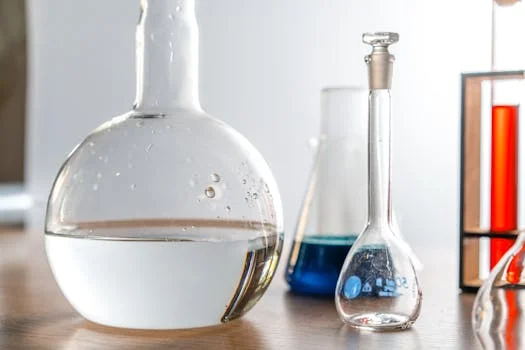
Selecting the optimal industrial wastewater treatment technology for a Kochi factory hinges on a detailed understanding of effluent characteristics, available space, and specific discharge goals. Effluent characterization is paramount: seafood processing wastewater typically features high Fats, Oils, and Grease (FOG), high chloride, and moderate BOD; textile effluents are characterized by high color, high pH, and varying COD/BOD with sulfates; pharmaceutical wastewater often contains complex organic compounds, heavy metals, and high COD.
A structured technology selection framework matches these influent parameters to the most effective treatment efficiency. For instance, if influent FOG concentrations are consistently above 500 mg/L, or BOD is exceptionally high (e.g., >1,000 mg/L), specific technologies become indispensable. DAF systems for high-efficiency FOG and TSS removal in Kochi’s seafood and food processing plants are highly effective, achieving 92–97% FOG removal and 85–90% TSS removal. These systems typically operate with a hydraulic retention time (HRT) of 20–40 minutes, making them compact and efficient for primary treatment.
For industries with high soluble BOD and COD, such as textile dyeing and pharmaceutical manufacturing, Moving Bed Biofilm Reactor (MBBR) systems are ideal. MBBRs are robust biological treatment solutions, capable of handling organic loading rates (OLR) between 0.5–1.5 kg BOD/m³/day, and producing a relatively low sludge yield of 0.2–0.4 kg TSS/kg BOD removed (EPA 2023). Their compact design and resilience to shock loads make them suitable for variable industrial effluents. For a deeper understanding of biological treatment options, refer to our guide on aerobic vs. anaerobic treatment comparison for Kochi factories.
When stringent discharge limits, water reuse, or severe space constraints are factors, Membrane Bioreactor (MBR) systems offer superior performance. MBR systems for space-constrained sites and water reuse in Kochi’s pharmaceutical and textile industries provide high-quality effluent, often suitable for non-potable reuse, with a footprint up to 60% smaller than conventional activated sludge systems. MBR membranes typically have a pore size of 0.1 μm and operate at a flux rate of 15–25 LMH (liters per square meter per hour), ensuring excellent removal of suspended solids, bacteria, and viruses. Given Kochi’s high population density and rising land costs, compact solutions like underground systems (e.g., HydropureWater WSZ series for hotels/hospitals) or containerized systems for temporary or remote industrial sites (e.g., construction camps) are increasingly viable, offering flexibility without compromising treatment efficiency.
| Technology | Ideal Industry & Effluent | Key Advantages | Key Disadvantages | Typical Performance Parameters |
|---|---|---|---|---|
| Dissolved Air Flotation (DAF) | Seafood, Food Processing (High FOG, TSS) | High FOG/TSS removal, rapid separation, compact footprint for primary treatment. | Requires chemical coagulants/flocculants, generates oily sludge, not for soluble BOD. | FOG Removal: 92-97%, TSS Removal: 85-90%, HRT: 20-40 mins. |
| Moving Bed Biofilm Reactor (MBBR) | Textiles, Pharmaceuticals, Chemical (High BOD, COD) | High BOD/COD removal, compact biological reactor, resilient to shock loads, no sludge return. | Requires secondary clarifier, sensitive to toxic compounds, generates biological sludge. | BOD Removal: 80-95%, COD Removal: 60-85%, OLR: 0.5-1.5 kg BOD/m³/day. |
| Membrane Bioreactor (MBR) | Pharmaceuticals, Textiles, Reuse (High BOD/COD, TSS, space-constrained) | Superior effluent quality (reuse potential), very compact footprint, excellent pathogen removal. | Higher CAPEX/OPEX (membrane replacement, energy), membrane fouling, complex operation. | BOD Removal: >95%, COD Removal: >90%, TSS Removal: >99%, Membrane Pore Size: 0.1 μm. |
Cost Breakdown: Industrial Wastewater Treatment in Kochi (2025 Data)
Understanding the financial implications of industrial wastewater treatment in Kochi requires transparent benchmarks for both Capital Expenditure (CAPEX) and Operational Expenditure (OPEX), along with a clear pathway to calculating Return on Investment (ROI). CAPEX for a new industrial wastewater treatment plant in Kochi in 2025 typically ranges from $500–$2,500 per cubic meter per day (m³/day) of treatment capacity. More specifically, DAF systems generally incur CAPEX between $800–$1,200/m³/day, MBBR systems range from $1,000–$1,800/m³/day, and advanced MBR systems, due to their specialized membrane technology, are priced higher at $1,500–$2,500/m³/day. These figures encompass civil works, equipment procurement, installation, and commissioning.
Operational Expenditure (OPEX) is a critical ongoing cost, typically ranging from $0.8–$4.2/m³ of treated wastewater. This includes several key components: electricity consumption, which can be $0.15–$0.30/m³ depending on the aeration and pumping requirements; chemical consumption (coagulants, flocculants, disinfectants) at $0.20–$0.50/m³; labor costs for operation and maintenance, estimated at $0.10–$0.20/m³; and sludge disposal, a significant factor at $0.15–$0.40/m³ due to transportation and landfilling fees.
Kochi-specific cost factors can significantly influence these benchmarks. Labor costs in Kochi are approximately 15% higher than the national average for skilled technicians. Land prices in industrial zones, ranging from $1,200–$2,000/m², necessitate compact treatment solutions to minimize civil construction costs. the region's monsoon season can lead to increased maintenance requirements for outdoor systems, potentially adding 20% to the annual OPEX for these units due to weather-related wear and tear or power disruptions.
A practical ROI calculation for a 500 KLD (kiloliters per day) seafood processing plant implementing a DAF + MBBR system illustrates the financial benefits. With an estimated CAPEX of $400,000, and an OPEX of $120,000 per year, the plant can expect annual savings from avoided KPCB fines (e.g., $50,000/year) and water reuse (e.g., $30,000/year for non-potable applications). This scenario yields a payback period of approximately 3.5 years. To further support investment, financing options in Kochi include KPCB subsidies, offering up to 30% of CAPEX for ZLD systems, Small Industries Development Bank of India (SIDBI) loans with interest rates typically between 8–10%, and equipment leasing options, which can help manage initial capital outlay.
| Cost Category | DAF System (per m³/day capacity) | MBBR System (per m³/day capacity) | MBR System (per m³/day capacity) |
|---|---|---|---|
| CAPEX Range (2025) | $800 – $1,200 | $1,000 – $1,800 | $1,500 – $2,500 |
| OPEX Range (per m³ treated) | $0.8 – $1.5 | $1.2 – $2.5 | $2.5 – $4.2 |
| Electricity | $0.15 – $0.20 | $0.20 – $0.25 | $0.25 – $0.30 |
| Chemicals | $0.20 – $0.35 | $0.20 – $0.30 | $0.15 – $0.25 |
| Labor | $0.10 – $0.15 | $0.10 – $0.15 | $0.15 – $0.20 |
| Sludge Disposal | $0.30 – $0.40 | $0.25 – $0.35 | $0.15 – $0.25 |
Step-by-Step: Designing a Wastewater Treatment Plant for Kochi Factories
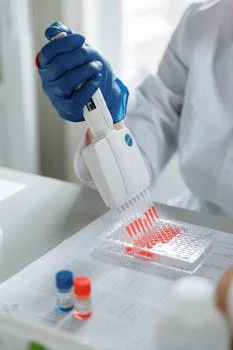
Designing or upgrading an industrial wastewater treatment plant in Kochi involves a systematic approach to ensure compliance, efficiency, and cost-effectiveness. The first critical step is a comprehensive site assessment, which evaluates available space, soil conditions, and proximity to discharge points. DAF systems typically require 0.5–1 m²/m³/day of treatment capacity, MBBR systems need 1–2 m²/m³/day, and MBR systems are the most compact at 0.3–0.5 m²/m³/day, making them ideal for sites with high land value or limited footprint. Soil analysis is crucial for determining the feasibility and cost of underground tanks, which are often considered in space-constrained urban areas.
Pilot testing is often a mandatory requirement, particularly for advanced biological systems like MBBR and MBR, as stipulated by KPCB 2024 guidelines. These tests typically run for 3–6 months, providing crucial data on COD/BOD removal rates, sludge settleability, and for MBR systems, membrane fouling characteristics under real-world effluent conditions. Skipping pilot testing can lead to significant design errors and up to 30% higher CAPEX for retrofits later.
Vendor selection is another pivotal stage. When evaluating suppliers, a rigorous checklist should include questions such as: 'Does your company have a Kochi service center?', 'What is your average response time for breakdown support?', 'Can you provide references from similar industrial installations in Kerala?', 'What are the guaranteed performance parameters for our specific effluent?', and 'Do you offer comprehensive post-installation training and maintenance contracts?'
The permitting process with the KPCB is lengthy, typically taking 6–12 months. Required documents include an Environmental Impact Assessment (EIA) report, a No Objection Certificate (NOC) from the local panchayat or municipality, and explicit consent to establish and operate the facility. Common mistakes in the design and implementation phase include underestimating sludge disposal costs, which can represent up to 20% of the total OPEX, ignoring the impact of monsoon seasons (e.g., flooding, power outages, increased raw water turbidity), and, as mentioned, neglecting pilot testing, which often results in suboptimal system performance and costly modifications.
Frequently Asked Questions
Addressing common inquiries helps Kochi factory managers, engineers, and procurement teams make informed decisions about industrial wastewater treatment.
How much does an industrial wastewater treatment plant cost in Kochi?
Costs for an industrial wastewater treatment plant in Kochi range from $500–$2,500 per cubic meter per day (m³/day) of capacity, depending on the technology. DAF systems typically cost $800–$1,200/m³/day, MBBR systems are $1,000–$1,800/m³/day, and MBR systems range from $1,500–$2,500/m³/day. Operational expenses (OPEX) are $0.8–$4.2/m³ treated, based on 2025 data, covering electricity, chemicals, labor, and sludge disposal.
What are the three types of industrial wastewater treatment?
Industrial wastewater treatment typically involves three stages: Primary treatment uses physical processes like screening and sedimentation to remove large solids and suspended particles. Secondary treatment employs biological processes, such as MBBR or activated sludge, to remove dissolved organic matter. Tertiary treatment involves advanced processes like chemical treatment, filtration, and disinfection to remove remaining pollutants, nutrients, and pathogens, often to enable water reuse. Kochi factories often require all three stages for KPCB compliance.
What is the largest WWTP in the world?
The largest wastewater treatment plant in the world is the Jebel Ali Sewage Treatment Plant in Dubai (UAE), with a capacity of 3.3 million m³/day. In comparison, Kochi’s largest municipal WWTP is the Brahmapuram plant, with a capacity of 100 MLD (million liters per day), while individual industrial plants in Kochi typically range from 500 KLD (kiloliters per day) to 5 MLD.
What is industrial wastewater called?
Industrial wastewater is commonly referred to as 'effluent'. It is categorized by its source: process wastewater (generated directly from manufacturing operations), sanitary wastewater (from restrooms and kitchens), and stormwater (rainwater runoff from industrial sites). KPCB regulates all three under distinct discharge limits in Kochi.
How can I reduce wastewater treatment costs in Kochi?
To reduce wastewater treatment costs in Kochi, factories can implement several strategies. Optimizing chemical dosing with automatic chemical dosing systems to reduce OPEX by 15–20% in Kochi factories minimizes chemical consumption. Reusing treated water for non-potable applications can save $0.50–$1.00/m³ in fresh water procurement costs. Additionally, selecting energy-efficient equipment, such as MBR systems with low-pressure membranes and high-efficiency blowers, significantly lowers electricity consumption over the plant's lifespan.
Further Reading
Explore these in-depth articles on related wastewater treatment topics: