Why Uganda’s Factories Are Investing in Wastewater Treatment in 2025
Uganda’s industrial sector is grappling with increasingly stringent environmental regulations, pushing factories to prioritize wastewater treatment not just for compliance, but also for operational efficiency and cost savings. The National Environment Management Authority (NEMA) is enforcing discharge limits such as BOD < 50 mg/L, COD < 250 mg/L, and TSS < 100 mg/L, with significant penalties for non-compliance. Data from NEMA's 2023 Annual Report indicates that 37% of factories in Kampala received non-compliance notices, highlighting the urgency. Compounding this regulatory pressure is the growing scarcity of water in key industrial hubs like Jinja and Mbarara. Industrial water costs have surged by 42% since 2020, according to Uganda Water Board data. Companies that invest in effective wastewater treatment systems can mitigate these risks and unlock financial benefits. For instance, Mukwano Industries successfully reduced its wastewater BOD from 1,200 mg/L to below 50 mg/L by implementing a UASB followed by aerobic polishing, leading to a 30% reduction in their water acquisition costs. The financial impact of NEMA fines, which can easily amount to $50,000 annually, versus the one-time capital investment of approximately $2 million for a robust treatment system, presents a clear economic argument for proactive wastewater management. adhering to WHO guidelines for wastewater reuse opens avenues for water conservation and cost recovery.
Uganda’s Industrial Wastewater Compliance Checklist: NEMA and WHO Standards
Navigating Uganda's regulatory landscape for industrial wastewater requires a thorough understanding of both national and international standards. Factories must ensure their effluent meets NEMA’s specific discharge limits to avoid penalties, which can include fines up to UGX 100 million (approximately $27,000) or even plant shutdowns as stipulated by the NEMA Act 2019. These limits typically cover key parameters crucial for environmental protection. Beyond NEMA, the World Health Organization (WHO) provides essential guidelines for wastewater reuse, particularly in agriculture, ensuring public health and safety. It is also important to note that local authorities, such as the Kampala Capital City Authority (KCCA), may impose stricter local variations on these standards.
| Parameter | NEMA Discharge Limit (Industrial Effluent) | WHO Guideline (Wastewater Reuse - Agriculture) | NEMA Testing Frequency (2023 Guidelines) |
|---|---|---|---|
| Biochemical Oxygen Demand (BOD) | < 50 mg/L | N/A (focus on COD/TOC for agricultural reuse) | Monthly |
| Chemical Oxygen Demand (COD) | < 250 mg/L | < 1000 mg/L (for restricted irrigation) | Monthly |
| Total Suspended Solids (TSS) | < 100 mg/L | < 150 mg/L (for restricted irrigation) | Monthly |
| pH | 6.0 – 9.0 | 6.0 – 9.0 | Monthly |
| Faecal Coliforms / E. coli | < 1,000 CFU/100mL | < 1,000 CFU/100mL (for unrestricted irrigation) | Quarterly |
| Nematode Eggs | N/A | < 1 egg/L (for unrestricted irrigation) | Quarterly |
| Heavy Metals (e.g., Lead - Pb) | < 0.1 mg/L | Varies by metal and crop type (e.g., Pb < 5 mg/L for soil application) | Quarterly |
| Oils and Grease (FOG) | < 20 mg/L (typical textile/food processing) | N/A (often pre-treated) | Monthly |
Regular monitoring and testing are crucial. NEMA mandates monthly testing for BOD, COD, and TSS, and quarterly testing for parameters like heavy metals and pathogens. Implementing a robust testing regime ensures continuous compliance and allows for timely adjustments to treatment processes. Investing in reliable laboratory analysis or on-site testing equipment can provide peace of mind and prevent costly violations.
How to Choose the Right Treatment Process for Your Factory’s Wastewater
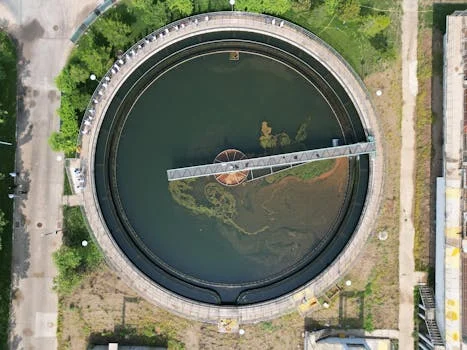
Selecting the optimal wastewater treatment process hinges on a thorough characterization of your factory’s effluent. This involves understanding the specific pollutants present, their concentrations, and flow rates. Key parameters to test include Biochemical Oxygen Demand (BOD), Chemical Oxygen Demand (COD), Total Suspended Solids (TSS), Fats, Oils, and Grease (FOG), and pH. Laboratory analyses can range from $50 to $500 per test, depending on the complexity and number of parameters. For factories in Uganda, especially those in food processing and textiles, high FOG and BOD levels are common. Dissolved Air Flotation (DAF) systems are highly effective for removing FOG concentrations exceeding 500 mg/L, often achieving over 95% removal. Moving Bed Biofilm Reactors (MBBR) are ideal for treating wastewater with BOD levels between 200 and 1,000 mg/L, utilizing a high surface area for microbial growth to break down organic matter. For effluents with very high COD, typically above 2,000 mg/L, anaerobic systems like Upflow Anaerobic Sludge Blanket (UASB) or Anaerobic Baffled Reactors (ABR) are particularly well-suited. These systems are also advantageous in Uganda's tropical climate (25–30°C), where they can operate at peak efficiency, often performing 20–30% better than in cooler temperate regions and offering significant energy recovery through biogas production. Pre-treatment steps, such as screening for textile fibers or pH adjustment using automated chemical dosing systems, are also critical to protect downstream treatment processes.
Decision Framework for Wastewater Treatment Processes:
- If FOG > 500 mg/L: Prioritize DAF systems for initial FOG removal, followed by aerobic polishing (e.g., MBBR or activated sludge).
- If BOD is between 200-1,000 mg/L and FOG is manageable: MBBR systems offer efficient organic load reduction.
- If COD > 2,000 mg/L: Consider anaerobic systems (UASB/ABR) for high COD removal and potential biogas generation. These may require post-treatment (e.g., aerobic polishing) to meet stringent discharge limits.
- For highly variable industrial wastewater: A hybrid approach combining multiple technologies (e.g., DAF + MBBR) often provides the most robust and adaptable solution.
For compact installations or where space is limited, MBR integrated wastewater treatment systems can be a solution, offering high-quality effluent in a smaller footprint.
DAF vs. MBBR vs. Anaerobic Systems: Performance, Costs, and ROI for Ugandan Factories
Choosing between Dissolved Air Flotation (DAF), Moving Bed Biofilm Reactor (MBBR), and anaerobic systems for industrial wastewater treatment in Uganda involves a trade-off between performance, capital expenditure, operating costs, and return on investment (ROI). DAF systems excel at removing Fats, Oils, and Grease (FOG) and suspended solids, typically achieving 95% FOG removal, making them indispensable for food processing and some textile operations. MBBR systems are highly effective for biological treatment of organic matter, capable of removing up to 90% of BOD, and are robust against hydraulic and organic shock loads. Anaerobic systems, particularly UASB reactors, are champions of high COD removal (up to 85% at optimal tropical temperatures of 30°C) and offer significant energy recovery through biogas production, which can offset operational expenses. Local supplier data from 2024 indicates capital costs for DAF systems range from $150–$400/m³, MBBR from $200–$500/m³, and UASB reactors from $300–$700/m³. Operating costs also vary: DAF typically incurs $0.10–$0.20/m³, MBBR $0.15–$0.30/m³, and anaerobic systems can be as low as $0.05–$0.15/m³ when biogas revenue is considered. For a 500 m³/day textile plant facing significant fines, a well-designed MBBR system costing approximately $350,000 could achieve a payback period of around 4.2 years, factoring in water reuse savings and avoided penalties. Maintenance requirements differ: DAF needs weekly skimming, MBBR membranes may require quarterly cleaning, and anaerobic systems typically need annual sludge removal.
| Feature | DAF System | MBBR System | Anaerobic System (UASB/ABR) |
|---|---|---|---|
| Primary Treatment Focus | FOG, TSS | BOD, COD | High COD, Organic Load |
| Typical Removal Efficiency | 95% FOG, 80-90% TSS | 90% BOD, 70-80% COD | 85% COD (at 30°C), 70-80% BOD |
| Capital Cost (per m³/day) | $150 – $400 | $200 – $500 | $300 – $700 |
| Operating Cost (per m³) | $0.10 – $0.20 | $0.15 – $0.30 | $0.05 – $0.15 (with biogas recovery) |
| Energy Recovery Potential | Low | Low | High (Biogas) |
| Tropical Climate Performance | Stable | Stable | Optimized (20-30% better than temperate) |
| Typical Maintenance | Weekly skimming, filter cleaning | Quarterly media inspection, occasional membrane cleaning (for MBR) | Annual sludge removal, biogas system maintenance |
| Space Requirement | Medium | Medium to Compact (MBBR) | Large (for UASB/ABR) |
For factories with high organic loads and a desire for energy recovery, anaerobic systems offer a compelling ROI. When combined with aerobic polishing, such as an MBBR system, they can achieve comprehensive treatment. Understanding these trade-offs is key to making an informed decision that aligns with both environmental compliance and financial objectives. For compact, high-quality effluent treatment, explore MBR integrated wastewater treatment systems. For space-constrained factories, underground wastewater treatment plants offer an alternative.
Case Study: How a Jinja Textile Factory Cut Costs by 40% with a Hybrid DAF-MBBR System
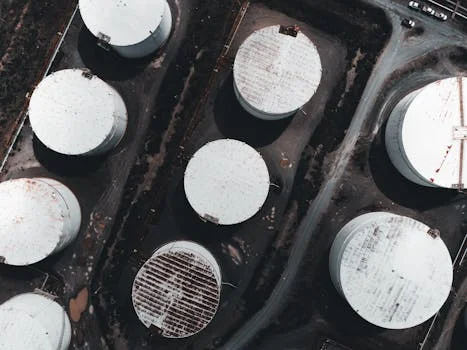
A prominent textile manufacturing facility in Jinja faced significant operational challenges due to its wastewater discharge. The dyeing processes generated high levels of FOG, reaching up to 1,200 mg/L, and substantial BOD loads of 800 mg/L. These parameters consistently exceeded NEMA’s discharge limits, resulting in annual fines totaling $30,000. To address this, the factory invested in a hybrid wastewater treatment solution, integrating a DAF system for initial FOG and solids removal, followed by an MBBR system for advanced biological BOD polishing. The total capital investment for this combined system was $450,000. Following the implementation, the factory consistently achieved FOG levels below 50 mg/L and BOD below 30 mg/L, bringing their effluent well within NEMA compliance. This not only eliminated fines but also enabled significant water reuse for non-potable applications, such as rinsing and cooling, saving the factory an estimated $120,000 annually. The project achieved a payback period of just 3.8 years. Key lessons learned during the project included the critical importance of effective pretreatment screening to capture textile fibers that could clog downstream equipment, and the need for a regular maintenance schedule for the MBBR membranes, requiring quarterly cleaning to maintain optimal performance. The implemented process flow was: Screening → DAF → MBBR → Disinfection → Reuse.
For effective FOG and TSS removal, DAF systems are a proven solution. When paired with MBBR systems for BOD polishing, they create a powerful combination for complex industrial effluents.
Wastewater Treatment Plant Costs in Uganda: 2025 Engineering Breakdown
The capital investment for industrial wastewater treatment plants in Uganda can range significantly, typically from $0.8 million to $12 million for systems treating 100 to 2,000 m³/day, according to local Engineering, Procurement, and Construction (EPC) data from 2024. Several factors influence these costs. Land acquisition, particularly in urban centers like Kampala, can represent a substantial portion, with prices ranging from UGX 50 million to 200 million per acre. Civil works, including excavation, concrete structures, and pipe laying, typically account for 30–40% of the total project cost. The treatment equipment itself forms another significant component, usually 40–50% of the budget, with specialized technologies like DAF or MBBR systems being key cost drivers. Permitting and regulatory approvals can add another 5–10% to the overall expense. Beyond initial capital outlay, operating costs are crucial for long-term financial planning. These generally fall between $0.10 and $0.50 per cubic meter treated. This includes labor costs, with operators potentially earning $300–$800 per month per person, depending on skill and responsibility. Chemical consumables, such as coagulants and disinfectants, can add $0.05–$0.20/m³, while energy consumption for pumps and aerators might range from $0.03–$0.10/kWh. Financing options available to Ugandan factories include government grants, such as those facilitated by the Uganda Industrial Research Institute, traditional bank loans with interest rates typically between 12–15%, and Build-Own-Operate-Transfer (BOOT) contracts with local EPCs, which can spread capital costs over time. To manage costs effectively, consider modular systems that allow for phased expansion as production grows, and prioritize anaerobic systems where energy recovery through biogas can significantly offset operational expenses.
| Cost Component | Typical Range (Uganda, 2024) | Notes |
|---|---|---|
| Capital Costs (100-2,000 m³/day) | $0.8M – $12M | Varies by technology, capacity, and site conditions |
| Land Acquisition | UGX 50M – 200M/acre | Higher in urban/industrial zones |
| Civil Works | 30-40% of total capital | Excavation, concrete, piping, site preparation |
| Equipment Purchase | 40-50% of total capital | DAF, MBBR, MBR, pumps, controls, etc. |
| Permits & Approvals | 5-10% of total capital | NEMA, local authorities |
| Operating Costs (per m³) | $0.10 – $0.50 | Excludes depreciation and financing costs |
| Labor | $300 – $800/month/operator | Depends on expertise and site complexity |
| Chemicals | $0.05 – $0.20/m³ | Coagulants, flocculants, disinfectants, pH adjusters |
| Energy | $0.03 – $0.10/kWh | For pumps, aerators, blowers |
| Maintenance & Spares | Variable | Regular servicing, replacement parts |
When budgeting, it is essential to include not only the initial capital expenditure but also the long-term operating and maintenance costs. For energy efficiency, consider automated chemical dosing systems to optimize chemical usage.
How to Select a Wastewater Treatment Equipment Supplier in Uganda
Selecting the right wastewater treatment equipment supplier is as critical as choosing the technology itself. In Uganda's industrial landscape, a supplier must demonstrate not only technical expertise but also a deep understanding of local conditions and regulations. Prioritize suppliers with a proven track record of working with Ugandan industrial effluents, particularly from sectors like textiles and food processing. Their experience with tropical climate adaptations, such as managing high ambient temperatures and humidity effects on treatment efficiency, is invaluable. Crucially, the supplier must be familiar with and capable of designing systems that meet NEMA compliance standards. Local support is non-negotiable; ensure they have readily available spare parts for critical components like DAF skimmers or MBBR media, and that they offer responsive service contracts with guaranteed response times, ideally under 24 hours, for any operational issues. A reputable supplier will provide comprehensive NEMA-approved designs and clear, detailed operation and maintenance manuals. Insist on itemized quotes that break down costs for equipment, civil works, installation, and operator training to ensure transparency. Red flags to watch out for include suppliers with no Ugandan references, a lack of clear after-sales support commitments, or an inability to provide necessary NEMA certifications or documentation. Engaging with suppliers who offer pilot testing or site assessments can also provide critical data to de-risk your investment.
Frequently Asked Questions
What are the NEMA discharge limits for industrial wastewater in Uganda?
NEMA’s industrial wastewater discharge limits typically include BOD < 50 mg/L, COD < 250 mg/L, TSS < 100 mg/L, pH between 6 and 9. Specific limits for heavy metals vary by metal but are generally stringent, for example, Lead (Pb) < 0.1 mg/L. Pathogen limits, such as E. coli, are typically set below 1,000 CFU/100mL.
How much does a DAF system cost in Uganda?
The cost of a DAF system in Uganda can range from $150 to $400 per cubic meter of daily treatment capacity. For a typical 100 m³/day system, this would translate to an investment of approximately $30,000 to $80,000, including installation and initial training.
What is the best wastewater treatment system for a textile factory in Uganda?
For textile factories in Uganda, a hybrid system combining a Dissolved Air Flotation (DAF) unit with a Moving Bed Biofilm Reactor (MBBR) is often the most effective. The DAF system handles high levels of FOG and suspended solids from dyeing processes, while the MBBR efficiently treats the resulting BOD and COD loads. For very high COD concentrations, anaerobic systems are also cost-effective.
Can treated industrial wastewater be reused in Uganda?
Yes, treated industrial wastewater can be reused in Uganda if it meets the relevant standards, such as WHO guidelines for agriculture or NEMA’s discharge standards. Common reuse applications include irrigation for non-food crops, industrial cooling water, dust suppression, and process water in certain manufacturing operations.
How long does it take to build a wastewater treatment plant in Uganda?
The timeline for constructing an industrial wastewater treatment plant in Uganda typically ranges from 6 to 18 months. This duration includes permitting processes, which can take 3–6 months, and the actual construction and commissioning phases, which usually span 6–12 months, depending on the plant's size and complexity.
Related Equipment
- DAF systems for high-efficiency FOG and TSS removal in Ugandan food processing and textile factories — view specifications, capacity range, and technical data
- MBR systems for compact, high-quality effluent treatment in urban Ugandan factories — view specifications, capacity range, and technical data
- Underground wastewater treatment plants for Ugandan factories with space constraints — view specifications, capacity range, and technical data
- Automated chemical dosing for pH adjustment and coagulation in Ugandan industrial wastewater treatment — view specifications, capacity range, and technical data
Need a customized solution? Request a free quote with your specific flow rate and pollutant parameters.