Pakistan’s Industrial Wastewater Crisis: Data, Risks, and Regulatory Pressure
Pakistan’s water availability has plummeted from 1,299 m³ per capita in 1996 to less than 700 m³ per capita as of 2025, according to data from the University of Agriculture Faisalabad. This transition from a water-surplus to a water-scarce nation is exacerbated by the fact that less than 8% of industrial wastewater is treated nationwide before being discharged into natural water bodies or sewer systems. Major industrial clusters in Faisalabad, Karachi, and Lahore contribute significantly to this volume, with textile, tannery, and food processing sectors discharging high concentrations of chemical oxygen demand (COD) and toxic heavy metals directly into the environment.
The health and environmental risks associated with this untreated effluent are severe, with contaminated groundwater linked to approximately 30% of waterborne diseases in Pakistan’s primary industrial zones. For plant managers and procurement officers, the risk is not only environmental but also financial and operational. The Pakistan Environmental Protection Agency (EPA) has intensified enforcement of the National Environmental Quality Standards (NEQS), with 2024 updates allowing for penalties of up to PKR 10 million and the potential for immediate plant shutdowns for non-compliant facilities. In Punjab, the Environmental Protection Department (EPD) has transitioned to quarterly audits for high-risk industries, while the Sindh EPA (SEPA) has focused on the textile clusters in Karachi to mitigate the pollution of the Arabian Sea.
Investing in a wastewater treatment cost per cubic meter analysis is no longer optional for Pakistani manufacturers. Beyond regulatory compliance, the economic case for treatment is bolstered by the rising cost of industrial water procurement, which ranges from PKR 50 to 150 per cubic meter depending on the region. Implementing advanced treatment systems allows for water recycling, significantly reducing the dependency on depleting groundwater reserves and providing a buffer against future water price volatility.
NEQS Compliance Checklist: Industry-Specific Effluent Limits for Pakistan
The National Environmental Quality Standards (NEQS) mandate specific discharge limits that vary depending on whether the effluent is discharged into inland waters, sewage treatment plants, or the sea.For most industrial facilities in Pakistan, the primary concern is meeting the limits for inland water discharge to avoid heavy fines and legal action. Technical compliance requires a precise understanding of parameters such as Biochemical Oxygen Demand (BOD), Chemical Oxygen Demand (COD), and Total Suspended Solids (TSS).
Industry-specific challenges complicate these compliance efforts. For example, Pakistani tanneries must manage high levels of trivalent chromium, while textile dyeing units must address intense color and high pH levels. Food processing plants frequently struggle with high Oil and Grease (O&G) concentrations that exceed the 10 mg/L limit. The following table summarizes the key NEQS parameters for industrial discharge in Pakistan.
| Parameter | NEQS Limit (Inland Waters) | Industry-Specific Criticality |
|---|---|---|
| Temperature Increase | <3 °C | Power plants and textile finishing |
| pH Value | 6.0 – 9.0 | Chemical and pharmaceutical processing |
| BOD5 @ 20 °C | 80 mg/L | Food processing and dairy sectors |
| COD | 150 mg/L | Textile dyeing and tanneries |
| TSS | 200 mg/L | Pulp and paper, stone cutting |
| Oil and Grease | 10 mg/L | Food processing and edible oil refineries |
| Total Chromium | 1.0 mg/L | Leather tanneries and electroplating |
| Phenolic Compounds | 0.1 mg/L | Pharmaceuticals and resin manufacturing |
Common compliance pitfalls in Pakistani industries often stem from inconsistent sampling methods and the lack of automated monitoring. Many facilities rely on grab samples taken during periods of low production, which do not accurately represent the daily average effluent load. Inadequate sludge disposal remains a major audit failure point; the NEQS requires that industrial sludge be treated and disposed of in specialized landfills, yet many plants continue to dump sludge in municipal areas, leading to secondary groundwater contamination and legal liability under the 2024 EPA guidelines.
Treatment Technology Comparison: DAF vs. MBR vs. Chemical Dosing for Pakistani Industries
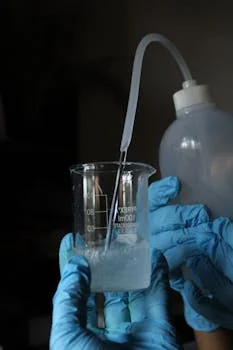
Dissolved Air Flotation (DAF) is the preferred solution for industries with high concentrations of suspended solids and fats, such as food processing and tanneries. A high-efficiency DAF system for Pakistani textile and food processing effluents utilizes micro-bubble technology (20–50 μm) to float contaminants to the surface for mechanical skimming, achieving 92–97% TSS removal and up to 80% reduction in FOG (Fats, Oils, and Grease).
For industries facing severe land constraints, such as textile mills located in the dense industrial zones of Lahore and Karachi, Membrane Bioreactor (MBR) systems provide a high-performance alternative to conventional activated sludge processes. A compact MBR system for space-constrained industrial sites in Lahore and Karachi combines biological treatment with membrane filtration (<1 μm), resulting in a footprint 60% smaller than traditional clarifiers. MBR systems are particularly effective for pharmaceutical and high-end textile applications where the treated water must be of sufficient quality for reuse in cooling towers or non-critical processes.
Chemical dosing remains a fundamental component of the Pakistani treatment landscape, often used as a pre-treatment step to stabilize pH and facilitate coagulation. Implementing a PLC-controlled chemical dosing for NEQS compliance in Pakistani industries ensures that coagulants like Polyaluminum Chloride (PAC) or alum are added in precise ratios, preventing the common issue of over-dosing which increases sludge volume and operational costs. For a broader perspective on these technologies, engineers can refer to a DAF system engineering guide for Central Asian markets which shares similar industrial effluent profiles.
| Technology | Primary Application | Removal Efficiency (TSS/BOD) | Footprint Requirement |
|---|---|---|---|
| DAF | Food, Tannery, Edible Oil | 92–97% TSS / 40–60% BOD | Moderate |
| MBR (Integrated) | Textile, Pharma, Reuse | >99% TSS / 90–95% BOD | Very Low |
| Chemical Dosing | All (Pre-treatment) | Dependent on Coagulant | Minimal |
| Hybrid (DAF + MBR) | High-Strength Industrial | >99% TSS / >95% BOD | Moderate to High |
Cost Breakdown: Industrial Wastewater Treatment Systems in Pakistan (2025)
The capital expenditure (CAPEX) for wastewater treatment in Pakistan depends on equipment origin, automation level, and effluent complexity.For a standard 50 m³/h DAF system, Pakistani buyers should budget between $50,000 and $300,000 for high-quality imported components. MBR systems, which involve sophisticated membrane modules and advanced control systems, represent a higher investment, typically ranging from $800,000 to $2,000,000 for large-scale textile operations. These costs are comparable to those found in other developing industrial hubs, as detailed in the guide for industrial wastewater treatment solutions in Southeast Asia.
Operational expenditure (OPEX) is a critical factor for long-term sustainability in Pakistan’s high-inflation environment. Electricity accounts for 40–60% of OPEX, followed by chemical costs and sludge disposal fees. MBR systems have higher power requirements due to membrane scouring air, with costs ranging from $0.50 to $1.20 per cubic meter. DAF systems are more economical to operate, typically costing $0.20 to $0.80 per cubic meter. The return on investment (ROI) for these systems is driven by three main factors: the avoidance of NEQS penalties (which can reach PKR 10M), the reduction in freshwater procurement costs, and the potential for government-subsidized financing through initiatives like the Punjab Green Fund.
| System Type | Estimated CAPEX (USD) | Estimated OPEX (USD/m³) | Typical ROI Period |
|---|---|---|---|
| DAF-100 | $50,000 – $150,000 | $0.20 – $0.45 | 18 – 30 Months |
| MBR (Large Scale) | $800,000 – $2,000,000 | $0.50 – $1.20 | 36 – 48 Months |
| Auto Dosing System | $20,000 – $100,000 | $0.10 – $0.30 | 12 – 18 Months |
Installation costs in Pakistan usually range from 15% to 25% of the equipment cost. In urban centers like Lahore and Faisalabad, land constraints can drive civil works costs higher, as systems may need to be installed in multi-level configurations or underground. Procurement officers should also factor in the cost of spare parts and local technical support, as downtime in the treatment plant can lead to immediate production halts to maintain compliance.
Step-by-Step Equipment Selection Checklist for Pakistani Buyers

- Comprehensive Effluent Characterization: Conduct laboratory testing over a 7-day production cycle to capture peak loads of TSS, COD, BOD, and industry-specific toxins like Chromium or Sulfides. Ensure the lab is EPA-certified.
- Compliance Mapping: Compare your laboratory results against the NEQS limits for your specific discharge point (inland vs. sewer). Determine the required removal percentage for each parameter.
- Technology Decision Matrix: Apply a decision tree based on your primary contaminants. If Oil and Grease are high, prioritize DAF. If BOD is high and space is limited, prioritize MBR. If heavy metals are present, ensure a chemical precipitation stage is included.
- Supplier Vetting and Certification: Evaluate vendors based on their experience with Pakistani industrial conditions. Request NEQS compliance certifications from previous installations and verify the availability of local service technicians for emergency repairs.
- Pilot Scale Testing: Before committing to a multi-million dollar installation, conduct a 3-month pilot test using a mobile unit. This is especially critical for MBR systems to determine the membrane fouling rate and the required cleaning frequency for your specific wastewater.
For Pakistani industries, turnkey solutions that include design, equipment supply, installation, and commissioning are often the most cost-effective. This approach places the responsibility for