Why SO₂ Scrubbers Are Critical for Industrial Emissions Control
Sulfur dioxide (SO₂) emissions pose a significant threat to both environmental health and human well-being. As a primary contributor to acid rain, SO₂ damages ecosystems, corrodes infrastructure, and exacerbates respiratory illnesses. The World Health Organization (WHO) in 2023 linked ambient SO₂ to approximately 4.2 million premature deaths globally each year due to its role in forming fine particulate matter (PM2.5). Consequently, stringent regulatory mandates are in place worldwide to limit industrial SO₂ discharges. For instance, the EU's Industrial Emissions Directive (2010/75/EU) sets a limit of ≤ 150 mg/Nm³ for SO₂ emissions from new industrial plants. Similarly, the U.S. Environmental Protection Agency (EPA) has updated its New Source Performance Standards (NSPS) for coal-fired power plants to ≤ 0.15 lb/MMBtu, effective in 2024. Without effective control measures, a typical 500 MW coal-fired power plant burning coal with 1% sulfur content can emit upwards of 10,000 tons of SO₂ annually, based on EPA AP-42 emission factors. SO₂ scrubber systems, also known as Flue Gas Desulfurization (FGD) units, are engineered to integrate seamlessly into existing air pollution control trains, typically positioned downstream of electrostatic precipitators (ESPs) or baghouses for particulate removal and upstream of the final stack to ensure compliance with these critical SO₂ emission limits.
The Chemistry Behind SO₂ Scrubbing: Reactions, Reagents, and Byproducts
The efficacy of SO₂ scrubbers hinges on fundamental chemical reactions between sulfur dioxide and alkaline reagents. In the most common wet scrubbing systems, a slurry of limestone (calcium carbonate, CaCO₃) is sprayed into the flue gas stream within a reaction tower. The SO₂ dissolves in the water droplets and reacts with the dissolved calcium ions. The primary reaction, when limestone is used and sufficient oxygen is present for oxidation, is represented as:
SO₂ (g) + CaCO₃ (s) + ½O₂ (g) + 2H₂O (l) → CaSO₄·2H₂O (s) + CO₂ (g)
This reaction yields calcium sulfate dihydrate, commonly known as gypsum, as a solid byproduct. While limestone is cost-effective, lime (calcium oxide, CaO) can be used for faster reaction rates, albeit at a higher cost. Some dry scrubbing applications utilize reagents like sodium bicarbonate (NaHCO₃). Optimal SO₂ absorption in limestone-based wet scrubbers is typically achieved within a pH range of 5.5 to 6.2, as detailed in the EPA's FGD manual (2020). Operating below a pH of 5.0 significantly reduces SO₂ absorption, while a pH above 6.5 can lead to increased scaling due to calcium carbonate precipitation. The conversion of intermediate calcium sulfite (CaSO₃) to calcium sulfate (gypsum) is crucial; this oxidation step, often facilitated by injecting air into the scrubber slurry, prevents scaling and produces a more stable, marketable byproduct. The utilization of FGD gypsum is substantial; approximately 90% of gypsum used in wallboard production in the United States is derived from this industrial process. In contrast, dry scrubber waste, often a mixture of unreacted reagent and reaction products, may require specialized landfill disposal, raising concerns about leachate management.
| Reagent | Primary Reaction Product | Typical pH Range (Wet) | Byproduct | Advantages | Disadvantages |
|---|---|---|---|---|---|
| Limestone (CaCO₃) | Calcium Sulfite (CaSO₃), oxidized to Calcium Sulfate (CaSO₄·2H₂O) | 5.5 - 6.2 | Gypsum | Cost-effective, widely available, marketable byproduct | Slower reaction rate, requires oxidation for gypsum, potential scaling |
| Lime (CaO) | Calcium Sulfite (CaSO₃), oxidized to Calcium Sulfate (CaSO₄·2H₂O) | N/A (often used in dry or semi-dry systems) | Gypsum | Faster reaction rate | Higher cost than limestone, requires hydration |
| Sodium Bicarbonate (NaHCO₃) | Sodium Sulfite (Na₂SO₃), Sodium Sulfate (Na₂SO₄) | N/A (dry injection) | Solid waste (often non-hazardous) | High reactivity, effective at low temperatures, minimal water use | Higher reagent cost, no marketable byproduct, waste disposal |
Wet vs Dry SO₂ Scrubbers: Engineering Specs and Industry-Specific Trade-offs
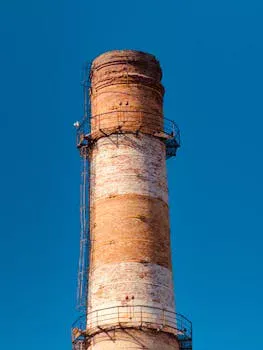
The selection between wet and dry SO₂ scrubber systems is a critical engineering decision influenced by factors such as SO₂ load, available water, space constraints, and desired removal efficiency. Wet scrubbers, particularly those employing limestone slurry, are highly effective, achieving SO₂ removal efficiencies of 95–99%. They require a flue gas residence time of 3–5 seconds within the absorption tower and typically induce a pressure drop of 10–15% across the system (per EPA 2023 FGD performance data), which impacts fan power requirements. Dry scrubbers, on the other hand, offer lower capital and operating costs in certain scenarios and are ideal for water-scarce regions. They typically achieve SO₂ removal efficiencies of 80–90% with a shorter residence time of 1–2 seconds and a lower pressure drop of 5–10%. Reagent consumption also differs significantly: wet scrubbers generally require a stoichiometric ratio of approximately 1.05–1.1 moles of CaCO₃ per mole of SO₂, whereas dry scrubbers using sodium bicarbonate might require 1.2–1.5 moles of NaHCO₃ per mole of SO₂ due to the nature of the reaction and gas-solid contact.
Industry suitability often dictates the choice. Coal-fired power plants, with their high and consistent SO₂ loads, commonly employ wet scrubbers for their superior removal capabilities. Conversely, dry or semi-dry scrubbers are often favored for cement kilns, refineries, and waste incinerators where SO₂ loads can be more variable, and water availability is a concern. Flue gas temperature is another critical consideration. Wet scrubbers necessitate cooling of the flue gas to approximately 50–60°C before it enters the absorption tower to prevent excessive water evaporation and maintain reaction efficiency. Dry scrubbers operate effectively at higher temperatures, typically between 120–180°C, eliminating the need for extensive flue gas cooling. For those seeking advanced SO₂ and particulate control, HydropureWater's integrated FGD scrubber for SO₂ and particulate removal offers a comprehensive solution.
| Parameter | Wet Scrubbers | Dry/Semi-Dry Scrubbers |
|---|---|---|
| SO₂ Removal Efficiency | 95-99% | 80-90% |
| Residence Time | 3-5 seconds | 1-2 seconds |
| Pressure Drop | 10-15% (mbar) | 5-10% (mbar) |
| Reagent Stoichiometry (approx.) | 1.05-1.1 mol CaCO₃ / mol SO₂ | 1.2-1.5 mol NaHCO₃ / mol SO₂ |
| Water Usage | High (slurry formation, evaporation) | Low (minimal water for reagent slurry or atomization) |
| Flue Gas Temperature | Requires cooling to 50-60°C | Operates at 120-180°C |
| Common Applications | Coal-fired power plants | Cement kilns, refineries, waste incinerators, smaller industrial boilers |
| Byproduct | Gypsum (marketable) | Dry sorbent waste (disposal) |
Key Design Parameters for SO₂ Scrubber Systems: What Engineers Need to Know
Effective SO₂ scrubber design requires careful consideration of several key engineering parameters to ensure optimal performance, reliability, and cost-effectiveness. For wet scrubbers, the liquid-to-gas (L/G) ratio is critical, typically ranging from 5 to 15 liters of slurry per cubic meter of flue gas (L/m³). Higher L/G ratios are generally employed for higher SO₂ concentrations or when aiming for maximum removal efficiency, as they increase the interfacial area for mass transfer. The reagent slurry concentration for limestone is usually maintained between 10–30% solids by weight. While higher concentrations can reduce pumping energy, they also increase the risk of scaling and can impact slurry fluidity. Wet scrubber towers are designed for a residence time of 3–5 seconds, dictating tower heights often between 15–30 meters, depending on gas flow rate and tower diameter. The pressure drop across the entire wet scrubber system, including ductwork, spray nozzles, and mist eliminators, typically falls between 10–15 mbar, a significant factor influencing fan selection and energy consumption.
In dry or semi-dry systems, the L/G ratio is considerably lower, often in the range of 0.1–0.5 L/m³, reflecting the injection of a fine spray or dry powder. Residence times for dry injection systems are shorter, typically 1–2 seconds, requiring reactor volumes that facilitate thorough mixing of reagent with the flue gas. The pressure drop for dry systems is generally lower, between 5–10 mbar. Mist eliminators, often chevron-type or mesh pad designs, are essential components in wet scrubbers to prevent fine liquid droplets (entrained mist) from being carried out of the tower, which could lead to downstream corrosion and particulate emissions. Flue gas velocity within the absorption tower of a wet scrubber is carefully controlled, typically at 3–4 m/s, to prevent flooding of the packing or trays and ensure adequate gas-liquid contact time without excessive entrainment. In dry systems, higher velocities (10–15 m/s) can be employed to ensure efficient dispersion of the dry reagent.
| Parameter | Wet Scrubbers | Dry Scrubbers (Injection) |
|---|---|---|
| L/G Ratio (L/m³) | 5 - 15 | 0.1 - 0.5 |
| Reagent Slurry Concentration (% solids) | 10 - 30 (Limestone) | N/A (dry powder or fine spray) |
| Residence Time (seconds) | 3 - 5 | 1 - 2 |
| Pressure Drop (mbar) | 10 - 15 | 5 - 10 |
| Tower Height (m) | 15 - 30 | N/A (reactor volume) |
| Flue Gas Velocity (m/s) | 3 - 4 (in absorber) | 10 - 15 (in reactor) |
| Mist Eliminator | Essential (chevron, mesh pad) | Not typically required |
Cost Breakdown and ROI: How to Justify an SO₂ Scrubber Investment
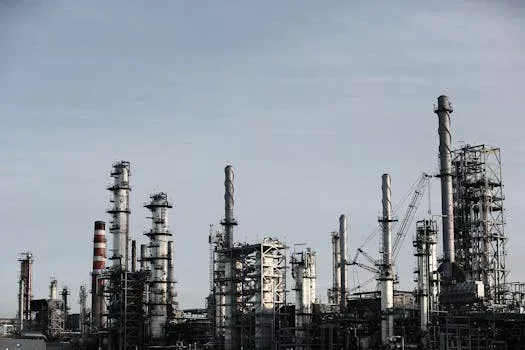
The financial justification for an SO₂ scrubber system involves a thorough analysis of both capital expenditure (CAPEX) and operational expenditure (OPEX), alongside potential revenue streams and avoided costs. For new coal-fired power plants, the CAPEX for a wet FGD system can range from $100 to $300 per kilowatt (kW) of installed capacity. For retrofits or less demanding applications, dry or semi-dry systems might have a lower CAPEX, ranging from $50 to $150 per kW. For a large 500 MW power plant, this translates to a significant CAPEX of $50 million to $150 million for wet FGD systems, according to EPA 2024 cost projections.
Operational expenditures (OPEX) typically range from $0.001 to $0.003 per kilowatt-hour (kWh) for wet scrubbers, encompassing reagent costs, power consumption for fans and pumps, and maintenance. Dry scrubbers may have slightly lower OPEX per kWh ($0.0005–$0.002) due to reduced water usage and potentially lower reagent consumption, but waste disposal costs can be a factor. Reagent costs vary significantly by type and market conditions: limestone typically costs $20–$50 per ton, lime $100–$200 per ton, and sodium bicarbonate $300–$500 per ton, based on 2025 market prices. Return on Investment (ROI) can be driven by several factors: eligibility for carbon credits or environmental incentives (e.g., EU Emissions Trading System), revenue from selling high-quality FGD gypsum ($5–$15 per ton), and, crucially, the avoidance of substantial penalties for exceeding SO₂ emission limits, which can reach up to $100,000 per day per violation under EPA regulations. Calculating the payback period involves quantifying the annual SO₂ reduction achieved, factoring in all reagent and operational costs, and accounting for any byproduct revenue.
| Cost Component | Typical Range (Wet FGD) | Typical Range (Dry FGD) | Notes |
|---|---|---|---|
| CAPEX ($/kW) | 100 - 300 | 50 - 150 | New installation vs. retrofit, complexity |
| OPEX ($/kWh) | 0.001 - 0.003 | 0.0005 - 0.002 | Excludes reagent, includes power, maintenance |
| Reagent Cost ($/ton) | Limestone: 20-50 | Sodium Bicarbonate: 300-500 | Market dependent |
| Gypsum Sales ($/ton) | 5 - 15 | N/A | Depends on purity and market demand |
| Avoided Penalties ($/day) | Up to 100,000 | Up to 100,000 | Regulatory dependent |
Operational Best Practices: Maximizing Efficiency and Minimizing Downtime
Sustaining optimal SO₂ scrubber performance requires diligent adherence to operational best practices. Precise pH control is paramount in wet scrubbers; automated dosing systems, such as HydropureWater's PLC-controlled chemical dosing for scrubber pH and reagent optimization, are crucial for maintaining the ideal 5.5–6.2 range. Manual verification of pH levels should occur every two hours, with regular calibration of pH probes to ensure accuracy. Scaling prevention is another key focus; the addition of organic acids (e.g., adipic acid) or proprietary additives can significantly reduce gypsum scaling, with costs typically ranging from $0.01 to $0.05 per ton of SO₂ removed. The quality of the purchased reagent is also critical; limestone purity should exceed 90% CaCO₃, and particle size distribution, with 70–90% passing a 200-mesh sieve, ensures adequate surface area for reaction. Impurities like magnesium carbonate (MgCO₃) can reduce the alkalinity and increase scaling potential.
Effective byproduct handling is essential, particularly for gypsum. Dewatering the gypsum slurry to 10–15% moisture content is typically achieved using equipment like HydropureWater's gypsum dewatering filter press for FGD byproduct handling, such as plate and frame filter presses or centrifuges. The moisture content impacts transportation costs and ease of handling. The sulfur content of the fuel directly influences reagent consumption; for example, burning coal with 1% sulfur will require approximately double the amount of limestone compared to coal with 0.5% sulfur to achieve the same SO₂ removal efficiency.
Troubleshooting Common SO₂ Scrubber Problems: A Plant Engineer’s Checklist
Downtime and performance degradation in SO₂ scrubbers can often be attributed to identifiable issues. A systematic approach to troubleshooting is vital for rapid resolution.
| Problem | Potential Causes | Troubleshooting Steps |
|---|---|---|
| Low SO₂ Removal Efficiency | Low pH (<5.0) Inadequate L/G ratio Reagent starvation Poor reagent quality |
Verify pH probe calibration; increase slurry flow rate; ensure continuous reagent supply; test reagent purity. |
| High Pressure Drop | Mist eliminator fouling Scaling in spray nozzles Excessive flue gas velocity Blocked ductwork |
Initiate mist eliminator cleaning cycles (CIP); inspect and clean spray nozzles (ultrasonic cleaning recommended); reduce gas flow rate; inspect ductwork for obstructions. |
| Gypsum Scaling | High pH (>6.5) Insufficient oxidation air Poor reagent dispersion High supersaturation |
Adjust pH control to lower setpoint; increase air injection rate for oxidation; optimize reagent grinding and mixing; introduce scaling inhibitors (e.g., organic acids, phosphonates). |
| Reagent Carryover | High flue gas velocity Damaged mist eliminators Excessive slurry droplet size |
Reduce gas flow rate; inspect and replace damaged mist eliminator pads (consider polypropylene or stainless steel); adjust spray nozzle atomization. |
| High Reagent Consumption | Low reagent purity Inefficient mixing High SO₂ load Leaks in the system |
Perform regular reagent quality checks; optimize slurry mixing and circulation; verify SO₂ load from upstream processes; inspect for and repair system leaks. |
Frequently Asked Questions
What is the primary function of an SO₂ scrubber system? An SO₂ scrubber system, also known as a Flue Gas Desulfurization (FGD) unit, is designed to remove sulfur dioxide (SO₂) from industrial exhaust gases before they are released into the atmosphere.
What are the most common reagents used in SO₂ scrubbers? The most common reagents are alkaline materials such as limestone (calcium carbonate), lime (calcium oxide), and sometimes sodium bicarbonate, depending on the scrubber type (wet or dry).
How does a wet scrubber differ from a dry scrubber? Wet scrubbers use a liquid slurry (e.g., limestone and water) to absorb SO₂, producing a wet byproduct like gypsum. Dry scrubbers inject a dry sorbent into the flue gas, reacting to form dry solid waste, and typically require downstream particulate collection. Wet scrubbers generally offer higher SO₂ removal efficiency.
What is the typical efficiency of an SO₂ scrubber? Modern SO₂ scrubbers, especially wet systems, can achieve SO₂ removal efficiencies of 95% to over 99%, meeting stringent regulatory requirements. Dry systems typically achieve 80% to 90%.
What are the main byproducts of SO₂ scrubbing? In wet limestone scrubbers, the primary byproduct is gypsum (calcium sulfate dihydrate), which is often sold for use in construction materials. Dry scrubbers produce a dry mixture of reaction products and unreacted sorbent, which usually requires disposal.
How does flue gas temperature affect scrubber performance? Flue gas temperature is critical. Wet scrubbers require flue gas to be cooled to around 50–60°C for efficient SO₂ absorption. Dry scrubbers operate at higher temperatures, typically 120–180°C, as the reaction occurs in a drier environment.
What is L/G ratio and why is it important? L/G ratio (Liquid-to-Gas ratio) is a key design parameter for wet scrubbers, representing the volume of scrubbing liquid (slurry) circulated per volume of flue gas treated. A higher L/G ratio generally leads to better SO₂ absorption by increasing contact surface area, but also increases pumping energy requirements.
Can SO₂ scrubbers also remove other pollutants? While primarily designed for SO₂, some scrubber systems can achieve partial removal of other acid gases like hydrogen chloride (HCl) and hydrogen fluoride (HF). Particulate matter is typically removed upstream by ESPs or baghouses, though some fine particles can be captured within the scrubber system itself. For comprehensive downstream particulate control, consider HydropureWater pulse-jet systems Pulse Jet Baghouse Dust Collector.
Related Equipment
- HydropureWater's integrated FGD scrubber for SO₂ and particulate removal — view specifications, capacity range, and technical data
- PLC-controlled chemical dosing for scrubber pH and reagent optimization — view specifications, capacity range, and technical data
- gypsum dewatering filter press for FGD byproduct handling — view specifications, capacity range, and technical data
Need a customized solution? Request a free quote with your specific flow rate and pollutant parameters.