Why Mosul’s Industrial Wastewater Needs Specialized Treatment
Industrial wastewater treatment in Mosul presents a complex set of challenges, driven by the unique contaminants discharged by its manufacturing base and the imperative to meet stringent local regulatory standards. Factories, particularly in the pharmaceutical, metalworking, and textile sectors, often release effluents laden with heavy metals such as Cadmium (Cd) and Lead (Pb). Research from the University of Mosul indicates that Cd concentrations can range from 0.03 to 0.21 ppm, while Pb levels can spike dramatically, reaching as high as 8.66 ppm in some industrial outflows. These figures far exceed the Iraqi EPA discharge limits, which stipulate a maximum of 0.1 ppm for Pb and 0.01 ppm for Cd. Failing to address these discrepancies can lead to severe penalties, including substantial fines and mandatory operational shutdowns.
Consider the case of an intravenous solutions factory in Mosul, which successfully reduced its Pb concentration from a critical 8.2 ppm to below the 0.05 ppm threshold. This was achieved through the implementation of nano-activated carbon treatment, a testament to the efficacy of advanced materials in tackling specific industrial pollutants. While the city's municipal wastewater treatment plant, as part of the Hybrid Power project, is designed to serve over a million residents, its capacity and design parameters are not geared towards the concentrated and often hazardous wastewater generated by industrial operations. Therefore, on-site pretreatment systems are not merely advisable but essential for factories to ensure compliance, protect local water bodies, and maintain uninterrupted production.
Treatment Technologies for Mosul’s Industrial Wastewater: Mechanisms, Efficiency, and Costs
Selecting the appropriate wastewater treatment technology for Mosul’s diverse industrial landscape requires a deep understanding of each method’s mechanism, removal efficiency, and associated costs. For the pervasive issue of heavy metal contamination, chemical precipitation using ammonium molybdate has demonstrated significant efficacy. A 2% solution of ammonium molybdate can achieve up to 95% removal of Pb and Cd through the formation of insoluble precipitates. This process, however, necessitates careful dosing and generates sludge that requires proper disposal, adding to operational complexity and cost. For factories dealing with high concentrations of suspended solids (TSS) and FOG (fats, oils, and grease), particularly in the textile and food processing sectors, Dissolved Air Flotation (DAF) systems offer a robust solution. HydropureWater's DAF machines are engineered to remove 92–97% of TSS and 85–90% of FOG by introducing micro-bubbles that attach to contaminants, causing them to float for skimming. This method is cost-effective for bulk solids removal.
Where the goal is to achieve high-purity effluent, suitable for reuse, Membrane Bioreactors (MBR) are the technology of choice. HydropureWater's DF series MBR systems employ submerged membranes with pore sizes as small as <1 μm, delivering effluent quality that surpasses conventional treatment. While offering superior performance, MBRs represent a higher capital expenditure (CAPEX), typically ranging from $500–$800 per cubic meter per day, and require significant energy input (0.5–1.0 kWh/m³). For tackling organic loads characterized by high Chemical Oxygen Demand (COD) and Biological Oxygen Demand (BOD), biological treatment methods like the Anoxic/Oxic (A/O) process are effective. HydropureWater's WSZ series A/O systems are designed to manage these organic pollutants, requiring a specific Hydraulic Retention Time (HRT), often between 8–12 hours for influent with COD levels around 500 mg/L, to ensure optimal microbial activity.
Emerging nano-methods, such as the use of nano-activated carbon derived from waste materials like PET plastic or corncobs, present an environmentally friendly and potentially cost-effective alternative. As highlighted in research, these adsorbents can effectively remove organic pollutants, heavy metals, and industrial dyes. Their adsorption capacity, measured in mg per gram, makes them viable for specific contaminant removal, offering a scalable solution for Mosul factories seeking sustainable treatment options. The choice of technology must be carefully aligned with the specific effluent profile and budget constraints of each industrial facility.
| Treatment Technology | Primary Application | Typical Removal Efficiency | Approximate CAPEX Range (per m³/day) | Approximate OPEX Range (per m³/day) | Key Considerations |
|---|---|---|---|---|---|
| Chemical Precipitation (Ammonium Molybdate) | Heavy Metals (Pb, Cd) | 95% Pb/Cd | $200–$400 | $0.10–$0.30 | Sludge generation, chemical handling |
| Dissolved Air Flotation (DAF) | TSS, FOG | 92–97% TSS, 85–90% FOG | $150–$300/m³/h (for smaller units) | $0.05–$0.15 | Effective for bulk solids; requires air compressor |
| Membrane Bioreactor (MBR) | COD, BOD, TSS, Reuse Quality | >95% COD/BOD, <1 μm filtration | $500–$800 | $0.20–$0.50 | High CAPEX, energy-intensive, requires pretreatment for heavy metals |
| Biological (A/O) | COD, BOD | 85–90% COD/BOD | $300–$500 | $0.10–$0.25 | Requires specific HRT, sensitive to shock loads |
| Adsorption (Nano-activated Carbon) | Heavy Metals, Organics, Dyes | Variable (high for specific contaminants) | $100–$300 (for media) | $0.05–$0.20 (media replacement) | Adsorbent capacity, regeneration/disposal |
Equipment Selection Guide: Matching Technology to Mosul’s Industrial Effluent Profiles
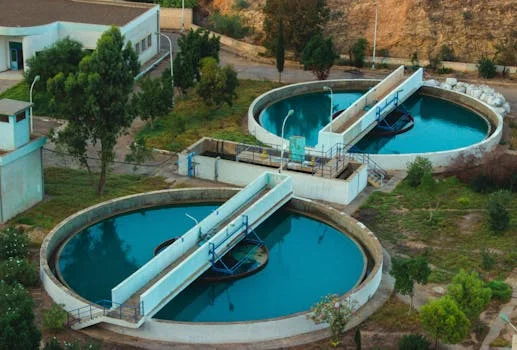
Selecting the optimal wastewater treatment equipment for a factory in Mosul hinges on a precise match between the effluent's contaminant profile, the required discharge standards, and the available budget. For facilities grappling with significant heavy metal loads, such as lead and cadmium, chemical precipitation using ammonium molybdate remains a primary, cost-effective solution, offering 95% removal at a CAPEX of $200–$400 per cubic meter and OPEX of $0.10–$0.30 per cubic meter. While ion exchange can achieve higher removal rates (up to 99%), its higher operational costs often make it less viable for large-scale industrial applications in Mosul. When high concentrations of suspended solids (TSS) and FOG are the main concern, as is common in textile or food processing plants, Dissolved Air Flotation (DAF) systems provide an efficient solution. HydropureWater's DAF machines, with a CAPEX of $150–$300 per cubic meter per hour, can achieve 95% TSS removal. Rotary drum screens offer a simpler, lower-cost alternative for bulk solids removal but with lower efficiency, around 80% TSS removal, and a CAPEX of $50–$100 per cubic meter per hour.
For industries aiming for wastewater reuse or meeting the most stringent discharge standards, Membrane Bioreactors (MBR) are the preferred choice. These systems provide <1 μm filtration, ensuring high-quality effluent. The CAPEX for MBR systems ranges from $500–$800 per cubic meter per day, with an OPEX of $0.20–$0.50 per cubic meter, delivering over 95% COD removal. This contrasts with A/O biological systems, which are more budget-friendly with a CAPEX of $300–$500 per cubic meter per day and 85–90% COD removal, making them suitable for facilities primarily focused on organic load reduction. The generation of sludge is an inevitable byproduct of most treatment processes, and efficient dewatering is crucial for minimizing disposal costs. For sludge dewatering in Mosul, plate-and-frame filter presses offer a robust solution, achieving 20–30% cake solids at a CAPEX of $100–$200 per cubic meter per hour, while belt presses are a slightly more economical option with 15–25% cake solids and a CAPEX of $80–$150 per cubic meter per hour. Finally, for disinfection, chlorine dioxide (ClO₂) generators, with an OPEX of $0.05–$0.15 per cubic meter, offer a residual disinfectant effect, whereas UV systems, costing $0.02–$0.08 per cubic meter, provide a chemical-free disinfection method.
| Contaminant Focus | Recommended Technology | Typical CAPEX Range | Typical OPEX Range | Efficiency | Notes |
|---|---|---|---|---|---|
| Heavy Metals (Pb, Cd) | Chemical Precipitation (Ammonium Molybdate) | $200–$400/m³ | $0.10–$0.30/m³ | 95% Pb/Cd | Requires sludge management |
| TSS, FOG | DAF | $150–$300/m³/h | $0.05–$0.15/m³ | 95% TSS | Efficient for bulk solids |
| COD, BOD (High Purity Reuse) | MBR | $500–$800/m³/day | $0.20–$0.50/m³ | >95% COD, <1 μm | High CAPEX, energy-intensive |
| COD, BOD (Standard) | A/O Biological | $300–$500/m³/day | $0.10–$0.25/m³ | 85–90% COD | Requires HRT |
| Sludge Dewatering | Plate-and-Frame Filter Press | $100–$200/m³/h | $0.05–$0.10/m³ | 20–30% cake solids | Robust for various sludges |
| Disinfection | Chlorine Dioxide Generator | $50–$150/m³/h (system) | $0.05–$0.15/m³ | 99.9% pathogen reduction | Residual effect |
Compliance and Permitting for Industrial Wastewater in Mosul: What Factories Need to Know
Navigating the regulatory landscape for industrial wastewater discharge in Mosul is critical for operational continuity and avoiding severe financial penalties. The Iraqi Environmental Law No. 27 of 2009, along with specific directives from the Iraqi EPA, establishes strict discharge limits. For key pollutants, these include a maximum of 0.1 ppm for Pb, 0.01 ppm for Cd, 150 ppm for COD, and 50 ppm for TSS. Factories must ensure their on-site treatment systems consistently meet or exceed these benchmarks. The permitting process for new industrial wastewater treatment facilities or significant modifications typically involves a comprehensive Environmental Impact Assessment (EIA), detailed treatment system specifications, and effluent sampling reports. The timeline for obtaining these permits can range from 3 to 6 months, with associated fees varying from approximately ₹500,000 to ₹2,000,000, depending on the facility's discharge flow rate and the complexity of its operations.
Ongoing monitoring is a non-negotiable requirement. This includes the installation of continuous pH and flow meters to track discharge parameters in real-time. Quarterly testing for heavy metals using advanced techniques like atomic absorption spectroscopy is mandated, and annual third-party audits are often required to verify compliance. Non-compliance carries substantial risks: fines can range from ₹1,000,000 to ₹5,000,000 for initial violations, with repeat offenses potentially leading to temporary shutdowns or even criminal liability under the Iraqi Penal Code. For instance, a hypothetical Mosul textile factory experiencing TSS levels of 200 ppm would need to implement a DAF system to reduce these solids to below the 50 ppm limit, thereby meeting Iraqi EPA standards and avoiding potential enforcement actions.
Cost Breakdown and ROI for Industrial Wastewater Treatment in Mosul
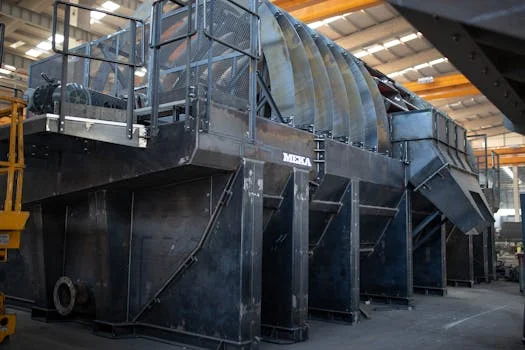
Investing in industrial wastewater treatment in Mosul requires a clear understanding of both capital expenditure (CAPEX) and operational expenditure (OPEX), as well as the potential return on investment (ROI). CAPEX benchmarks for various treatment systems in Mosul indicate a range from $300–$800 per cubic meter per day for advanced MBR systems, reflecting their comprehensive treatment capabilities. For DAF systems, which are effective for solids and FOG removal, CAPEX typically falls between $150–$300 per cubic meter per hour, while chemical dosing systems for heavy metal precipitation can range from $200–$400 per cubic meter. The OPEX for these systems needs careful consideration, including energy consumption, which can range from $0.05–$0.20 per cubic meter, chemical consumables from $0.10–$0.50 per cubic meter, labor costs between $0.05–$0.15 per cubic meter, and maintenance at $0.02–$0.10 per cubic meter.
The ROI for wastewater treatment investments in Mosul is driven by several key factors. Avoiding fines, which can amount to ₹1,000,000–₹5,000,000 annually, presents a direct cost saving. implementing water reuse technologies, often enabled by MBR systems, can generate significant savings, estimated at $0.50–$2.00 per cubic meter of treated water. Efficient sludge dewatering, using equipment like plate-and-frame filter presses, can reduce sludge disposal volumes by 30–50%, leading to substantial cost reductions. Consequently, the payback period for these systems varies; DAF and chemical dosing systems typically offer a payback of 1–3 years, while more advanced MBR systems, driven by water reuse benefits, can have a payback period of 2–5 years, highly dependent on the specific flow rate and effluent profile. Cost-saving strategies for Mosul factories include exploring the use of locally sourced adsorbents, such as corncob waste for heavy metal removal, optimizing chemical dosing with PLC-controlled automatic dosing systems, and negotiating bulk contracts for sludge disposal to achieve economies of scale.
| Cost Component | Typical Range (per m³) | Key Drivers |
|---|---|---|
| CAPEX (MBR) | $500–$800/m³/day | Membrane technology, aeration, tankage |
| CAPEX (DAF) | $150–$300/m³/h | Skimmer, air dissolution, tank size |
| CAPEX (Chemical Dosing) | $200–$400/m³ | Dosing pumps, tanks, reaction vessels |
| OPEX (Energy) | $0.05–$0.20 | Pumping, aeration, membrane flux |
| OPEX (Chemicals) | $0.10–$0.50 | Precipitants, coagulants, disinfectants |
| OPEX (Labor) | $0.05–$0.15 | Operation, monitoring, maintenance |
| OPEX (Maintenance) | $0.02–$0.10 | Part replacement, cleaning |
| ROI Driver (Fine Avoidance) | ₹1M–₹5M/year | Compliance with Iraqi EPA standards |
| ROI Driver (Water Reuse) | $0.50–$2.00/m³ | Reduced potable water purchase |
| ROI Driver (Sludge Reduction) | 30–50% | Dewatering efficiency |
Frequently Asked Questions
What are the most common contaminants in Mosul’s industrial wastewater?
The most prevalent contaminants in industrial wastewater from Mosul’s manufacturing sectors, including pharmaceutical, textile, and metalworking plants, are heavy metals such as Lead (Pb) and Cadmium (Cd), alongside organic pollutants (measured by COD/BOD) and suspended solids (TSS). Studies from the University of Mosul have reported Pb levels reaching up to 8.66 ppm in certain factory effluents, underscoring the critical need for effective treatment.
How much does a DAF system cost for a 50 m³/h factory in Mosul?
For a factory in Mosul with a flow rate of 50 m³/h, the estimated CAPEX for a DAF system (like HydropureWater) would range from $7,500 to $15,000. The OPEX is projected to be between $0.15–$0.30 per cubic meter, encompassing energy, maintenance, and minor consumables. This cost typically includes the core DAF unit, micro-bubble generator, skimmer, and integrated PLC controls for automated operation.
What permits are required for a new wastewater treatment plant in Mosul?
Establishing a new industrial wastewater treatment plant in Mosul necessitates obtaining an Iraqi EPA discharge permit, securing approval from the local municipality, and conducting an Environmental Impact Assessment (EIA), particularly for flow rates exceeding 50 m³/day. The entire permitting process generally takes between 3 to 6 months to complete.
Can MBR systems treat heavy metals like Pb and Cd?
MBR systems are primarily designed for the removal of organic matter and suspended solids, achieving high COD removal rates (over 95%) and producing reuse-quality effluent through <1 μm filtration. However, they are not designed to effectively remove dissolved heavy metals like Pb and Cd. For facilities with heavy metal contamination, MBR systems must be preceded by a pretreatment stage, such as chemical precipitation using ammonium molybdate, which can achieve up to 95% Pb/Cd removal.
What’s the payback period for a wastewater treatment system in Mosul?
The payback period for industrial wastewater treatment systems in Mosul can vary significantly, typically ranging from 1 to 5 years. For DAF systems, which primarily help avoid fines related to TSS discharge, the payback is often quicker, between 1 to 3 years. MBR systems, especially when their water reuse capabilities are leveraged, can achieve payback in 2 to 5 years, driven by reduced potable water costs and compliance assurance.
Related Equipment
The following HydropureWater products are engineered for the wastewater challenges discussed above:
- DAF systems for Mosul’s high-TSS industrial wastewater — view specifications, capacity range, and technical data
- MBR systems for reuse-quality effluent in Mosul — view specifications, capacity range, and technical data
- PLC-controlled chemical dosing for Mosul’s heavy metal removal — view specifications, capacity range, and technical data
- sludge dewatering for Mosul’s industrial wastewater treatment — view specifications, capacity range, and technical data
Need a customized solution? Request a free quote with your specific flow rate and pollutant parameters.