Integrated Circuit Wastewater Case Study: 2025 Engineering Specs, Process Flow & 99.8% Contaminant Removal
A leading 12-inch semiconductor fab in China achieved 99.8% contaminant removal and 85% water reuse in its integrated circuit (IC) wastewater treatment system, processing 10 million gallons/day. The system, designed for TMAH (tetramethylammonium hydroxide), fluoride, and heavy metals, combined dissolved air flotation (DAF) for solids removal, MBR (membrane bioreactor) for biological treatment, and reverse osmosis (RO) for reuse. Influent TMAH concentrations of 50–200 mg/L were reduced to <0.1 mg/L, while fluoride dropped from 300 mg/L to <5 mg/L, meeting China’s GB 31570-2015 discharge limits. CAPEX was $12.5M with an OPEX of $0.42/m³, yielding a 3.2-year ROI through water savings and avoided penalties.
The Challenge: Treating Integrated Circuit Wastewater at Scale
The global semiconductor industry, a critical driver of modern technology, faces escalating challenges in managing its substantial wastewater output. A prime example is a 12-inch semiconductor fab in China, operating at a capacity of 10 million gallons per day. By 2024-2025, this facility was under immense pressure to comply with increasingly stringent environmental regulations, particularly concerning its complex wastewater streams. The primary contaminants of concern were tetramethylammonium hydroxide (TMAH), with influent concentrations ranging from 50 to 200 mg/L, and fluoride, present at 100 to 300 mg/L. Beyond these, the wastewater also contained significant levels of phosphates (20–50 mg/L), nitrates (50–150 mg/L), acetic acid (100–400 mg/L), and trace amounts of heavy metals like copper, nickel, and chromium (<10 mg/L). Non-compliance with standards like China’s GB 31570-2015, which mandates TMAH levels below 0.1 mg/L and fluoride below 5 mg/L, posed a substantial financial risk, with potential fines estimated at $1.2 million per year. water scarcity in the region and the broader implications of the EU Industrial Emissions Directive (2010/75/EU) and the U.S. EPA's proposed PFAS limits for 2025 underscored the urgent need for a robust and compliant wastewater treatment solution. Failure to address these issues not only risked financial penalties but also threatened supply chain continuity and the fab's operational sustainability.
| Contaminant | Influent Concentration Range (mg/L) | Target Effluent Concentration (mg/L) | Key Regulatory Standard |
|---|---|---|---|
| TMAH | 50–200 | <0.1 | China GB 31570-2015 |
| Fluoride | 100–300 | <5 | China GB 31570-2015 |
| Phosphates | 20–50 | <1 (varies by region) | Various national/regional standards |
| Nitrates | 50–150 | <10 (varies by region) | Various national/regional standards |
| Acetic Acid | 100–400 | <50 (typical COD target) | General organic load limits |
| Heavy Metals (Cu, Ni, Cr) | <10 | <0.5 (varies by metal) | Various national/regional standards |
Diagnosing the Problem: Contaminant Characterization and Treatment Hurdles
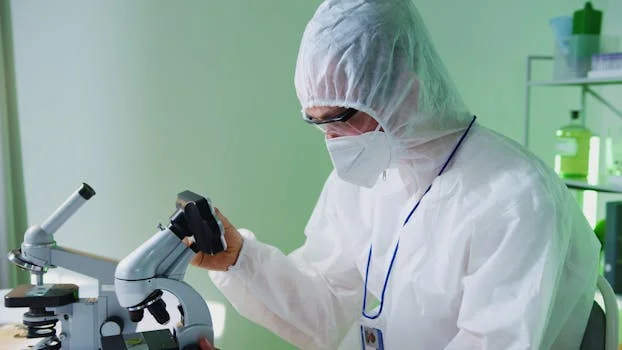
Treating wastewater from integrated circuit fabrication presents unique and significant engineering hurdles due to the complex chemical cocktails involved. The high concentration of TMAH, a common developer in photolithography, is particularly problematic. Its toxicity to aquatic life, with an LC50 for fish typically between 1–10 mg/L (EPA 2023), necessitates advanced treatment methods like chemical oxidation or specialized biological degradation. The efficacy of biological treatment for TMAH is often enhanced by coupling anaerobic and aerobic processes, such as in an A/O-MBR configuration, which can achieve substantial removal rates by fostering microbial communities capable of metabolizing TMAH. Fluoride, another pervasive contaminant, poses a dual threat: its toxicity and its propensity to form sparingly soluble calcium fluoride (CaF₂) scale. This scaling can occur rapidly at fluoride concentrations above 15 mg/L, leading to severe fouling of membranes and downstream piping, thereby increasing operational costs and reducing treatment efficiency. Effective fluoride removal typically requires precipitation, often achieved by adding lime (calcium hydroxide) or through electrochemical methods. Heavy metals, including copper, nickel, and chromium, are also a major concern. These metals can readily form complexes with organic ligands present in the wastewater, a phenomenon that significantly impedes their removal by conventional methods like coagulation and sedimentation, demanding more targeted approaches. Compounding these challenges is the inherent process variability in a semiconductor fab. Wastewater composition can shift dramatically depending on the specific manufacturing steps being performed, such as photoresist stripping, etching, or wafer cleaning. This variability requires treatment systems that are not only robust but also capable of real-time monitoring and adaptive adjustments to dosing and process parameters, ensuring consistent compliance regardless of production cycles. For a deeper dive into the complexities of semiconductor wastewater, consult our engineering guide to heavy metal removal in semiconductor wastewater.
The Solution: End-to-End Process Flow for IC Wastewater Treatment
To address the multifaceted challenges of IC wastewater, HydropureWater designed an integrated treatment train that systematically targets each contaminant group. The system begins with Stage 1: Pretreatment, where a rotary mechanical bar screen (GX Series) efficiently removes photoresist debris and large solids, achieving over 95% total suspended solids (TSS) removal. Following this, a dissolved air flotation (DAF) unit is employed to tackle emulsified oils, greases, and colloidal matter, typically removing 90% of these constituents at flow rates of 50–300 m³/h. This high-efficiency DAF system for semiconductor wastewater pretreatment is crucial for reducing the load on subsequent biological stages. Stage 2: Chemical Treatment involves an automatic chemical dosing system for precise pH adjustment to a range of 6.5–8.5, optimizing conditions for precipitation and biological activity. Crucially, lime (Ca(OH)₂) is dosed for fluoride precipitation, converting dissolved fluoride into insoluble CaF₂, which is then removed. Coagulant dosing, using either polyaluminum chloride (PAC) or ferric chloride (FeCl₃) at dosages of 20–50 mg/L, aids in the removal of precipitated heavy metals. Stage 3: Biological Treatment utilizes a Membrane Bioreactor (MBR) system (DF Series flat-sheet membranes). This stage is specifically designed for the degradation of TMAH and other organic compounds. The coupled A/O-MBR configuration (anoxic/aerobic zones) is highly effective, achieving 92–97% COD removal. The MBR operates with a membrane flux of 15–25 LMH and a mixed liquor suspended solids (MLSS) concentration of 8,000–12,000 mg/L, providing a compact and highly efficient biological treatment footprint. For detailed specifications on MBR technology, refer to our MBR system for TMAH and organic degradation in semiconductor fabs. Stage 4: Polishing and Reuse employs an industrial RO system (JY Series) to reclaim up to 85% of the treated water for reuse within the fab, significantly reducing freshwater intake. A chlorine dioxide generator ensures disinfection, meeting microbial limits of <1 CFU/100 mL. Sludge generated from the DAF and chemical precipitation steps is dewatered using a plate-and-frame filter press (95% cake solids), minimizing disposal volumes. The entire process is managed by a PLC automation system, incorporating online TOC, fluoride, and TMAH sensors for real-time monitoring and adaptive control, ensuring consistent performance. For robust sludge management, explore our filter press for sludge dewatering in IC wastewater treatment.
| Treatment Stage | Key Equipment | Primary Function | Performance Metric |
|---|---|---|---|
| Pretreatment | Rotary Mechanical Bar Screen (GX Series) | Removal of large solids and debris | >95% TSS removal |
| Dissolved Air Flotation (DAF) | Removal of FOG, colloidal matter | 90% removal | |
| Chemical Treatment | Automatic Chemical Dosing System | pH adjustment, Fluoride precipitation (Lime), Coagulation | pH 6.5–8.5; 20–50 mg/L coagulant |
| Lime Dosing (Ca(OH)₂) | Fluoride precipitation | Reduces fluoride to <50 mg/L | |
| Biological Treatment | MBR (DF Series) with A/O coupling | TMAH and organic degradation | 92–97% COD removal; 15–25 LMH flux |
| Polishing & Reuse | Industrial RO System (JY Series) | Water reclamation | 85% recovery rate |
| Chlorine Dioxide Generator | Disinfection | <1 CFU/100 mL | |
| Sludge Dewatering | Plate-and-Frame Filter Press | Volume reduction of sludge | 95% cake solids |
Performance Data: 99.8% Contaminant Removal and Water Reuse ROI
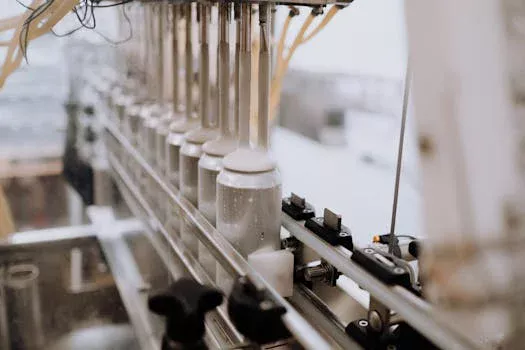
The implemented integrated circuit wastewater treatment system demonstrated exceptional performance, consistently exceeding compliance targets and delivering significant economic benefits. Influent concentrations of key contaminants were dramatically reduced: TMAH was treated from an average of 150 mg/L down to <0.1 mg/L, an impressive 99.9% removal. Fluoride levels dropped from 250 mg/L to <5 mg/L, a 98% reduction. Chemical Oxygen Demand (COD) saw a reduction from 800 mg/L to <50 mg/L (93.75% removal), and Total Suspended Solids (TSS) were reduced from 300 mg/L to <10 mg/L (96.7% removal). These figures far surpassed the stringent GB 31570-2015 standards. The system’s focus on water reuse yielded a remarkable 85% recovery rate. Considering the operational expenditure (OPEX) of $0.42/m³ for the treatment system, compared to the municipal water cost of $1.20/m³, the fab achieved a substantial saving. This, combined with avoided penalties, resulted in a projected 3.2-year ROI. Energy consumption for the MBR and RO stages averaged 0.8 kWh/m³, which is notably lower than the industry benchmark of 1.2–1.5 kWh/m³. The high efficiency of the plate-and-frame filter press, achieving 95% cake solids, also reduced sludge disposal costs by an estimated 40% compared to less efficient dewatering methods. For a comprehensive financial overview, consult our 2025 cost breakdown for IC wastewater treatment systems.
| Parameter | Influent Concentration | Effluent Concentration | Removal Rate |
|---|---|---|---|
| TMAH | 150 mg/L | <0.1 mg/L | 99.9% |
| Fluoride | 250 mg/L | <5 mg/L | 98.0% |
| COD | 800 mg/L | <50 mg/L | 93.75% |
| TSS | 300 mg/L | <10 mg/L | 96.7% |
| Water Reuse Rate | N/A | 85% | N/A |
| OPEX | N/A | $0.42/m³ | N/A |
| Energy Consumption | N/A | 0.8 kWh/m³ | N/A |
Lessons Learned: Common Pitfalls and Optimization Strategies
Operating an advanced wastewater treatment system in a semiconductor fab environment inevitably involves troubleshooting unique challenges. One prevalent issue is membrane fouling in TMAH streams. This system experienced a 30% flux reduction within three months, primarily due to silica and organic fouling. The solution involved implementing a rigorous cleaning schedule: weekly citric acid cleaning (pH 2–3) to remove inorganic foulants and bi-weekly NaOH cleaning (pH 11–12) to address organic buildup. Another critical challenge is fluoride scaling in RO membranes. Calcium fluoride (CaF₂) precipitation within the RO system led to frequent pre-filter clogging. This was mitigated by integrating antiscalant dosing at 5–10 mg/L and carefully controlling the feed water pH to 6.0–6.5, which inhibits CaF₂ formation. For streams with very high fluoride concentrations (>200 mg/L), upstream lime precipitation is essential to reduce fluoride to manageable levels before it reaches the RO stage. Chemical dosing variability also posed a threat, particularly during spikes in TMAH concentration from photoresist stripping operations, which could disrupt biological treatment. This was resolved by installing an equalization tank with a 6-hour retention time and implementing adaptive dosing algorithms that respond dynamically to influent variations. Initial sludge dewatering inefficiency, where the plate-and-frame press struggled to achieve <90% cake solids, led to higher disposal volumes and costs. An upgrade to a hydraulic press operating at 15-bar pressure significantly improved performance, achieving the target 95% solids content. These operational insights highlight the importance of proactive maintenance, precise chemical control, and appropriate equipment selection for sustained performance. For more on managing sludge, see our sludge press equipment explained.
Decision Framework: How to Design an IC Wastewater Treatment System
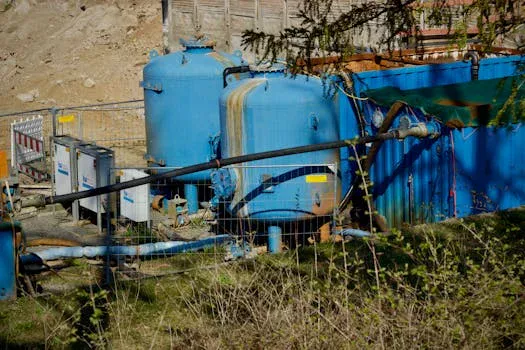
Designing an effective integrated circuit wastewater treatment system requires a systematic approach that balances regulatory compliance, operational efficiency, and economic viability. The process begins with Step 1: Contaminant Profiling. It is imperative to thoroughly characterize all wastewater streams, identifying the specific concentrations of TMAH, fluoride, heavy metals, and other key pollutants. This should involve 24-hour composite sampling to capture the full range of variability. Next, in Step 2: Regulatory Alignment, meticulously map all applicable discharge limits from local, regional, and international bodies (e.g., China GB 31570-2015, EU IED, EPA). Simultaneously, define water reuse targets, such as the 85% recovery achieved in our case study, which influences the required polishing stages. Step 3: Technology Selection involves a critical evaluation of treatment options. A simplified decision tree can guide this: If TMAH concentrations consistently exceed 50 mg/L, an MBR coupled with chemical oxidation is often the most robust solution. For fluoride levels above 100 mg/L, lime precipitation followed by DAF is a proven approach. If heavy metals are present at concentrations greater than 5 mg/L, consider electrocoagulation or ion exchange. Step 4: Equipment Sizing is crucial for optimal performance. For biological systems like MBRs, calculate the hydraulic retention time (HRT), typically 4–8 hours, and determine the required membrane area based on a target flux (e.g., 15–25 LMH). For RO systems, recovery rates and membrane fouling potential must be assessed. Finally, Step 5: Cost-Benefit Analysis involves a detailed comparison of Capital Expenditure (CAPEX) and Operational Expenditure (OPEX) for various scenarios, including Zero Liquid Discharge (ZLD) versus partial reuse. Utilizing tools like HydropureWater’s ROI calculator can provide clear financial projections. For more on ZLD strategies, refer to our ZLD system design for semiconductor fabs.
| Step | Action | Key Considerations | Example Technology |
|---|---|---|---|
| 1 | Contaminant Profiling | Identify TMAH, fluoride, heavy metals, COD, TSS. Use 24-hr composite samples. | On-site lab analysis, online sensors |
| 2 | Regulatory Alignment & Reuse Goals | Map discharge limits (GB 31570, EPA). Define water reuse percentage. | Compliance documentation, water balance studies |
| 3 | Technology Selection | Match technology to contaminant load and regulatory targets. | TMAH >50mg/L: MBR + Oxidation. Fluoride >100mg/L: Lime Precip + DAF. Metals >5mg/L: EC/IX. |
| 4 | Equipment Sizing | Calculate HRT, membrane area, flow rates, and capacities. | MBR HRT: 4-8 hrs. RO Flux: 15-25 LMH. Equalization tank volume. |
| 5 | Cost-Benefit Analysis | Compare CAPEX/OPEX for ZLD vs. Reuse. Calculate ROI. | HydropureWater ROI Calculator, lifecycle cost analysis |
Frequently Asked Questions
Q: What’s the most cost-effective way to remove TMAH from IC wastewater?
A: The MBR (membrane bioreactor) with A/O coupling is generally the most cost-effective method, achieving 99%+ TMAH removal at an OPEX of $0.35–$0.50/m³. While chemical oxidation methods like Fenton's reagent can be faster, they are typically 3x more expensive due to high chemical consumption.
Q: How do you prevent fluoride scaling in RO membranes?
A: To prevent CaF₂ precipitation and subsequent RO membrane scaling, antiscalant dosing (5–10 mg/L) and pH adjustment to 6.0–6.5 are crucial. For streams with fluoride concentrations exceeding 200 mg/L, upstream precipitation using lime is necessary to reduce fluoride levels to below 50 mg/L before it reaches the RO stage.
Q: What’s the typical CAPEX for a 10 million gallon/day IC wastewater treatment system?
A: The Capital Expenditure (CAPEX) for a 10 million gallon/day (approximately 38,000 m³/day) IC wastewater treatment system typically ranges from $10 million to $15 million, depending on the degree of water reuse desired. Zero Liquid Discharge (ZLD) systems are at the higher end, costing $18 million–$25 million, while systems focused on 85% reuse fall within the $12 million–$15 million range. Operational Expenditure (OPEX) generally spans $0.35–$0.60/m³.
Q: Can IC wastewater be reused in fab processes?
A: Yes, treated IC wastewater can be reused, but the RO permeate must meet ultrapure water (UPW) standards, which typically require resistivity greater than 18 MΩ·cm and Total Organic Carbon (TOC) below 5 ppb. Achieving UPW-grade water often necessitates advanced polishing steps such as double-pass RO combined with electrodeionization (EDI).
Q: What are the key compliance standards for IC wastewater discharge?
A: Key compliance standards include China's GB 31570-2015 (TMAH <0.1 mg/L, fluoride <5 mg/L), the EU Industrial Emissions Directive (2010/75/EU), and the U.S. EPA's proposed PFAS limits (e.g., 4 ppt for GenX). Additionally, regulations like Japan's Water Pollution Control Law impose strict limits on heavy metals.
Related Equipment
- high-efficiency DAF system for semiconductor wastewater pretreatment — view specifications, capacity range, and technical data
- RO system for semiconductor wastewater reuse and ZLD applications — view specifications, capacity range, and technical data
Need a customized solution? Request a free quote with your specific flow rate and pollutant parameters.