Portland’s Wastewater Compliance Crisis: Why Outdated Equipment Costs Millions
Portland’s industrial and municipal facilities are facing a growing challenge: meeting stringent EPA and Oregon DEQ discharge limits while managing escalating biosolids volumes. The Columbia Boulevard and Tryon Creek wastewater treatment plants, for example, process over 100 tons of biosolids daily, according to 2024 Bureau of Environmental Services (BES) reports. Non-compliance with federal regulations can result in fines of up to $25,000 per day under the EPA's Clean Water Act. Compounding this, Oregon DEQ’s 2025 industrial discharge limits for Chemical Oxygen Demand (COD) are set at ≤50 mg/L and Total Suspended Solids (TSS) at ≤30 mg/L, which are often more stringent than federal EPA standards. Conventional clarifiers frequently struggle to achieve these advanced removal rates, leading to costly violations. A stark illustration of this is a Portland metalworking plant that incurred $1.2 million in fines in 2023 due to Fats, Oils, and Grease (FOG) violations. Had the facility invested in Dissolved Air Flotation (DAF) systems, sludge disposal costs could have been reduced by as much as 40%, demonstrating a clear financial incentive for upgrading wastewater treatment infrastructure.
EPA and Oregon DEQ Standards: What Portland Buyers Must Know Before Purchasing
Navigating the complex web of environmental regulations is paramount for any Portland-based facility seeking to procure sewage treatment equipment. Understanding these benchmarks allows buyers to effectively filter suppliers based on technical capability rather than solely on cost. The EPA's 2025 Portland Metro discharge limits mandate strict controls on key parameters, including COD (≤50 mg/L), TSS (≤30 mg/L), pH (6-9), FOG (specific limits vary by industry), and heavy metals. These standards are enforced by EPA Region 10 and the Oregon Department of Environmental Quality (DEQ). Oregon's designation of certain water bodies as 'Outstanding Resource Waters,' such as sections of the Willamette River, imposes even tighter local limits, often requiring TSS levels as low as ≤10 mg/L for direct discharge. Buyers must also distinguish between permit requirements for industrial versus municipal operations; industrial facilities typically operate under National Pollutant Discharge Elimination System (NPDES) permits and may be subject to local pretreatment programs, while municipal plants manage broader community wastewater. Notably, MBR systems are pre-approved for water reuse applications in Oregon, as per DEQ 2024 guidelines, offering a significant advantage for facilities looking to conserve water. DAF systems, while effective for FOG removal, generally require additional disinfection processes to meet reuse standards.
| Parameter | EPA 2025 Portland Metro Limit (Industrial) | Oregon DEQ Outstanding Resource Water Limit (Example: Willamette River) | Typical Equipment Capability |
|---|---|---|---|
| COD | ≤50 mg/L | Varies (often stricter than federal) | MBR: >95% removal; DAF: 50-70% removal |
| TSS | ≤30 mg/L | ≤10 mg/L | MBR: >99% removal; Lamella Clarifiers: 80-90% removal |
| pH | 6-9 | 6-9 | Automatic Chemical Dosing Systems |
| FOG | Varies by industry | Varies (often stricter) | DAF Systems: 92-97% removal |
| Heavy Metals | Varies by industry | Varies (often stricter) | Chemical Precipitation + Filtration |
5 Sewage Treatment Equipment Types Compared: Specs, Costs, and Portland Use Cases
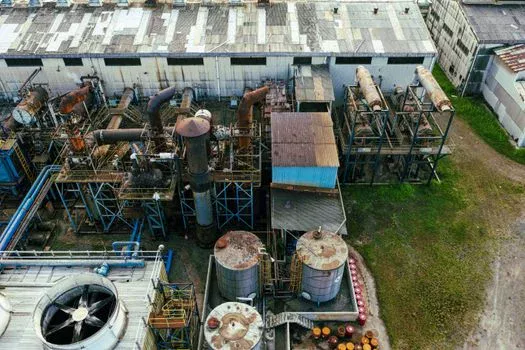
Selecting the right sewage treatment equipment requires a detailed understanding of each technology's capabilities, costs, and suitability for specific Portland applications. HydropureWater offers a range of solutions designed to meet diverse industrial and municipal needs. DAF systems are highly effective for removing FOG, suspended solids, and other buoyant materials, achieving 92–97% FOG removal with flow rates ranging from 4 to 300 m³/h. Their capital expenditure (CAPEX) typically falls between $80,000 and $1.5 million, with operational expenditure (OPEX) around $0.15–$0.30/m³. These systems are ideal for Portland's food processing, metalworking, and petrochemical plants, which have faced significant FOG-related violations. MBR systems offer superior effluent quality with sub-micron filtration, often achieving over 99% TSS and COD removal, and boast a 60% smaller footprint compared to conventional treatment. CAPEX for MBR systems ranges from $200,000 to $5 million, with OPEX between $0.20–$0.50/m³. They are best suited for water reuse projects, making them a prime choice for Portland's burgeoning breweries and semiconductor fabrication plants seeking to optimize water consumption. Portland-approved DAF systems for FOG removal can significantly reduce operational headaches. For facilities prioritizing space-saving and enhanced settling, Lamella Clarifiers offer an 80% footprint reduction and up to 30% less chemical usage. With CAPEX between $100,000 and $2 million, they are a robust option for municipal upgrades, such as those undertaken by Washington County's Clean Water Services. When it comes to managing the substantial daily biosolids volumes, such as the 100+ tons processed by Columbia Boulevard daily, Filter Presses are critical. These systems can achieve 30–40% dry solids content, with CAPEX ranging from $50,000 to $1 million, significantly reducing sludge disposal volume and associated costs. Finally, Automatic Chemical Dosing Systems are essential for maintaining EPA pH compliance (6–9). With CAPEX from $20,000 to $200,000 and OPEX of $0.05–$0.15/m³, these systems ensure precise chemical addition for pH adjustment and other treatment processes. Automated pH adjustment systems for EPA compliance are a fundamental component of any advanced wastewater treatment train.
| Equipment Type | Primary Application | Typical CAPEX Range | Typical OPEX Range (/m³) | Key Performance Indicators | Portland Use Case Example |
|---|---|---|---|---|---|
| DAF Systems | FOG, TSS, Oil Removal | $80K – $1.5M | $0.15 – $0.30 | 92–97% FOG removal; 90–95% TSS removal | Food processing, Metalworking |
| MBR Systems | High-Quality Effluent, Water Reuse | $200K – $5M | $0.20 – $0.50 | >99% TSS & COD removal; <1 μm filtration | Breweries, Semiconductor fabs |
| Lamella Clarifiers | Primary/Secondary Clarification | $100K – $2M | $0.10 – $0.25 | 80–90% TSS removal; 80% footprint reduction | Municipal upgrades, Industrial pre-treatment |
| Filter Presses | Biosolids Dewatering | $50K – $1M | $0.05 – $0.15 (per ton sludge) | 30–40% dry solids content | Sludge management for large treatment plants |
| Chemical Dosing Systems | pH Adjustment, Coagulation, Disinfection | $20K – $200K | $0.05 – $0.15 | Precise chemical delivery | Ensuring pH compliance, Optimizing other treatment stages |
Portland-Specific Cost Breakdown: CAPEX, OPEX, and ROI for Industrial vs. Municipal Buyers
Budgeting for sewage treatment equipment requires a granular understanding of costs, especially within the Portland metropolitan area. CAPEX for systems can range broadly from $50,000 for a compact filter press to $5 million for an advanced MBR system. Portland's specific geological conditions and stringent building codes mean that seismic-resistant construction and corrosion-resistant materials can increase these costs by 10–30% compared to national averages, according to 2024 RSMeans data. OPEX, typically ranging from $0.10 to $0.50/m³, is also influenced by local energy rates; Portland's industrial electricity costs, for instance, are approximately 15% higher than the national average, as reported by Portland General Electric (PGE). However, significant Return on Investment (ROI) can be realized through various avenues. Sludge disposal costs in Portland can average between $50 and $150 per ton, meaning efficient dewatering through filter presses can yield substantial savings. the Portland Water Bureau offers rebates for water reuse initiatives, potentially offsetting up to $0.50 per gallon of reclaimed water. Crucially, avoiding fines, which can reach $25,000 per day for non-compliance, presents a direct and immediate ROI. Local incentives, such as the Oregon DEQ’s Clean Water State Revolving Fund offering low-interest (2%) loans and PGE’s energy efficiency rebates for advanced systems like MBRs, further enhance the financial viability of upgrading wastewater treatment infrastructure. For those considering advanced treatment, EPA-compliant MBR systems for Portland water reuse projects offer long-term water security and operational savings.
| Cost Component | Typical Range (Portland Adjustment) | Key Portland Factors | ROI Drivers |
|---|---|---|---|
| CAPEX | $50K – $5M+ | Seismic requirements, Corrosion-resistant materials (+10-30%) | Longevity, Reduced maintenance, Compliance assurance |
| OPEX (Energy) | $0.05 – $0.25/m³ | PGE industrial rates (+15% vs. national average) | Energy-efficient equipment selection (e.g., MBRs) |
| OPEX (Chemicals) | $0.03 – $0.10/m³ | Local chemical supply chain | Optimized dosing systems, Alternative treatment chemistries |
| Sludge Disposal | $50 – $150/ton | Local landfill tipping fees, Hauling costs | Efficient dewatering (Filter Presses), Reduced sludge volume |
| Water Reuse | Up to $0.50/gallon rebate | Portland Water Bureau incentives | Reduced potable water consumption, Environmental stewardship |
| Avoided Fines | $25K+/day | EPA & Oregon DEQ enforcement | Consistent compliance, Operational reliability |
How to Select a Supplier in Portland: A Zero-Risk Checklist
Choosing the right sewage treatment equipment supplier in Portland is as critical as selecting the equipment itself. A robust evaluation process can mitigate risks and ensure long-term operational success. Begin with compliance verification: insist on explicit EPA and Oregon DEQ approval letters for relevant equipment models and request third-party performance data, particularly for COD and TSS removal rates. Next, prioritize local references; a supplier should be able to provide at least three successful installations within the Portland-area, ideally in similar industrial or municipal settings. Assess service and support capabilities, ensuring 24/7 local service availability, which is crucial for rapid response to potential issues, especially at remote industrial sites. Scrutinize warranty and SLAs. A minimum two-year warranty on major equipment components and a one-year warranty on critical parts like MBR membranes are standard. Service Level Agreements (SLAs) should guarantee a minimum uptime of 95%. Finally, demand cost transparency. Request itemized CAPEX and OPEX breakdowns, including detailed energy consumption (kWh/m³) and chemical usage (L/m³), to facilitate accurate lifecycle cost analysis. By rigorously applying this checklist, buyers can confidently select a supplier that meets Portland's unique demands and regulatory landscape.
Frequently Asked Questions
What are Portland's EPA discharge limits for TSS?
For industrial facilities within the Portland Metro area, the EPA's 2025 discharge limit for TSS is ≤30 mg/L. However, for direct discharge into Outstanding Resource Waters like the Willamette River, Oregon DEQ often imposes stricter limits, typically ≤10 mg/L (per EPA Region 10 and Oregon DEQ guidelines).
How does MBR technology compare to DAF for industrial wastewater treatment in Portland?
MBR systems provide superior effluent quality, achieving ultra-low TSS and COD levels suitable for water reuse, making them ideal for water-intensive industries like semiconductor manufacturing. DAF systems are highly effective and cost-efficient for removing FOG and suspended solids, particularly in food processing and metalworking plants, but typically require additional disinfection for reuse applications (per Oregon DEQ 2024 guidelines).
What is the typical cost of a sewage treatment plant in Portland?
The cost of a sewage treatment plant in Portland varies significantly based on capacity and technology. CAPEX can range from $50,000 for smaller, specialized equipment like filter presses to upwards of $5 million for comprehensive MBR systems. OPEX typically falls between $0.10 and $0.50 per cubic meter, influenced by local energy rates and chemical usage (per HydropureWater cost benchmarks).
How can Portland businesses reduce sludge disposal costs?
Sludge disposal costs in Portland can range from $50 to $150 per ton. Implementing efficient dewatering technologies like filter presses can increase dry solids content to 30-40%, significantly reducing the volume of sludge requiring disposal. Investing in MBR systems can also lead to reduced sludge production over time. For example, a plant processing 100+ tons of biosolids daily can see substantial savings through effective dewatering (per Portland BES reports and HydropureWater field data).
Are there local incentives for water reuse equipment in Portland?
Yes, the Portland Water Bureau offers rebates for water reuse initiatives, potentially offsetting costs by up to $0.50 per gallon of reclaimed water. Additionally, Oregon DEQ's Clean Water State Revolving Fund provides low-interest loans for water quality improvement projects, and PGE offers energy efficiency rebates for qualifying equipment like MBR systems.
Further Reading
Explore these in-depth articles on related wastewater treatment topics: