Wastewater Treatment Plant Cost in Manaus 2025: CAPEX, OPEX & Tech-Specific Breakdown for Amazon Industrial Buyers
In Manaus, a 100 m³/h industrial wastewater treatment plant compliant with CONAMA 430/2011 and Amazonas Decree 31,794/2012 typically requires a CAPEX investment ranging from R$8.5 million to R$17.5 million (2025 benchmarks), with OPEX spanning R$1.2–R$4.5/m³ treated. For this capacity, Dissolved Air Flotation (DAF) systems generally cost R$9.5–R$13.5 million, while Membrane Bioreactor (MBR) systems, costing 20–30% more at R$11.5–R$17.5 million, deliver superior effluent quality (COD ≤ 50 mg/L) often suitable for reuse. Tropical climate conditions, characterized by 80% humidity and 27°C water temperatures, elevate OPEX by 15–25% due to factors like accelerated membrane fouling and corrosion. While local suppliers can reduce equipment lead times by 6–8 months compared to imported alternatives, evaluating their after-sales support capabilities is crucial.Why Manaus Industrial Facilities Are Rushing to Upgrade Wastewater Treatment in 2025
CONAMA 430/2011 and Amazonas Decree 31,794/2012 impose stricter limits on BOD (≤60 mg/L), COD (≤200 mg/L), and TSS (≤50 mg/L) than federal standards, with local amendments for heavy metals (e.g., mercury ≤ 0.01 mg/L for electronics manufacturers). These regulations, combined with accelerated industrial compliance deadlines driven by IDB Invest’s R$750 million municipal infrastructure financing (2025–2027), mean that over 60% of Manaus industrial facilities are projected to face audits by 2026. Non-compliance carries significant financial and reputational risks, particularly given the Amazon’s ecological sensitivity. Consider a 50 m³/h food processing plant in Manaus that invested R$12 million in a primary DAF system to meet initial CONAMA 430 requirements. Despite the substantial upfront investment, the plant later faced R$2.5 million in retrofits, including tertiary filtration and disinfection, to consistently meet stringent TSS limits and avoid fines. This example highlights the critical need for a comprehensive understanding of effluent characteristics and regulatory nuances, especially as the Amazonas Decree 31,794/2012 specifies additional parameters for local industrial activities. facilities operating in the Amazon basin face unique compliance risks, including 30% higher fines for violations during the rainy season (November–May) due to heightened river dilution monitoring by environmental agencies. Investing in robust wastewater treatment is no longer just an environmental obligation but a strategic imperative to avoid costly penalties and ensure operational continuity.Wastewater Treatment Plant Costs in Manaus: CAPEX Breakdown by Technology and Flow Rate
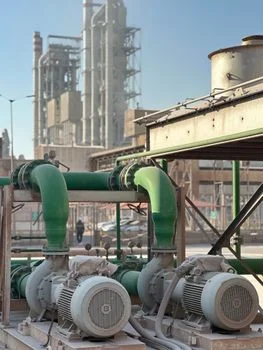
| Flow Rate (m³/h) | DAF CAPEX (R$ Million) | MBR CAPEX (R$ Million) | Conventional CAPEX (R$ Million) |
|---|---|---|---|
| 10 | 3.0 – 4.5 | 4.0 – 6.0 | 2.8 – 4.2 |
| 100 | 9.5 – 13.5 | 11.5 – 17.5 | 8.8 – 12.5 |
| 1,000 | 42.0 – 58.0 | 50.0 – 75.0 | 38.0 – 52.0 |
Operating Costs (OPEX) in Manaus: Energy, Chemicals, and Maintenance Under Amazon Conditions
Operating expenses (OPEX) for a 100 m³/h industrial wastewater treatment plant in Manaus range from R$1.2–R$2.9/m³ for DAF, R$1.8–R$3.55/m³ for MBR, and R$1.45–R$2.7/m³ for conventional systems, with Amazon’s tropical climate significantly influencing these figures. Energy costs for MBR systems, for example, can be up to 25% higher for aeration compared to temperate climates, primarily due to reduced oxygen transfer efficiency at 80% humidity (per EPA 2024 tropical climate benchmarks). This necessitates more powerful blowers or longer aeration cycles to maintain optimal biological activity. Chemical costs also see a substantial increase, with coagulants like PAC costing up to 30% more for DAF systems due to the high organic loads (COD 500–1,500 mg/L in industrial influent) often found in the Amazon basin runoff. Effective removal requires precise chemical dosing for Amazon’s high organic loads, a crucial factor in managing these elevated costs. Membrane replacement, a significant OPEX component for MBR systems, occurs more frequently in Manaus; PVDF membranes, which typically last 8–10 years in temperate zones, may only achieve 5–7 years of service life in the region due to accelerated fouling from high temperatures and humidity. Labor costs are also a factor, with skilled operators in Manaus commanding a 15% premium, and MBR systems specifically requiring approximately 20% more specialized training than simpler DAF operations. Sludge dewatering for Manaus’ humid climate, often managed by plate and frame filter presses, also contributes to OPEX through polymer consumption and disposal fees. The table below details the OPEX breakdown by cost driver for each technology, incorporating Amazon-specific multipliers:| Cost Driver | DAF OPEX (R$/m³) | MBR OPEX (R$/m³) | Conventional OPEX (R$/m³) |
|---|---|---|---|
| Energy (incl. +25% for MBR) | 0.40 – 0.70 | 0.80 – 1.40 | 0.50 – 0.85 |
| Chemicals (incl. +30% for DAF) | 0.50 – 1.00 | 0.20 – 0.40 | 0.30 – 0.60 |
| Maintenance & Parts (incl. +20% for membranes) | 0.25 – 0.50 | 0.60 – 1.00 | 0.35 – 0.65 |
| Labor (incl. +15% for Manaus) | 0.20 – 0.40 | 0.35 – 0.60 | 0.25 – 0.45 |
| Sludge Disposal | 0.15 – 0.30 | 0.05 – 0.15 | 0.05 – 0.15 |
| Total OPEX (Range) | 1.50 – 2.90 | 2.00 – 3.55 | 1.45 – 2.70 |
DAF vs MBR vs Conventional Systems: A Side-by-Side Comparison for Manaus Industrial Buyers
| Parameter | Dissolved Air Flotation (DAF) | Membrane Bioreactor (MBR) | Conventional Activated Sludge |
|---|---|---|---|
| Typical CAPEX (100 m³/h) | R$9.5 – R$13.5 Million | R$11.5 – R$17.5 Million | R$8.8 – R$12.5 Million |
| Typical OPEX (R$/m³) | R$1.50 – R$2.90 | R$2.00 – R$3.55 | R$1.45 – R$2.70 |
| Effluent Quality (COD) | ≤ 120 mg/L | ≤ 50 mg/L (near reuse) | ≤ 80 mg/L |
| Effluent Quality (TSS) | ≤ 30 mg/L | ≤ 5 mg/L | ≤ 20 mg/L |
| Footprint | Medium | Small (60% less than conventional) | Large |
| Sludge Production | High (chemical sludge) | Low (dense biological sludge) | Medium |
| Energy Consumption | Medium (air compressor) | High (aeration, membrane scour) | Medium (aeration) |
| Chemical Consumption | High (coagulants, flocculants) | Low (membrane cleaning) | Low (nutrient addition) |
| Maintenance Complexity | Moderate | High (membrane cleaning, replacement) | Moderate |
| Compliance Ease (CONAMA 430) | Requires tertiary treatment | Often meets directly | Requires tertiary treatment |
| Amazon-Specific Challenges | High coagulant need (organic load) | 30% faster membrane fouling | Less efficient aeration (humidity) |
| Suitable Industries | Food Processing, Pulp & Paper, Oil & Gas | Electronics, Pharmaceuticals, High-tech, Reuse applications | General Industrial, Municipal (lower budget) |
Compliance Costs in Manaus: Permitting, Monitoring, and Fines Under CONAMA 430 and Amazonas Decree 31,794
Permitting for a new industrial wastewater treatment plant in Manaus typically costs R$50,000–R$200,000 for environmental impact assessments (EIAs) under Amazonas Decree 31,794/2012, with approval timelines extending 6–12 months. These costs are a crucial upfront investment, requiring specialized local consultants to navigate the specific requirements of the Amazonas State environmental agency. Beyond initial permits, ongoing compliance necessitates significant investment in monitoring equipment. Facilities exceeding 50 m³/h capacity are often mandated to install automated sampling and reporting systems, incurring CAPEX of R$300,000–R$800,000. These systems track key parameters like BOD, COD, TSS, and pH, providing real-time data to regulatory bodies. Non-compliance carries severe financial penalties. Fines can reach up to R$50,000 per day for violations, with a 30% increase in penalties during the rainy season (November–May) due to heightened environmental scrutiny and increased river flow. local amendments in Amazonas Decree 31,794/2012 impose stricter limits for specific pollutants such as mercury (≤0.01 mg/L) and arsenic (≤0.05 mg/L) than federal CONAMA 430 standards. For electronics manufacturers, meeting these tighter limits can add R$500,000–R$1.5 million to CAPEX for specialized treatment units like ion exchange or advanced oxidation processes, in addition to redundant disinfection for CONAMA 430 compliance. To navigate these complexities and avoid pitfalls, consider these 5 steps:- Engage local environmental consultants early to ensure all federal and state requirements are understood and integrated into the project plan.
- Budget for redundant disinfection systems and advanced tertiary treatment to consistently meet the strictest effluent limits.
- Plan for higher monitoring frequency and potential audits during the rainy season.
- Regularly review local amendments to Amazonas Decree 31,794/2012, as they can change and impact compliance strategies.
- Implement robust data management and reporting systems to provide transparent compliance records to regulatory bodies.
5-Year Total Cost of Ownership (TCO) for Wastewater Treatment Plants in Manaus
TCO = CAPEX + (OPEX/m³ × Annual Flow (m³/year) × 5 years) + Total Compliance Costs (5 years)
- CAPEX: R$14.5 million (mid-range for 100 m³/h MBR)
- Average OPEX: R$2.7/m³ (mid-range for MBR)
- Annual Flow: 100 m³/h × 24 h/day × 365 days/year = 876,000 m³/year
- 5-Year Compliance Costs: R$1.2 million (estimate including permitting, monitoring, and potential minor fines)
TCO = R$14,500,000 + (R$2.7/m³ × 876,000 m³/year × 5 years) + R$1,200,000
TCO = R$14,500,000 + R$11,826,000 + R$1,200,000 = R$27,526,000 over 5 years.
| Flow Rate (m³/h) | DAF 5-Year TCO (R$ Million) | MBR 5-Year TCO (R$ Million) | Conventional 5-Year TCO (R$ Million) |
|---|---|---|---|
| 10 | 5.0 – 6.5 | 6.0 – 8.0 | 4.5 – 6.0 |
| 100 | 20.0 – 24.0 | 24.0 – 30.0 | 18.0 – 22.0 |
| 1,000 | 135.0 – 160.0 | 165.0 – 200.0 | 125.0 – 150.0 |
How to Select a Wastewater Treatment Supplier in Manaus: A Zero-Risk Decision Framework
Selecting a wastewater treatment supplier in Manaus requires a structured decision framework that prioritizes local expertise, proven Amazon-specific performance, and robust after-sales support to mitigate operational and compliance risks. The unique challenges of the Amazon region, including high humidity, specific regulatory amendments, and logistical complexities, demand a supplier with more than just technical competence. Follow these five steps for a zero-risk selection process:- Step 1: Define Requirements. Clearly outline your facility's specific needs, including flow rate, required effluent quality, precise CONAMA 430 and Amazonas Decree 31,794 compliance parameters, and budget constraints.
- Step 2: Shortlist Suppliers with Amazon-Specific Experience. Prioritize suppliers who can demonstrate successful projects in Manaus or the broader Amazon region. Look for references from local industries, such as food processing plants or electronics manufacturers, that operate under similar environmental conditions.
- Step 3: Evaluate Proposals Using a Scoring System. Develop a weighted scoring system to assess proposals across key criteria: CAPEX, projected OPEX, compliance support capabilities, local service infrastructure (including spare parts inventory in Manaus), warranty terms, and project delivery timelines.
- Step 4: Visit Reference Sites in Manaus. Arrange site visits to operational plants provided by potential suppliers. Verify effluent quality, system uptime, maintenance records, and operator feedback directly. This hands-on verification is invaluable for assessing real-world performance.
- Step 5: Negotiate Contracts with Amazon-Specific Clauses. Ensure your contract includes clauses addressing humidity-resistant materials, guaranteed local spare parts availability, response times for technical support, and clear penalties for non-compliance with effluent standards.
Frequently Asked Questions
Industrial buyers in Manaus frequently ask about the specific cost implications and compliance requirements for wastewater treatment plants in the Amazon region.What is the average CAPEX for a 100 m³/h industrial WTP in Manaus?
For a 100 m³/h industrial wastewater treatment plant in Manaus, the average CAPEX ranges from R$9.5 million for DAF systems to R$17.5 million for MBR systems, including Amazon-specific premiums for corrosion-resistant materials and tropicalized electrical components. Conventional activated sludge systems fall in the R$8.8–R$12.5 million range.How do Amazon's high humidity and temperature affect OPEX for WTPs?
Amazon's high humidity (around 80%) and elevated water temperatures (27°C) significantly increase OPEX by 15–25%. This is primarily due to 25% higher energy consumption for aeration in MBR systems, 30% higher chemical costs for DAF systems treating high organic loads, and accelerated membrane fouling, which reduces MBR membrane lifespan from 8–10 years to 5–7 years.Which technology (DAF, MBR, conventional) is best for high organic loads in Manaus?
For high organic loads (COD 500–1,500 mg/L) common in Manaus industrial effluents, DAF systems are highly effective for primary treatment and TSS removal, but often require significant coagulant dosing. MBR systems excel at biological treatment of high organic loads, producing superior effluent quality, but come with higher energy demands for aeration and membrane maintenance. Conventional systems are a lower CAPEX option but are less efficient with high organic loads and require larger footprints.What are the primary compliance risks under Amazonas Decree 31,794/2012?
The primary compliance risks under Amazonas Decree 31,794/2012 include stricter effluent limits for heavy metals (e.g., mercury ≤ 0.01 mg/L) compared to CONAMA 430, extended 6–12 month permitting timelines, and significantly higher fines (up to R$50,000/day, with 30% increase during rainy season) for non-compliance. Facilities must also budget for R$300,000–R$800,000 for automated monitoring equipment.How much do import duties add to the cost of MBR systems in Brazil?
Import duties on non-Mercosur wastewater treatment equipment, such as advanced MBR membranes, can add 18–22% to the overall CAPEX in Brazil. This additional cost, combined with 6–8 month lead times for imported components, makes local sourcing or suppliers with established import logistics a critical consideration for Manaus industrial buyers.Related Equipment
- Manaus-optimized DAF systems for high-efficiency TSS removal — view specifications, capacity range, and technical data
- MBR systems for near-reuse-quality effluent in Manaus — view specifications, capacity range, and technical data
- precise chemical dosing for Amazon’s high organic loads — view specifications, capacity range, and technical data
- sludge dewatering for Manaus’ humid climate — view specifications, capacity range, and technical data
- redundant disinfection for CONAMA 430 compliance — view specifications, capacity range, and technical data
Need a customized solution? Request a free quote with your specific flow rate and pollutant parameters.