Hospital Wastewater Treatment in Brazil: 2027 Engineering Specs, Zero-Risk Compliance & Cost-Optimized Equipment Guide
Hospitals in Brazil must treat wastewater to meet CONAMA 430/2011 (BOD <60 mg/L, COD <125 mg/L) and stricter local standards like Sanepar’s 2026 limits (BOD ≤20 mg/L, TSS ≤30 mg/L). A 200-bed hospital generating 50 m³/day of effluent containing 10–100× more multidrug-resistant bacteria than municipal sewage requires systems like MBR (membrane bioreactors) or DAF (dissolved air flotation) + chlorine dioxide disinfection to achieve 99.99% microbial kill and avoid R$500K–R$2M fines from CETESB or Sanepar. CAPEX ranges from BRL 1.2M–4.8M, with OPEX adding BRL 80K–250K/year for energy, chemicals, and labor.
Why Brazil’s Hospital Wastewater Crisis Demands Urgent Action
CETESB fined 12 São Paulo hospitals R$500K–R$2M in 2024 for failing CONAMA 430/2011 limits, according to the CETESB 2023 Annual Report. This regulatory crackdown highlights a critical need for advanced wastewater treatment, especially with Sanepar’s impending 2026 BOD ≤20 mg/L limit, which is 80% stricter than national standards and renders generic municipal systems inadequate for compliance. Beyond fines, environmental licensing (L.O.) renewals are now contingent on proven effluent stabilization, pushing hospitals to invest in robust treatment solutions.
Hospital effluent in Brazil contains 10–100× higher concentrations of multidrug-resistant (MDR) bacteria than municipal sewage, as reported by SciELO in 2023. This creates superbug hotspots in vital water bodies like the Tietê and Pinheiros rivers, posing a severe public health threat. The World Health Organization's (WHO) 2025 guidelines now classify untreated hospital wastewater as a global health priority, demanding effective antimicrobial resistance (AMR) mitigation strategies.
The financial risks of non-compliance are substantial; a 500-bed hospital in Curitiba paid R$1.8M in fines and incurred R$3.2M in retrofits after a 2025 Sanepar inspection found E. coli levels 500× above limits. Such penalties underscore the urgency for proactive investment in compliant wastewater treatment infrastructure. the humid subtropical climate of Paraná, with average temperatures between 15–28°C, accelerates microbial regrowth in untreated effluent, increasing the risk of waterborne disease outbreaks downstream, as noted in the ABES Paraná 2024 report.
Hospital Wastewater in Brazil: Flow Rates, Contaminant Profiles, and Engineering Specs
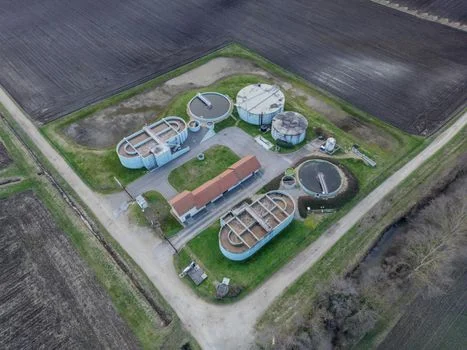
Hospitals typically generate between 250–1,500 L/patient/day of wastewater, with an average of 450 L/patient/day, necessitating precise engineering to manage variable flow rates and contaminant loads. Peak loads during morning shifts (6–9 AM) are common, making equalization tanks critical to buffer hydraulic shocks and ensure stable operation of biological treatment systems. Understanding these dynamics is fundamental for correctly sizing and designing effective hospital wastewater treatment plants (WWTPs).
Hospital wastewater is characterized by contaminant loads significantly higher than domestic sewage. Pharmaceuticals, including antibiotics, hormones, and chemotherapy drugs, are 3–10× higher, while heavy metals like mercury (from dental amalgams) and chromium (from lab waste) can exceed WHO drinking water limits by 100×. Pre-treatment stages, such as chemical coagulation and DAF, are mandatory to protect downstream biological and membrane systems from these concentrated pollutants. Pathogen risks are also extreme, with E. coli, Pseudomonas, and MDR bacteria concentrations up to 10,000× higher than in municipal sewage. Disinfection systems must achieve a 99.99% kill rate to meet CETESB’s 2025 microbial limits of ≤1,000 CFU/100 mL for fecal coliforms.
Regional variations in regulatory standards across Brazil add another layer of complexity. For instance, Rio de Janeiro and Minas Gerais enforce stricter Chemical Oxygen Demand (COD) limits of <100 mg/L compared to CONAMA’s 125 mg/L. Bahia and Pernambuco require specific heavy metal monitoring (Hg, Cr, Pb) not universally mandated at the national level. Facility managers and engineers must audit local standards by consulting state environmental agency websites (e.g., INEA for Rio de Janeiro, SEMAD for Minas Gerais, INEMA for Bahia) to ensure comprehensive compliance.
| Parameter | Typical Hospital Effluent (Raw) | CONAMA 430/2011 Limit | Sanepar 2026 Limit (Paraná) | CETESB 2025 Limit (São Paulo) | Regional Variations (e.g., RJ, MG, BA) |
|---|---|---|---|---|---|
| BOD₅ (mg/L) | 250–500 | <60 | ≤20 | <60 | <60 |
| COD (mg/L) | 500–1000 | <125 | <125 | <125 | <100 (RJ, MG) |
| TSS (mg/L) | 200–400 | <50 | ≤30 | <50 | <50 |
| Fecal Coliforms (CFU/100 mL) | 10⁶–10⁸ | ≤1,000 | ≤1,000 | ≤1,000 | ≤1,000 |
| Heavy Metals (e.g., Hg, Cr) | Variable (high) | Specific limits | Specific limits | Specific limits | Monitoring required (BA, PE) |
| Pharmaceuticals | High conc. | No specific limit | No specific limit | No specific limit | Emerging concern |
Treatment Technology Comparison: MBR vs. DAF vs. Chlorine Dioxide for Brazilian Hospitals
Selecting the optimal wastewater treatment technology for a Brazilian hospital involves balancing effluent quality, footprint, operational costs, and regulatory compliance, with each system offering distinct advantages based on hospital size, budget, and contaminant profile. While Canada’s hospital wastewater regulations might differ, the underlying engineering principles for technology selection remain similar.
MBR (Membrane Bioreactor)
MBR systems for hospital wastewater treatment in Brazil are best suited for high-load hospitals (500+ beds) due to their superior effluent quality and compact footprint. They consistently achieve BOD <5 mg/L, TSS <2 mg/L, and 99.999% pathogen removal. While requiring a 60% smaller footprint than conventional systems, MBRs have higher energy costs, typically 0.8–1.2 kWh/m³. CAPEX for a 50 m³/day MBR system ranges from BRL 3.5M–4.8M. A 300-bed hospital in São Paulo, for example, successfully reduced BOD from 350 mg/L to 18 mg/L using an MBR, resulting in a 90% reduction in CETESB fines (HydropureWater field data, 2025).
DAF (Dissolved Air Flotation) + Chlorine Dioxide
DAF systems for hospital wastewater pre-treatment combined with chlorine dioxide generators for hospital effluent disinfection are ideal for mid-size hospitals (100–300 beds). This combination effectively achieves effluent quality of BOD <20 mg/L, TSS <30 mg/L, and 99.9% pathogen removal. DAF + ClO₂ offers a lower CAPEX of BRL 1.2M–2.5M compared to MBR, though it incurs higher chemical costs (ClO₂: BRL 50–80/m³). A 200-bed hospital in Paraná successfully achieved Sanepar compliance with DAF + ClO₂, reducing TSS from 250 mg/L to 25 mg/L (HydropureWater field data, 2025).
Conventional Activated Sludge (CAS) + UV
For small hospitals (<100 beds) operating on a tighter budget, Conventional Activated Sludge (CAS) followed by UV disinfection is a viable option. It offers the lowest CAPEX (BRL 800K–1.5M) but requires the largest footprint and often higher OPEX due to UV lamp replacement costs (BRL 30–50/m³). While CAS + UV can achieve BOD <60 mg/L, TSS <50 mg/L, and 99% pathogen removal, it risks failing Sanepar’s 2026 BOD ≤20 mg/L limit, often requiring tertiary filtration to meet stricter regional standards. For a more compact solution, compact hospital wastewater treatment systems for clinics might be considered.
Emerging Technologies
Advanced oxidation processes like Ozone + Biological Activated Carbon (BAC) achieve superior pathogen kill rates of 99.9999% and significantly enhance pharmaceutical removal. However, the CAPEX for such systems typically exceeds BRL 5M. Pilot studies in Brazil indicate promising ROI projections for 2027–2030, particularly for large, specialized facilities or those aiming for water reuse applications.
| Technology | Best Suited For | Effluent Quality (BOD/TSS) | Pathogen Removal | Footprint | CAPEX (BRL) | Typical OPEX (BRL/year) | Key Advantage | Key Disadvantage |
|---|---|---|---|---|---|---|---|---|
| MBR | Large Hospitals (500+ beds) | <5 mg/L / <2 mg/L | 99.999% | 60% smaller | 3.5M–4.8M | 150K–250K | Highest quality effluent, small footprint | High energy costs |
| DAF + ClO₂ | Mid-size Hospitals (100–300 beds) | <20 mg/L / <30 mg/L | 99.9% | Medium | 1.2M–2.5M | 80K–150K | Cost-effective for compliance | Higher chemical costs |
| CAS + UV | Small Hospitals (<100 beds) | <60 mg/L / <50 mg/L | 99% | Largest | 800K–1.5M | 60K–100K | Lowest initial CAPEX | May fail stricter limits, high UV lamp OPEX |
CAPEX and OPEX Breakdown: How Much Does a Hospital WWTP Cost in Brazil?
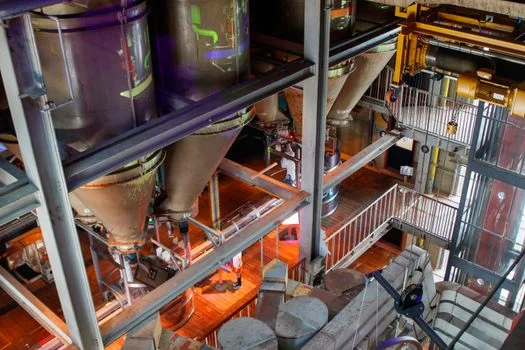
Accurately budgeting for a hospital wastewater treatment plant in Brazil requires a detailed understanding of both Capital Expenditure (CAPEX) and Operational Expenditure (OPEX), encompassing equipment, installation, and often overlooked hidden costs. How India’s hospital wastewater regulations compare to Brazil’s also shows similar cost considerations.
CAPEX varies significantly by hospital size and chosen technology. For small hospitals (<100 beds), a Conventional Activated Sludge (CAS) + UV system typically costs BRL 800K–1.5M. Mid-size hospitals (100–300 beds) opting for DAF + Chlorine Dioxide can expect CAPEX between BRL 1.2M–2.5M. Large hospitals (300+ beds) requiring MBR technology face CAPEX in the range of BRL 3.5M–4.8M. It is crucial to add 20–30% to these figures for installation, civil works, and commissioning.
OPEX projections further differentiate the technologies. MBR systems, while highly efficient, incur BRL 150–250K/year in operational costs, primarily due to higher energy consumption (0.8–1.2 kWh/m³). DAF + ClO₂ systems generally cost BRL 80–150K/year, with chemical consumption (ClO₂: BRL 50–80/m³) being a significant component. CAS + UV systems typically range from BRL 60–100K/year, largely driven by UV lamp replacement costs (BRL 30–50/m³). Labor costs also contribute, requiring 1–2 full-time equivalents (FTEs) for MBR/DAF systems and approximately 0.5 FTE for CAS. Effective sludge dewatering solutions can also impact OPEX by reducing disposal volumes.
Hidden costs can significantly impact the total cost of ownership. Permitting, including environmental impact assessments and fees for agencies like CETESB or Sanepar, can range from BRL 50K–200K. Sludge disposal, especially if classified as hazardous waste in some states, costs BRL 200–500/ton. Additionally, AMR monitoring, involving PCR testing for resistance genes, can add BRL 30K–80K/year. However, these investments offer substantial ROI drivers, including fine avoidance (R$500K–R$2M/year), potential water reuse (leading to 30–50% OPEX savings), and the critical ability to secure environmental licensing (L.O.) renewals. For a 200-bed hospital utilizing DAF + ClO₂, a 3-year payback model can often be demonstrated through avoided penalties and operational efficiencies.
| Cost Category | Small Hospital (<100 beds, CAS + UV) | Mid-size Hospital (100–300 beds, DAF + ClO₂) | Large Hospital (300+ beds, MBR) |
|---|---|---|---|
| CAPEX (BRL) | 800K–1.5M | 1.2M–2.5M | 3.5M–4.8M |
| + Installation & Civil Works | 160K–300K | 240K–500K | 700K–960K |
| OPEX (BRL/year) | 60K–100K | 80K–150K | 150K–250K |
| Energy (kWh/m³) | 0.3–0.5 | 0.5–0.8 | 0.8–1.2 |
| Chemicals (BRL/m³) | N/A (for UV) | 50–80 (ClO₂) | 10–20 (cleaning) |
| Labor (FTEs) | 0.5 | 1–1.5 | 1.5–2 |
| Hidden Costs (BRL/year) | |||
| Permitting (one-time/renewal) | 50K–100K | 80K–150K | 100K–200K |
| Sludge Disposal (BRL/ton) | 200–500 | 200–500 | 200–500 |
| AMR Monitoring (PCR testing) | 30K–50K | 50K–70K | 60K–80K |
Zero-Risk Compliance Checklist: How to Avoid Fines and AMR Risks in Brazil
Achieving zero-risk compliance for hospital wastewater in Brazil requires a systematic approach to regulatory adherence, advanced monitoring, and robust disinfection protocols. Facility managers must proactively verify local limits, such as Rio de Janeiro’s COD <100 mg/L, against national CONAMA 430/2011 standards and continuously monitor for new 2027 draft standards via CETESB or Sanepar websites.
Regular contaminant monitoring is essential. Quarterly testing for pharmaceuticals (antibiotics, hormones) using LC-MS/MS and heavy metals (Hg, Cr) with ICP-OES is recommended; specialized environmental labs across Brazil can provide these services. Disinfection validation must ensure a 99.99% microbial kill, with consistent residual monitoring (e.g., ClO₂: 0.5–1.0 mg/L; ozone: 0.1–0.3 mg/L). Implementing automated dosing systems significantly reduces the risk of human error and ensures stable disinfectant levels.
AMR mitigation is a critical component of modern hospital wastewater treatment. Hospitals should implement PCR testing for resistance genes (e.g., blaNDM-1, mecA) in effluent, as this is becoming mandatory under WHO 2025 guidelines. Advanced oxidation processes like ozone or UV + hydrogen peroxide are proven to achieve 99.999% AMR gene reduction, per 2026 WHO guidelines. Finally, meticulous documentation is non-negotiable; maintain 2-year records of flow rates, BOD/COD/TSS, microbial counts, and disinfectant residuals for CETESB/Sanepar inspections. Digital SCADA systems can automate reporting and provide real-time data for compliance audits.
Frequently Asked Questions
What are the CONAMA 430/2011 limits for hospital wastewater in Brazil?
CONAMA 430/2011 sets BOD <60 mg/L, COD <125 mg/L, TSS <50 mg/L, and fecal coliforms ≤1,000 CFU/100 mL. However, Sanepar (Paraná) and CETESB (São Paulo) enforce stricter limits: BOD ≤20 mg/L and TSS ≤30 mg/L. Always check local state regulations for additional requirements (e.g., heavy metals in Bahia).
How much does a hospital wastewater treatment plant cost in Brazil?
CAPEX ranges from BRL 800K (CAS + UV for <100 beds) to BRL 4.8M (MBR for 500+ beds). OPEX adds BRL 60K–250K/year for energy, chemicals, and labor. Hidden costs include permits (BRL 50K–200K) and sludge disposal (BRL 200–500/ton).
What is the best technology for hospital wastewater treatment in Brazil?
For large hospitals (300+ beds), MBR systems offer BOD <5 mg/L and 99.999% pathogen removal but cost BRL 3.5M–4.8M. For mid-size hospitals (100–300 beds), DAF + chlorine dioxide achieves BOD <20 mg/L at BRL 1.2M–2.5M CAPEX. Small hospitals (<100 beds) can use CAS + UV (BRL 800K–1.5M) but may need tertiary filtration to meet Sanepar’s 2026 limits.
How can hospitals in Brazil reduce antimicrobial resistance (AMR) in wastewater?
Use ozone or UV + hydrogen peroxide to achieve 99.999% AMR gene reduction. PCR testing for resistance genes (e.g., blaNDM-1) in effluent is mandatory under WHO 2025 guidelines. Automated disinfectant dosing ensures consistent residuals (ClO₂: 0.5–1.0 mg/L) to prevent superbug regrowth.
What are the penalties for non-compliance with hospital wastewater regulations in Brazil?
CETESB fines range from R$500K–R$2M for persistent violations, and Sanepar can revoke environmental licenses (L.O.), potentially forcing hospital closures. A 500-bed hospital in Curitiba paid R$1.8M in fines + R$3.2M in retrofits in 2025 after failing a Sanepar inspection.