What a 2026 Chemical Wastewater Plant Actually Costs to Run
A chemical wastewater plant's operating cost in 2026 typically runs $0.40–$1.80 per m³ treated, depending on influent strength and discharge limits. The four main OPEX line items are energy (30–45%), chemicals (20–30%), sludge handling (15–25%), and labor plus maintenance (10–20%). High-COD influent (>5,000 mg/L) and tight reuse-quality targets can push the upper figure above $2.50/m³ (HydropureWater field data, 2026).
Two variables move the OPEX number more than any other. The first is influent COD load: a refinery or pesticide plant running above 5,000 mg/L needs 2–3× the aeration energy and 30–50% more coagulant than a low-strength (<2,000 mg/L) specialty-chemical stream. The second is the discharge target. A sewer-discharge permit with a 500 mg/L COD ceiling typically costs $0.40–$0.70/m³ to treat, while a surface-water permit (COD <125 mg/L) lands in the $1.00–$1.50/m³ band, and a water-reuse spec (TDS <50 mg/L on the permeate side) climbs into the $1.80–$2.50/m³ range (HydropureWater field data, 2026).
For budgeting, the line items that belong inside "OPEX per m³" are: electricity for blowers, pumps, and mixers; consumable chemicals (coagulants, flocculants, pH adjusters, oxidants); sludge transport and disposal; labor, lab reagents, and scheduled membrane or instrument replacement. Capex depreciation, financing, and concentrate disposal fees from membrane reject sit outside this benchmark and should be modeled separately.
| OPEX Line Item | Share of Total OPEX | 2026 Indicative Unit Cost | Primary Cost Driver |
|---|---|---|---|
| Energy (blowers, pumps, mixers) | 30–45% | $0.08–$0.20/kWh industrial tariff | Aeration in activated sludge or MBR |
| Chemicals (coagulant, flocculant, pH, oxidant) | 20–30% | PAC $0.35–$0.55/kg; PAM $2.50–$4.00/kg | Dose rate × flow |
| Sludge handling & disposal | 15–25% | $80–$350/tonne (hazardous vs non-hazardous) | Cake moisture and waste classification |
| Labor, maintenance, consumables | 10–20% | $8–$15/m² membrane replacement | Plant automation level |
Energy: The Largest Single OPEX Line
Aeration in activated-sludge systems consumes 50–60% of total plant energy, translating to roughly 0.3–0.8 kWh per m³ of treated wastewater at a mixed liquor suspended solids (MLSS) of 3,000–5,000 mg/L. Each 1,000 mg/L increase in MLSS above 4,000 mg/L typically raises specific oxygen demand and blower load by 8–12%. Pumping accounts for another 15–25% of energy, and head losses from undersized pipework or clogged diffusers can add 10–20% to pumping kWh without changing flow. Sludge thickening, dewatering, and conveying add a further 5–15%.
Two equipment choices move the energy number more than any operational tweak. The DF series MBR flat-sheet membrane module uses coarse-bubble aeration for membrane scouring rather than the high cross-flow velocities a tubular or external-loop design needs, which cuts MBR-specific aeration energy by 10–20× versus external cross-flow configurations (per HydropureWater MBR module spec, 2026). On the reuse side, an industrial RO system running at 70–95% permeate recovery reduces raw-water intake and pre-treatment energy per m³ of usable product, with each 10% gain in recovery cutting intake-related pumping roughly 8–12%.
| Process Unit | Typical Energy Share | Specific Energy (kWh/m³) | Primary Lever |
|---|---|---|---|
| Aeration blowers (CAS / MBR) | 50–60% | 0.30–0.80 | DO control, VFD, blower efficiency |
| Influent & recirculation pumps | 15–25% | 0.08–0.25 | VFD, pipe sizing, head-loss audit |
| Sludge thickening & dewatering | 5–15% | 0.04–0.15 | Polymer dose, cake dryness |
| Mixers, UV, instrumentation | 3–8% | 0.02–0.06 | Intermittent duty, LED UV |
Chemicals: Coagulants, Flocculants, and pH Adjusters
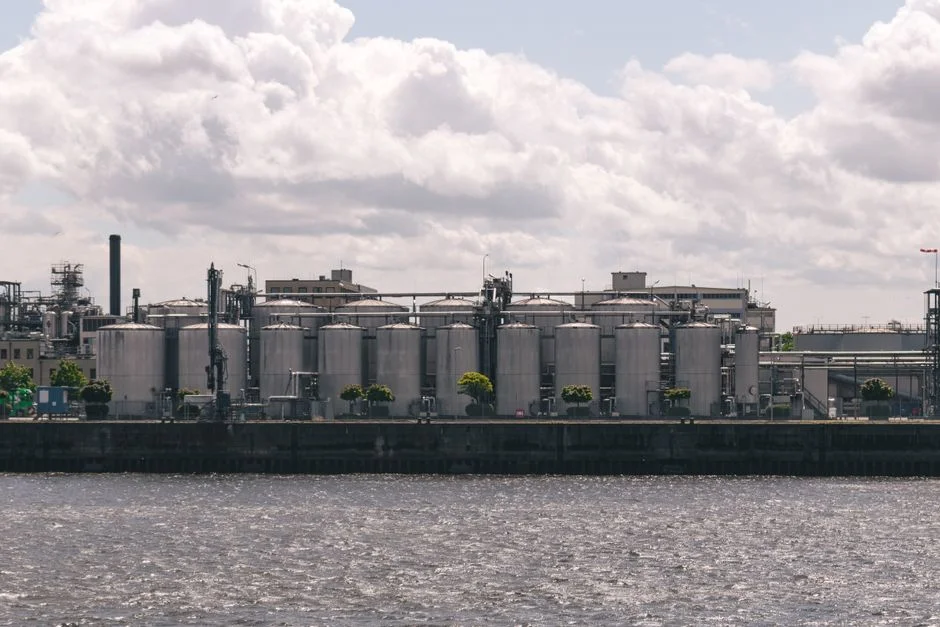
Chemical OPEX is the second-largest bucket and the one most exposed to dose-rate mistakes. The four categories that cover roughly 90% of chemical-industry dosing are: coagulants (polyaluminum chloride 30–150 mg/L, ferric chloride 50–200 mg/L), flocculants (cationic or anionic polyacrylamide 0.5–5 mg/L), pH adjusters (NaOH, H₂SO₄, lime at 50–500 mg/L depending on buffer capacity), and specialty oxidants (Fenton's reagent 100–500 mg/L H₂O₂ + Fe²⁺, or NaClO at 5–30 mg/L active chlorine). At 2026 unit prices, a 100 mg/L PAC dose contributes $0.035–$0.055 per m³, while a Fenton step adds $0.15–$0.45 per m³ — a 2–4× jump over a biological-only train for refractory COD.
Dose precision matters more than product selection. A PLC-controlled automatic chemical dosing system with flow-paced control and on-line pH or streaming-current feedback typically cuts chemical waste from overdosing by 5–15% versus manual or timer-based dosing (per HydropureWater dosing-system spec, 2026). On the clarification side, a high-efficiency lamella clarifier uses sludge recirculation and inclined plates to improve floc contact, which cuts coagulant use up to 30% versus a conventional rectangular clarifier of the same overflow rate (per HydropureWater lamella spec, 2026). For a plant dosing 100 mg/L PAC at $0.45/kg, that 30% reduction is worth roughly $0.014 per m³ — about $12,000 per year at a 1,000 m³/d flow.
Sludge Handling and Dewatering
Sludge handling is the OPEX line most often miscalculated because the disposal tariff depends on waste classification, not just mass. Drier cake directly lowers disposal cost: a plate-and-frame filter press typically delivers 60–70% moisture (30–40% dry solids), a belt press 78–82% (18–22% DS), and a decanter centrifuge 75–80% (20–25% DS). At 2026 disposal rates, hazardous chemical sludge runs $250–$350 per wet tonne while non-hazardous industrial sludge runs $40–$90 per wet tonne — a 4–8× gap that makes the choice of dewatering equipment the single biggest sludge-cost lever.
A plate-and-frame filter press with 1–500 m² filtration area and manual-to-fully-automatic PLC control delivers the driest cake in the dewatering family and is the standard choice for hazardous chemical sludges above 3% feed dry solids (per HydropureWater filter press spec, 2026). It also returns a clean filtrate stream that can be recycled to the head of the plant, cutting both intake and pre-treatment chemical load. Polymer conditioning sits inside sludge OPEX as well, and on-press automatic dosing tied to feed flow and cake torque reduces polymer consumption 10–20% versus manual preparation — a typical 8–12 g/kg DS polymer dose at $3.50/kg works out to $0.005–$0.012 per m³ treated.
Labor, Maintenance, and Consumables
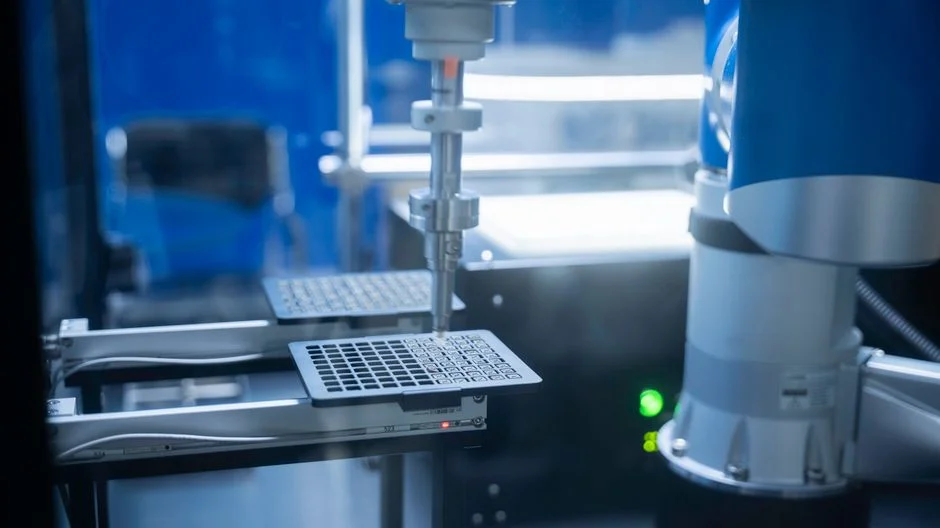
Labor and maintenance together account for 10–20% of OPEX, but the band is wide because automation reshapes it. A fully automated plant with PLC, SCADA, and remote alarming typically runs an 8–14% labor-plus-maintenance share, while a manually supervised plant with shift operators, on-site lab work, and daily instrument calibration sits at 15–22%. The split inside the bucket is roughly 40% direct labor (operators, supervisors, lab techs), 35% maintenance and spares, and 25% consumables — reagents, UV lamps, replacement membranes, and calibration standards.
An underground package plant such as a WSZ-series unit rated 1–80 m³/h with full PLC automation, remote telemetry, and buried installation removes the need for a dedicated operator on duty, which is what pulls the labor line down to the 8–14% lower bound (per HydropureWater WSZ spec, 2026). Membrane and instrument replacement is a separate 3–7% annual line that should be planned on a replacement schedule rather than treated as a surprise. For a deeper walk-through of scheduled-replacement budgeting, the wastewater treatment maintenance cost planning example is worth modeling against your own plant's duty cycle.
2026 OPEX Benchmarks by Process Configuration
The single biggest variable that determines where a plant sits inside the $0.40–$2.50/m³ range is the process train. Primary clarification alone handles only settleable solids and free oil, and lands at the low end of the cost spectrum but cannot meet a biological oxygen demand or COD permit. A DAF + biological train adds FOG removal and BOD reduction and is the workhorse configuration for most chemical plants. MBR pushes effluent into reuse-quality territory in a smaller footprint, at a higher energy cost. MBR + RO is the upper end of OPEX and the lower end of discharge burden.
| Process Configuration | 2026 Indicative OPEX ($/m³) | Energy Share | Chemical Share | Typical Application |
|---|---|---|---|---|
| Primary clarification only | $0.15–$0.40 | 25–35% | 10–20% | Pre-treatment for sewer discharge |
| DAF + biological (CAS / SBR) | $0.40–$1.10 | 35–45% | 20–30% | Petrochemical, specialty chemical, general industrial |
| MBR (flat-sheet or hollow fiber) | $0.90–$1.60 | 40–50% | 15–25% | Reuse, pharma, electronics, tight footprint |
| MBR + RO (full reuse train) | $1.50–$2.50 | 35–45% | 15–25% | Zero-liquid-discharge pre-train, cooling-tower make-up |
A dissolved air flotation unit at 4–300 m³/h capacity is typically the first heavy-lift step, removing FOG, oil, and suspended solids before biological treatment and cutting downstream aeration load by 15–30% (per HydropureWater DAF spec, 2026). An MBR integrated wastewater treatment train achieves roughly 60% smaller footprint than CAS at the same throughput and produces reuse-quality effluent, but consumes 0.15–0.30 kWh/m³ more than a conventional activated-sludge system (per HydropureWater MBR spec, 2026). For final disinfection in a reuse train, a chlorine dioxide generator rated 50 g/h to 20,000 g/h covers the dosing range from a small package plant to a large refinery (per HydropureWater ClO₂ spec, 2026). For a deeper dive on MBR economics, the MBR operating cost in 2026 OPEX breakdown article builds the same line-item model for an MBR-only plant.
Five Cost-Reduction Levers That Actually Work in 2026
- Aeration control. VFDs on blowers combined with dissolved-oxygen-based control loops and flat-sheet MBR modules typically cut total energy 15–30% versus fixed-speed, over-aerated operation. The payback is under 18 months at 2026 industrial tariffs of $0.10–$0.15/kWh.
- Chemical optimization. Switch from timer-based to flow-paced dosing with a PLC-controlled automatic chemical dosing system and add a high-efficiency lamella clarifier. The combined effect on coagulant use is a reduction of up to 30% (per HydropureWater lamella spec, 2026), worth $0.01–$0.02 per m³ on a typical PAC dose.
- Sludge minimization. A plate-and-frame filter press produces cake at 60–70% moisture versus 78–82% from a belt press, which cuts disposal mass 20–40% and pushes more sludge below the hazardous classification threshold (per HydropureWater filter press spec, 2026). For a deeper comparison, the filter press cost analysis for 2026 shows the same moisture-vs-tonnage math applied to a different industry.
- Automation. PLC-controlled package plants with SCADA remote monitoring pull labor and maintenance to the 8–14% lower bound, freeing operators for higher-value process work rather than routine rounds.
- Water reuse. An industrial RO system running at 70–95% permeate recovery reduces both intake and discharge fees, and the concentrate stream (typically 5–30% of feed) is far easier and cheaper to manage than the original wastewater volume.
For a complementary unit operation that often appears next to chemical wastewater trains, the ion exchange system operating cost 2026 breakdown covers resin replacement, regeneration chemical use, and brine disposal — line items that share the same OPEX logic as the main four buckets above.
Frequently Asked Questions
What is the average operating cost per m³ for a chemical wastewater plant in 2026? A chemical wastewater plant's operating cost in 2026 typically runs $0.40–$1.80 per m³ treated, split across energy (30–45%), chemicals (20–30%), sludge handling (15–25%), and labor plus maintenance (10–20%). High-COD influent (>5,000 mg/L) combined with reuse-quality effluent targets can push the figure above $2.50/m³ (HydropureWater field data, 2026).
Which cost line item is usually the largest? Energy is the largest single OPEX line at 30–45% of total cost, dominated by aeration in activated-sludge or MBR systems, which alone accounts for 50–60% of plant electricity use.
How much can a lamella clarifier cut chemical use? A high-efficiency lamella clarifier with sludge recirculation and inclined plates cuts coagulant use up to 30% versus a conventional rectangular clarifier at the same overflow rate (per HydropureWater lamella spec, 2026).
When is a plate-and-frame filter press more cost-effective than a centrifuge? A plate-and-frame filter press is more cost-effective when cake dryness below 70% moisture matters and the sludge is classified as hazardous, which is typically the case above 3% feed dry solids in chemical-industry applications. The drier cake reduces disposal tonnage 20–40% and frequently drops the waste into a lower disposal tariff band.
How do I estimate OPEX before buying equipment? Use the formula: OPEX per year = daily flow (m³/d) × $/m³ benchmark × contaminant-loading factor. Pick the benchmark from the configuration table that matches your proposed train ($0.15–$0.40 for primary only, $0.40–$1.10 for DAF + biological, $0.90–$1.60 for MBR, $1.50–$2.50 for MBR + RO), then apply a 1.2–1.5× loading multiplier for high-COD (>5,000 mg/L) influent and a 1.1–1.3× multiplier for a tight surface-water or reuse permit.