Why Nickel Wastewater Treatment Needs the Right Precipitation Chemistry
Nickel chemical precipitation removes dissolved Ni as NiS or Ni(OH)2 solids that clarifiers and presses can separate. Sulfide at pH 7–9 with about 1.2:1 sulfide:nickel is the usual path to <0.5 mg/L Ni on chelated plating baths. Hydroxide at about pH 11 fits free-Ni rinses. A 10 m3/h package typically costs $60,000–$120,000, while sludge mass drives OPEX.
A 2023 Shenzhen electroplating case shows the failure mode in plain numbers. Effluent nickel sat at 1.2 mg/L against China’s GB 21900-2008 limit of 0.5 mg/L, and the plant faced a reported $250,000 fine. EDTA and ammonia blocked hydroxide precipitation. After a sulfide retrofit, effluent nickel held near 0.3 mg/L. Hazardous sludge volume fell about 40% versus the prior hydroxide train. Most plants we size for plating rinses therefore pick chemistry from the chelate profile, not from tank price alone.
Nickel Chemical Precipitation Mechanisms: Sulfide vs Hydroxide
Sulfide precipitation forms nickel sulfide through Ni2+ + S2− → NiS. NiS has a solubility product (Ksp) near 3 × 10⁻¹⁹, so residual dissolved nickel can fall below common discharge targets when free sulfide is present and pH stays controlled. Typical operating pH is 7–9. In that window nickel remains ionic and H2S off-gas stays manageable with scrubbers. Hydroxide precipitation forms Ni(OH)2 through Ni2+ + 2OH− → Ni(OH)2. Ni(OH)2 has a higher Ksp near 5.5 × 10⁻¹⁶. It usually needs about pH 11 for strong removal on simple ionic feeds.
EDTA, ammonia, and citric acid form soluble nickel complexes that block hydroxide precipitation. Sulfide ions bind nickel more strongly than those common chelators, so sulfide trains hold up better on plating dumps. Sulfide sludge is usually denser and more crystalline. Hydroxide sludge is often amorphous and gelatinous, so dewatering is slower and cake solids run lower. Field jar tests still decide the final reagent package when bath additives change week to week.
Reaction order matters on mixed streams. Many plants we commission equalize first, break strong complexes under controlled oxidation when needed, then precipitate, flocculate, and clarify. Skipping the break step is the most common reason a sulfide skid still misses <0.5 mg/L Ni on electroless-nickel dumps.
| Precipitation Method | Primary Reaction | Solubility Product (Ksp) | Optimal pH Range | Effectiveness with Complexing Agents | Sludge Characteristics |
|---|---|---|---|---|---|
| Sulfide Precipitation | Ni²⁺ + S²⁻ → NiS | ~3 × 10⁻¹⁹ | 7–9 | High (less affected) | Dense, crystalline, easier to dewater |
| Hydroxide Precipitation | Ni²⁺ + 2OH⁻ → Ni(OH)₂ | ~5.5 × 10⁻¹⁶ | ~11 | Low (highly susceptible) | Amorphous, gelatinous, harder to dewater |
2026 Engineering Specs for Nickel Precipitation Systems: pH, Molar Ratios, and Effluent Quality
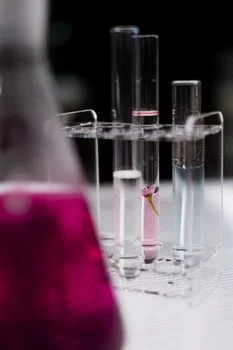
Nickel precipitation design locks three controls early: pH window, reagent-to-nickel molar ratio, and solids capture sized to the sludge that actually forms. For sulfide systems, hold pH at 7–9 to form NiS while limiting H2S release. Keep the sulfide-to-nickel molar ratio near 1.2:1 as a practical minimum excess. Ratios at 1.5:1 or higher raise H2S risk and can create soluble polysulfides that push nickel back into solution. Hydroxide systems target about pH 11 with a stoichiometric OH−:Ni ratio of 2:1 using NaOH or Ca(OH)2.
China’s GB 21900-2008 still lists total nickel ≤0.5 mg/L at the workshop or facility wastewater outlet for electroplating. EU plants often design toward ≤0.1 mg/L under Directive 2010/75/EU permit practice. Earlier summaries of US electroplating rules often cited 1.0 mg/L nickel. The current 40 CFR Part 413 standard covers common-metals electroplaters at ≥38,000 L/day (10,000 gal/day). It sets nickel at 4.1 mg/L maximum for any 1 day and 2.6 mg/L as a 4-day average (US EPA / eCFR). Many US metal-finishing sites still write tighter local sewer limits into the design brief.
Sulfide trains typically produce about 0.8–1.2 kg dry sludge per kg nickel removed. Hydroxide trains often produce 1.5–2.0 kg dry sludge per kg nickel removed because of co-precipitation and bulkier solids. Those yield bands assume good solids capture and no massive gypsum ballast from overdosed lime. If you push Ca(OH)2 hard for pH 11, expect the hydroxide sludge mass to sit at the upper end of the range.
| Parameter | Sulfide Precipitation (2026 Spec) | Hydroxide Precipitation (2026 Spec) | Compliance Benchmarks |
|---|---|---|---|
| Optimal pH | 7–9 | ~11 | N/A (Process parameter) |
| Molar Ratio (Chemical:Nickel) | Sulfide: 1.2:1 (min.) | Hydroxide: 2:1 (stoichiometric) | N/A (Process parameter) |
| Effluent Nickel Target | <0.5 mg/L | <0.5 mg/L (challenging) | China GB 21900-2008: ≤0.5 mg/L EU Directive 2010/75/EU: ≤0.1 mg/L EPA 40 CFR Part 413: ≤1.0 mg/L |
| Sludge Production Rate (dry kg/kg Ni removed) | 0.8–1.2 | 1.5–2.0 | N/A (Process output) |
What pH works for nickel sulfide precipitation?
Nickel sulfide precipitation works best at pH 7–9 for electroplating rinse and dump streams that contain free Ni2+. Below about pH 7, H2S off-gas rises sharply and operator exposure risk climbs. Above about pH 9, you spend more alkali without a matching nickel drop if sulfide dose is already adequate. Jar-test the actual bath matrix. Ammonia- and EDTA-bearing dumps often need sulfide at ≥1.2:1 sulfide:nickel plus a controlled oxidant break of residual complexes before the precipitation tank.
Equipment Selection Matrix: Precipitation Tanks, Dosing Systems, and Sludge Handling
Nickel precipitation equipment must resist chloride and acid attack, meter reagents tightly, and separate a hazardous metal sludge without losing fines. Build precipitation tanks in 304/316 stainless steel or HDPE with enough agitation for full reagent contact. Most plants we size for 10–50 m3/h nickel trains use 15–30 minutes retention in the reaction tank. Fit PLC-controlled metering pumps so sulfide or caustic tracks online nickel and pH. HydropureWater’s PLC-controlled chemical dosing pumps for precise sulfide/hydroxide injection keep the molar ratio near 1.2:1 without chronic overfeed.
Dense sulfide solids often settle in lamella clarifiers at surface loading rates of 20–40 m3/h/m2. Lighter or poorly flocculated solids may need dissolved air flotation instead, such as HydropureWater’s DAF systems for low-density nickel sludge separation. Sulfide systems require H2S controls. Spec a NaOH or hydrogen peroxide wet scrubber sized to the worst-case excess sulfide event. Dewater high-solids nickel cake on a plate-and-frame filter press at 6–8 bar. HydropureWater’s high-efficiency filter presses for nickel sludge dewatering routinely reach 40–60% dry solids on well-conditioned sulfide sludge. Centrifuges remain an option when floor space is tight and polymer conditioning is stable.
Instrumentation should include continuous pH, flow, and a residual-sulfide or ORP check after the reaction tank. Without that feedback loop, operators chase odor events with manual buckets and the molar ratio drifts off the 1.2:1 target within a shift.
| Equipment Component | Key Considerations & Specifications | Recommended for Sulfide Precipitation | Recommended for Hydroxide Precipitation | HydropureWater Product Link |
|---|---|---|---|---|
| Precipitation Tank | Material: 304/316 SS, HDPE Mixing: Adequate agitation Retention Time: 15-30 min |
Yes | Yes | N/A |
| Chemical Dosing System | Type: PLC-controlled metering pumps Accuracy: High precision |
Essential | Essential | Automatic Chemical Dosing System |
| Sludge Separation | Lamella Clarifier: Surface loading 20-40 m³/h/m² DAF: For low-density sludge |
Lamella Clarifier or DAF | Lamella Clarifier | Dissolved Air Flotation (DAF) System |
| H₂S Gas Mitigation (Sulfide only) | Scrubber: NaOH or H₂O₂ based | Mandatory | N/A | N/A |
| Sludge Dewatering | Filter Press: Pressure 6-8 bar Centrifuge: For specific applications |
Plate-and-Frame Filter Press (primary) | Plate-and-Frame Filter Press | Plate and Frame Filter Press for Sludge Dewatering |
What are chemical precipitation CAPEX and OPEX?
How does phosphorus chemical dosage cost differ here?
Phosphorus chemical dosage cost is a separate OPEX line from nickel sulfide or hydroxide dosing. If the plant also precipitates phosphate with ferric or alum, keep that dosage cost on its own meter and budget. Mixing P-removal kg into the nickel chemical spend hides the true nickel precipitation reagent rate and breaks jar-test control limits.
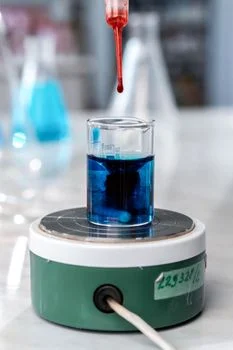
Chemical precipitation CAPEX and OPEX for a typical 10 m3/h nickel system land in two clear bands. Sulfide packages usually cost $80,000–$120,000 installed because scrubbers and sealed dosing add scope. Hydroxide packages usually cost $60,000–$90,000 installed with simpler gas controls. Across both chemistries, OPEX often splits about 40% chemicals, 30% sludge disposal, 20% labor, and 10% maintenance.
Hazardous sulfide sludge disposal commonly runs $200–$500 per ton. Bulkier hydroxide sludge often runs $300–$600 per ton, depending on landfill class and transport distance. For a 50 m3/h plant, sludge volume savings alone can pay back a sulfide upgrade in about 2–3 years versus a hydroxide baseline, even when sulfide reagent unit cost is higher. Chemical-based wastewater treatment cost is therefore dominated by sludge mass and permit headroom, not by the pump skid price on the quote.
Neutralization chemical cost also rises when hydroxide trains chase pH 11 on high-buffer dumps. Track alkali kilograms per cubic meter alongside nickel kilograms removed. Otherwise a low CAPEX hydroxide quote can hide a higher annual chemical bill than a sulfide train that runs near neutral pH.
| Cost Component | Sulfide Precipitation (10 m³/h System) | Hydroxide Precipitation (10 m³/h System) | Notes |
|---|---|---|---|
| CAPEX | $80,000 – $120,000 | $60,000 – $90,000 | Includes equipment, installation, and commissioning |
| OPEX Breakdown | Chemicals: ~40% Sludge Disposal: ~30% Labor: ~20% Maintenance: ~10% |
Chemicals: ~40% Sludge Disposal: ~30% Labor: ~20% Maintenance: ~10% |
Percentages are indicative |
| Sludge Disposal Cost (per ton) | $200 – $500 (Hazardous) | $300 – $600 (Hazardous) | Varies by location and sludge characteristics |
| ROI | 2–3 years (for larger systems) | Longer than Sulfide | Primarily driven by sludge disposal savings |
Troubleshooting Guide: Common Failures and Corrective Actions
Effluent nickel above 0.5 mg/L usually traces to pH drift, sulfide underdose, or unbroken chelates. Re-check sulfide pH at 7–9 and confirm sulfide:nickel ≥1.2:1. Jar-test a controlled peroxide break before precipitation when EDTA persists. An H2S odor means excess sulfide or pH that is too low. Cut sulfide dose, raise pH to 8–9, and verify scrubber recirculation and caustic strength.
Poor settling often means weak floc. Dose 0.5–2 mg/L anionic polymer and extend clarifier retention if solids carry over. High chemical spend points to overfeed or unstable pH loops. Lock automated pH control and re-run jar tests after every bath chemistry change. Low filter-press cake solids improve when sludge age rises in the clarifier and press pressure holds at 6–8 bar with the correct cloth.
Operators should also trend residual sulfide after the reaction tank when chelate load swings. A short residual of a few mg/L often confirms complete NiS formation without flooding the scrubber. If residual sulfide stays high while effluent nickel remains above 0.5 mg/L, look for complexed nickel or poor solids capture rather than simply adding more sulfide.
Selection Checklist Before You Buy or Retrofit
Use this short checklist before freezing a nickel precipitation P&ID:
- Map free Ni2+ versus chelated nickel (EDTA, ammonia, citrate) on each dump and rinse stream.
- Choose sulfide when chelates dominate; keep hydroxide only for simple ionic nickel rinses.
- Fix pH windows (sulfide 7–9; hydroxide ~11) and sulfide:nickel ≥1.2:1 with interlocks.
- Size H2S scrubbing, sealed dosing, and gas detection before CAPEX approval on sulfide trains.
- Compare dry sludge yield (0.8–1.2 vs 1.5–2.0 kg/kg Ni) against local hazardous disposal unit rates.
- Match solids capture to sludge density: lamella at 20–40 m3/h/m2 or DAF for light flocs.
- Specify filter-press duty at 6–8 bar with a target cake of 40–60% dry solids.
Who This Is For / Who Should Look Elsewhere / Next Step
This page is for electroplating and metal-finishing plants that must hold nickel near ≤0.5 mg/L or tighter local limits. Chemical precipitation is the core unit process in that duty. EPC teams comparing sulfide versus hydroxide packages for 10–50 m3/h trains will find the CAPEX/OPEX bands and equipment matrix useful.
Look elsewhere if your duty is mainly recovery-first electrodeposition, very low-flow ion exchange polishing only, or non-nickel heavy-metal trains. Start from those process pages instead. For a duty-specific dosing and sludge balance on your nickel streams, send flow, Ni concentration, and chelate profile through our request-quote form. We will size the precipitation and solids train against your permit.
Frequently Asked Questions

What is the best pH for nickel precipitation?
Sulfide precipitation of nickel works best at pH 7–9, balancing NiS formation against H2S release. Hydroxide precipitation usually needs about pH 11 to drive Ni(OH)2 formation. On chelated electroplating dumps, sulfide at pH 7–9 with a sulfide:nickel ratio near 1.2:1 is the more reliable path to <0.5 mg/L nickel. Always confirm with jar tests on the real bath matrix before locking PLC setpoints.
How much does a nickel precipitation system cost?
A 10 m3/h nickel precipitation system typically costs $60,000–$120,000 in CAPEX. Hydroxide packages often sit at $60,000–$90,000. Sulfide packages often sit at $80,000–$120,000 because of H2S scrubbing and sealed dosing. OPEX is commonly about 40% chemicals, 30% sludge disposal, 20% labor, and 10% maintenance. Contaminated sludge unit rates of $200–$600 per ton usually decide which chemistry wins on total cost of ownership.
What are the discharge limits for nickel in wastewater?
China’s GB 21900-2008 lists total nickel ≤0.5 mg/L for electroplating wastewater outlets. EU plants frequently design toward ≤0.1 mg/L under Directive 2010/75/EU permit practice. Earlier US summaries often cited 1.0 mg/L under 40 CFR Part 413. The current eCFR text for common-metals electroplaters at ≥38,000 L/day (10,000 gal/day) sets nickel at 4.1 mg/L (1-day max) and 2.6 mg/L (4-day average). Always design to the stricter of federal, state, and sewer authority limits.
Can chemical precipitation recover nickel for reuse?
Chemical precipitation mainly removes nickel to meet discharge limits. The cake is a concentrated NiS or Ni(OH)2 solid, not a ready plating salt. Nickel recovery from that sludge needs secondary steps such as acid leaching or smelting, which add cost and permitting scope. Most electroplaters still dispose of the cake as hazardous waste. For adjacent precipitation chemistry on other pollutants, see chemical precipitation methods for other heavy metals.
What are the alternatives to chemical precipitation for nickel removal?
Ion exchange, adsorption, and electrodeposition can remove or recover nickel, especially on low-flow, high-value streams. For large electroplating rinse volumes, chemical precipitation remains the common first stage because tankage and reagent dosing scale cleanly. Many plants polish precipitation effluent with ion exchange when the sewer limit sits well below 0.5 mg/L. For broader industrial compliance planning, review regional compliance strategies for industrial wastewater.