Ho Chi Minh City treats only 40% of its industrial wastewater (15,000 m³/day), with effluent from export processing zones often exceeding Vietnam’s QCVN 40:2011/BTNMT limits for COD (≤150 mg/L), TSS (≤100 mg/L), and heavy metals. In 2025, factories face stricter enforcement under the city’s CRUS2 project and international buyer audits (e.g., EU Green Deal). Cost-optimized solutions like dissolved air flotation (DAF) for FOG removal (92–97% TSS reduction) or membrane bioreactors (MBR) for reuse-quality effluent (COD ≤50 mg/L) can achieve compliance with CAPEX starting at $250,000 for a 50 m³/h system. This blueprint provides engineering specs, cost benchmarks, and a zero-risk selection framework tailored to HCMC’s industrial sectors.
Ho Chi Minh City’s Industrial Wastewater Crisis: Data, Drivers, and Deadlines
Saigon River contamination levels currently exceed QCVN 40:2011/BTNMT ammonia limits by 200% to 300%, with microplastic concentrations reaching 10 to 233 pieces per cubic meter according to Earth5R 2024 data. This environmental degradation is largely driven by the fact that only 40% of industrial wastewater in the region is treated efficiently, leaving approximately 15,000 m³/day of partially treated or untreated effluent to enter the city’s canal network. Specifically, canals such as Kênh Đen (Black Canal) near the Tân Thuận Export Processing Zone remain hotspots for organic pollutants and heavy metals, impacting both surface water quality and peri-urban agricultural irrigation (TheWaterChannel 2024).
The regulatory landscape is shifting rapidly as we enter 2025. The Ho Chi Minh City Department of Natural Resources and Environment (DONRE) is accelerating enforcement under the Climate Resilient Urban Services (CRUS2) project. Simultaneously, export-oriented manufacturers must now align with the EU Green Deal’s Corporate Sustainability Due Diligence Directive (CSDDD). Violations of discharge standards can result in fines totaling up to 5% of annual revenue, immediate suspension of discharge permits, and the loss of critical contracts with multinational buyers like Nike, Intel, and Samsung. For facility managers, industrial wastewater treatment in Ho Chi Minh City is no longer a peripheral utility concern but a core requirement for market access.
| Pollutant Parameter | Observed Levels (Saigon River/Canals) | QCVN 40:2011/BTNMT (Class A) | Regulatory Risk Level |
|---|---|---|---|
| Ammonia (NH4+) | 0.6 – 1.5 mg/L | ≤ 5 mg/L (Total N ≤ 20) | High (Eutrophication risk) |
| COD (Chemical Oxygen Demand) | 180 – 450 mg/L | ≤ 75 mg/L | Critical (Factory shutdowns) |
| TSS (Total Suspended Solids) | 120 – 300 mg/L | ≤ 50 mg/L | High (Visual pollution) |
| Microplastics | 10 – 233 pieces/m³ | Not yet regulated | Emerging (ESG audit risk) |
Vietnam’s Wastewater Compliance Standards: QCVN 40:2011/BTNMT vs. International Benchmarks
Vietnam’s QCVN 40:2011/BTNMT serves as the primary legal framework for industrial effluent, categorizing discharge into Class A (safe for domestic water supply sources) and Class B (safe for other purposes like navigation or irrigation). For factories located in Ho Chi Minh City’s export processing zones (EPZs) like Tân Thuận or Linh Trung, Class A compliance is often mandatory due to the proximity of discharge points to the Saigon or Đồng Nai rivers. However, for companies exporting to the European Union or North America, meeting local Class A standards may not be sufficient to pass buyer-led environmental audits.
A comparison between local standards and international benchmarks reveals significant gaps in specific parameters. While QCVN 40:2011/BTNMT permits a COD of ≤75 mg/L for Class A, the EU Urban Waste Water Directive (91/271/EEC) often pushes for more stringent organic load reductions in sensitive areas. high-tech sectors in HCMC, such as electronics manufacturing in the Saigon Hi-Tech Park (SHTP), must adhere to internal corporate standards that exceed national law—for instance, requiring Total Organic Carbon (TOC) levels below 50 mg/L for semiconductor effluent. To navigate these overlapping requirements, factories typically employ third-party laboratories like SGS Vietnam to conduct quarterly audits, with testing costs ranging from $200 to $500 per sample depending on the complexity of the heavy metal panel required.
| Parameter | QCVN 40:2011 (Class A) | EU Directive 91/271/EEC | US EPA (Industry Specific) |
|---|---|---|---|
| pH | 6 – 9 | 6 – 9 | 6 – 9 |
| BOD5 (mg/L) | ≤ 30 | ≤ 25 | ≤ 30 (Textile) |
| COD (mg/L) | ≤ 75 | ≤ 125 | Varies (typically <100) |
| TSS (mg/L) | ≤ 50 | ≤ 35 | ≤ 30 |
| Lead (Pb) (mg/L) | ≤ 0.1 | ≤ 0.05 | ≤ 0.1 |
Treatment Process Selection: DAF, MBR, or Chemical Dosing for Ho Chi Minh City’s Industrial Effluent?
Dissolved Air Flotation (DAF) systems achieve 92–97% Total Suspended Solids (TSS) reduction in Ho Chi Minh City’s food processing and textile sectors by utilizing micro-bubble buoyancy to separate fats, oils, and greases (FOG). The HydropureWater DAF units are particularly effective for high-load influent in the Tân Thuận EPZ, where textile dyes and organic matter require robust physical-chemical separation before biological treatment. These systems operate with a low footprint and an OPEX of approximately $0.15–$0.30/m³, making them a preferred primary treatment stage. For facilities comparing primary technologies, evaluating DAF vs. IAF systems for HCMC’s industrial wastewater treatment is essential to balance aeration efficiency with power consumption.
For factories requiring high-quality water for reuse or those facing extreme space constraints, MBR systems for space-constrained sites and reuse-quality effluent in HCMC’s export zones offer a 60% reduction in footprint compared to traditional activated sludge processes. Membrane Bioreactors (MBR) combine biological degradation with membrane filtration (typically 0.03 to 0.4 μm), producing effluent with COD levels ≤50 mg/L. While CAPEX is higher, the ability to recycle water for cooling towers or irrigation provides a hedge against HCMC’s rising municipal water tariffs. In industries involving heavy metals or semiconductor fabrication, PLC-controlled chemical dosing for pH adjustment and heavy metal precipitation in HCMC’s electroplating and semiconductor factories is mandatory. These systems ensure precise delivery of coagulants (like PAC) and flocculants, maintaining the pH between 6.5 and 7.5 required for optimal precipitation of Lead (Pb) and Chromium (Cr).
| Technology | Primary Application in HCMC | Removal Efficiency (TSS/COD) | Footprint Requirement |
|---|---|---|---|
| DAF Systems | Food Processing, Textile, FOG removal | 95% TSS / 40-60% COD | Moderate |
| MBR (DF Series) | Electronics, Pharmaceutical, Water Reuse | 99% TSS / 90-95% COD | Very Low |
| Automatic Dosing | Electroplating, Chemical, Metal Finishing | Heavy Metal Precipitation | Compact/Skid-mounted |
| Hybrid (DAF + MBR) | Complex Industrial Parks (e.g., Tân Thuận) | >98% Overall Efficiency | Moderate |
CAPEX and OPEX Breakdown: 2025 Cost Benchmarks for Industrial Wastewater Systems in HCMC
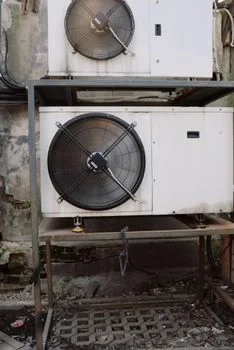
Capital expenditure (CAPEX) for a 100 m³/day industrial wastewater system in Ho Chi Minh City ranges from $150,000 for standard DAF units to over $450,000 for high-recovery MBR configurations. These costs are influenced by the specific industry—for example, semiconductor wastewater treatment for HCMC’s growing electronics sector involves specialized ion exchange or RO stages that can increase CAPEX by 40%. Installation costs are further impacted by land lease rates in premium industrial zones, which currently fluctuate between $5 and $15 per square meter per month, incentivizing the adoption of compact, skid-mounted equipment.
Operational expenditure (OPEX) is dominated by power consumption (0.5–1.2 kWh/m³), chemical reagents, and sludge management. In Ho Chi Minh City, sludge disposal costs have risen to $50–$100 per ton, making sludge dewatering with plate frame filter presses for HCMC’s industrial wastewater systems a critical strategy for volume reduction and cost control. Labor costs for qualified operators range from $300 to $600 per month, though many factories are shifting toward automated SCADA-integrated systems to reduce human error and ensure 24/7 compliance monitoring. ROI is typically achieved within 3 to 5 years, primarily through the avoidance of DONRE fines (which can exceed $50,000 per violation) and the reduction of municipal water intake via treated effluent reuse.
| Cost Category | DAF System (100 m³/day) | MBR System (100 m³/day) | Chemical Dosing Unit |
|---|---|---|---|
| Equipment CAPEX | $180,000 – $250,000 | $300,000 – $450,000 | $50,000 – $80,000 |
| OPEX (per m³) | $0.15 – $0.30 | $0.40 – $0.65 | $0.05 – $0.12 |
| Maintenance (Annual) | $5,000 – $12,000 | $15,000 – $25,000 | $2,000 – $5,000 |
| HCMC Permitting | $3,000 – $7,000 | $3,000 – $7,000 | Included in system |
Zero-Risk Implementation: A Step-by-Step Checklist for Ho Chi Minh City Factories
Characterizing raw influent chemistry through ISO-certified laboratories like SGS Vietnam is the foundational step for any zero-risk wastewater system design in Ho Chi Minh City. Baseline data must include seasonal variations—especially for food processing industries—to ensure the system can handle peak organic loads without biological upset. Once the influent profile is established, facility managers should follow this structured roadmap to ensure compliance and technical longevity:
- Step 1: Effluent Characterization: Conduct a 7-day composite sampling program to determine COD, BOD5, TSS, pH, and specific heavy metals (Pb, Cr, Ni). (Cost: $1,500).
- Step 2: Technology Selection: Use the decision matrix to choose between DAF (for FOG/TSS), MBR (for high organic loads/reuse), or chemical precipitation (for heavy metals).
- Step 3: Regulatory Approval: Submit the Environmental Impact Assessment (EIA) or Environmental Protection Plan to DONRE. Expect a 3–6 month lead time for approval.
- Step 4: Engineering Design with Redundancy: Incorporate backup pumps, emergency bypass tanks, and disinfection stages to ensure Class A compliance even during maintenance.
- Step 5: Sludge Management Strategy: Implement filter presses to reduce sludge volume by 70-80%, significantly lowering HCMC disposal fees.
- Step 6: Operator Training & SCADA: Train staff on PLC interfaces and membrane cleaning protocols (CIP) to extend equipment life and maintain automatic logging for DONRE audits.
"The most common pitfall for HCMC factories is under-sizing the equalization tank. Without sufficient buffering, pH swings and hydraulic surges can wash out biological floc in MBR systems or overwhelm DAF surface loading rates, leading to immediate compliance failure." — HydropureWater Engineering Field Data, 2024.
Frequently Asked Questions
What are the penalties for non-compliance with QCVN 40:2011/BTNMT in Ho Chi Minh City?
Fines range from 10 million VND ($400) for minor administrative lapses to billions of VND for significant pollutant exceedances. More critically, DONRE has the authority to impose 30-day operational shutdowns and revoke export licenses for repeat offenders, which often leads to permanent loss of international buyer contracts.
How does Ho Chi Minh City’s wastewater infrastructure compare to Hanoi’s?
HCMC currently treats approximately 40% of its industrial effluent compared to Hanoi’s 60%. However, HCMC is aggressively expanding via the CRUS2 project, aiming to add 500,000 m³/day of centralized capacity by 2027, making on-site pre-treatment even more vital for factory integration into the city network.
What is the typical payback period for an MBR system in HCMC?
The payback period is typically 3–5 years. This is driven by three factors: avoided regulatory fines (up to $50,000/year), savings from water reuse ($0.50–$1.00/m³), and reduced land lease requirements due to the system's compact footprint.
Can factories in Tân Thuận Export Processing Zone discharge directly into the Saigon River?
No. All effluent must meet QCVN 40:2011/BTNMT limits. Factories must typically pre-treat wastewater to Class B standards before discharging into the EPZ’s centralized collection system, or to Class A if discharging directly into municipal storm drains or surface waters.
What are the most common causes of DAF system failures in HCMC’s textile factories?
The primary causes are poor pH control (optimal range is 6.5–7.5 for coagulation) and neglected skimmer maintenance. HydropureWater field data shows that inadequate maintenance of the saturation pump leads to a 20–30% loss in TSS removal efficiency within the first year of operation.