Why Yangon Factories Are Facing a Compliance Squeeze in 2026
Yangon's industrial output has grown faster than its wastewater treatment infrastructure, and the gap is now triggering enforcement action. The FMO/WWF Myanmar 2024 program note confirms that "despite the rapid industrial development in Myanmar in both Yangon & Mandalay, there has been a lack of industrial wastewater treatment plants" (FMO/WWF, 2024). The 2020 amendment to Myanmar's Environmental Conservation Rules, read together with the 2019 Environmental Conservation Law (ECD Law), now requires an Environmental Compliance Certificate (ECC) for new factories and for any expansion that increases effluent load by more than 30%.
The discharge ceilings factories must hit are spelled out in Myanmar's National Environmental Quality (Emission) Guidelines, 2015: BOD ≤50 mg/L, COD ≤250 mg/L, TSS ≤50 mg/L, oil & grease ≤10 mg/L, total nitrogen ≤20 mg/L, and pH 6–9. Fecal coliform is capped at 400 MPN/100 mL for discharges to water bodies. The existing Yangon municipal sewage plant treats 12,300 m³/d of domestic flow (per Water and Waste Water Management in Yangon), but industrial streams from Hlaingtharyar, Shwepyithar, and Dagon Seikkan largely bypass any biological treatment.
For garment exporters the risk is two-layered: regulatory fines of MMK 50,000–500,000 per violation under the ECD Law, plus reputational exposure as EU buyers and WWF-funded programs audit cut-and-sew suppliers. A compliant treatment train is now a precondition for both license renewal and order book retention.
Influent Characterization by Yangon Industry Sector
Process train selection starts with the influent envelope, not the discharge target. Five sector profiles dominate Yangon's industrial load: garments and textiles, food and beverage, cement and construction materials, oil and gas / logistics depots, and dairy / slaughterhouse. Each has a characteristic pollutant fingerprint that determines whether DAF, MBR, or a buried A/O package plant is the right backbone.
Garment and textile washing streams carry COD of 800–2,500 mg/L, high color, and surfactant loads that demand coagulation followed by a DAF unit and biological polishing. Food and beverage (rice mills, MSG, breweries) produce the strongest organic load: COD 2,000–8,000 mg/L, TSS 1,500–4,000 mg/L, and fats/oils/grease (FOG) of 200–800 mg/L, typically addressed with screening, DAF, and MBR. Cement and construction materials generate high TSS (3,000–10,000 mg/L) at pH 10–12 with low organics, which calls for neutralization, sedimentation, and a filter press for sludge. Oil & gas and logistics depots deal in emulsified oil of 500–3,000 mg/L plus free oil, requiring DAF plus emulsion-breaking chemistry. Dairy and slaughterhouse streams push TKN to 200–600 mg/L with pathogen loads, so MBR with nitrification/denitrification and chlorine dioxide disinfection is the standard answer.
| Sector | COD (mg/L) | TSS (mg/L) | FOG / Oil (mg/L) | TKN (mg/L) | pH | Recommended backbone |
|---|---|---|---|---|---|---|
| Garment & textile washing | 800–2,500 | 200–800 | 50–200 | 10–40 | 7–9 | Coagulation + DAF + MBR |
| Food & beverage | 2,000–8,000 | 1,500–4,000 | 200–800 | 40–150 | 4–9 | Screening + DAF + MBR |
| Cement & construction | 200–600 | 3,000–10,000 | <20 | <10 | 10–12 | Neutralization + sedimentation + filter press |
| Oil & gas / logistics | 500–2,000 | 300–1,000 | 500–3,000 | 10–30 | 6–8 | Emulsion break + DAF + MBR |
| Dairy / slaughterhouse | 1,500–4,000 | 800–2,500 | 100–400 | 200–600 | 6–8 | MBR (A/O) + ClO₂ disinfection |
The rest of this article uses four reference plant sizes — 50 m³/d, 250 m³/d, 500 m³/d, and 1,000 m³/d — to keep the CAPEX/OPEX discussion anchored to a concrete envelope.
The 2026 Process Train Decision Framework
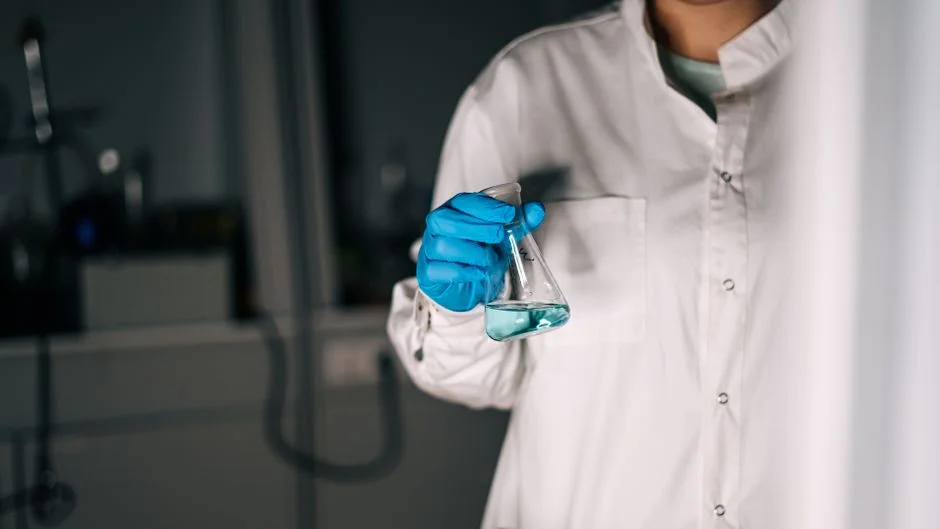
For a 250 m³/d garment plant in Hlaingtharyar, the dominant Yangon case, six unit operations line up in a fixed sequence: screening → equalization → DAF → MBR → disinfection → sludge dewatering. Each step has a defensible technology default, and each default can be swapped without re-engineering the rest of the train.
Step 1 — Pretreatment. A GX rotary bar screen with 1–5 mm aperture protects downstream pumps and membranes from rags, lint, and grit. The screen handles 5–300 m³/h and runs on a 0.55–1.5 kW drive, small enough for a containerized skid.
Step 2 — Primary solids and oil removal. The DAF system covers 4–300 m³/h, achieves 85–95% TSS removal and 90%+ oil & grease removal at a hydraulic surface loading of 4–8 m³/m²·h, and brings pH and temperature into a stable envelope for the biological stage. For garment streams, DAF alone typically removes 40–60% of COD before biology.
Step 3 — Biological treatment. Three credible options exist, and the choice is driven by land, effluent quality, and operator skill — see the table below for a side-by-side.
Step 4 — Polishing. A multi-media filter (sand + anthracite + garnet) brings the SDI below 3; add RO only if the factory needs process water reuse. Skipping RO is the right call for a discharge-only permit because RO adds $80K–$200K of CAPEX and 0.6–1.0 kWh/m³ of OPEX with limited benefit when the receiving water body is the Bago River.
Step 5 — Disinfection. A chlorine dioxide generator sized from 50 g/h to 20,000 g/h delivers 1–2 mg/L residual and reliably hits the NEQEG fecal coliform cap of 400 MPN/100 mL, with a 0.5–1.0 second contact time in a 2–5 m³ contact tank.
Step 6 — Sludge handling. A plate-and-frame filter press brings sludge cake to 60–65% dryness, cutting haulage volume by a factor of 5–8 versus thickened sludge and keeping the disposal cost inside the OPEX envelope.
| Stage | Default equipment | Operating envelope | Removal / output |
|---|---|---|---|
| 1. Screening | GX rotary bar screen | 5–300 m³/h, 1–5 mm aperture | >90% rag and grit capture |
| 2. DAF | DAF | 4–300 m³/h, 4–8 m³/m²·h | 85–95% TSS, 90%+ O&G |
| 3a. Buried A/O | WSZ package plant | 1–80 m³/h | 30–80 mg/L BOD effluent |
| 3b. MBR | Integrated MBR system | 10–2,000 m³/d | <50 mg/L COD, <5 mg/L TSS |
| 4. Polishing | Multi-media filter (optional RO) | 5–15 m³/m²·h | SDI <3; RO permeate <50 µS/cm |
| 5. Disinfection | ClO₂ generator | 50 g/h to 20,000 g/h | <400 MPN/100 mL fecal coliform |
| 6. Sludge | Plate-and-frame filter press | 0.5–15 m³/h feed | 60–65% dry cake |
Comparison: MBR vs. Package A/O vs. Conventional Activated Sludge for Yangon Sites
MBR is the right backbone for export-facing garment, food and beverage, and pharmaceutical factories in Yangon. It delivers <50 mg/L COD, <5 mg/L TSS, and <5 mg/L BOD at MLSS 8,000–12,000 mg/L, and it occupies roughly 60% less land than conventional activated sludge (CAS) at the same flow. For a 250 m³/d plant the MBR skid is typically 80–120 m² of floor area versus 1,500–3,000 m² for CAS — that footprint delta is the deciding factor in Hlaingtharyar where industrial land is at a premium.
The WSZ buried A/O package plant wins on CAPEX ($40K–$220K for 1–80 m³/h) and can be landscaped over, which preserves the buildable area on small plots. Its downside is effluent quality: 30–80 mg/L BOD and 60–150 mg/L COD at the outlet, so a polishing step is required to land inside NEQEG 2015 limits. It is the right pick for low-risk workshops under 80 m³/h with no export-audit exposure.
CAS has the lowest OPEX — $0.18–$0.28 per m³ treated in 2026 — but the footprint and the 12–18 month site-build timeline disqualify it for most Yangon retrofits. If a factory has the land and the operator team, CAS still has a place at flows above 2,000 m³/d.
| Criterion (250 m³/d basis) | MBR | WSZ package A/O | Conventional activated sludge |
|---|---|---|---|
| Footprint (m²) | 80–120 | 150–300 | 1,500–3,000 |
| CAPEX band (USD) | $280K–$750K | $40K–$220K | $350K–$900K (site-built) |
| OPEX (USD/m³) | $0.28–$0.55 | $0.22–$0.38 | $0.18–$0.28 |
| Effluent BOD (mg/L) | <5 | 30–80 | 10–25 |
| Operator skill required | Moderate (PLC + membrane care) | Low–moderate | High (licensed operator) |
| Time to commission | 6–10 weeks (containerized) | 4–6 weeks | 12–18 months (site-built) |
CAPEX, OPEX and Payback for Industrial Wastewater Treatment in Yangon
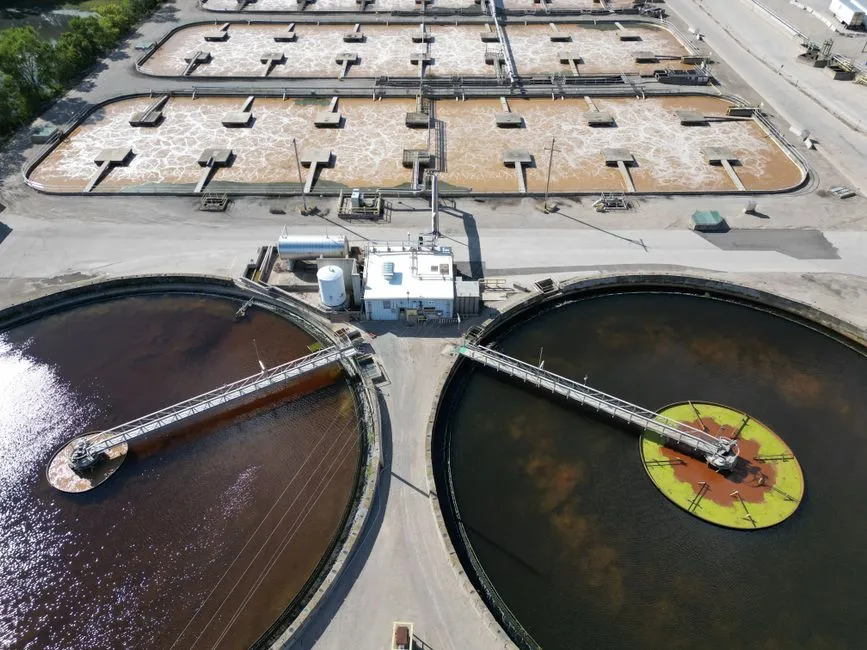
Budget numbers in 2026 USD, equipment FOB China plus Yangon civil works, import duty, and installation:
| Reference plant size | Typical Yangon sector | CAPEX band (USD) | OPEX (USD/m³) | Indicative payback |
|---|---|---|---|---|
| 50 m³/d | Small garment workshop, dairy | $80K–$220K | $0.30–$0.55 | 18–24 months |
| 250 m³/d | Mid-size garment, food processing | $280K–$750K | $0.25–$0.45 | 20–28 months |
| 500 m³/d | Brewery, larger textile mill | $650K–$1.5M | $0.22–$0.40 | 22–30 months |
| 1,000 m³/d | Cement, oil & gas depot, slaughterhouse | $1.4M–$4.5M | $0.18–$0.35 | 24–36 months |
OPEX is dominated by electricity — aeration alone draws 0.4–0.8 kWh/m³ at the MBR stage — followed by chemical dosing (coagulant, ClO₂ precursor, CIP) and sludge hauling. The payback math rests on three legs: avoided NEQEG fines of MMK 50,000–500,000 per violation, avoided shutdown risk during ECD inspections, and process-water reuse savings of $0.80–$1.50 per m³ when a polishing RO loop replaces fresh groundwater. The FMO/WWF co-financing window for factories with a credible ESG plan can offset 20–40% of upfront CAPEX; budget for that to take 90–120 days from application to disbursement (per FMO/WWF program guidance). A useful regional cross-check is the parallel regional guide for Chonburi, which uses the same train and shows 8–12% lower CAPEX thanks to Thailand's shorter logistics tail.
Shipping, Installation and Commissioning Realities in Myanmar
Containerized MBR and DAF systems ship via Yangon Port or Thilawa SEZ with 6–8 week ocean transit from Chinese ports. The factory is responsible for ECC submission to the Environmental Conservation Department before commissioning, foundation works (typically 4–8 weeks of civil work), and a stable 415 V / 50 Hz grid feed — that is the Yangon standard and it matches Chinese equipment output directly. An automatic chemical dosing system sized for the plant's coagulant and ClO₂ precursor demand ships on the same bill of lading to consolidate customs clearance.
Operator training is 5–7 days on-site, followed by remote PLC support over 4G where coverage allows. The standard handover package includes the as-built P&ID, operating manual in English, the ECC application support file (influent/effluent data, mass balance, sludge management plan), and a one-year spare parts kit — membranes, ClO₂ precursor, DAF nozzles, dosing pump spares — pre-shipped in the same container to avoid a second Myanmar customs window.
Frequently Asked Questions
What is the NEQEG discharge limit for BOD and COD in Yangon? Under the National Environmental Quality (Emission) Guidelines 2015, factories discharging to a water body must meet BOD ≤50 mg/L and COD ≤250 mg/L, with TSS ≤50 mg/L, oil & grease ≤10 mg/L, and pH 6–9 (per NEQEG 2015).
How much does a 250 m³/d industrial wastewater plant cost in Yangon in 2026? A 250 m³/d containerized DAF + MBR + ClO₂ train for a garment or food plant runs $280K–$750K CAPEX and $0.25–$0.45 per m³ OPEX, with payback inside 20–28 months when reuse savings and avoided fines are counted (HydropureWater field data, 2026).
Which treatment technology is best for a garment factory in Hlaingtharyar? A coagulation + DAF + MBR train with ClO₂ disinfection hits the NEQEG envelope reliably and fits inside a 100–150 m² plot, which is the binding constraint in Hlaingtharyar.
How long does it take to ship and install a containerized MBR plant from China to Yangon? Ocean transit is 6–8 weeks to Yangon Port or Thilawa, foundation and erection add 4–8 weeks, and commissioning takes another 1–2 weeks, so total delivery from PO to compliant discharge is 12–18 weeks (HydropureWater field data, 2026).
Can treated wastewater be reused for factory process water, and what additional treatment is needed? Yes. After MBR, add a multi-media filter (SDI <3) followed by an RO unit; the RO permeate typically lands at <50 µS/cm and suits dyeing rinsing, boiler feed, and cooling-tower makeup. For a deeper walkthrough of package plant selection, the Thailand package plant buyer guide applies the same selection logic to a neighboring regulatory regime.