Why Chonburi Wastewater Treatment Misses Audit Targets
Chonburi wastewater treatment for EEC factories commonly targets ≤50 mg/L BOD, ≤100 mg/L COD, and ≤30 mg/L TSS. Earlier guidance used BOD ≤60 mg/L and COD ≤120 mg/L as national caps. Ministry of Industry Notification B.E. 2560 sets general factory BOD ≤20 mg/L, COD ≤120 mg/L, and TSS ≤50 mg/L. A 500 m³/day train typically costs $1.5M–$5M CAPEX.
Approximately 80% of Chonburi’s industrial estates, including Amata City and Laem Chabang, failed water quality audits in 2023 against the ≤50 mg/L BOD threshold cited in prior PCD-facing estate reporting. With 9 central WWTPs serving about 13,000 km² of industrial estates, individual plants still need trains such as MBR (95% COD removal under design loads) or DAF (92% TSS removal as primary clarification) to stay inside permit and buyer specs. OPEX then varies with energy and chemical use.
Engineering audits point first to outdated aeration. Many Laem Chabang lines still run surface aerators with oxygen transfer efficiencies below 70%, which cannot hold high organic peaks from modern production cycles. Missing real-time online monitoring creates “blind” operation: biological upsets show up only after effluent has already breached the permit. The cash hit is immediate. A food plant in Amata City incurred THB 2.3M in fines for TSS exceedances before installing a dissolved air flotation primary stage. Non-compliance then cascades into production holds, Tier-1 customer findings, and loss of EEC tax incentives.
Comparable CAPEX framing for other industrial hubs appears in our Puebla wastewater treatment plant cost breakdown, useful when Chonburi buyers benchmark regional bids.
EEC Estate Targets Versus Thailand National Effluent Limits
EEC estate and buyer effluent targets for Chonburi plants remain tighter on several organics and solids than the older national numbers many O&M manuals still print. For Chemical Oxygen Demand (COD), estate tables often cap at ≤100 mg/L while older national references allowed ≤120 mg/L—about a 20% tighter design point that forces stronger secondary or tertiary polishing. Industry-specific clauses still bite hard: electronics lines are often held to fluoride ≤10 mg/L in estate specs, while metalworking permits may list Zinc (Zn) ≤2 mg/L. According to Ministry of Industry Notification B.E. 2560, the general factory Zn limit is ≤5.0 mg/L and oil & grease is ≤5 mg/L; keep the tighter estate number when the lease or EIA requires it.
Facilities discharging more than 500 m³/day are typically required to install online monitoring for pH, TSS, and flow, with telemetry available to regulators. Discharge permits still hinge on both volume and pollutant load. Incomplete telemetry can suspend a permit even when grab samples look acceptable. For parallel Gulf-region equipment selection logic, see Ajman industrial WWTP engineering specs and compliance equipment guidance.
| Parameter | EEC Standard (2026) | National Standard (PCD) | Monitoring Requirement |
|---|---|---|---|
| BOD (Biological Oxygen Demand) | ≤50 mg/L | ≤60 mg/L | Weekly Lab Analysis |
| COD (Chemical Oxygen Demand) | ≤100 mg/L | ≤120 mg/L | Weekly Lab Analysis |
| TSS (Total Suspended Solids) | ≤30 mg/L | ≤50 mg/L | Online (>500 m³/day) |
| Oil & Grease | ≤5 mg/L | ≤10 mg/L | Monthly Lab Analysis |
| Fluoride (Electronics) | ≤10 mg/L | ≤15 mg/L | Bi-weekly Analysis |
Note on national numbers: the table retains the estate vs older-national pairs used in Chonburi bid documents. WEPA’s summary of Notification of the Ministry of Science Technology and Environment No.3 B.E. 2539 lists BOD not more than 20 mg/L (up to 60 mg/L for listed factory types) and COD not more than 120 mg/L (up to 400 mg/L for listed types). MOI B.E. 2560 general limits are BOD ≤20 mg/L, COD ≤120 mg/L, TSS ≤50 mg/L, and oil & grease ≤5 mg/L. Design to the strictest applicable lease, EIA, or buyer clause.
Treatment Technology Comparison for Chonburi Factories
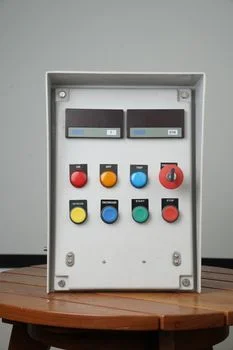
Technology choice for Chonburi wastewater treatment tracks pollutant profile, available footprint, and the effluent target on the permit. Membrane Bioreactors (MBR) are now the default for electronics and pharmaceutical lines in Amata City. MBR systems for high-efficiency COD removal in Chonburi’s electronics and pharmaceutical industries deliver 95% COD removal and 99% pathogen reduction under design MLSS and flux. CAPEX runs higher—$3M to $5M for a 500 m³/day plant—but the footprint is about 60% smaller than conventional activated sludge, which matters on constrained plots.
Where suspended solids and fats dominate, as in food processing or metalworking, Dissolved Air Flotation (DAF) is the usual primary stage. DAF systems for TSS and FOG removal in Chonburi’s food processing and metalworking sectors reach up to 92% TSS removal and about 85% oil and grease (FOG) removal when dosing is stable. DAF CAPEX is lower ($1.5M–$2.5M for 500 m³/day class packages) but needs precise chemical dosing systems to optimize OPEX and compliance in Chonburi’s WWTPs. High-strength organics from breweries and agro-industrial plants often need anaerobic IC/UASB stages first. Those units can recover 0.3–0.5 m³ of biogas per kg of COD removed, though they demand stronger O&M skill than aerobic-only trains. Teams comparing broader industrial wastewater treatment layouts should still size Chonburi trains to the local EEC/MOI clause, not a generic overseas template.
| Technology | COD Removal % | TSS Removal % | Typical Footprint | Best For |
|---|---|---|---|---|
| MBR | 95% - 98% | >99% | Minimal (Compact) | Electronics, Pharma |
| DAF | 40% - 60% | 90% - 95% | Moderate | Food, Metalworking |
| Anaerobic (IC) | 80% - 90% | 30% - 50% | Moderate (Vertical) | High-strength Organic |
| Activated Sludge | 70% - 85% | 70% - 80% | Large | Textiles, General |
Cost Models: CAPEX and OPEX for Industrial WWTPs in Chonburi
Budgeting a new or upgraded WWTP in Chonburi starts with a clear CAPEX split. For a 500 m³/day system, civil works usually take 30–40% of CAPEX, specialized equipment 40–50%, and installation plus commissioning 10–20%. MBR sits at the top of the range at $3M–$5M. Conventional activated sludge can land at $1M–$2M. Higher CAPEX options often cut long-term cost through lower sludge yield and a smaller plot.
OPEX in Chonburi is dominated by energy (40–60%) and chemicals (20–30%). MBR OPEX typically runs $0.80–$1.20 per m³ treated. DAF uses less power but more coagulants and polymers, landing near $0.40–$0.70/m³. Hidden line items procurement teams miss include online monitoring hardware ($50K–$150K), sludge disposal ($0.10–$0.30/kg dry solids), and annual EEC or estate permit fees. A Laem Chabang facility reported a 3.5-year payback after cutting THB 2.3M in annual fines and using biogas to offset plant power. When finance teams model end-of-pipe versus reuse, they should also review treatment and disposal of industrial waste cost structures used in other export-manufacturing markets.
| Technology Type | CAPEX (500 m³/day) | OPEX (per m³) | Sludge Yield |
|---|---|---|---|
| MBR | $3.0M – $5.0M | $0.80 – $1.20 | Low |
| DAF | $1.5M – $2.5M | $0.40 – $0.70 | High (Chemical Sludge) |
| Anaerobic | $2.0M – $4.0M | $0.20 – $0.50 | Very Low |
| Conventional | $1.0M – $2.0M | $0.30 – $0.60 | Moderate |
Case Study: Upgrading a Food Processing Plant in Amata City Chonburi
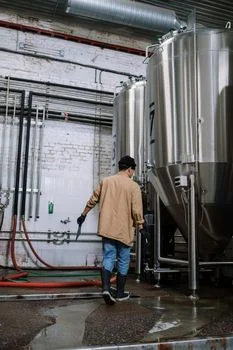
A 300 m³/day food processing plant in Amata City Chonburi faced production halt risk after repeated EEC estate audit failures. Effluent BOD sat at 85 mg/L and TSS at 60 mg/L, both above the mandate used on site. Diagnosis found two faults: surface aerators delivering only 65% oxygen transfer efficiency, and no primary stage, so oil and grease (FOG) fouled the biology. The plant was paying THB 1.8M in annual fines and saw rising sludge haul costs from poor dewatering.
The upgrade ran in two phases. First, a DAF primary stage removed 92% of TSS and FOG under the design chemical dose. Second, fine-bubble diffusers replaced surface aerators and lifted oxygen transfer to 85%. Solids handling moved to sludge dewatering solutions to reduce disposal costs in Chonburi. Total CAPEX was $1.2M with OPEX near $0.50/m³. Within six months, effluent BOD fell to 35 mg/L and TSS to 20 mg/L. Break-even landed at 2.8 years from eliminated fines plus a 40% drop in compliance risk after online monitoring went live. For high-FOG train design elsewhere, engineers can review food processing wastewater treatment strategies for high-FOG influent.
Compliance Checklist for Chonburi Industrial WWTPs
Most plants we size for Amata City and Laem Chabang run safer when managers close these gaps in order, not as a paper exercise after the next audit letter.
- Step 1: Run a 24-hour influent audit. Measure COD, BOD, TSS, pH, FOG, and relevant metals on a composite. Compare results to the PCD/MOI clause and the estate lease target so the design delta is numeric, not assumed.
- Step 2: Complete a technology gap analysis. Match each exceedance to a unit process—DAF for FOG/TSS, fine-bubble aeration or MBR for dissolved organics, chemical precipitation for metals—before buying package capacity.
- Step 3: Size aeration and sludge handling together. Oxygen transfer below about 70% on surface aerators is a recurring Chonburi failure mode; pair diffuser upgrades with dewatering so solids do not create a second permit breach.
- Step 4: Install online pH, TSS, and flow monitoring above 500 m³/day. Budget $50K–$150K for hardware and telemetry that regulators can actually receive.
- Step 5: Lock chemical dosing and spare parts. DAF and precipitation trains fail on dose drift more often than on tank volume; specify polymer/coagulant control and local spare stock.
- Step 6: Model OPEX with energy, chemicals, and sludge haul. Use $0.40–$1.20/m³ class ranges by technology and stress-test peak production weeks, not average days.
- Step 7: Align permit, EIA, and buyer specs. Where estate BOD ≤50 mg/L and MOI general BOD ≤20 mg/L both apply, design to the stricter number that the discharge path actually enforces.
Who This Is For / Who Should Look Elsewhere / Next Step
Plant engineers, EPC process leads, and procurement managers sizing or upgrading factory WWTPs inside Chonburi’s EEC estates are the primary audience. The page is not a substitute for a site-specific mass balance or a lawyer’s reading of an EIA. Buyers who only need municipal sewer connection advice with no factory process wastewater should follow local utility guidance instead. To translate these ranges into a duty-point equipment list for a given influent, request a scoped review through our Chonburi WWTP inquiry form.
Frequently Asked Questions
What effluent limits apply to factories in Chonburi’s EEC zone?
Estate and buyer packages commonly cite ≤50 mg/L BOD, ≤100 mg/L COD, and ≤30 mg/L TSS. Older national references used BOD ≤60 mg/L and COD ≤120 mg/L. Ministry of Industry Notification B.E. 2560 sets general factory BOD ≤20 mg/L, COD ≤120 mg/L, and TSS ≤50 mg/L. Always design to the strictest clause on the lease, EIA, or buyer contract for that discharge path.
How much does a 500 m³/day industrial WWTP cost in Chonburi?
CAPEX typically spans about $1.0M–$5.0M depending on technology. Conventional trains sit near $1.0M–$2.0M, DAF-led packages near $1.5M–$2.5M, anaerobic systems near $2.0M–$4.0M, and MBR near $3.0M–$5.0M for the 500 m³/day class. Civil works usually take 30–40% of CAPEX; equipment takes 40–50%.
When should a Chonburi plant choose MBR over DAF?
Choose MBR when you need 95%–98% COD removal, pathogen reduction near 99%, and a compact footprint for electronics or pharma. Choose DAF first when FOG and TSS drive failures, as in food or metalworking lines needing 90%–95% TSS removal before biology. Many food plants combine DAF primary with upgraded aeration rather than jumping straight to MBR.
What OPEX should buyers expect per cubic meter treated?
Expect roughly $0.20–$0.50/m³ for anaerobic-led trains, $0.30–$0.60/m³ for conventional activated sludge, $0.40–$0.70/m³ for DAF-heavy flowsheets, and $0.80–$1.20/m³ for MBR under Chonburi energy and chemical prices. Energy often is 40–60% of OPEX; chemicals are 20–30%, so peak production weeks move the bill more than average-day models.
Do plants above 500 m³/day need online monitoring in Chonburi?
Yes—facilities discharging more than 500 m³/day are typically required to monitor pH, TSS, and flow continuously and make data available to regulators. Missing telemetry can suspend a discharge permit even when lab samples pass. Hardware budgets of $50K–$150K are common for industrial sites in the EEC estates.