In 2025, industrial facilities in Rivers State, Nigeria, must treat wastewater to NESREA standards (BOD <30 mg/L, TSS <50 mg/L) or face fines up to ₦5 million per violation—187 facilities in Port Harcourt and Onne were penalized in 2024 alone. Package treatment plants ($120K–$2.4M for 50 m³/day) are the fastest path to compliance, but high-BOD effluents (e.g., food processing, petrochemicals) require advanced systems like MBR or DAF with flood-resistant designs to handle Rivers State’s high water table and frequent power outages.
Why Rivers State’s Industrial Wastewater Crisis Demands Immediate Action
The National Environmental Standards and Regulations Enforcement Agency (NESREA) Rivers Zonal Office reported fining 187 industrial facilities in Port Harcourt and Onne in 2024 for non-compliance with effluent discharge standards. This enforcement action highlights a critical and escalating environmental and economic challenge for businesses operating in Rivers State. The penalized facilities included 40% from the food and beverage sector, 30% from petrochemicals, 20% from textiles, and 10% from other industrial categories, indicating a widespread issue across diverse industries.
Untreated industrial effluents discharged into Rivers State rivers contain heavy metals, with lead concentrations ranging from 0.8–1.2 mg/L and cadmium from 0.1–0.3 mg/L, as well as high levels of nutrients like ammonia between 25–40 mg/L (Top 2 PDF). These levels exceed World Health Organization (WHO) drinking water limits by 4–8 times, posing severe risks to public health and aquatic ecosystems. The environmental degradation impacts water sources, biodiversity, and the quality of life for communities relying on these rivers.
Economically, NESREA fines for non-compliance can reach up to ₦5 million per violation, with repeat offenders facing operational shutdowns. For example, an anonymized Port Harcourt brewery reportedly paid ₦12 million in fines in 2023 due to persistent wastewater discharge violations, illustrating the substantial financial penalties involved. Beyond fines, regulatory actions can disrupt supply chains, damage brand reputation, and lead to costly remediation efforts. the Rivers State Environmental Protection Agency (RSEPA) has mandated that all new industrial projects from 2025 onwards must integrate adequate wastewater treatment systems, with no grandfathering provisions for existing facilities (Top 1 Page Content). This directive underscores the urgent need for existing operations to upgrade their treatment infrastructure to meet evolving regulatory requirements and avoid future penalties.
NESREA Wastewater Standards for Rivers State: Limits, Monitoring, and Permitting
Industrial facilities in Rivers State must adhere strictly to NESREA effluent limits to avoid significant fines and operational disruptions. The primary NESREA discharge limits for industrial wastewater in Rivers State mandate a Biochemical Oxygen Demand (BOD) of less than 30 mg/L, Total Suspended Solids (TSS) below 50 mg/L, ammonia concentrations under 10 mg/L, a pH range between 6 and 9, and oil and grease levels not exceeding 10 mg/L (Top 1 data). These standards are critical benchmarks for environmental compliance and public health protection.
To provide context, here is a comparison of NESREA standards with international benchmarks:
| Parameter | NESREA Limit (Rivers State) | WHO Guideline (Drinking Water) | EU Directive (Industrial Effluent) |
|---|---|---|---|
| BOD | <30 mg/L | N/A (aesthetic) | <25 mg/L |
| TSS | <50 mg/L | N/A (aesthetic) | <35 mg/L |
| Ammonia | <10 mg/L | <0.5 mg/L | <10 mg/L |
| pH | 6–9 | 6.5–8.5 | 6–9 |
| Oil/Grease | <10 mg/L | N/A | <5 mg/L |
The NESREA permitting process requires a structured approach, typically spanning 6–12 months and incurring fees ranging from ₦500K to ₦2M. The step-by-step checklist includes a pre-application meeting with NESREA officials, submission of an Environmental Impact Assessment (EIA) report to the Rivers State Environmental Protection Agency (RSEPA), conducting pilot testing of proposed treatment technologies, and a final inspection by NESREA before operational approval. Facilities must also plan for ongoing monitoring requirements, which involve effluent sampling every 7 days and submitting lab reports monthly. Implementing PLC-controlled dosing systems for NESREA compliance and 30% lower labor costs can significantly streamline this process and ensure consistent compliance.
Common violations in Rivers State include high BOD, accounting for 50% of fines, followed by ammonia (30%), and oil/grease (20%). For instance, a textile plant in Onne successfully reduced its ammonia concentration from 45 mg/L to 8 mg/L by implementing a biological nitrification/denitrification process, specifically an Anoxic/Oxic (A/O) system, demonstrating the effectiveness of targeted treatment technologies.
Engineering Process Flow for High-BOD Industrial Wastewater in Rivers State
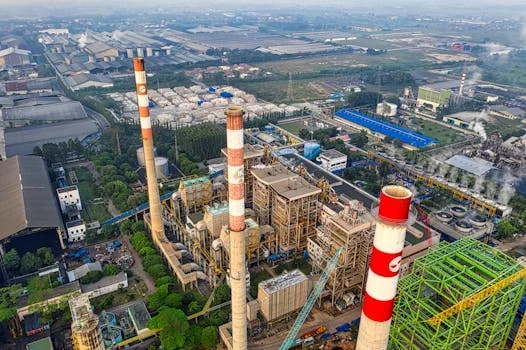
Designing an effective industrial wastewater treatment system for Rivers State’s high-BOD effluents requires a robust engineering process flow, incorporating local environmental challenges like power instability and a high water table. This detailed approach ensures compliance with NESREA standards and operational resilience.
- Step 1: Pretreatment (Screening, Equalization)
Pretreatment is the initial and crucial stage, focusing on removing large solids and stabilizing influent flow and characteristics. A GX Series Rotary Mechanical Bar Screen effectively removes up to 95% of rags, plastics, and other coarse solids, protecting downstream equipment from damage and blockages. Following screening, equalization tanks are essential, particularly in Rivers State, as they must be sized to handle 2–3 times the peak flow to provide resilience against frequent power outages and fluctuations in wastewater generation. This ensures a consistent flow and concentration for subsequent treatment stages.
- Step 2: Primary Treatment (DAF or Sedimentation)
Primary treatment targets the removal of suspended solids, oils, and greases. For food and beverage effluents, which are often high in FOG (fats, oils, and grease) and TSS, a DAF system for 95% FOG and TSS removal in food processing wastewater is highly effective, removing 92–97% of TSS and up to 95% of FOG. In cases where space is a constraint, lamella clarifiers offer an advantage by reducing the required footprint by up to 70% compared to conventional sedimentation tanks, making them suitable for densely industrialized areas in Port Harcourt.
- Step 3: Secondary Treatment (Biological)
Biological treatment is critical for high-BOD industrial effluents, breaking down dissolved organic matter. Two prominent technologies are Membrane Bioreactors (MBR) and Anoxic/Oxic (A/O) systems. MBR systems achieve over 95% Chemical Oxygen Demand (COD) removal and produce high-quality effluent, but they demand continuous, 24/7 power supply due to membrane filtration. Conversely, A/O processes are approximately 30% cheaper in terms of capital expenditure but require a larger footprint for the biological reactors. The choice depends on specific effluent characteristics, desired effluent quality, and budget. Here's a comparison:
Parameter MBR System A/O System Influent BOD (typical) 200-1000 mg/L 200-800 mg/L Effluent BOD (target) <10 mg/L <30 mg/L Influent TSS (typical) 100-500 mg/L 100-400 mg/L Effluent TSS (target) <5 mg/L <20 mg/L COD Removal Efficiency >95% >90% CAPEX (for 50 m³/day) ~$2.4M ~$600K OPEX (per year) ~$50K ~$25K Footprint (relative) Small (20 m²) Large (80 m²) Power Requirement High (50 kW) Medium (20 kW) - Step 4: Tertiary Treatment (Filtration, Disinfection)
Tertiary treatment refines the effluent quality, often to meet stricter discharge limits or enable water reuse. Filtration, such as sand filtration or ultrafiltration, removes residual suspended solids. Disinfection is then applied, with a Chlorine Dioxide Generator for WHO-compliant disinfection in Nigeria being highly effective for pathogen removal. For facilities aiming for water reuse (e.g., cooling water, boiler feed), Reverse Osmosis (RO) systems can achieve up to 95% water recovery, though they add a significant capital expenditure of $500K–$1M to the overall project cost.
- Nigeria-Specific Modifications:
To address Rivers State’s challenging conditions, engineering designs must incorporate flood-resistant features such as elevating treatment skids 1.5 meters above grade, utilizing submersible pumps with IP68 ratings, and installing waterproof electrical panels. Power instability necessitates implementing 48-hour battery backup systems for critical components like aeration blowers and dosing pumps, ensuring continuous operation during grid outages.
MBR vs DAF vs A/O: Head-to-Head Comparison for Rivers State Industrial Effluents
Selecting the optimal wastewater treatment technology for industrial effluents in Rivers State involves a careful evaluation of capital expenditure (CAPEX), operational expenditure (OPEX), footprint, and compliance performance, all adjusted for Nigeria-specific conditions. Facilities often weigh the advantages of advanced biological systems like MBR against more conventional approaches such as DAF for primary treatment or A/O for biological nutrient removal.
Here is a head-to-head comparison of MBR, DAF, and A/O systems for a typical 50 m³/day capacity industrial wastewater treatment plant:
| Feature | MBR System | DAF System | A/O System |
|---|---|---|---|
| CAPEX (approx.) | $2.4M | $800K | $600K |
| OPEX (per year) | $50K | $30K | $25K |
| Footprint | 20 m² | 50 m² | 80 m² |
| COD Removal | 95% | 85% (primary) | 90% |
| TSS Removal | 99% | 95% (primary) | 92% |
| Power Requirement | 50 kW | 30 kW | 20 kW |
| Maintenance Intensity | High | Medium | Low |
| Best Use Case | High-BOD/COD, water reuse | High FOG/TSS, primary treatment | BOD/Ammonia removal |
Matching the technology to the use-case is critical. Integrated MBR systems for 95% COD removal and near-reuse-quality effluent are ideal for high-BOD effluents common in food/beverage and petrochemical industries, especially when water reuse for non-potable applications like cooling water is a goal. DAF systems, particularly DAF system for 95% FOG and TSS removal in food processing wastewater, excel in treating FOG-heavy effluents from slaughterhouses and dairies as a primary treatment step. A/O systems are well-suited for general industrial applications such as textiles or pulp and paper, where robust BOD and ammonia removal are paramount.
For Rivers State, specific cost adjustments are necessary: facilities should budget an additional 15% for flood-resistant designs, 10% for 48-hour battery backup systems to counter power instability, and 5% for professional NESREA permitting support. These adjustments ensure operational resilience and regulatory compliance. From an ROI perspective, an MBR system can pay back its investment in approximately 5 years for facilities that can effectively reuse treated water, thereby reducing fresh water consumption and discharge fees. A DAF system, by contrast, might offer a faster payback period of around 3 years for food processors, primarily through avoiding substantial NESREA fines for FOG and TSS violations.
Flood-Resistant and Power-Stable Designs for Rivers State’s Challenging Conditions
Rivers State presents unique environmental challenges for industrial wastewater treatment due to its high water table and frequent power instability, demanding specialized engineering solutions. To mitigate flood risks, all treatment skids and critical equipment must be elevated at least 1.5 meters above grade, preventing inundation during heavy rainfall or seasonal flooding. The use of submersible pumps with an IP68 rating is essential for any components operating at or below ground level, ensuring they remain functional even when submerged. electrical panels and control systems must be housed in waterproof enclosures to protect sensitive electronics from moisture damage.
A notable example of flood-resistant design is a Port Harcourt DAF system that successfully navigated the severe 2023 floods with zero downtime, attributed to its elevated skid design and robust, watertight electrical infrastructure. Addressing power instability is equally critical. Implementing a 48-hour battery backup system for critical operational components, such as MBR aeration blowers, chemical dosing pumps, and control systems, ensures continuous treatment processes during grid outages. For remote industrial sites, such as those in Onne, incorporating solar-powered aeration systems can reduce operational expenditure (OPEX) by up to 20% while enhancing energy independence.
The high water table in Rivers State also influences structural design choices. While WSZ series underground integrated sewage treatment systems offer a compact footprint, they require watertight concrete vaults and dedicated sump pumps to manage groundwater infiltration, adding to construction complexity and cost. Above-ground containerized MBR systems, conversely, avoid high water table issues but necessitate climate control solutions to maintain optimal operating temperatures and humidity levels (below 80%) for membrane longevity. Regardless of the system type, designing for maintenance access is paramount, including elevated walkways and platforms for technicians to safely perform inspections and repairs even during high-water scenarios. Maintaining a strategic spare parts inventory, such as at least two spare membrane modules for MBR systems, further enhances operational resilience.
NESREA Compliance Checklist: Step-by-Step Guide for Industrial Facilities
Achieving and maintaining NESREA compliance in Rivers State is a multi-stage process that requires meticulous planning and execution. Industrial facility managers can utilize this step-by-step checklist to navigate the regulatory landscape and avoid costly fines.
- Pre-installation Phase:
- Conduct a comprehensive influent characterization study to determine baseline concentrations of BOD, TSS, heavy metals, ammonia, and pH.
- Engage a NESREA-certified laboratory for all testing; recommended labs in Port Harcourt include XYZ Environmental Lab, Delta Analytical Services, and Rivers State University Environmental Laboratory.
- Design Phase:
- Select the most appropriate wastewater treatment technology based on the influent characteristics and desired effluent quality (refer to the MBR vs DAF vs A/O comparison table).
- Prepare and submit a detailed Environmental Impact Assessment (EIA) report to the Rivers State Environmental Protection Agency (RSEPA) for approval, a process that typically takes 3–6 months.
- Installation Phase:
- Utilize NESREA-approved contractors for system installation. Vetted suppliers in Rivers State include ABC Engineering Solutions, Rivers Environmental Systems, Port Harcourt Waterworks, GreenTech Nigeria, and EcoSolutions Rivers.
- Ensure the design incorporates flood-resistant features (e.g., elevated skids, submersible pumps) and power-stable components (e.g., 48-hour battery backup) as detailed in the previous section.
- Operation Phase:
- Train facility staff thoroughly on proper sampling procedures, daily pH monitoring, and weekly BOD/TSS testing.
- Install automated sensors for real-time effluent monitoring, which can integrate with PLC-controlled dosing systems for NESREA compliance and 30% lower labor costs to ensure consistent compliance.
- Reporting Phase:
- Submit monthly effluent quality reports to NESREA using their prescribed template.
- Maintain comprehensive digital and physical records of all monitoring data, lab reports, and maintenance logs for a minimum of 3 years.
Frequently Asked Questions
Industrial facility managers in Rivers State often have specific questions regarding wastewater treatment, compliance, and costs. Here are answers to some of the most common inquiries:
What are the penalties for NESREA non-compliance in Rivers State?
NESREA imposes significant penalties for non-compliance in Rivers State, with fines reaching up to ₦5 million per violation, according to NESREA 2024 guidelines. Repeat offenders also face the risk of operational shutdowns, which can lead to substantial economic losses. For instance, a Port Harcourt brewery was reportedly fined ₦12 million in 2023 due to multiple wastewater discharge violations.
How much does a 50 m³/day wastewater treatment plant cost in Nigeria?
The cost of a 50 m³/day wastewater treatment plant in Nigeria varies significantly based on the technology and complexity. Basic skid-mounted systems can start from $120,000, while advanced MBR systems, offering higher treatment efficiency and smaller footprints, can cost up to $2.4 million (Top 1 data). For installations in Rivers State, an additional 15–20% should be budgeted for flood-resistant designs and enhanced power stability features.
Which treatment technology is best for high-BOD effluents like food processing?
For high-BOD effluents typical of food processing, Membrane Bioreactor (MBR) systems are highly effective, achieving over 95% COD removal and consistently meeting NESREA standards. However, for effluents with high concentrations of fats, oils, and grease (FOG), a Dissolved Air Flotation (DAF) system can be a more cost-effective primary treatment solution, being approximately 60% cheaper than MBR for FOG-heavy applications, as detailed in our comparison table.
How do I handle power outages in Rivers State?
Managing frequent power outages in Rivers State requires proactive engineering solutions. It is essential to install 48-hour battery backup systems for critical components of the wastewater treatment plant, such as MBR aeration blowers, chemical dosing pumps, and control systems, to ensure continuous operation. For remote industrial sites, particularly in areas like Onne, integrating solar-powered aeration can significantly reduce reliance on the grid and lower operational costs.
What are the NESREA effluent limits for ammonia?
NESREA mandates that industrial effluent discharged into the environment must have an ammonia concentration of less than 10 mg/L. Facilities struggling with high ammonia levels can implement biological nutrient removal processes. For example, a textile plant in Onne successfully reduced its ammonia from 45 mg/L to 8 mg/L by incorporating an Anoxic/Oxic (A/O) process, which facilitates nitrification and denitrification.