How Does Wastewater Treatment Work in Port Elizabeth?
Industrial wastewater treatment in Port Elizabeth combines DAF for 92–97% TSS and FOG removal with biological polishing for 95%+ COD reduction to meet National Water Act limits. Modular trains from 10–300 m³/h serve food, automotive, and port plants. 2025 CAPEX for a 20 m³/h DAF starts near $45,000.
Nelson Mandela Bay (Gqeberha) concentrates manufacturing, food processing, and harbour-linked industry. These sites generate high-strength effluent that must be treated before sewer discharge or release to a water resource. Plant engineers usually stage treatment as screening, chemical conditioning, flotation or clarification, biological oxidation, and sludge dewatering. Equalisation tanks of 4–8 hours hydraulic retention at design temperature smooth batch dumps from CIP and shift changes before the DAF inlet.
Why Industrial Effluent Control Matters in Nelson Mandela Bay
South Africa’s National Environmental Management Act (NEMA) and the National Water Act frame both pollution control and water-use authorisation. Many municipal trade-effluent permits still cite plant targets near TSS below 30 mg/L, COD below 100 mg/L, and FOG often below 10 mg/L. For direct discharge to a water resource under the General Authorisation, earlier plant briefs that used those municipal-style targets should be tightened. The published general limits are suspended solids 25 mg/L, COD 75 mg/L, and soap, oil or grease 2.5 mg/L. Special limits are 10 mg/L, 30 mg/L, and 0 mg/L respectively (DWAF General Authorisation, Table 3.1).
Non-compliance can trigger large fines—up to ZAR 10 million—and operational shutdowns under the National Water Act (HydropureWater field data, 2025). Automotive, food and beverage, and textile plants in the metro often carry complex organics, FOG, and metals that need purpose-built trains rather than a single generic unit. Municipal capacity pressure makes on-site pretreatment more important. In February 2026, Nelson Mandela Bay completed a R16 million mechanical and electrical refurbishment of the Kelvin Jones Wastewater Treatment Plant in Kariega. The works restored 24 million litres per day of capacity that supports Volkswagen South Africa and neighbouring component manufacturers (SAnews, 2026). Factories upstream of stressed municipal works gain the most from reliable FOG and TSS cutback before the sewer connection.
Top Technologies for Industrial Effluent
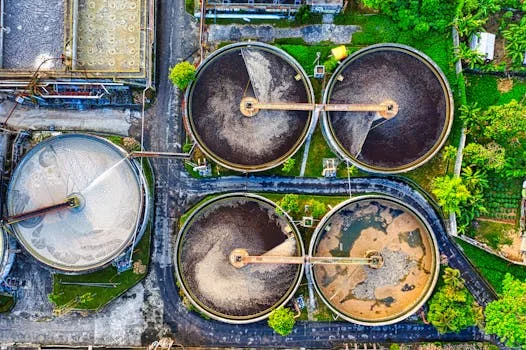
Technology choice follows the pollutant profile and the discharge point—municipal sewer versus a water resource. Food and meat plants lean on flotation for FOG; reuse or tight COD permits push membrane biology; unstable pH streams need reliable chemical dosing before either stage. Most plants we size for Coega and Kariega industrial parks run at the lower end of the hydraulic range first, then add parallel modules when production expands.
Dissolved Air Flotation (DAF) systems remove 92–97% of suspended solids and FOG, which suits food processing, meatpacking, and metalworking wastewaters. A high-efficiency DAF system for industrial FOG and TSS removal dissolves air under pressure, then releases it at atmospheric pressure in the flotation tank. Microbubbles attach to solids and oils so they rise for skimming rather than settling. Typical float solids are denser after polymer conditioning, which also steadies sludge pump duty.
Membrane Bioreactor (MBR) systems deliver <5 NTU effluent turbidity and over 95% COD removal, which fits reuse loops and sensitive receiving waters. A compact MBR system with 95%+ COD removal couples biological treatment with membrane filtration, so secondary clarifiers are not required. Most space-constrained sites we audit prefer that compact footprint over a conventional aeration basin plus clarifier train. Mixed-liquor concentrations of 8,000–12,000 mg/L MLSS are common when membrane area is the limiting factor.
Chemical dosing systems hold pH and drive coagulation and flocculation ahead of DAF or MBR. Precise coagulant, flocculant, and acid/alkali feed keeps downstream removal stable when influent strength swings shift by shift. Jar tests at 10–30 mg/L PAC remain the practical way to set the starting dose before SCADA trim loops take over.
For residuals, sludge dewatering equipment such as plate and frame filter presses reaches 40–60% dry solids cake from DAF and MBR sludge. Volume reduction cuts haulage cost and landfill fees, which often dominate OPEX after power and chemicals. Press cycle times of 2–4 hours at site pressure are typical for oily DAF float mixed with biological sludge.
| Technology | Primary Application | Key Pollutant Removal | Typical Efficiency | Space Requirement |
|---|---|---|---|---|
| Dissolved Air Flotation (DAF) | Food Processing, Metal Finishing, Petrochemical | TSS, FOG, Emulsified Oils | 92–97% TSS, 85–90% FOG | Moderate |
| Membrane Bioreactor (MBR) | Manufacturing, Pharmaceutical, Water Reuse | COD, BOD, TSS, Pathogens | 95%+ COD, <5 NTU Effluent | Compact |
| Chemical Dosing Systems | Pre-treatment for DAF/MBR, pH Adjustment | pH Control, Coagulation, Flocculation | Enhances downstream removal | Small |
| Sludge Dewatering (Plate & Frame) | Sludge Volume Reduction | Water from Sludge Solids | 40–60% Dry Solids Cake | Moderate |
Performance Comparison: DAF vs MBR vs Conventional Systems
DAF, MBR, and conventional activated-sludge trains serve different roles when a Nelson Mandela Bay factory must hit sewer or resource limits. DAF systems handle primary treatment at flow rates from 4 to 300 m³/h. Typical TSS removal is 92–97% and FOG reduction is 85–90%, consistent with EPA and EU pre-treatment practice (HydropureWater field data, 2025). Power use usually sits between 1.2–1.8 kWh/m³, depending on recycle ratio and solids load.
MBR systems cover secondary and tertiary duty, reaching 95–99% COD/BOD removal and effluent below 5 NTU. Footprint can be up to 60% smaller than a conventional activated-sludge plant of similar capacity. Power for aeration plus membrane pumping typically falls between 1.5–2.2 kWh/m³. When reuse for washdown or cooling-tower make-up is on the table, that turbidity band usually clears the first internal reuse gate.
Conventional trains—primary clarification, activated sludge, secondary clarification, and often sand filtration—need 2–3 times more land than MBR. OPEX rises with extra stages, higher chemical use, and more mechanical maintenance on scrapers and filters. Conventional plants can still meet NEMA-aligned discharge targets, yet many new builds prefer DAF plus MBR, especially when using the benefits of modular containerized systems for rapid deployment. An MBR train often meets stringent COD and TSS limits without a separate tertiary filter, which shortens the process train.
| Feature | DAF System | MBR System | Conventional Activated Sludge |
|---|---|---|---|
| Primary Function | TSS, FOG, Oil Removal (Primary) | BOD, COD, TSS Removal (Secondary/Tertiary) | BOD, COD, TSS Removal (Secondary) |
| TSS Removal Efficiency | 92–97% | >99% (Effluent <5 mg/L) | 80–90% (with secondary clarifier) |
| COD/BOD Removal Efficiency | 30–60% (pre-treatment) | 95–99% | 85–95% |
| Footprint (Relative) | Moderate | Compact (60% smaller than conventional) | Large (2–3x MBR) |
| Effluent Quality | Pre-treated for biological stage | High (suitable for reuse/direct discharge) | Moderate (often needs tertiary for reuse) |
| Power Consumption (kWh/m³) | 1.2–1.8 | 1.5–2.2 (aeration & pumping) | 1.0–1.5 (aeration, pumping, clarification) |
| Sludge Production | High (primary sludge) | Moderate (compacted biological sludge) | High (secondary sludge) |
What Does a 20 m³/h Industrial System Cost?
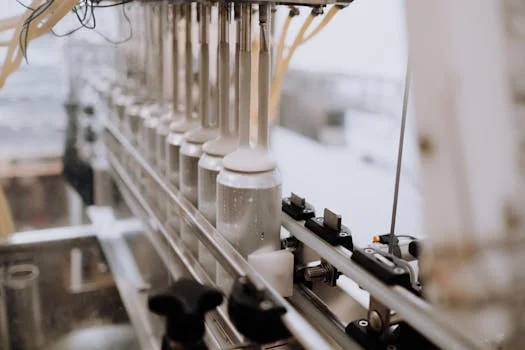
Budgeting for Eastern Cape industrial effluent plants still rests on 2025 CAPEX and OPEX brackets until local bids close. For a standard 20 m³/h DAF system, CAPEX typically ranges from $45,000 to $65,000, covering the unit, installation, and initial chemical setup (HydropureWater field data, 2025). Associated OPEX averages about $3.20/m³, driven by coagulants and flocculants, pump and compressor power, and routine maintenance.
A 20 m³/h MBR system, which delivers higher effluent quality in less space, carries CAPEX of $75,000 to $95,000. OPEX sits near $4.10/m³, with membrane replacement every 5–7 years, aeration and permeate pumping power, and CIP chemicals as the main drivers.
Underground WSZ series package plants (1–80 m³/h) can cut land use and landscaping cost by up to 40% versus above-ground layouts. Containerized trains cut installation time by up to 60% against stick-built civil plants, which matters for fast compliance deadlines or temporary production lines. Procurement teams should weigh total cost of ownership—chemicals, power, sludge haulage, and membrane life—not only the equipment quote. Freight to Gqeberha harbour and inland lift costs should sit in the same CAPEX sheet as the skid price.
| System Type | Capacity (m³/h) | Estimated CAPEX (2025) | Estimated OPEX (2025, per m³) | Key Cost Drivers |
|---|---|---|---|---|
| DAF System | 20 | $45,000–$65,000 | $3.20 | Chemicals, Power, Maintenance |
| MBR System | 20 | $75,000–$95,000 | $4.10 | Membrane Replacement, Power, Chemicals |
| Underground WSZ Package Plant | 1–80 | Varies by capacity, higher initial civil | Similar to MBR/Conventional for specific units | Reduced land use & landscaping costs (up to 40%) |
| Containerized Systems | Various (DAF/MBR) | Similar to standalone units + containerization | Similar to standalone units | 60% faster installation, reduced civil work |
Compliance and Maintenance Checklist
Long-term compliance in the Eastern Cape metro depends on sampling discipline and scheduled mechanical care. NEMA-aligned programmes commonly require monthly effluent testing for pH, TSS, COD, and heavy metals such as cadmium (Cd), lead (Pb), and chromium (Cr) (HydropureWater field data, 2025). According to the DWAF General Authorisation monitoring rules, discharge quality for larger domestic-type discharges is also tracked monthly by grab sampling for parameters matched to daily volume bands.
Automatic chemical dosing keeps coagulant feed in the useful band—typically 10–30 mg/L of Polyaluminium Chloride (PAC) for DAF pretreatment. Over-dosing wastes chemical cost; under-dosing lets TSS and FOG breakthrough into the biological stage. Keep a spare metering pump and calibrated pH probe on the shelf; most upset events we see start with a failed dosing head, not a process design error.
MBR maintenance centres on quarterly membrane inspections and Clean-In-Place (CIP) about every 6 months to limit irreversible fouling. Multi-media filters used for polishing need backwash 2–3 times weekly at 15–20 L/m²/min so media beds do not blind. Plants that skip these intervals usually see turbidity spikes first, then rising transmembrane pressure.
Selection checklist before you buy or expand:
- Confirm discharge route: municipal sewer permit versus water-resource General Authorisation limits.
- Map peak FOG, TSS, and COD at production peaks, not only daily averages.
- Size DAF for 4–300 m³/h hydraulic range with chemical conditioning included.
- Decide if reuse needs MBR-quality effluent (<5 NTU, 95%+ COD removal).
- Budget OPEX for chemicals, 1.2–2.2 kWh/m³ power, and sludge cake disposal.
- Plan monthly lab sampling plus CIP and backwash calendars before commissioning.
- Prefer modular or containerized builds when civil time or yard space is the bottleneck.
Who This Is For and Next Step
This guide is for plant engineers, EPC contractors, and procurement managers specifying pretreatment or full on-site trains for food, automotive, and manufacturing sites in Nelson Mandela Bay. Look elsewhere if you only need domestic sewage polishing with no industrial FOG or metals load. Sites that discharge only low-strength wash water to a stable municipal connection may not need a full MBR package. To match DAF, MBR, or a hybrid train to your flow and permit limits, request a technical quote with your influent data so sizing and CAPEX can be checked against the 2025 brackets above.
Frequently Asked Questions
What is the best wastewater treatment system for a food processing plant in Gqeberha?
For food processing plants in the metro, a Dissolved Air Flotation (DAF) system is usually the strongest primary step because it removes 92–97% of FOG and suspended solids common in food effluent. Biological polishing with an MBR or activated-sludge stage then cuts COD and BOD to meet NEMA-aligned and National Water Act targets. Most food plants we size start with DAF before adding membranes only when reuse or tight COD limits demand it.
How much does a 50 m³/h industrial DAF system cost in South Africa in 2025?
A 50 m³/h industrial DAF system in South Africa for 2025 typically carries CAPEX from $80,000 to $120,000, depending on materials, automation, and chemical skids. OPEX runs about $3.00–$3.50/m³ for coagulants, flocculants, power, and maintenance. Final quotes should still use local labour, import duties, and sludge disposal rates for Nelson Mandela Bay.
Can MBR systems meet NEMA discharge standards without tertiary filtration?
Yes. MBR systems produce high-quality effluent, often <5 NTU turbidity with 95–99% COD/BOD removal. That performance usually meets NEMA-aligned TSS and COD targets without sand filters or activated carbon as a separate tertiary step. Plants discharging to listed water resources may still need to verify special-limit parameters such as nutrients and metals.
Are containerized treatment plants suitable for remote industrial sites?
Containerized wastewater plants suit remote or fast-track industrial sites because they arrive pre-assembled, need limited civil works, and can cut installation time by up to 60% versus permanent stick-built plants. Factories facing tight compliance deadlines or temporary production lines gain the most. Power supply, sludge haulage, and chemical logistics still need local planning before the containers land.
Do underground sewage treatment plants require special maintenance?
Underground package plants such as WSZ-series units need the same pump, blower, and biology care as above-ground plants, plus safe access hatches and ventilation to control gases. Structural checks for leaks and tank integrity matter more because defects are harder to see. The trade-off is up to 40% lower land and landscaping cost when yard space is scarce.