Package Wastewater Treatment Plants in Thailand: 2025 Engineering Guide with Costs, Compliance & Supplier Checklist
Thailand’s package wastewater treatment plants (WWTPs) offer a cost-effective, scalable solution for industrial estates and municipalities, with 2025 compliance deadlines looming. These compact systems handle 10–500 m³/day, achieving 90–98% BOD/COD removal and meeting IEAT’s effluent standards (BOD ≤ 20 mg/L, TSS ≤ 30 mg/L). Typical costs range from $80,000 for a 10 m³/day MBR system to $2M for a 500 m³/day DAF + biological hybrid. This guide provides technical specs, cost benchmarks, and a supplier checklist to streamline procurement.Why Thailand’s Industrial Estates Are Switching to Package Wastewater Treatment Plants
Thailand’s industrial estates are rapidly adopting package wastewater treatment plants to meet stringent 2025 compliance deadlines and overcome significant infrastructure challenges. The Industrial Estate Authority of Thailand (IEAT) has mandated stricter effluent standards, requiring industrial facilities to achieve BOD ≤ 20 mg/L, COD ≤ 120 mg/L, and TSS ≤ 30 mg/L, as outlined in PCD Notification 2023/01. This push for higher treatment quality coincides with increasing space constraints within established industrial zones, where the average factory plot size of 50–200 m² often renders large-scale central WWTP expansions impractical. A notable example of this shift is Amata City Chonburi’s Phase 2 upgrade, where the transition from relying solely on a central wastewater treatment system to integrating decentralized package plants resulted in a 30% reduction in CAPEX and halved installation time (GEM Environmental 2024). This strategic move addresses the limitations of centralized systems, which struggle with variable industrial loads and the significant capital investment and lengthy construction periods (12–18 months) they entail. Package plants, by contrast, offer rapid deployment, typically within 6–12 weeks, making them ideal for facilities needing quick compliance solutions or modular expansion. these compact systems are designed for lower operational expenditure (OPEX), consuming 20–40% less energy than conventional, larger-scale biological treatment systems, enhancing their attractiveness for long-term sustainability and cost management.Package Wastewater Treatment Plant Types: Technical Specs and Use Cases for Thailand
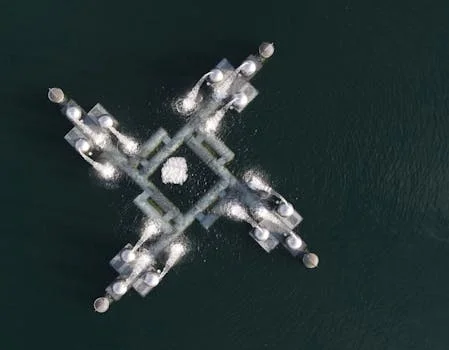
MBR (Membrane Bioreactor) systems achieve superior effluent quality, with 95–98% BOD/COD removal, making them ideal for high-strength wastewater found in food processing, pharmaceuticals, and textile industries. These systems typically consume 0.5–1.0 kWh/m³ of energy and require a compact footprint of 0.3–0.5 m²/m³/day. The process flow for MBR systems generally involves initial screening, followed by an anoxic tank for denitrification, an aerobic tank for organic degradation, and finally, membrane filtration for solid-liquid separation and disinfection. HydropureWater’s MBR systems for high-strength industrial wastewater in Thailand exemplify this technology.
DAF (Dissolved Air Flotation) systems are highly effective for pre-treatment, achieving 85–92% TSS/FOG (Total Suspended Solids/Fats, Oils, and Grease) removal. With energy consumption ranging from 0.2–0.4 kWh/m³ and a small footprint of 0.2–0.3 m²/m³/day, DAF is best suited for industries generating oily or colloidal wastewater, such as metalworking, petrochemicals, and slaughterhouses. The DAF systems for pre-treatment of oily wastewater in Thailand utilize micro-bubbles to float contaminants to the surface for removal.
A/O (Anoxic/Oxic) Biological systems provide robust and cost-effective treatment for municipal sewage and light industrial wastewater, delivering 90–95% BOD removal. These systems operate with 0.3–0.6 kWh/m³ energy use and a footprint of 0.4–0.6 m²/m³/day. The A/O process involves an initial anoxic zone for nitrate reduction, followed by an aerobic zone for organic matter oxidation.
Hybrid Systems (e.g., DAF + MBR) combine multiple technologies to address complex wastewater streams, achieving 98%+ removal efficiencies for challenging industrial effluents like those from pulp & paper or textile manufacturing. While these systems have higher energy consumption (0.7–1.2 kWh/m³) and a larger footprint (0.5–0.8 m²/m³/day), they offer unparalleled treatment capabilities for highly contaminated wastewater.
| WWTP Type | Primary Removal Target | BOD/COD Removal Efficiency | TSS/FOG Removal Efficiency | Energy Use (kWh/m³) | Footprint (m²/m³/day) | Ideal Use Cases |
|---|---|---|---|---|---|---|
| MBR | BOD/COD | 95–98% | >99% | 0.5–1.0 | 0.3–0.5 | Food processing, Pharmaceuticals, High-strength industrial |
| DAF | TSS/FOG | N/A (Pre-treatment) | 85–92% | 0.2–0.4 | 0.2–0.3 | Metalworking, Petrochemicals, Oily wastewater |
| A/O Biological | BOD | 90–95% | 80–90% | 0.3–0.6 | 0.4–0.6 | Municipal sewage, Light industrial, General organic load |
| Hybrid (DAF + MBR) | Complex pollutants | 98%+ | 98%+ | 0.7–1.2 | 0.5–0.8 | Pulp & Paper, Textiles, Very high-strength industrial |
Cost Breakdown: Package Wastewater Treatment Plants in Thailand (2025 Data)
The total cost of a package wastewater treatment plant in Thailand encompasses both Capital Expenditure (CAPEX) and Operational Expenditure (OPEX), with significant variations based on capacity, technology, and supplier origin. As of 2025, CAPEX for package WWTPs ranges from approximately $80,000 to $200,000 for smaller systems treating 10–50 m³/day. Mid-range systems, handling 50–200 m³/day, typically fall between $200,000 and $800,000, while larger installations for 200–500 m³/day can cost from $800,000 up to $2M (USD, FOB Thailand). Operational expenditure (OPEX) is a critical component of the total cost of ownership, with energy accounting for 40–50%, chemicals for 20–30%, labor for 10–15%, and maintenance for 5–10%. For instance, a 100 m³/day MBR system in Thailand can incur an estimated OPEX of around $12,000 per year, reflecting its higher energy and membrane replacement costs compared to simpler biological systems. The Return on Investment (ROI) for package WWTPs is driven by several factors, including the avoidance of IEAT compliance penalties, which can range from THB 500K to 2M per violation, with plant shutdown for repeat offenses (IEAT 2023). Additionally, water reuse initiatives can generate significant savings, estimated at THB 50–150/m³ by reducing reliance on fresh water sources. Facilities connected to central WWTPs can also avoid surcharges, which typically range from THB 20–80/m³ for discharging high-strength wastewater. When comparing suppliers, Thai vendors, including HydropureWater and Kubota Kasui, generally offer 10–20% lower CAPEX due to localized manufacturing and supply chains. However, they may offer less advanced automation features. In contrast, international vendors like GE and Veolia typically charge 20–30% more but often include sophisticated remote monitoring systems and longer warranties, sometimes spanning 5–10 years.| Capacity (m³/day) | Approx. CAPEX Range (USD, 2025 FOB Thailand) | Indicative Annual OPEX (100 m³/day MBR example) | Key ROI Drivers |
|---|---|---|---|
| 10–50 | $80,000 – $200,000 | ~$12,000/year (for 100 m³/day MBR) | Avoided IEAT penalties (THB 500K–2M/violation), Water reuse savings (THB 50–150/m³), Avoided central WWTP surcharges (THB 20–80/m³) |
| 50–200 | $200,000 – $800,000 | ||
| 200–500 | $800,000 – $2,000,000 |
Thailand’s Wastewater Regulations: IEAT and PCD Compliance Checklist
Supplier Selection Framework: How to Choose a Package WWTP Vendor in Thailand
Selecting a package wastewater treatment plant vendor in Thailand requires a systematic evaluation beyond initial cost, focusing on long-term performance, local support, and regulatory compliance expertise. A robust selection framework ensures that the chosen system meets specific operational and environmental requirements while minimizing risks. Technical criteria are paramount in vendor evaluation. Prospective buyers should request detailed data on removal efficiency, ideally supported by pilot test results from similar wastewater profiles, to verify a vendor’s claims. Energy consumption (kWh/m³) and footprint (m²/m³/day) are critical for optimizing operational costs and space utilization, particularly in land-constrained industrial estates. The level of automation, differentiating between advanced PLC-based systems and more manual operations, impacts labor requirements and monitoring capabilities. HydropureWater’s WSZ series underground package plants for Thailand’s industrial estates offer integrated automation for efficient operation. Local support is a non-negotiable factor. The availability of spare parts in Thailand, especially for critical components like MBR membranes or DAF pumps, directly impacts system uptime. Vendors should demonstrate a commitment to rapid 24/7 service response times and offer comprehensive training programs for on-site operators to ensure efficient system management. Compliance expertise is crucial for navigating Thailand’s complex regulatory landscape. The chosen vendor must possess proven experience with IEAT/PCD permitting processes, including EIA preparation and successful partnerships with accredited lab testing facilities such as TISTR or SGS. An understanding of how Tamil Nadu’s package WWTP market compares to Thailand’s, for example, can provide valuable context from vendors with international experience, as detailed in our guide on Package Wastewater Treatment Plants in Tamil Nadu, India. Red flags to avoid include vendors lacking verifiable case studies in Thailand, offering vague performance guarantees without specific effluent quality commitments, or failing to provide credible references from established industrial estates like Amata, WHA, or Hemaraj. A clear understanding of the advantages of buried vs. above-ground package plants: pros and cons for Thailand’s industrial estates is also important for space-constrained sites. When issuing a Request for Proposal (RFP), facilities should include detailed wastewater characterization (BOD, COD, TSS, pH, heavy metals), specified average and peak flow rates, any space constraints, and explicit compliance targets to ensure vendors provide tailored and accurate proposals.Frequently Asked Questions
Q: Does Thailand have sewage treatment plants?
A: Yes, Thailand has over 1,200 central and package wastewater treatment plants, with approximately 60% located in industrial estates (IEAT 2024). Package plants are increasingly popular for decentralized treatment due to their lower costs and faster deployment compared to large-scale central systems.
Q: What is the biggest environmental problem in Thailand?
A: Water pollution from industrial discharge and municipal sewage is a significant environmental challenge in Thailand, with about 40% of surface water bodies classified as 'poor' or 'very poor' quality (PCD 2023). Package WWTPs play a crucial role in helping industries comply with stricter 2025 effluent standards and mitigate this issue.
Q: How much does a package wastewater treatment plant cost in Thailand?
A: Costs for a package wastewater treatment plant in Thailand range from approximately $80,000 for a 10 m³/day system to $2M for a 500 m³/day system (2025 USD, FOB Thailand). MBR systems are typically 15–20% more expensive than DAF or A/O biological systems but offer higher removal efficiencies, achieving 95–98% BOD/COD removal.
Q: What are the IEAT wastewater standards in Thailand?
A: IEAT’s 2025 standards require effluent to meet stringent limits: BOD ≤ 20 mg/L, COD ≤ 120 mg/L, TSS ≤ 30 mg/L, pH between 5.5–9.0, and oil & grease ≤ 5 mg/L. For sensitive environmental zones, the Pollution Control Department (PCD 2022) imposes additional limits for nutrients like total nitrogen (TN ≤ 40 mg/L) and total phosphorus (TP ≤ 5 mg/L), particularly in areas like the Chao Phraya River basin.
Q: Can package WWTPs handle high-strength industrial wastewater?
A: Yes, advanced package WWTPs, especially hybrid systems combining technologies like DAF and MBR, are specifically designed to treat high-strength industrial wastewater. These systems can effectively handle influent with BOD up to 5,000 mg/L and COD up to 10,000 mg/L. For example, a pulp & paper plant in Rayong utilizes a 300 m³/day hybrid system from HydropureWater (2024) to achieve over 98% COD removal.