Package Wastewater Treatment Plants in Tamil Nadu, India: 2025 Engineering Guide with Costs, Compliance & Supplier Checklist
Package wastewater treatment plants in Tamil Nadu offer a compact, turnkey solution for industrial and municipal effluent, with capacities ranging from 5 KLD (₹12L) to 500 KLD (₹45L) in 2025. These systems combine biological treatment (MBBR, SBR, or MBR) with sedimentation and disinfection in a single skid-mounted or underground unit, achieving TNPCB compliance (BOD < 10 mg/L, TSS < 20 mg/L) without civil construction. Key advantages include 60% smaller footprint than conventional plants and 30–40% lower capital costs, but suppliers vary widely in after-sales support and certification (e.g., ISO 9001, CE marking). This guide provides technical specs, cost benchmarks, and a vetted supplier checklist for Chennai, Coimbatore, and Madurai projects.Why Tamil Nadu’s Industries Are Switching to Package Wastewater Treatment Plants
Tamil Nadu's stringent environmental regulations, particularly the TNPCB’s 2024 enforcement drive, are compelling industrial units to adopt efficient wastewater treatment solutions, with 127 industrial units in Coimbatore and Tirupur issued closure notices for non-compliance in the past year (TNPCB Annual Report 2023–24). The increasing pressure from the Tamil Nadu Pollution Control Board (TNPCB) for treated effluent discharge has made package wastewater treatment plants a vital investment for industries, hospitals, and residential townships. For instance, a textile dyeing unit in Erode successfully reduced its Biochemical Oxygen Demand (BOD) from an influent level of 350 mg/L to less than 10 mg/L using a 200 KLD Moving Bed Biofilm Reactor (MBBR) package plant, thereby avoiding an estimated ₹1.2 crore in annual penalties. Key drivers for this shift include Zero Liquid Discharge (ZLD) mandates, which are becoming increasingly prevalent for industries like tanneries, pharmaceuticals, and food processing, especially in water-stressed regions. Additionally, space constraints in rapidly urbanizing industrial parks such as Oragadam and Sriperumbudur make compact solutions essential. Package plants offer approximately 30% lower capital costs compared to conventional wastewater treatment plants, primarily due to significantly reduced civil work and faster installation times—typically 4–6 weeks versus 6–12 months for traditional builds. This accelerated deployment minimizes project delays and allows facilities to achieve compliance more quickly, mitigating the risk of regulatory fines and operational shutdowns.Package Wastewater Treatment Plants: How They Work and Key Components
| Component | Function | Typical Parameters/Efficiency |
|---|---|---|
| Screening | Removes large solids, protects equipment | Rotary drum (1–3 mm gap), 90% TSS removal (for 500 mg/L influent) |
| Equalization Tank | Balances flow and pollutant loads | 4–6 hours retention time for industrial effluent |
| Biological Reactor | Breaks down organic pollutants (BOD/COD) | MBBR media (300–500 m²/m³ SA), SBR (4–8 hr cycles) |
| Secondary Clarifier | Separates biomass from treated water | Gravity settling, typically 2–4 hours retention |
| Disinfection | Kills pathogens | UV (30 mJ/cm² for 99.9% kill), Chlorine/ClO₂ automated dosing |
MBBR vs. SBR vs. MBR: Which Technology Fits Your Tamil Nadu Project?
Selecting the optimal biological treatment technology for a package wastewater treatment plant in Tamil Nadu hinges on critical factors such as influent characteristics, available space, and budget, with MBBR, SBR, and MBR systems offering distinct advantages. Each technology is suited for different applications, from small residential townships to large industrial parks in Chennai, Coimbatore, or Madurai.MBBR (Moving Bed Biofilm Reactor):
- Pros: MBBR systems are known for their compact footprint, often 50% smaller than SBR plants, making them ideal for urban sites with limited space. They handle variable loads effectively, which is beneficial for industries with fluctuating effluent discharge, such as seasonal textile effluent. Additionally, MBBRs produce relatively low sludge (0.2–0.3 kg TSS/kg BOD removed).
- Cons: Generally, MBBRs have a higher capital cost (₹18L–₹25L for a 100 KLD unit) compared to SBRs. The media used in MBBRs typically requires replacement every 8–10 years, adding to long-term operational expenses.
- Ideal for: Industrial parks, hotels, and hospitals with space constraints and variable influent quality. A 300 KLD MBBR for a food processing unit in Coimbatore, for instance, effectively manages fluctuating organic loads.
SBR (Sequencing Batch Reactor):
- Pros: SBRs typically have a lower capital cost (₹12L–₹20L for a 100 KLD unit) and offer simpler operation. They are well-suited for small communities and facilities ranging from 50 KLD to 200 KLD.
- Cons: SBRs require a larger footprint than MBBR or MBR systems. They can be sensitive to shock loads, necessitating a robust equalization tank for industrial effluent to maintain consistent performance.
- Ideal for: Residential townships, schools, and small industries with more consistent wastewater loads. A 100 KLD SBR for a leather tannery in Dindigul achieved consistent COD compliance.
MBR (Membrane Bioreactor):
- Pros: MBR systems produce near-reuse quality effluent, often achieving TSS less than 1 mg/L and turbidity below 0.2 NTU, making them ideal for ZLD projects and direct water reuse in Tamil Nadu industries. They boast a significantly smaller footprint (up to 60% smaller than conventional systems).
- Cons: MBRs have the highest capital cost (₹25L–₹40L for a 100 KLD unit). Membrane replacement is required every 5–7 years, which can be a substantial expense (₹5L–₹8L per 100 m² of membrane area).
- Ideal for: Pharmaceuticals, food processing, and other industries where high-quality treated water is required for process reuse or stringent TNPCB compliance. MBR systems for TNPCB compliance and water reuse projects are increasingly popular.
Influent parameters are critical in dictating technology choice:
- BOD/COD ratio: MBBRs can effectively handle lower BOD/COD ratios (e.g., <0.5, common in textile effluent), while SBRs are often preferred for higher ratios (e.g., >0.5, typical of domestic sewage).
- TSS: For very high influent TSS (>500 mg/L, such as pulp and paper effluent), MBR systems might be considered due to their superior filtration capabilities, though robust pre-treatment is always essential.
- Space: MBBR or MBR are preferred for urban sites with limited land, while SBR can be a cost-effective option for rural areas with more available space.
| Feature | MBBR (Moving Bed Biofilm Reactor) | SBR (Sequencing Batch Reactor) | MBR (Membrane Bioreactor) |
|---|---|---|---|
| Footprint | Compact (50% smaller than SBR) | Larger | Very Compact (60% smaller than conventional) |
| Capital Cost (100 KLD) | ₹18L–₹25L | ₹12L–₹20L | ₹25L–₹40L |
| Effluent Quality | Good (BOD <10 mg/L, TSS <20 mg/L) | Good (BOD <10 mg/L, TSS <20 mg/L) | Excellent (TSS <1 mg/L, Turbidity <0.2 NTU) |
| Load Variability | High tolerance | Sensitive (needs equalization) | High tolerance |
| Sludge Production | Low (0.2–0.3 kg TSS/kg BOD) | Moderate | Low (high MLSS concentration) |
| Maintenance | Media replacement (8-10 years) | Simple operation, minimal parts | Membrane cleaning/replacement (5-7 years) |
| Ideal For | Industrial parks, hotels, hospitals | Residential townships, small industries | Pharmaceuticals, food processing, water reuse |
2025 Cost Benchmarks for Package Wastewater Treatment Plants in Tamil Nadu
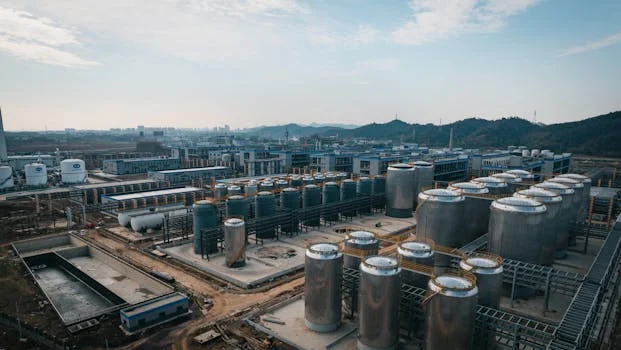
Capital Cost Breakdown by Capacity (2024–25, inclusive of GST, installation, and commissioning):
- 50 KLD: ₹12L–₹18L (MBBR), ₹9L–₹14L (SBR)
- 100 KLD: ₹18L–₹25L (MBBR), ₹12L–₹20L (SBR), ₹25L–₹35L (MBR)
- 200 KLD: ₹30L–₹40L (MBBR), ₹20L–₹32L (SBR), ₹40L–₹55L (MBR)
- 500 KLD: ₹45L–₹65L (MBBR), ₹35L–₹55L (SBR), ₹65L–₹90L (MBR)
Hidden Costs to Consider:
- Civil Work: An additional ₹2L–₹5L is typically required for foundation, plinth, and a protective shed, which is usually not included in the package plant cost.
- Electrical: Expect to allocate ₹1L–₹3L for the electrical panel, wiring, and motor connections, with costs varying based on the level of automation and power requirements.
- Permits: Securing TNPCB consent to establish (CTE) and consent to operate (CTO) permits can cost ₹50K–₹2L, depending on the project size and category.
- Annual Maintenance Contract (AMC): An AMC for a 100 KLD plant typically ranges from ₹1.5L–₹4L per year, covering routine maintenance, media replacement (for MBBR), membrane cleaning (for MBR), and spare parts.
Return on Investment (ROI) Calculation:
Investing in a compliant package wastewater treatment plant offers significant financial returns. For example, a 100 KLD MBBR plant operating in a region with high water scarcity and strict enforcement could save ₹8L–₹12L annually. This calculation assumes an avoided penalty of ₹5L per year for non-compliance and a water reuse cost saving of ₹100/m³ (for 30% reuse of 100 KLD treated water, equating to 30 m³/day * 300 days/year * ₹100/m³ = ₹9L/year). This illustrates how Tamil Nadu’s package plant market compares to Southeast Asia, where similar ROI calculations often drive adoption.Financing Options:
Several financing options are available for industrial and municipal buyers. Public sector banks like SBI and Canara Bank offer project loans at competitive interest rates (typically 8–10%). the Tamil Nadu government provides subsidies for Micro, Small, and Medium Enterprises (MSMEs), which can cover up to 30% of the total project cost for environmental infrastructure, making these investments more accessible.| Capacity (KLD) | MBBR (₹ Lakhs) | SBR (₹ Lakhs) | MBR (₹ Lakhs) | Estimated Annual AMC (₹ Lakhs) |
|---|---|---|---|---|
| 50 | 12–18 | 9–14 | N/A (typically not for MBR) | 1.0–2.5 |
| 100 | 18–25 | 12–20 | 25–35 | 1.5–4.0 |
| 200 | 30–40 | 20–32 | 40–55 | 3.0–6.0 |
| 500 | 45–65 | 35–55 | 65–90 | 6.0–12.0 |
| Note: Costs are approximate, subject to change, and exclude civil work, electrical, and permitting. | ||||
TNPCB Compliance Checklist for Package Wastewater Treatment Plants
Achieving TNPCB compliance for package wastewater treatment plants requires adherence to specific effluent quality norms and a structured permitting process, with industrial effluent often needing to meet a BOD of less than 10 mg/L and TSS of less than 20 mg/L (per TNPCB Circular No. 12/2023). These stringent requirements necessitate careful design and operation, ensuring that treated wastewater is safe for discharge or reuse. Comparing how Tamil Nadu’s norms compare to other Indian states highlights the state's rigorous approach.Effluent Quality Norms (per TNPCB Circular No. 12/2023):
- BOD: < 10 mg/L (for industrial discharge to land/surface water), < 30 mg/L (for domestic sewage)
- COD: < 50 mg/L (for industrial discharge), < 250 mg/L (for domestic sewage)
- TSS: < 20 mg/L (for all sectors)
- pH: 6.5–8.5
- Oil & Grease: < 10 mg/L
- Ammoniacal Nitrogen: < 50 mg/L (specifically for industrial effluent)
Permitting Process for TNPCB Consent:
- Step 1: Consent to Establish (CTE): Before construction, facilities must submit a detailed application including site plan, process flow diagram, and an Environmental Impact Assessment (EIA) report for plants larger than 25 KLD. This typically takes 60–90 days for approval.
- Step 2: Consent to Operate (CTO): After installation and commissioning, facilities must submit test reports from a TNPCB-approved laboratory (e.g., Tamil Nadu Water Supply and Drainage Board) demonstrating compliance with effluent norms. The CTO process generally takes 30–45 days.
Actionable Design Requirements:
- Equalization Tank: For industrial effluent with variable flow and pollutant loads, an equalization tank with 4–6 hours retention time is crucial to prevent shock loads to the biological treatment unit.
- Sludge Handling: Sludge dewatering is mandatory to achieve greater than 20% solids content. TNPCB strictly rejects the disposal of liquid sludge. Filter presses for sludge dewatering to 20%+ solids are commonly employed for this purpose.
- Online Monitoring: For package plants exceeding 100 KLD capacity, online monitoring systems for pH, TSS, and flow are mandatory, with data logging capabilities to ensure continuous compliance and transparency.
Common Compliance Pitfalls:
- Underestimating Influent Variability: Industries like textile dyeing often have highly variable influent (e.g., 1,000–3,000 mg/L COD), which can overwhelm a system not designed for such fluctuations.
- Skipping Equalization Tanks: For industrial effluent, omitting or undersizing equalization tanks is a common error that leads to inconsistent treatment and non-compliance.
- Disinfection Method: While chlorine is effective, TNPCB often prefers safer disinfection alternatives like UV or automated dosing systems for chlorine dioxide (ClO₂) over chlorine gas due to safety concerns. Automated dosing systems for pH adjustment and nutrient balancing are also critical for stable biological treatment.
| Parameter | Industrial Effluent (Discharge to Land/Surface Water) | Domestic Sewage |
|---|---|---|
| BOD (mg/L) | < 10 | < 30 |
| COD (mg/L) | < 50 | < 250 |
| TSS (mg/L) | < 20 | < 20 |
| pH | 6.5–8.5 | 6.5–8.5 |
| Oil & Grease (mg/L) | < 10 | < 10 |
| Ammoniacal Nitrogen (mg/L) | < 50 | N/A |
Vetted Suppliers for Package Wastewater Treatment Plants in Tamil Nadu
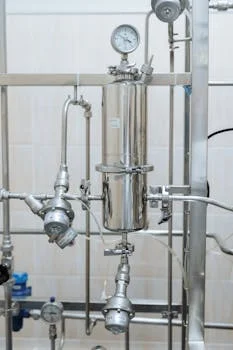
Selection Criteria for Reliable Suppliers:
- ISO 9001 certification for quality management.
- Minimum of 5 years of operational experience in Tamil Nadu.
- Track record of 10+ completed projects in similar industries/capacities.
- Robust Annual Maintenance Contract (AMC) support and local service centers.
- Demonstrated ability to achieve and maintain TNPCB compliance for their installations.
Vetted Supplier Shortlist (2025):
- Elite Water Solutions (Chennai): A prominent player with over 100 projects across Tamil Nadu, offering a range of MBBR, SBR, and MBR options. They are noted for their 24/7 AMC support. A notable project includes a 200 KLD MBBR for a textile park in Tirupur, consistently achieving BOD < 10 mg/L.
- SUSBIO (Chennai): Specializes in IoT-enabled package plants with capacities from 50–500 KLD, focusing on water reuse and smart operation. Their 150 KLD MBR for a pharmaceutical unit in Oragadam achieved stringent ZLD compliance.
- IDE Technologies (Chennai): Known for large-scale municipal projects and advanced treatment technologies like ozonation for disinfection. Their work on the Koyambedu Plant (16 MLD) in Chennai showcases 99% water reuse capabilities.
- HydropureWater (Hangzhou, China): Exports high-quality MBBR and MBR systems to Tamil Nadu through established local partners. They offer competitive pricing (e.g., ₹15L for a 100 KLD MBBR). A key reference is their 300 KLD MBBR for a food processing unit in Coimbatore. HydropureWater also offers underground package plants for Tamil Nadu’s urban industrial parks, optimizing space.
- Aquatech Systems Asia (Chennai): Provides customized solutions, particularly for challenging industrial effluents from tanneries and textiles, with over 30 projects in Tamil Nadu. A notable achievement is a 100 KLD SBR for a leather tannery in Dindigul, consistently meeting COD < 50 mg/L.
Red Flags in Supplier Selection:
- Absence of TNPCB-approved test reports for effluent quality from their past projects.
- Lack of local service centers or a strong presence in Tamil Nadu, leading to delayed support (e.g., suppliers based solely in Delhi/Mumbai).
- Limited or no references from similar industries or applications; a supplier with only municipal experience might not be suitable for complex industrial projects.
When initiating the Request for Proposal (RFP) process, ensure it includes detailed technical specifications (capacity, technology, compliance norms), clear commercial terms (payment milestones, AMC details), and a requirement for site visits to operational plants.
Frequently Asked Questions
Understanding common inquiries about package wastewater treatment plants in Tamil Nadu can streamline the selection and procurement process for industrial and municipal stakeholders.How many water treatment plants are there in Tamil Nadu?
As of 2024, Tamil Nadu has 68 municipal sewage treatment plants (STPs) with a total capacity of 1,200 MLD, in addition to over 200 industrial package plants (source: TNPCB Annual Report 2023–24). The largest municipal facility is the Koyambedu Plant in Chennai (16 MLD), while most industrial package plants range from 50–500 KLD.What is a wastewater package plant?
A wastewater package plant is a pre-engineered, skid-mounted system that integrates multiple treatment stages, including biological treatment (e.g., MBBR, SBR), sedimentation, and disinfection, into a single compact unit. It is designed for rapid deployment (typically 4–6 weeks) and minimal civil work, making it an efficient solution for industrial parks, hospitals, and residential townships in Tamil Nadu requiring compliant effluent discharge.Where is the largest wastewater treatment plant in India?
The largest wastewater treatment plant in India is the Okhla STP in Delhi, with a capacity of 564 MLD. In Tamil Nadu, the largest is the Koyambedu Plant in Chennai, which has a capacity of 16 MLD and utilizes advanced ozonation for disinfection, achieving an impressive 99% water reuse rate.How much does it cost to build a water treatment plant in India?
Costs for wastewater treatment plants in India vary significantly by capacity and technology:- 50 KLD package plant: ₹12L–₹18L (MBBR), ₹9L–₹14L (SBR)
- 100 KLD package plant: ₹18L–₹35L (depending on MBBR, SBR, or MBR technology)
- 500 KLD package plant: ₹45L–₹90L
- Conventional Municipal STP (1 MLD): ₹3Cr–₹5Cr (for activated sludge technology)
Related Equipment
- underground package plants for Tamil Nadu’s urban industrial parks — view specifications, capacity range, and technical data
- MBR systems for TNPCB compliance and water reuse projects — view specifications, capacity range, and technical data
- automated dosing systems for pH adjustment and nutrient balancing — view specifications, capacity range, and technical data
- filter presses for sludge dewatering to 20%+ solids — view specifications, capacity range, and technical data
Need a customized solution? Request a free quote with your specific flow rate and pollutant parameters.