
Why Tannery Sludge Is the Hardest Industrial Sludge to Handle
A typical tannery processing 5,000 m³/d of wastewater co-generates 15–25 tonnes DS/d of mixed chemical and biological sludge — roughly 3–5 kg DS per cubic metre of effluent treated. That figure is 2–4× the sludge yield of a comparable municipal plant, and the material itself behaves nothing like municipal biosolids. Tannery sludge is a non-homogeneous blend of chrome hydroxides, sulfide precipitates, lime flocs, protein hydrolysates from the beamhouse, and biological excess sludge from the activated sludge stage. Composition swings hour-by-hour with the production schedule: a batch going through chrome tanning at 10:00 delivers a different precipitate profile than a liming batch at 14:00.
Three properties make the sludge uniquely difficult. First, primary chrome sludge routinely contains 5,000–50,000 mg/kg DS total chromium — enough to push the waste above hazardous thresholds under India CPCB (2024), EU Waste Framework Directive 2008/98/EC, and China GB 34330-2017. Second, beamhouse liquors carry 500–3,000 mg/L sulfide; if sent forward untreated, that sulfide ends up in the primary sludge as FeS and releases H₂S during handling. Third, pH in the segregated streams ranges from 2 (chrome tanning) to 12 (liming), which complicates any blended conditioning strategy and forces corrosion-resistant materials — PP, FRP, rubber-lined carbon steel, or 316L stainless — on every wetted surface. The organic fraction is high (VS/TS 40–65%), so the cake is biodegradable and odorous within 24–48 hours of storage, which sets the design constraint: dewater fast, then move the cake out.
These three factors — chrome load, sulfide, and pH — are the reason a standard municipal-sludge process train (gravity thickener → anaerobic digester → centrifuge → land application) fails in a tannery. The process that follows adapts each step to those constraints.
Source Reduction: Cutting Sludge Volume Before It Reaches the Treatment Plant
The cheapest kilogram of sludge is the one never produced. Source reduction at the beamhouse and chrome-tanning stations typically cuts primary chemical sludge by 40–60% and total sludge to be dewatered by 25–40%, and in most cases pays back in 18–36 months through reduced reagent consumption, lower hauling fees, and avoided CAPEX on the dewatering train (HydropureWater field data, 2025-2026).
Four interventions deliver the bulk of the savings. Chrome recovery via direct precipitation with MgO (or NaOH at controlled pH 8.0–8.5) recovers more than 90% of chromium from spent tanning liquors; the recovered Cr(OH)₃ cake is re-dissolved in sulfuric acid and re-used in the tanning bath, eliminating the largest single metal-bearing waste stream. Sulfide oxidation of beamhouse hair-destroying liquors with H₂O₂ (1.0–1.2× stoichiometric demand) or Mn-catalyzed O₂ air-oxidation converts S²⁻ to SO₄²⁻ or elemental sulfur before the stream reaches primary treatment, which removes the sulfide-laden primary sludge entirely and cuts H₂S risk at the thickener. Hair-save liming recovers intact hair as a saleable byproduct (fertilizer, felt, or amino-acid feedstock) and reduces COD load to the wastewater plant by 30–50% because dissolved proteins and keratin hydrolysates stay out of the liquor. Segregated stream equalization — keeping beamhouse high-pH, chrome low-pH, and biological effluent in separate holding tanks before blending — prevents the cross-precipitation that bloats chemical sludge when acid and alkaline streams meet uncontrolled in the sewer.
The order matters. Chrome and sulfide recovery should be commissioned before the sludge train is sized, because each 1% reduction in primary chemical sludge roughly cuts downstream CAPEX by 0.8–1.2% (filter press area, polymer dosing skid, cake handling).
Sludge Characterization and Stream Segregation
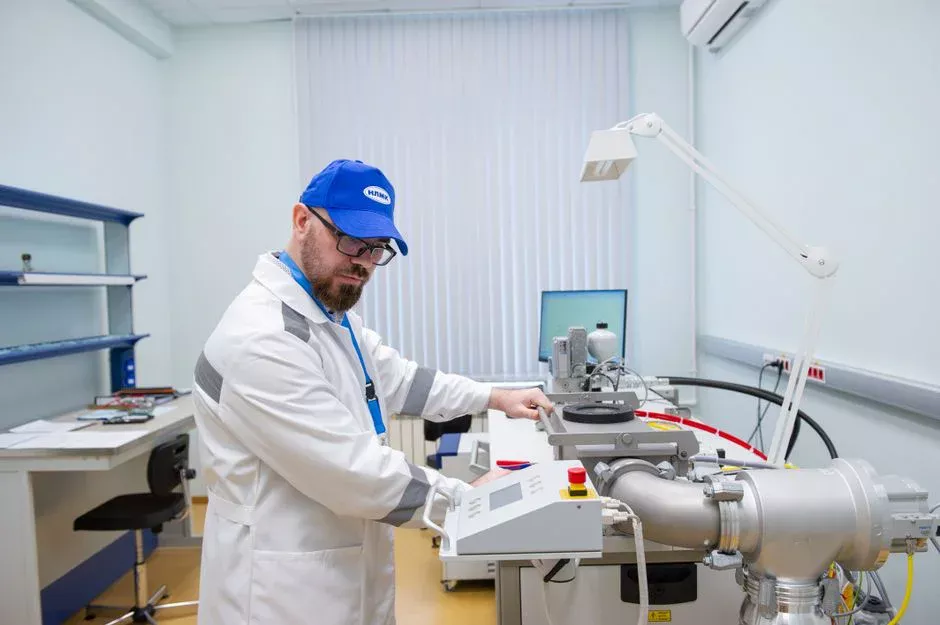
Design the dewatering train against measured data, not against textbook averages. Tannery sludge composition is site-specific enough that quarterly characterization of each segregated stream is a non-negotiable first step. Sample at the discharge of each upstream unit — DAF underflow for primary chemical sludge, secondary clarifier underflow for biological waste activated sludge, and the chrome precipitation tank for chrome sludge — and run the panel below before any equipment is selected.
| Parameter | Primary chemical sludge (DAF) | Biological WAS | Chrome precipitation sludge |
|---|---|---|---|
| Total solids (TS) | 4–8% | 0.8–1.5% | 2–5% |
| Volatile solids (% of TS) | 30–45% | 60–75% | 15–30% |
| pH | 7.0–9.5 | 6.8–7.6 | 8.0–9.0 |
| Total chromium (mg/kg DS) | 800–5,000 | <200 | 50,000–150,000 |
| Sulfide (mg/L, as S²⁻) | 50–400 | <10 | <20 |
| Chloride (mg/L) | 2,000–8,000 | 500–1,500 | 1,000–3,000 |
Two decisions follow from the characterization. First, set a blending rule: if mixed-stream Cr is below the local hazardous threshold (commonly 1,000–2,500 mg/kg DS depending on jurisdiction — see disposal section) and the receiving disposal route accepts blended cake, blend and dewater in a single train to halve equipment count. If the chrome stream exceeds threshold, keep it segregated and route it to a dedicated handling line. Second, run a jar test for conditioner selection — test cationic polyacrylamide (C-PAM) at 2, 3, 5, and 8 g/kg DS, with and without lime or poly-aluminum chloride (PAC) coagulant, on each stream. The jar that delivers the lowest capillary suction time (CST) wins; over- or under-dosing both show up in CST before they show up in the press.
Thickening and Chemical Conditioning
Thickening lifts the sludge from its generated concentration (0.8–8% TS) to a feed that the dewatering device can handle (4–7% TS), and conditioning makes the flocs rigid enough to release water in the press. Three thickener geometries are viable, and the choice is set by the sludge type and the site footprint.
| Thickener type | Outlet TS | Best fit | Polymer demand (g/kg DS) |
|---|---|---|---|
| Gravity thickener | 4–6% | Biological WAS; large footprint available | 0–2 |
| Dissolved air flotation (DAF) | 4–7% | Floatable chemical/biological mix; small footprint | 2–5 |
| Drum thickener | 3–6% | Low footprint, high polymer tolerance | 4–8 |
A DAF thickener for tannery sludge pre-concentration is the most common pick in retrofits because the same unit that handles the primary chemical sludge in the wastewater train can be reconfigured as a sludge thickener with an adjusted recycle ratio (20–40%). Conditioning chemistry is dominated by cationic polyacrylamide: charge density 40–80%, molecular weight 8–12 MDa, dose 2–8 g/kg DS, mixed in an automatic polymer dosing system for sludge conditioning that ages the stock solution 30–60 minutes before the point of application. For chrome sludge, drop pH to 6.5–7.5 with poly-aluminum chloride (PAC, 50–150 mg/L) or lime to neutralize residual alkalinity before the polymer — outside that band, C-PAM demand roughly doubles. A Fenton pre-treatment step (Fe²⁺ 50–100 mg/L + H₂O₂ 100–300 mg/L, 30-min contact) breaks protein and sulfide complexes on refractory streams and reduces downstream conditioner demand by 20–30% (HydropureWater field data, 2025).
One operational trap: over-mixing destroys flocs. Keep inline dynamic-mixer residence time to 30–60 seconds, and verify with CST before and after the mixer — a 30% rise in CST after the mixer means the floc is being sheared and the press will underperform.
Mechanical Dewatering: Filter Press vs Centrifuge vs Belt Press
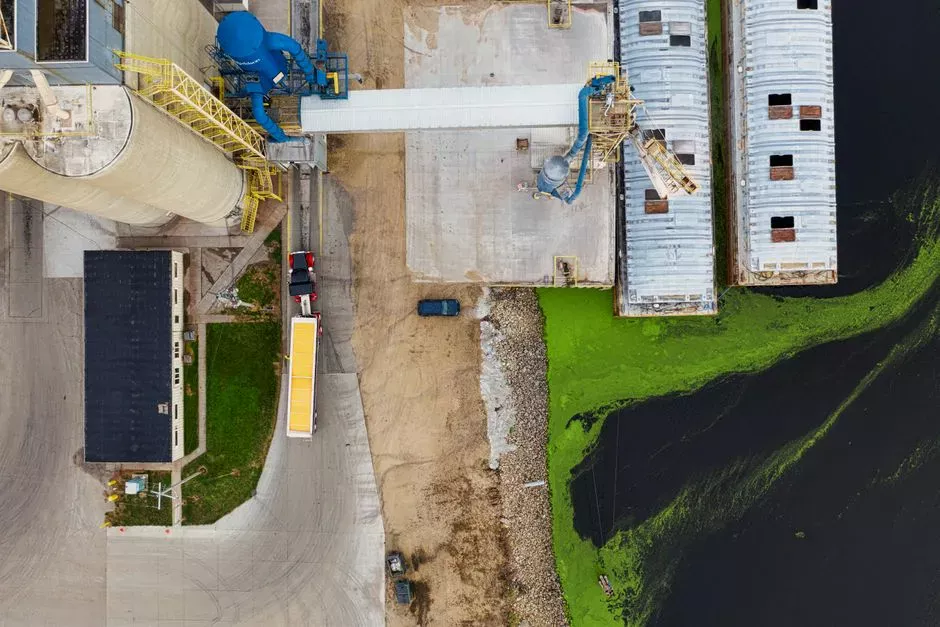
The dewatering device is the most capital-intensive decision in the train, and the wrong pick shows up for the next 15–20 years in either hauling fees or polymer cost. Tannery mixed sludge is unforgiving — high chrome and sulfide load, variable VS, and frequent pH swings — so the comparison below is tuned to that profile, not to municipal biosolids.
| Technology | Cake DS | Operation | CAPEX (USD, 2026) | Polymer demand | Best fit for tannery sludge |
|---|---|---|---|---|---|
| Plate-and-frame filter press | 28–38% | Batch, 4–8 cycles/h | $80,000–$600,000 (50–500 m²) | 4–8 g/kg DS | Primary choice for mixed and chrome-bearing sludge; lowest cake moisture; handles variability |
| Decanter centrifuge | 22–28% | Continuous | $150,000–$900,000 | 3–6 g/kg DS | Second choice; sensitive to chrome/sulfide variability; 30–60 kW at 20–40 m³/h |
| Belt filter press | 18–25% | Continuous | $60,000–$300,000 | 3–5 g/kg DS | Biological-only sludge; struggles with chemical and high-VS streams |
| Volute / screw press | 20–28% | Continuous | $40,000–$180,000 | 2–4 g/kg DS | Smaller tanneries (<30 m³/d sludge); very low wash water and power demand |
Selection rule: if the disposal route requires cake at or below 60% moisture (60–72% moisture means 28–40% DS — typical for hazardous landfill, cement kiln co-processing, or chrome recovery), specify a plate-and-frame filter press for tannery sludge dewatering. If the cake can go to drying beds or a non-hazardous landfill at 72–82% moisture (18–28% DS), a decanter centrifuge or belt press cuts CAPEX by 30–50% at the cost of higher polymer and hauling volume. For most tanneries producing mixed chemical + biological sludge, the filter press wins on total cost of ownership over a 10-year horizon despite higher polymer use, because the moisture reduction (10–15 percentage points of DS) cuts wet-tonnage disposal cost faster than polymer spend adds up. Operators struggling to hit published cake-dryness targets should review troubleshooting poor cake dryness on the dewatering press before re-capitaling — most underperformance is polymer or feed consistency, not press capacity.
Dewatered Cake Handling and Final Disposal Pathways
The disposal decision is driven by chromium speciation, not by cake dryness alone, and the regulatory bar is moving up across every major producing region in 2026. Four pathways cover the practical range; the table maps them to the standards that govern eligibility.
| Pathway | Eligibility (typical) | 2026 cost (USD/t wet cake) | Governing standard |
|---|---|---|---|
| Secure hazardous landfill | Cr > 2,000 mg/kg DS or local limit exceeded | $80–$250 | India CPCB tannery effluent norms (2024 amendment); EU Waste Framework Directive 2008/98/EC; China GB 34330-2017 |
| Cement kiln co-processing | Cr immobilised in clinker; organics destroyed | $40–$120 (region-dependent) | EU BREF for Tanning of Hides and Skins (2023); India CPCB 2024 (co-processing accepted); China GB 30486-2013 + 2025 provincial enforcement |
| Chrome recovery from cake | Cr > 5% of DS, scale ≥ 5 t DS/d | Capital recovery, OPEX $20–$60/t | EU BREF TAN 2023 best practice; ZDHC MRSL 3.1 (2024) |
| Composting / land application | Biological-only, low metal, low salt | $15–$50 | Not applicable to chrome-bearing streams under 2026 norms |
Two practical points. First, cement kiln co-processing has become cost-competitive with landfill in India, China, and parts of the EU under BREF TAN 2023, and it eliminates the long-term liability of landfilled chrome — but the kiln must pre-qualify the waste stream, and chloride loading above 2–3% of feed can upset clinker chemistry. Second, chrome recovery from cake via acid leaching (H₂SO₄ at pH 1.5–2.0) plus NaOH re-precipitation delivers a 2–4 year payback for medium-to-large tanneries (≥ 5 t DS/d) when chromium price is at 2025–2026 levels; for sub-scale tanneries, hauling remains cheaper than a recovery loop. Always check 2026 global BOD and COD discharge compliance limits for tanneries alongside the sludge rule — the wastewater discharge permit and the sludge disposal permit are reviewed together by regulators.
2026 Cost Benchmark and Implementation Checklist
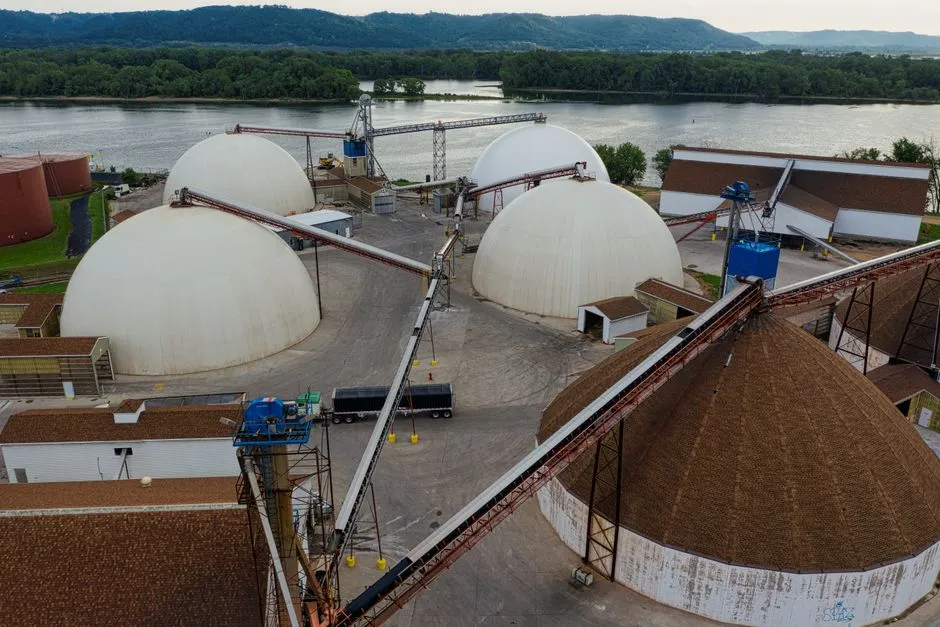
For a reference 5,000 m³/d tannery (≈ 20 t DS/d of mixed sludge), the 2026 CAPEX for a complete train — gravity or DAF thickener, polymer conditioning skid, plate-and-frame filter press, enclosed cake conveyor, and odor control — runs $1.2–$2.5 million USD depending on automation level and material of construction (316L versus rubber-lined carbon steel adds 15–25%). OPEX is dominated by polymer and disposal: polymer $0.04–$0.09 per kg DS, power $0.02–$0.05, labor $0.03–$0.06, disposal $0.08–$0.25 — totals $0.20–$0.45 per kg DS treated, or roughly $1,500–$3,200 per day at 20 t DS/d (HydropureWater field benchmarks, 2026). Operators looking to compress the OPEX line should review sludge thickening cost reduction strategies for 2026.
Implementation sequence that holds up at commissioning:
- Characterize all sludge streams with quarterly sampling for at least one full production cycle (typically 3 months) — TS, VS, pH, Cr(total), Cr(VI), sulfide, chloride.
- Jar-test conditioners per stream; lock the polymer grade and dose before any equipment order is signed.
- Pilot the selected dewatering device on-site for 30+ days, including a worst-case high-chrome batch, before committing CAPEX.
- Specify materials of construction for the full pH range encountered: 316L stainless, PP, FRP, or rubber-lined carbon steel as appropriate.
- Install enclosed cake conveyors and odor control (biofilter or wet scrubber) — open cake handling is a regulatory red flag under EU BREF TAN 2023 and India CPCB 2024.
- Contract the disposal route and confirm the receiving site's permit before commissioning; a filter press with no off-taker is a stranded asset.
For facilities planning an upgrade in 2026, prioritize source reduction and stream segregation first — those interventions typically deliver 2–5 year payback through reduced downstream CAPEX and OPEX, and they shrink the dewatering device the engineer eventually specifies.
Frequently Asked Questions
What is the typical sludge yield from a tannery wastewater treatment plant?
Tannery wastewater plants generate 3–5 kg DS per m³ of effluent treated, versus 0.05–0.10 kg DS/m³ for municipal plants — roughly 30–80× higher on a volumetric basis. A 5,000 m³/d tannery therefore co-generates 15–25 tonnes DS/d of mixed chemical and biological sludge.
What cake dryness can a plate-and-frame filter press achieve on tannery sludge?
On conditioned mixed tannery sludge, a plate-and-frame filter press routinely achieves 28–38% DS (62–72% moisture), with 30–34% DS as the typical operating range. Cake above 35% DS usually requires either higher polymer dose (8–10 g/kg DS) or a Fenton pre-treatment step on refractory streams.
What cationic polyacrylamide dose is required for tannery sludge dewatering?
C-PAM charge density 40–80%, molecular weight 8–12 MDa, dose 2–8 g/kg DS, with 4–6 g/kg DS typical on mixed primary chemical + biological sludge. Chrome sludge at high pH may need pH correction to 6.5–7.5 with poly-aluminum chloride (50–150 mg/L) before the polymer to bring demand back into the lower end of that range.
What are the 2026 regulatory limits that govern tannery sludge disposal?
The 2026 framework centers on India CPCB tannery effluent norms (2024 amendment), EU BREF for Tanning of Hides and Skins (2023), China GB 30486-2013 with 2025 provincial enforcement updates, and ZDHC MRSL 3.1 (2024) for brand-driven supply chains. Hazardous-waste thresholds for chromium are typically 2,000–2,500 mg/kg DS, with chloride and sulfide limits tightening in coastal jurisdictions.
Related Equipment
- lamella clarifier for primary chemical sludge pre-thickening — specifications, capacity range, and technical data