Why Sludge Thickening OPEX Is the Cheapest Line to Attack in 2026
Sludge thickening sits upstream of every costly downstream step in the sludge train, which is why a small percentage-point gain at this stage produces an outsized reduction in total OPEX. A typical thickening stage receives 0.5–2% dry solids (DS) from primary or biological clarification and discharges 4–9% DS to dewatering — the post-thickening target most operators aim for is 90–95% water content as a starting specification (per a 2024 European disposal-cost review). The cost cascade is steep: lifting thickened DS from 5% to 6.5% on a 20,000 m³/day plant producing ~25 t DS/day cuts dewatering energy 8–12%, polymer dose on the dewatering unit 5–15%, and hauling volume in direct proportion to the moisture removed. The 2026 OPEX anchors used in this article are cationic polyacrylamide (PAM) at $2.8–$4.5/kg active and industrial electricity at $0.08–$0.14/kWh. Polymer alone typically represents 40–60% of the variable bill at the thickening stage, making it the first lever a budget-conscious plant should pull; the remaining levers — energy, wash-water, and labor — fill out the rest of the picture in the sections that follow. For a full plant-level breakdown, see this industrial wastewater OPEX breakdown for 2026.
The Four Thickener Technologies Compared: CAPEX, Footprint, and Solids Output
Thickener selection is the single largest procurement decision a plant makes on the sludge line. The four families in service today — gravity belt (GBT), rotary drum (RDT), dissolved air flotation (DAF), and centrifuge — answer different priorities. The matrix below consolidates 2026 industry-typical ranges; OEM data sheets should be substituted where a project requires a defensible figure for a board submission.
| Parameter | Gravity Belt Thickener (GBT) | Rotary Drum Thickener (RDT) | DAF Thickener | Centrifuge Thickener |
|---|---|---|---|---|
| CAPEX (USD, 2026) | $80K–$250K | $120K–$350K | $180K–$500K | $300K–$900K |
| Energy use (kWh/m³) | 0.05–0.10 | 0.10–0.20 | 0.20–0.35 | 0.30–0.40 |
| Cationic PAM dose (g/kg DS) | 2–4 | 3–6 | 5–10 | 4–8 |
| Thickened DS output (%) | 4–6 | 5–7 | 4–7 | 6–9 |
| Footprint | Large (open floor) | Compact, enclosed | Compact | Smallest per m³/h |
| Best fit | 5,000–50,000 m³/d with floor space; WAS-only feeds | Indoor / odor-sensitive sites; mixed primary + WAS | Oily, light, or industrial sludges; tight retrofits | Plants bottlenecked at dewatering; highest-solids target |
GBT and RDT both sit in the $80K–$350K CAPEX band and deliver the lowest OPEX for 5,000–50,000 m³/day municipal plants where floor space is available and odors are manageable; RDT adds a small footprint premium in exchange for an enclosed body that suits indoor or covered installations. DAF thickeners win on footprint and on handling oily or low-density industrial sludges, at a 5–10 g/kg DS polymer premium — a HydropureWater DAF thickener configuration is the most common retrofit choice when an existing primary clarifier underflow cannot be thickened by gravity. Centrifuge thickeners carry the highest CAPEX and the highest per-m³ energy draw, but they return 6–9% DS at the outlet and the lowest polymer consumption per kilogram of solids captured, which makes them the right call when downstream dewatering is the binding constraint.
Polymer Dose Optimization: The Largest Single OPEX Lever
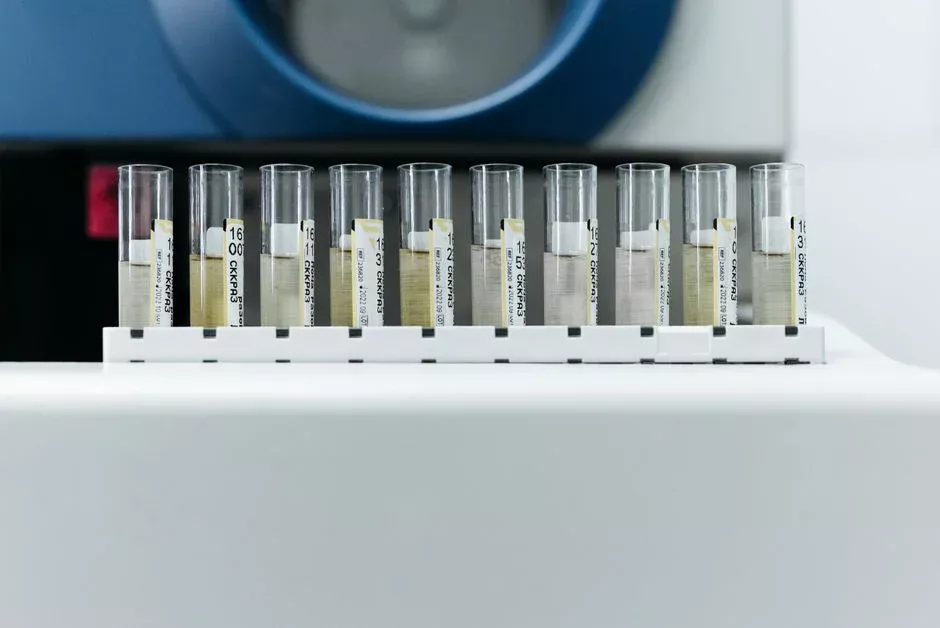
Polymer conditioning is the single fastest-payback action in the thickening budget, as most plants run 10–25% over the true dose setpoint within the first year of operation. The dose–response curve is not linear: charge demand rises with sludge SVI and FOG, and pushing dose past roughly 8–10 g/kg DS on a typical WAS actively re-stabilizes colloids, raises supernatant turbidity, and wets the downstream cake. A defensible jar-testing protocol runs 5–7 beakers at 2, 4, 6, 8, 10, 12, and 15 g/kg DS, measures supernatant turbidity and capillary suction time (CST) at each point, and selects the lowest dose that lands within 10% of optimum turbidity. Plants that install streaming-current sensors tied to a feed-forward loop from the sludge flow meter typically report 15–30% polymer savings with ±5% dose stability (HydropureWater field data, 2026). The hardware that operationalizes this is a HydropureWater polymer dosing skid configured for streaming-current feedback, and the engineering spec for it is covered in Polymer Dosing System Explained: Engineering Specs, Costs & Wastewater Treatment Optimization.
Energy, Wash-Water, and Labor: The Three Hidden Cost Lines
Three cost lines are routinely under-counted in thickening OPEX, and each can move the bottom line by 3–8% independently. Energy spans 0.05–0.4 kWh/m³ across the four thickener types; a centrifuge thickener can consume roughly 8× a GBT per cubic meter treated, but it typically saves 3–5× the downstream dewatering energy by raising thickened DS from 5% to 8%, meaning the correct metric is net-plant kWh per tonne of dry solids disposed. Wash-water on GBT and RDT units runs 5–15% of feed flow; routing that stream through a clarified-effluent reuse loop typically saves 30–50% of the wash volume and indirectly reduces polymer demand by keeping belt and drum surfaces clean. Labor is the second-most labor-intensive step after dewatering, at roughly $0.02–$0.08 per m³ treated depending on shift coverage — for any plant above 2,000 m³/day, PLC automation of polymer makeup, wash-water valves, and sludge-flow interlocks pays back inside two budget cycles. Cross-check these numbers against the industrial wastewater OPEX breakdown for 2026 before locking the budget.
A 3-Step 2026 Playbook to Cut Thickening OPEX by 15–30%

This playbook follows a specific sequence where each step feeds the next to prevent the common mistake of replacing working equipment without an audit.
- Audit (week 1–2): pull 30 days of polymer consumption, sludge flow, and thickened DS to build the $/t-DS-disposed baseline. First-pass audits almost always find 10–25% polymer over-dose, especially in plants that have not retuned since start-up.
- Re-tune (week 3–6): run the jar-test protocol from the polymer section, retune the dose setpoint, and install (or verify) streaming-current feedback on the HydropureWater polymer dosing skid. Expected savings are 15–30% on the polymer line, with payback inside 12 months for plants above 5,000 m³/day.
- Re-spec (week 6–12): if the existing thickener sits at the wrong end of the comparison table for the plant's solids target — for example, a GBT struggling to clear 5% DS on a WAS feed with rising FOG — evaluate a DAF or centrifuge upgrade. Where the downstream HydropureWater plate and frame filter press is the binding constraint, this is the point to coordinate thickening and dewatering replacement decisions; a useful parallel reference is the Membrane Replacement Cost Optimization in Wastewater: 2026 Engineering Guide, which applies the same cascade logic to the membrane side of the plant.
Example case: a 20,000 m³/day plant at 25 t DS/day that trims 1.5 g/kg off the polymer dose and lifts thickened DS from 5% to 6% saves roughly $45K–$110K per year at 2026 prices, before counting dewatering-energy and hauling savings. This figure scales linearly with t DS/day, which is the line item a CFO will recognize.
Frequently Asked Questions
What is the cheapest thickener to install in 2026?
A gravity belt thickener at $80K–$250K CAPEX is the lowest-cost option for 5,000–50,000 m³/day municipal plants; a rotary drum thickener adds 30–50% CAPEX for a fully enclosed, lower-odor body.
How do I detect polymer over-dose on a running thickener?
Run a 5–7 point jar test between 2 and 15 g/kg DS, plot supernatant turbidity and CST, and compare the operating setpoint to the lowest dose within 10% of optimum — most plants find they are 10–25% above the true optimum.
Is it cheaper to thicken more or dewater more?
Thicken first: lifting DS from 5% to 7% at the thickener cuts dewatering energy 8–12% and dewatering polymer 5–15%, while disposal volume falls in direct proportion to the moisture removed upstream.
Can a thickener be retrofitted, or does it need full replacement?
GBT, RDT, and DAF thickeners are commonly retrofitted into existing sludge lines with minor civil work; centrifuge thickeners are usually specified as full replacements because of foundation, vibration, and noise requirements.
What is a fair 2026 reference price for cationic PAM?
$2.8–$4.5/kg active for cationic polyacrylamide in 25 kg drums or 1 m³ totes, with bulk-liquid emulsion typically priced 10–15% below powder on an active basis (HydropureWater procurement data, Q1 2026).