What Counts as a BOD Discharge Limit for Industry in 2026?
Biochemical Oxygen Demand (BOD) is the mass of dissolved oxygen consumed by microbes while stabilizing biodegradable organics in a water sample; BOD5 — measured over 5 days at 20 °C — is the global default test condition referenced in EU Directive 91/271/EEC, US EPA Method 405.1, and China's GB 7488. BOD3 (3-day) and CBOD (carbonaceous-only, with a nitrification inhibitor) appear in regional variants, but BOD5 remains the figure regulators quote when issuing effluent permits.
Three regulatory frames dominate industrial compliance in 2026. The US EPA frames limits as categorical pretreatment standards (40 CFR 403) — concentration caps that apply to industrial discharges into a publicly owned treatment works (POTW), typically around 250 mg/L BOD5 for general industry. The EU frames them as BAT-AEL ranges (Best Available Techniques Associated Emission Levels) under IED 2010/75/EU, where the limit is a range that operators must achieve when applying prescribed techniques. China frames them as integrated discharge standards — GB 8978-1996 for industrial sectors and GB 18918-2002 for municipal plants — and several provinces tightened local limits in 2024–2025 down to 10–20 mg/L for sensitive receiving waters (HydropureWater regulatory tracker, 2026-01).
Two numerical formats are used. Concentration-based limits (mg/L) are most common and apply to every discharge sample. Load-based limits (kg/day, or kg/tonne of product) appear in China, India, and several Gulf states and cap the total pollutant mass regardless of dilution. A plant discharging 1,000 m³/day at 30 mg/L BOD5 emits 30 kg/day — the same number a load-based rule would derive from a per-unit production factor. Between 2024 and 2026, Saudi Arabia (PME/MEWA), China (provincial tightening), and the EU (revised BAT conclusions for common wastewater treatment systems) all moved BOD caps tighter than 2020 baselines, necessitating a 2026 reference set.
2026 BOD5 Discharge Limits by Country: A Side-by-Side Table
The following table provides a working reference for EHS managers confirming the limits that apply to specific discharge points. Concentration values are BOD5 in mg/L unless noted; "load-based" entries are flagged in the Notes column.
| Country / Region | Standard | BOD5 (mg/L) | Sector Scope | Notes |
|---|---|---|---|---|
| EU — sensitive areas | UWWTD 91/271/EEC | 25 | Municipal > 10,000 PE; industrial to sensitive receiving waters | Annex II, ≤ 25 mg/L applies to designated sensitive areas |
| EU — normal areas | UWWTD 91/271/EEC | 40 | Municipal > 10,000 PE | Annex I standard; BAT-AEL ranges also apply under IED 2010/75/EU |
| US EPA — categorical pretreatment | 40 CFR 403 | ~250 | Industrial discharge to POTW | Local limits (e.g., California) often override tighter |
| US EPA — direct discharge | NPDES categorical | 20–45 | Industrial direct to surface water | Varies by SIC code; effluent guidelines 40 CFR 400–471 |
| China — Class IA municipal | GB 18918-2002 | 20 | Municipal plants, sensitive waters | Tightest national grade; provincial tightening 2024 down to 10 mg/L |
| China — secondary industrial | GB 8978-1996 | 60 | General industrial discharge | Still cited; superseded in part by sector standards |
| India — inland surface water | CPCB / MoEFCC Schedule VI | 30 | Industrial inland discharge | 100 mg/L for marine coastal; load-based in some sectors |
| Pakistan | PEPA / SRO | 80 | Industrial to inland waters | NEQS-aligned; SEZ limits often 30 mg/L |
| Saudi Arabia | PME/MEWA | 25–40 | Industrial discharge | See the dedicated Saudi Arabia Wastewater Discharge Standards 2026 guide for sector detail |
| Brazil | CONAMA 430/11 | min 50 or 80% removal | Industrial effluent | See the full Brazil Industrial Effluent Limits 2026: CONAMA 430/11 Compliance Tables |
For a manufacturer operating in more than one jurisdiction, the practical workflow is to identify the strictest applicable limit and size the treatment train to that target; designing only to the loosest cap creates risk whenever receiving water classifications change.
Why Influent BOD Concentration Drives Treatment Selection
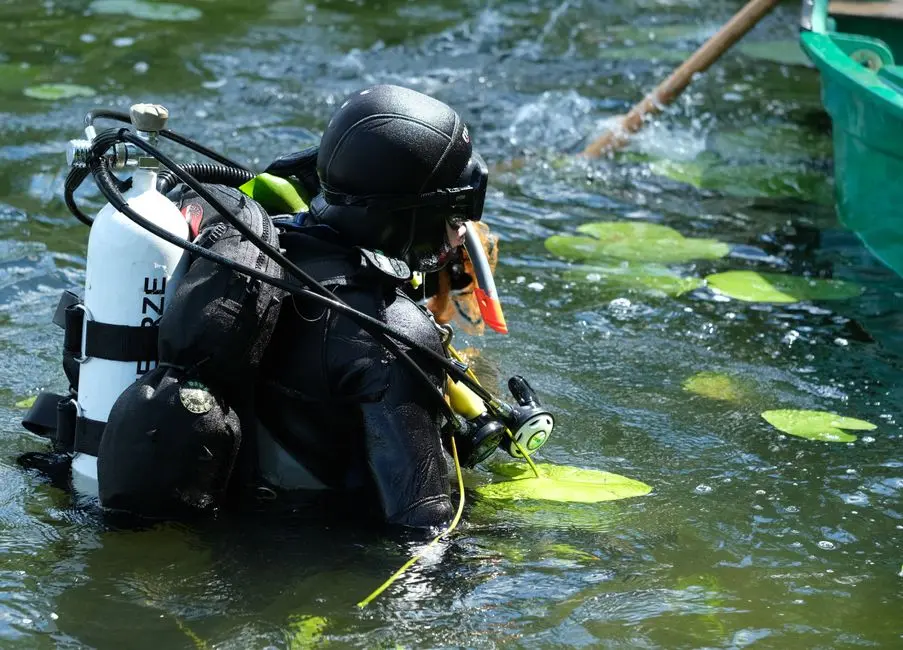
Influent BOD5 determines whether the biology requires oxygen (aerobic), can recover energy as biogas (anaerobic), or needs both stages in series. Below 500 mg/L, the cost of aeration is modest and a single aerobic stage is usually sufficient. From 500 to 2,000 mg/L, the plant needs nutrient removal (A/O for nitrogen, A2O for nitrogen + phosphorus) because higher organic loads drive higher sludge yields. From 2,000 to 5,000 mg/L, an upstream anaerobic reactor (UASB, IC, EGSB) cuts aeration demand by 60–80% and produces recoverable biogas. Above 5,000 mg/L, wastewater is usually too concentrated for direct biological treatment and requires physico-chemical pre-treatment (coagulation, Fenton, or thermal hydrolysis) to bring the BOD into a workable range.
For polishing, MBR (membrane bioreactor) delivers a near-reuse effluent — typically BOD5 < 5 mg/L with < 1 μm absolute filtration and consistently low TSS, as documented in the engineering reference MBR Effluent Quality & Working Principle: 2026 Engineering Specs, Removal Rates & Zero-Risk Selection Guide. For sites where TSS-bound BOD dominates — a common pattern in food, textile, and pulp/paper — a dissolved air flotation system ahead of the biological stage reduces particulate load by 70–90% and stabilizes the downstream aeration basin.
Treatment Train vs Target BOD Effluent: 2026 Selection Matrix
The selection of a treatment train depends on the specific effluent targets demanded by regulators or reuse customers. The matrix below maps these targets to a concrete treatment train, expected removal efficiency, and an indicative CAPEX band.
| Target Effluent BOD5 | Recommended Train | Typical Removal % | Indicative CAPEX (USD / m³·day) |
|---|---|---|---|
| ≤ 30 mg/L | Conventional activated sludge + secondary clarifier (e.g. WSZ underground packaged sewage treatment plant) | 90–95% | 150–350 |
| ≤ 20 mg/L | A2O nutrient removal + DAF polishing (HydropureWater DAF + biological) | 95–98% | 350–650 |
| ≤ 10 mg/L (reuse) | MBR or SBR + tertiary filtration (MBR integrated wastewater treatment system) | 98–99.5% | 600–1,200 |
| Influent 2,000–5,000 mg/L pre-treatment | UASB / IC anaerobic + aerobic polishing | 85–95% combined | 250–500 (anaerobic stage) |
Selection logic: match the strictest site limit to the row above. If the limit is 30 mg/L and the influent is below 500 mg/L, a packaged plant hits it without overbuilding. If the same plant has a reuse customer demanding < 10 mg/L, the MBR column applies and the additional CAPEX is justified by avoided freshwater purchase.
Operating Cost of Hitting a Tight BOD Limit: 2026 OPEX Bands
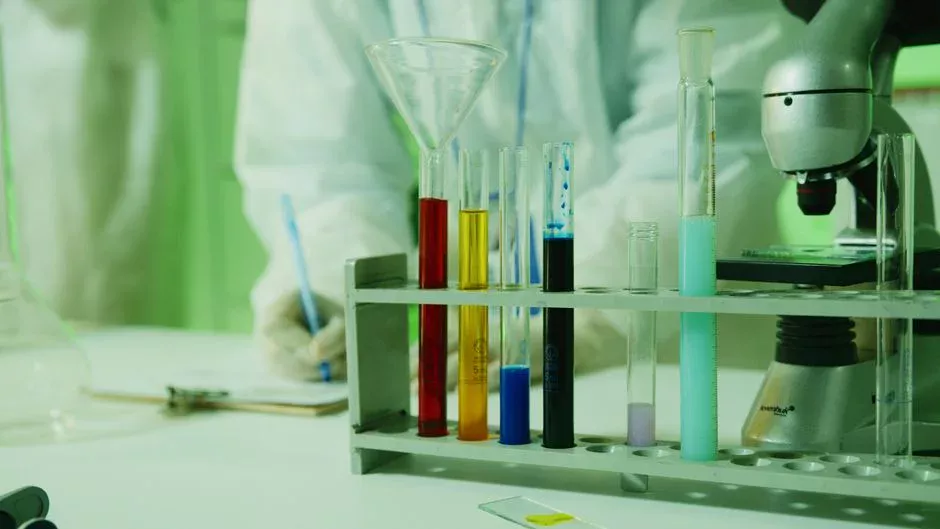
OPEX for industrial wastewater plants is dominated by electricity for aeration, chemical dosing, and membrane replacement for the tightest effluent targets. Drawing on the 2026 reference set in Industrial Wastewater Plant Operating Cost Breakdown 2026: OPEX Guide, the typical OPEX bands for industrial flows are:
- Conventional activated sludge (≤ 30 mg/L target): USD 0.18–0.65 per m³ treated
- MBR polish (≤ 10 mg/L target): USD 0.35–0.95 per m³ treated
- Anaerobic-dominant (2,000–5,000 mg/L influent): USD 0.10–0.25 per m³ treated, with biogas offset
Electricity for aeration accounts for 40–60% of OPEX and scales with the BOD load removed rather than with the inflow volume — doubling the BOD removal roughly doubles the aeration energy. At the < 10 mg/L target, the dominant OPEX line is membrane replacement, typically 25–35% of total OPEX, as addressed in detail in Membrane Replacement Cost Optimization in Wastewater: 2026 Engineering Guide. A defensible budget line for a 1,000 m³/day plant hitting a 30 mg/L limit in 2026 is USD 180–650/day; the same plant hitting 10 mg/L runs USD 350–950/day before any biogas or reuse credit.
Frequently Asked Questions
What is the standard BOD5 discharge limit for industry in 2026?
Most jurisdictions set limits between 20 and 100 mg/L. The EU's UWWTD caps at 25 mg/L for sensitive areas, China's GB 18918-2002 Class IA is 20 mg/L, India's CPCB inland limit is 30 mg/L, and the US EPA categorical pretreatment to a POTW is around 250 mg/L (per EU Directive 91/271/EEC, GB 18918-2002, and 40 CFR 403).
Which biological treatment reliably achieves < 10 mg/L BOD?
MBR or SBR with tertiary filtration delivers 98–99.5% removal, with BOD5 typically below 5 mg/L and TSS below 1 mg/L (HydropureWater field data, 2026).
What influent BOD level requires anaerobic treatment?
Above roughly 2,000 mg/L BOD5, anaerobic reactors (UASB, IC, EGSB) recover energy as biogas and cut downstream aeration by 60