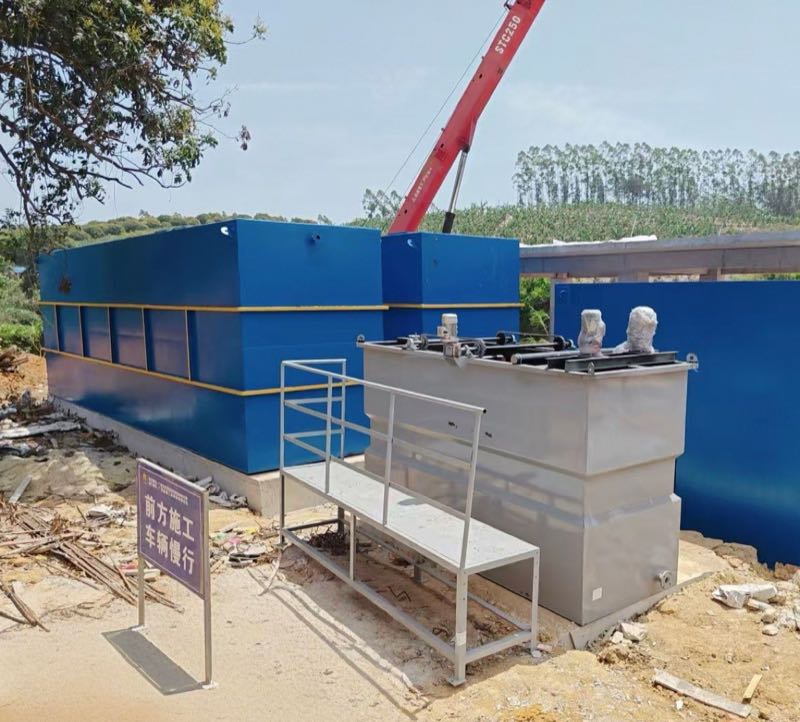
Why Sludge Dewatering Poor Cake Dryness Happens
Sludge dewatering poor cake dryness means wet cake below the solids target your disposal route needs. Most municipal presses aim for 20–25% cake solids; many industrial cakes need 25–35%. Wet cake raises haul tonnage, tipping fees, and incinerator fuel use. The usual drivers are weak conditioning, low pressure or short cycles, worn cloths, and unstable feed solids.
A municipal plant in Ohio saw disposal costs jump about 30% after cake solids fell from 22% to 16%. The drop traced to polymer drift and worn cloths, not a single failed machine. Poor cake dryness is a cost and compliance problem, not only a dryness KPI. The five causes below match what operators and published dewatering studies keep finding.
1. Inadequate Sludge Conditioning
Sludge with high organic content or fine particles resists free drainage. A 2023 BioResources study found that municipal sludge treated with 3% CaO and 3% FeSO₄ achieved 12% lower sludge moisture content than untreated samples under identical pressure (1.5 MPa). Without proper conditioning, polymers fail to flocculate particles, so bound water stays trapped. Operators on Reddit’s r/Wastewater report that a 10% polymer dosing deviation can cut cake dryness by 3–5%.
| Conditioning Agent | Dosage (% w/w) | Cake Solids (%) | Source |
|---|---|---|---|
| CPAM (Cationic Polyacrylamide) | 0.1–0.3 | 18–22 | ScienceDirect (2018) |
| CaO + FeSO₄ | 3 + 3 | 28–32 | BioResources (2023) |
| None | 0 | 12–16 | DuBois Chemicals |
According to US EPA pilot work at Blue Plains (1979), lime- and FeCl₃-conditioned sludge on recessed plate presses consistently reached 30–40% cake solids at 2.4–10% feed solids. That range is a useful ceiling when conditioning and pressure are both right. Most plants we size for municipal WAS blends still run nearer the lower end until polymer and cloth are locked in.
2. Suboptimal Mechanical Parameters
Pressure, dewatering time, and cake thickness control dewatering efficiency. Research from Process Safety and Environmental Protection shows ultrahigh-pressure (UHP) systems (5–10 MPa) can reach cake solids >35%, versus 20–25% in standard filter presses (0.5–1.5 MPa). Thin-cake dewatering (<20 mm) further improves dryness by shortening the water path. A textile plant in North Carolina cut hauling costs by 22% after moving to a thin-cake filter press at 1.2 MPa.
3. Equipment Wear and Misalignment
Worn filter cloths, misaligned plates, or damaged seals create uneven pressure and wet spots in the cake. Operators in a 2023 Reddit thread noted that replacing filter cloths every 6 months (versus a 12-month average) improved cake dryness by 4–6%. Misaligned plates can cut effective pressure by up to 30%, per a Water Environment Federation technical report.
These mechanical faults often hide until cake solids drift for weeks. A monthly cloth inspection and plate alignment check usually costs less than one wet-load surcharge.
4. Feed Sludge Variability
Industrial plants often fight fluctuating sludge. A food processing facility saw cake solids drop from 24% to 18% when influent TSS rose from 8,000 mg/L to 15,000 mg/L. Real-time polymer dosing with inline viscosity sensors held dryness within ±2% once the feed swing was measured.
5. Insufficient Pressurization Modes
Conventional filter presses use constant pressure, while staged pressurization (for example 0.5 MPa → 2 MPa) releases water in steps. A Journal of Environmental Management study found staged pressurization improved cake dryness by 8–10% versus single-stage methods, especially on oily or fibrous sludges.
How to Measure Sludge Cake Dryness for Cost Control
Accurate sludge cake dryness measurement drives dewatering efficiency and wastewater sludge disposal costs. Even a 1% gain in cake solids percentage can cut haulage expenses by 3–5%, according to EPA estimates cited in plant cost planning. Test method, target solids, and disposal route should be set before you chase equipment upgrades.
Testing Methods: Oven Drying vs. Moisture Analyzers
Two techniques dominate sludge moisture content measurement on the plant floor:
| Method | Process | Accuracy | Time Required |
|---|---|---|---|
| Oven Drying (Standard Method 2540G) | 105°C for 24 hours; weigh before/after | ±0.5% | 24–48 hours |
| Moisture Analyzer (Halogen/Loss-on-Drying) | Heats sample to 160°C; continuous weighing | ±0.2% | 10–30 minutes |
Oven drying remains the reference method. Moisture analyzers—often paired with a Plate and Frame Filter Press for Sludge Dewatering—give same-shift data for polymer and cycle tweaks. High-throughput plants use analyzers to cut lab wait time by about 90% while still spot-checking with 2540G.
Industry Targets for Cake Solids Percentage
Dryness targets vary by sector and disposal method. Typical benchmarks used in design and operations are:
| Industry | Target % Solids | Disposal Method |
|---|---|---|
| Municipal WWTP | 20–25% | Land application/landfill |
| Industrial (e.g., food processing) | 25–35% | Incineration |
| Pulp & Paper | 35–50% | Energy recovery |
One Reddit operator in r/Wastewater targeted 25% solids to avoid haulage surcharges. A 2023 BioResources study reported ultrahigh-pressure dewatering with thin-cake (<10 mm) configurations reaching 50%+ solids under lab conditions. Plants using an Automatic Chemical Dosing System often see a steady 2–4% dryness gain once polymer dose tracks feed solids.
According to the US EPA Design Manual for Dewatering Municipal Wastewater Sludges (1987), recessed plate filter presses typically deliver cake 6–10 percentage points drier than continuous belt presses or centrifuges on comparable sludge. Diaphragm presses can add another 3–5 points. Digested cakes are often 2–3 percentage points wetter than raw cakes under the same machine class.
The Cost of Poor Dryness: A 1% Difference
Consider a 100,000-gallon-per-day municipal plant producing 50 wet tons of sludge daily. At 20% solids and about $50/ton disposal, a move to 21% solids cuts wet volume by roughly 4.8% and can save about $1,200/month. Industrial incineration costs often drop $10–$15/ton for every 5% gain in cake solids percentage.
"We cut our disposal budget by 18% after switching to a thin-cake press and adjusting polymer dosing. The moisture analyzer paid for itself in three months." —Wastewater Supervisor, Ohio WWTP
Mechanical vs. Chemical Fixes: What Works for Low Cake Dryness?

Low cake dryness usually traces to weak mechanical settings or incomplete chemical conditioning. Pressure, cycle time, and cake thickness move free water. FeSO4, CaO, and cationic polyacrylamide (CPAM) change sludge rheology so that water can leave. Choose the mix from sludge type, spare CAPEX, and chemical budget—not from brochure claims.
Mechanical Adjustments: Pressure, Time, and Cake Thickness
Mechanical dewatering techniques rely on physical force. The levers that move cake solids most are:
- Pressure: Ultrahigh-pressure (UHP) dewatering (10–20 MPa) can reduce sludge moisture content to 40–50%, compared with 60–70% for conventional filter presses (1–2 MPa) (Process Safety and Environmental Protection, 2019). Too much pressure can compact the cake, cut permeability, and raise polymer demand.
- Dewatering time: Extending cycles from 30 to 90 minutes can raise cake solids percentage by 3–5%, with diminishing returns beyond 2 hours (BioResources, 2023).
- Cake thickness: Thin-cake dewatering (10–20 mm) improves dryness by 8–12% versus standard 30–50 mm cakes by shortening the drainage path (RSM study, BioResources).
Forum operators report >25% cake solids by combining about 1.5 MPa with 45-minute cycles, if throughput and energy stay acceptable. On belt presses, tighter belt tension and lower belt speed can mimic thin-cake behavior without a full press rebuild.
Chemical Conditioning: FeSO4, CaO, and CPAM
Chemical additives destabilize flocs and release bound water. Performance still depends on sludge type and dose:
| Agent | Dosage (kg/ton DS) | Cake Dryness Improvement | Pros | Cons |
|---|---|---|---|---|
| FeSO4 | 3–5 | 5–8% | Low cost; reduces odors | Corrosive; increases sludge mass |
| CaO (Lime) | 10–20 | 10–15% | Pathogen reduction; stabilizes sludge | Raises pH; high disposal costs |
| CPAM | 0.5–2 | 3–7% | High floc strength; low dosage | Sensitive to shear; expensive |
Response surface methodology (RSM) studies show that combining 3% FeSO4 + 3% CaO can reach 30–35% cake dryness, but operators must watch pH to limit scaling. CPAM alone is weaker for thin-cake filter presses yet works well on belt presses where shear resistance matters.
Hybrid Approach: Mechanical + Chemical Synergy
For stubborn biological or oily sludge, pair the two. Practical patterns include:
- Pre-treat with 2% CaO to cut viscosity, then run UHP dewatering (15 MPa) for about 60 minutes.
- Use polymer dosing for sludge at 1.5 kg/ton DS with thin-cake (15 mm) filter presses to aim for about 35% solids.
Field data from municipal plants show this hybrid path can cut wastewater sludge disposal costs by 18–25% through lower haul volume. UHP capital only pays back quickly when sludge volumes stay high—often above about 500 m³/day.
What Technologies Dewater Digester Sludge Best?
Best technologies for digester sludge at municipal plants are usually recessed plate or diaphragm filter presses when cake must exceed about 25–30% solids, with high-solids centrifuges and modern belt presses close behind for continuous duty. Digested sludge is often 2–3 percentage points wetter than raw sludge on the same machine class (US EPA Design Manual, 1987). That gap matters when contracts bill by wet ton.
For plants stuck near digested sludge dewatering 18% cake, first confirm feed at 2–5% solids, polymer charge, and cloth condition before buying a dryer. EPA Blue Plains pilots (1979) showed lime/FeCl₃ recessed plate presses holding 30–40% solids on mixed primary and WAS feeds when conditioning stayed above the marginal dose.
Can a Decanter Centrifuge Improve Biosludge Dryness?
A sludge decanter centrifuge can improve biosludge dryness when bowl/scroll differential, pool depth, and polymer point of addition are tuned together. On many WAS-rich feeds, centrifuges and belt presses land in a similar cake solids band. Belt presses with a high-pressure zone may pick up 2–3 extra points on fibrous primary-rich sludge (US EPA Design Manual, 1987). Raise G-force about 10–15% or slow scroll differential only after jar tests confirm floc strength.
How Should Plants Dewater Industrial Lagoon Sludge?
Industrial lagoon sludge removal dewatering solutions start with dredging or hydraulic mining, then grit screening, equalization, and conditioned mechanical dewatering. Lagoon solids are often aged, sandy, and variable in oil or fiber, so expect jar-test polymer work and a press or centrifuge sized on the worst week—not the average week. Thin-cake or staged-pressure presses help when bound water is high after years of storage.
Equipment Upgrades That Actually Improve Sludge Dewatering Performance
Equipment upgrades deliver measurable cake-solids gains when chemical and cycle tuning stall. Three options show repeatable results in published studies and plant projects: UHP presses, thin-cake designs, and automated polymer control.
1. Ultrahigh-Pressure (UHP) Filter Presses
Conventional filter presses often run at 6–10 bar. UHP systems (20–40 bar) can deliver 20–30% higher cake dryness by squeezing interstitial water harder. A 2018 Process Safety and Environmental Protection study reported sludge moisture content falling from 80% to 55% without extra polymer, with disposal cost down about 28% in that trial framing.
| Parameter | Conventional Press (6–10 bar) | UHP Press (20–40 bar) |
|---|---|---|
| Cake Solids (%) | 18–22% | 25–35% |
| Cycle Time (min) | 120–180 | 90–120 |
| Polymer Consumption (kg/ton DS) | 4–6 | 2–4 |
Case Study: A municipal WWTP upgraded to a 30-bar UHP press and cut wastewater sludge disposal costs by $42,000/year through lower haulage and polymer use. Payback period: 18 months.
2. Thin-Cake Press (TCP) Designs
Cutting cake thickness from 30 mm to 10–15 mm improves dewatering efficiency by shortening the water path. BioResources (2023) reported 5–12% higher solids under the same pressure and time. TCP layouts also shorten cycles and can raise throughput by 25–40%.
Operator Insight: A Reddit wastewater professional noted, "Switching to 15 mm cakes bumped our sludge cake from 22% to 28% solids—no extra chemicals, just better mechanics."
3. Automated Polymer Dosing Systems
Manual polymer dosing for sludge often wastes 15–25% of flocculant or underdoses and weakens floc. Inline viscosity control trims that waste and tightens cake solids variability for filter press optimization.
| Dosing Method | Polymer Waste (%) | Cake Solids Variability (%) |
|---|---|---|
| Manual | 15–25 | ±4 |
| Automated (Inline Sensor) | 5–8 | ±1.5 |
Integration: Pairing automated dosing with a DAF System cut polymer use by 18% while holding 24% cake solids at one food-processing facility.
Pretreatment Methods to Boost Sludge Dewaterability Before the Press
Pretreatment methods raise cake solids percentage by 5–30% when sludge structure—not the press—limits dryness, and they can lower wastewater sludge disposal costs. Thermal, chemical, and ultrasonic routes each attack bound water differently.
1. Thermal Hydrolysis: Breaking Down Cellular Integrity
Thermal hydrolysis (120–180°C, 30–60 min) ruptures cell walls, frees intracellular water, and lowers viscosity. A Process Safety and Environmental Protection study showed thermal pretreatment raised moisture reduction by 12–18% under UHP dewatering, reaching about 40–45% cake solids with low polymer. Reddit operators report 30–40% shorter press times after thermal conditioning. Energy cost must clear haulage savings—our breakdown of wastewater treatment operating costs shows thermal hydrolysis can trim disposal spend by up to 22% at high volume.
| Parameter | Untreated Sludge | Thermally Treated (160°C, 45 min) |
|---|---|---|
| Cake Solids (%) | 22–28 | 35–42 |
| Polymer Dose (kg/ton DS) | 6–8 | 2–4 |
| Dewatering Time (min) | 60–90 | 35–50 |
What Does a Sludge Thermal Dryer Cost?
A cost analysis example for a sludge thermal dryer should separate CAPEX, thermal energy per evaporative ton, and labor from the dewatering step that feeds it. Dryers pay off when cake already sits near the high end of mechanical dryness; they are expensive moisture polishers, not a fix for failed conditioning. Compare dryer heat cost against the wet-ton haul rate using the same solids mass balance you use for press upgrades in the breakdown of wastewater treatment operating costs.
2. Acid/Alkaline Conditioning: pH-Driven Floc Disruption
Adjusting sludge pH to 2–3 (acid) or 10–12 (alkaline) destabilizes extracellular polymeric substances (EPS) and can raise dewatering efficiency. A BioResources RSM study found 3% CaO with 3% FeSO4 at pH 11 cut cake moisture by 15% under 1.5 MPa. Acid (for example H2SO4) is less common because of corrosion, yet can support 25–30% solids on some industrial sludges. Neutralize before disposal if the receiving rule demands it.
3. Ultrasonic Conditioning: Cavitation for Bound Water Release
Low-frequency ultrasound (20–40 kHz, 5–10 min) shears EPS and frees bound water. Lab tests report thin-cake dewatering gains of 8–12% solids on biological sludge. Capital is higher, but polymer use can fall 30–50% on stable sludge streams.
How Do Utilities Cut Biosolids Disposal Costs?

Utilities cut biosolids dewatering and disposal costs by raising cake solids, trimming polymer waste, and matching machine class to the disposal contract. Every 1% drop in cake solids percentage can inflate disposal costs by 3–5% as wet tons rise. For a mid-sized facility at 100 wet tons/day, moving from 18% to 25% solids can save about $120,000–$200,000/year in landfill fees alone at $50–$80/ton (EPA, 2022 figures as cited in plant planning studies).
Energy waste stacks on top. Under-optimized mechanical dewatering techniques can use 20–30% more power to hit the same dryness as well-conditioned sludge. A 2023 BioResources study found UHP dewatering cut energy use by 15% while lifting cake dryness to 35–40% solids. Polymer over- or under-dosing can still burn 10–20% of the chemical budget through waste and rework.
| Dryness Improvement | Annual Haulage Savings (100 tpd) | Energy Savings (kWh/ton) | Chemical Cost Impact |
|---|---|---|---|
| 18% → 22% solids | $45,000–$75,000 | 8–12 kWh | +5% polymer use |
| 22% → 28% solids | $90,000–$150,000 | 15–20 kWh | ±2% (optimized dosing) |
| 28% → 35% solids (UHP) | $180,000–$300,000 | 25–30 kWh | -10% (reduced need) |
Operator-reported and study-backed fixes often land in this band:
| Issue | Fix Applied | Before/After Solids (%) | Cost Impact |
|---|---|---|---|
| Thin-cake dewatering inefficiency | Reduced cake thickness from 30mm to 15mm (per RSM study) | 18% → 26% | 22% reduction in wastewater sludge disposal costs |
| High sludge moisture content post-press | Pre-heated sludge to 40°C (operator-reported on Reddit) | 22% → 28% | 30% lower haulage fees |
| Inconsistent polymer dosing | Switched to automated polymer mixing (0.5% v/v) | 19% → 24% | 15% chemical savings |
"We added a heat exchanger to warm sludge before the press. Cake dryness jumped from 22% to 28%—haulage costs dropped $12K/year." —Wastewater Operator, Reddit
One municipal plant reported a 7% rise in dewatering efficiency by extending press cycles from 20 to 30 minutes, in line with pressure-and-time findings in BioResources (2023). Another cut sludge moisture content by 6% with UHP retrofits. Small levers—polymer control and cake thickness—often beat a full rebuild; see the same cost logic in our breakdown of wastewater treatment operating costs.
Use this quick estimate before you buy hardware:
- Current dryness (%): ______
- Target dryness (%): ______
- Daily sludge volume (wet tons): ______
- Disposal cost ($/ton): ______
Estimated annual savings = (Daily volume × 365) × (Disposal cost × (1 – (Current dryness/Target dryness))).
Audit polymer use, cycle time, and cake thickness first. Thin-cake dewatering (<50 mm) can raise dryness by 8–12% versus thick 75–100 mm cakes (Qin et al., 2023). UHP or automated dosing often pays back in 12–24 months when haul rates are high. For budgeting structure, use the breakdown of wastewater treatment operating costs alongside foaming and bulking checks in Troubleshooting Common Wastewater Treatment Problems: Foaming, Bulking Sludge, and Turbid Effluent when WAS quality is the hidden dryness killer.
Selection checklist before you change equipment
- Confirm cake solids with Standard Method 2540G, not only a handheld meter.
- Jar-test polymer across the weekly feed range, not a single grab sample.
- Record cloth age, plate alignment, and seal leaks before blaming the process.
- Set the solids target from the disposal contract (landfill, land apply, or incineration).
- Pilot thin-cake or staged pressure on one unit before a plant-wide retrofit.
- Model haul, polymer, and energy together—not dryness alone.
- Only then price UHP, thermal hydrolysis, or a dryer against wet-ton savings.
Who This Is For / Next Step
Plant engineers, EPC designers, and procurement leads use this guide when a cake solids contract or haul spend is on the line. Look elsewhere if you only need thickening, or if your bottleneck is upstream aeration health rather than the press. If cake solids still miss target after a 30-day audit of feed, polymer, and cloths, request a dewatering equipment review with your sludge data and disposal limits.
Frequently Asked Questions
Why is my filter press cake too wet?
Wet filter press cake usually comes from weak sludge conditioning, low pressure or short cycles, or worn cloths and seals. Raising compression from 0.6 MPa to 1.2 MPa can lift cake solids percentage by 8–12% (Qin et al., 2023). Municipal sludge often needs 3–6 kg/ton CPAM. If sludge moisture content stays above 80%, check feed at 2–5% solids and keep plate-and-frame cycles at least 30–45 minutes.
How can I improve dewatering efficiency without capital upgrades?
Start with filter press optimization: thin the cake to 20–25 mm and extend compression 10–15%. For biological sludge, 2–3% CaO or FeSO₄ can drop moisture 5–7% (BioResources, 2023). Mix polymer 30–60 seconds hard, then 2–3 minutes gentle. Some operators reach 25%+ solids by warming sludge to 40–50°C before the press, at a clear energy cost.
What is the quickest fix for thin-cake dewatering issues?
Adjust polymer dosing for sludge first with jar tests aimed at about 40–60% charge density on municipal sludge. On a centrifuge, raise G-force 10–15% or slow scroll differential. On a belt press, tighten the wedge zone about 5–10% to improve early drainage. Common short fixes and expected dryness gains are:
| Issue | Immediate Fix | Expected Dryness Gain |
|---|---|---|
| Fluffy, high-moisture cake | Increase polymer dose by 1–2 kg/ton | 3–5% |
| Slow drainage | Reduce feed rate by 20% | 4–6% |
| Sticky cake | Add 1–2% lime (CaO) to feed | 5–8% |
When should I consider ultrahigh-pressure (UHP) dewatering?
UHP systems (2–4 MPa in many retrofit frames; higher in specialty presses) make sense when wastewater sludge disposal costs exceed about $50/ton or cake must exceed 35% solids. A 2018 Process Safety and Environmental Protection study reported about 45% solids with low polymer in UHP trials. Retrofit budgets of $150K–$300K need an ROI check against the breakdown of wastewater treatment operating costs. Pilot first: volume cuts of 30–40% versus conventional presses are common when solids jump that far.
How do I calculate cost savings from improved dryness?
Use Annual Savings = (Current Haul Cost × % Volume Reduction) – Upgrade Costs. Moving from 20% to 25% solids cuts wet volume by 20%, saving $20/ton at $100/ton haul rates. Optimized mechanical dewatering techniques often trim chemical cost 15–25% as well. For a full planning frame, see the strategic maintenance guide.