In the complex world of industrial and municipal operations, wastewater treatment facilities stand as critical guardians of public health and environmental integrity. However, managing these essential systems comes with inherent challenges, not least among them the significant operational and maintenance (O&M) expenses. Without a strategic approach, these costs can spiral, impacting budgets, compliance, and long-term sustainability. This is where comprehensive wastewater treatment maintenance cost planning becomes not just an advantage, but an absolute imperative.
This guide from HydropureWater is designed to equip operators, engineers, and financial planners with actionable strategies to move beyond reactive fixes and embrace a holistic, data-driven approach to maintenance. We will explore how proactive planning, leveraging advanced technologies, and intelligent automation can significantly reduce O&M expenses, extend equipment longevity, ensure regulatory compliance, and deliver a superior return on investment (ROI) over the entire life cycle of your wastewater infrastructure.
Deconstructing Wastewater Treatment Maintenance Expenses: What to Budget For
Before optimizing costs, it’s crucial to understand their components. Wastewater treatment maintenance expenses are multifaceted, encompassing a wide range of activities and resources necessary to keep a facility running efficiently and reliably. A robust maintenance budget must account for both predictable and unpredictable expenditures, integrating them into a broader financial forecasting model.
Key categories of maintenance expenses typically include:
- Labor Costs: Wages, benefits, and training for in-house maintenance staff, as well as external contractor fees for specialized tasks. This is often a significant portion of O&M expenses.
- Spare Parts and Consumables: Replacement parts for pumps, motors, valves, sensors, membranes, filter cloths, and general wear-and-tear items. Consumables like lubricants, cleaning agents, and minor repair materials also fall here.
- Chemicals: While primarily an operational cost, some chemicals are used specifically for equipment cleaning and maintenance (e.g., membrane cleaning chemicals). For a deeper dive into overall operational costs, you might find our article Breaking Down Wastewater Treatment Operating Costs: Energy, Chemicals, and Labor highly informative.
- Tools and Equipment: Purchase, calibration, and maintenance of diagnostic tools, safety equipment, and specialized repair machinery.
- External Services and Contracts: Specialized services such as calibration of instruments, motor rewinding, pump overhauls, membrane cleaning services, waste disposal (especially hazardous waste), and software licensing for maintenance management systems.
- Energy Consumption: While largely operational, inefficient or poorly maintained equipment (e.g., clogged pipes, worn pumps, fouled membranes) can lead to increased energy consumption for the same output, indirectly impacting maintenance-related costs.
- Emergency Repairs: Unforeseen breakdowns requiring immediate attention, often at a premium cost for expedited parts and labor. These are prime targets for reduction through proactive strategies.
- Regulatory Compliance and Testing: Costs associated with maintaining equipment to meet specific discharge permits and environmental standards, including regular calibration and certification of monitoring devices.
Understanding these categories allows operators to create a more accurate maintenance budget and identify areas ripe for cost optimization. The goal is to shift spending from reactive, high-cost emergency interventions to controlled, planned expenditures that extend asset life and improve overall operational efficiency.
Proactive vs. Reactive: How Preventive Maintenance Reduces Long-Term Costs
The traditional approach to maintenance, often termed "reactive" or "breakdown" maintenance, involves fixing equipment only after it fails. While seemingly cost-effective in the short term by minimizing immediate maintenance budget outlays, this strategy invariably leads to higher long-term costs due to:
- Unscheduled Downtime: Production halts, compliance breaches, and potential fines.
- Higher Repair Costs: Catastrophic failures often require more extensive repairs, specialized parts, and emergency labor rates.
- Secondary Damage: A failing component can damage other interconnected parts of the system.
- Reduced Equipment Life: Constant stress from operating until failure accelerates wear and tear.
- Safety Hazards: Equipment failures can pose significant risks to personnel.
In stark contrast, preventive maintenance strategies are designed to identify and address potential issues before they escalate into failures. This proactive approach is the cornerstone of effective wastewater treatment maintenance cost planning, delivering substantial ROI through:
- Extended Equipment Longevity: Regular inspections, lubrication, and minor adjustments significantly prolong the operational life of assets, delaying costly replacements. For instance, routine cleaning and inspection of a Rotary Mechanical Bar Screen (GX Series) can prevent debris buildup that might otherwise strain motors or damage components, ensuring years of reliable service.
- Reduced Unscheduled Downtime: Planned maintenance can be scheduled during off-peak hours or planned shutdowns, minimizing operational disruption.
- Lower Repair Costs: Addressing minor issues early is almost always less expensive than repairing a complete system breakdown.
- Improved Operational Efficiency: Well-maintained equipment operates closer to its design specifications, consuming less energy and chemicals.
- Enhanced Safety: Regular checks identify and mitigate potential hazards.
- Predictable Budgeting: Scheduled maintenance allows for better financial forecasting and allocation of resources, moving away from unpredictable emergency expenses.
Preventive maintenance includes activities such as:
- Scheduled Inspections: Regular visual and functional checks of all critical components.
- Lubrication: Adhering to manufacturer-recommended schedules for greasing and oil changes.
- Calibration: Ensuring sensors and monitoring equipment provide accurate readings.
- Cleaning: Preventing build-up of sludge, scale, or bio-fouling on critical surfaces.
- Component Replacement: Replacing wear parts (e.g., seals, bearings, filters) based on hours of operation or calendar intervals, before they fail.
By shifting from a reactive mindset to a proactive one, facilities can dramatically reduce their overall O&M expenses and ensure the continuous, compliant operation of their wastewater treatment systems.
Key Strategies for Effective Maintenance Cost Planning and Budgeting

Effective wastewater treatment maintenance cost planning requires a multi-faceted approach, integrating financial acumen with operational best practices. Here are key strategies:
1. Implementing Life Cycle Costing (LCC) for Equipment Decisions
Life Cycle Costing goes beyond initial capital expenditure to consider all costs associated with an asset over its entire operational life. This includes purchase price, installation, energy consumption, O&M expenses, spare parts, downtime losses, and eventual decommissioning. By performing an LCC analysis, facilities can make informed procurement decisions, choosing equipment that may have a higher upfront cost but offers significantly lower O&M expenses and a longer operational life, leading to a superior long-term ROI. For example, a pump with higher energy efficiency and robust construction might cost more initially but save substantially on energy bills and maintenance over 15-20 years.
2. Developing a Comprehensive Maintenance Budget
A detailed maintenance budget is essential for financial forecasting and control. It should include:
- Historical Data Analysis: Review past maintenance records to identify trends, common failures, and recurring costs.
- Asset Inventory and Condition Assessment: Maintain an up-to-date inventory of all assets, their age, condition, and expected remaining life.
- Planned Maintenance Schedule: Forecast costs for all scheduled preventive maintenance activities, including labor, parts, and external services.
- Contingency Fund: Allocate a percentage (e.g., 10-15%) for unforeseen repairs or emergencies, reducing the impact of unexpected events.
- Capital Improvement Budget: Separate funds for major overhauls, upgrades, or equipment replacements that extend asset life or improve performance.
3. Optimizing Spare Parts Inventory Management
Balancing the need for readily available parts with the cost of holding inventory is crucial. Strategies include:
- Criticality Assessment: Identify mission-critical parts that would halt operations if unavailable and ensure sufficient stock.
- Vendor Relationships: Establish strong relationships with suppliers for just-in-time delivery of less critical parts.
- Consignment Agreements: Explore options where suppliers hold inventory on-site, only billing when parts are used.
- Standardization: Where possible, standardize equipment and components across the facility to reduce the variety and quantity of spare parts needed.
4. Investing in Staff Training and Skill Development
A well-trained maintenance team is an invaluable asset. Investing in ongoing education for technicians on new technologies, diagnostic tools, and safety protocols improves their efficiency, reduces errors, and enables more tasks to be performed in-house, reducing reliance on expensive external contractors. This also fosters a culture of ownership and responsibility for equipment longevity.
5. Strategic Vendor and Service Contract Management
For specialized maintenance or where in-house expertise is limited, engaging third-party service providers is necessary. Strategic management involves:
- Clear Scope of Work: Define precise deliverables, KPIs, and response times in service contracts.
- Performance-Based Contracts: Link payments to achieved outcomes (e.g., uptime guarantees, energy efficiency improvements).
- Regular Reviews: Periodically review vendor performance against agreed-upon metrics and renegotiate terms as needed.
6. Regular Audits and Performance Reviews
Maintenance cost planning is an ongoing process. Regular audits of maintenance activities, spending patterns, and equipment performance are essential for continuous improvement. This includes analyzing mean time between failures (MTBF), mean time to repair (MTTR), and overall equipment effectiveness (OEE) to identify bottlenecks and areas for further optimization.
To illustrate the impact of different maintenance approaches on costs, consider the following comparison:
| Maintenance Approach | Initial Investment | Typical Annual O&M Costs | Downtime Impact | Equipment Lifespan | Predictability of Costs |
|---|---|---|---|---|---|
| Reactive (Breakdown) | Low (no planning) | High (emergency repairs, secondary damage) | High, unscheduled | Shortened | Very Low |
| Preventive (Scheduled) | Moderate (planning, basic tools) | Moderate (scheduled repairs, parts) | Low, scheduled | Extended | Moderate to High |
| Predictive (Data-Driven) | High (sensors, software, analytics) | Low (optimized repairs, reduced waste) | Very Low, highly optimized | Maximized | Very High |
The Role of Advanced Technology and Equipment in Cost Optimization
Modern wastewater treatment facilities are increasingly leveraging advanced technologies and equipment not just for improved treatment efficacy but also for significant cost optimization, particularly in the realm of maintenance. Investing wisely in these innovations is a cornerstone of intelligent wastewater treatment maintenance cost planning.
1. Energy-Efficient Equipment
Energy consumption often represents the largest single operating cost for wastewater treatment plants. Advanced, energy-efficient pumps, blowers, mixers, and aeration systems can drastically reduce electricity bills, which indirectly lowers the overall cost burden that maintenance must offset. For example, high-efficiency blowers with variable frequency drives (VFDs) can adjust oxygen supply based on real-time demand, optimizing energy use. Similarly, adopting technologies like the MBR Membrane Bioreactor Wastewater Treatment System not only offers superior effluent quality but also, through its compact design and efficient aeration, can contribute to a lower energy footprint compared to conventional systems.
2. Automated Systems and Smart Controls
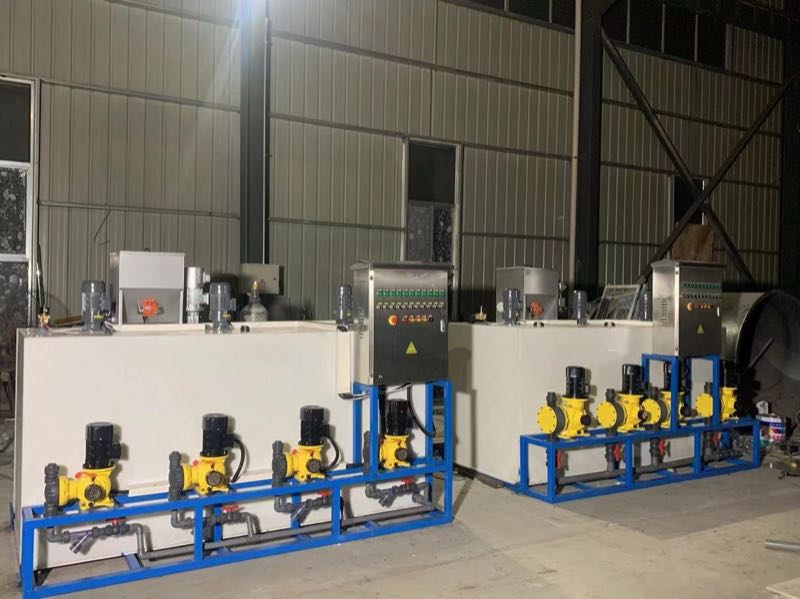
Automation minimizes the need for manual intervention, reducing labor costs and human error. Automated control systems can precisely manage processes, respond to changes in influent quality, and optimize chemical dosing. An Automatic Chemical Dosing System, for instance, ensures chemicals are added in precise amounts, preventing over-dosing (which wastes chemicals and can harm equipment) and under-dosing (which compromises treatment and might lead to costly re-treatment or fines). This precision not only saves on chemical costs but also reduces wear and tear on pumps and other related equipment, thus lowering maintenance frequency.
3. Durable Materials and Robust Design
HydropureWater prioritizes the use of high-quality, corrosion-resistant materials and robust designs in its equipment. Components made from stainless steel, advanced polymers, and specialized coatings withstand harsh chemical environments, abrasive sludge, and continuous operation far better than standard materials. This inherent durability translates directly into reduced frequency of repairs, longer intervals between replacements, and overall lower equipment longevity costs. While the initial investment might be slightly higher, the savings in maintenance, parts, and downtime over the equipment's lifespan are substantial.
4. Efficient Sludge Dewatering Solutions
Sludge management is a significant operational and maintenance cost, primarily due to transportation and disposal fees. Advanced dewatering technologies, such as the Plate and Frame Filter Press for Sludge Dewatering, dramatically reduce the volume and weight of sludge by removing excess water. This reduction directly translates to fewer truckloads for disposal, leading to substantial savings in transportation costs, landfill fees, and associated labor. Moreover, modern filter presses are designed for ease of maintenance, with automated cleaning cycles and robust components that minimize manual intervention and repair needs.
By strategically integrating these advanced technologies, facilities can achieve a paradigm shift in their O&M cost structure, moving towards a more sustainable and economically viable operation.
Leveraging Data and Automation for Predictive Maintenance and Efficiency Gains
The next frontier in wastewater treatment maintenance cost planning is predictive maintenance, a sophisticated strategy that transcends traditional preventive methods by using real-time data and advanced analytics to predict equipment failures before they occur. This data-driven approach maximizes equipment uptime, minimizes maintenance costs, and significantly boosts operational efficiency.
1. The Shift to Predictive Maintenance
Unlike preventive maintenance, which relies on fixed schedules, predictive maintenance monitors the actual condition of equipment to determine when maintenance is needed. This avoids unnecessary maintenance (performing tasks too early) and prevents catastrophic failures (by addressing issues just in time). The core principle is "maintain when necessary, not when scheduled."
2. Sensors and the Internet of Things (IoT)
The foundation of predictive maintenance lies in a robust network of sensors and IoT devices. These devices are strategically placed on critical equipment to continuously collect data on key parameters such as:
- Vibration Analysis: Detecting imbalances, misalignments, or bearing wear in rotating machinery (pumps, blowers).
- Temperature Monitoring: Identifying overheating in motors, bearings, or electrical components.
- Pressure and Flow Sensors: Monitoring system performance, detecting blockages, or pump inefficiencies.
- Current and Voltage Monitoring: Assessing motor health and energy consumption patterns.
- Chemical and Water Quality Sensors: Providing real-time insights into process conditions that could impact equipment (e.g., pH, dissolved oxygen, turbidity).
These sensors transmit data wirelessly to a central platform, providing a continuous pulse of the plant's health.
3. Data Analytics and Artificial Intelligence (AI)
Raw sensor data becomes powerful when processed through advanced analytics and AI algorithms. These tools can:
- Identify Anomalies: Detect subtle deviations from normal operating parameters that indicate impending failure.
- Predict Failure Patterns: Learn from historical data to forecast when a component is likely to fail, allowing for precise scheduling of maintenance.
- Optimize Performance: Suggest operational adjustments to improve efficiency, extend component life, and reduce energy consumption.
- Root Cause Analysis: Help pinpoint the underlying causes of recurring issues, enabling long-term solutions rather than temporary fixes.
4. Cloud Platforms for Centralized Monitoring and Control
Modern cloud-based platforms integrate data from all sensors, analytics engines, and control systems into a single, accessible interface. This allows operators to:
- Remote Monitoring: Access real-time plant data from anywhere, enabling quick responses and reducing the need for constant on-site presence. For small to medium enterprises (SMEs), this can be particularly transformative, as detailed in our article Online Monitoring + Cloud Platform: How SMEs Can Run Wastewater Plants with Minimal Staffing.
- Centralized Data Management: Store vast amounts of operational and maintenance data securely, facilitating long-term trend analysis and compliance reporting.
- Automated Alerts: Receive immediate notifications when critical thresholds are exceeded or potential issues are detected.
- Integration with CMMS: Seamlessly integrate with Computerized Maintenance Management Systems (CMMS) to automatically generate work orders based on predictive insights.
By embracing predictive maintenance powered by IoT and AI, facilities can achieve unprecedented levels of operational efficiency and cost optimization. Maintenance activities are performed only when truly necessary, minimizing labor, spare parts inventory, and downtime, while maximizing equipment availability and lifespan. This data-driven approach also significantly enhances accountability and transparency, crucial for demonstrating value, especially when engaging with third-party O&M providers, as explored in How Third-Party O&M Providers Prove Value: KPIs, Reporting, and Data-Driven Management.
HydropureWater's Approach to Sustainable Maintenance Planning
At HydropureWater, we understand that the true value of a wastewater treatment system extends far beyond its initial installation. Our philosophy centers on providing integrated, sustainable solutions that deliver exceptional performance throughout their entire life cycle, with a strong emphasis on optimizing wastewater treatment maintenance cost planning for our clients.
Our approach is built on several core pillars:
- Integrated Solution Design with LCC in Mind: From the initial consultation, we design systems with long-term O&M costs as a primary consideration. We meticulously evaluate equipment choices, material specifications, and process configurations using Life Cycle Costing (LCC) principles. This ensures that while our solutions are technologically advanced and highly effective, they are also economically sensible over decades of operation, minimizing future maintenance burdens.
- Robust, High-Quality Equipment: We are committed to manufacturing and supplying equipment built to last. Our products, from advanced MBR systems to efficient filter presses and bar screens, utilize durable, corrosion-resistant materials and engineering excellence. This inherent reliability translates directly into fewer breakdowns, reduced frequency of repairs, and significantly extended equipment longevity for our clients.
- Smart Automation and Remote Monitoring Integration: HydropureWater champions the integration of smart automation and IoT-enabled monitoring platforms. Our systems are designed to incorporate advanced sensors and control logic, enabling real-time performance tracking, automated process adjustments, and proactive fault detection. This capability forms the backbone of a predictive maintenance strategy, allowing operators to intervene precisely when needed, preventing costly failures and optimizing resource allocation.
- Customized Maintenance Support and Training: We don't just sell equipment; we partner with our clients. HydropureWater provides comprehensive training for operational staff on the proper operation and preventive maintenance of our systems. Furthermore, we offer tailored maintenance support packages, including spare parts supply, technical assistance, and scheduled service visits, ensuring our clients have the expertise and resources to maintain peak performance.
- Data-Driven Optimization: Our expertise extends to helping clients leverage their operational data. We assist in setting up systems for data collection and analysis, transforming raw data into actionable insights for optimizing maintenance schedules, identifying potential inefficiencies, and continually refining operational strategies to achieve maximum cost-effectiveness and environmental compliance.
- Focus on Environmental Compliance and Sustainability: Ultimately, our goal is to provide solutions that are not only cost-effective but also contribute to environmental sustainability. By ensuring robust, reliable, and well-maintained treatment systems, we help our clients consistently meet stringent discharge regulations, reduce their environmental footprint, and operate responsibly.
With HydropureWater, you gain a partner dedicated to delivering not just superior wastewater treatment technology, but also the strategic foresight and ongoing support necessary to achieve unparalleled maintenance cost planning and long-term operational excellence.
FAQs on Wastewater Treatment Maintenance Cost Planning
Q1: What are the biggest drivers of wastewater treatment maintenance costs?
The biggest drivers typically include labor costs (for both in-house staff and external contractors), spare parts and consumables, energy consumption (often increased by inefficient or poorly maintained equipment), and emergency repairs due to unexpected failures. The type and age of the treatment technology also play a significant role, with older or more complex systems often incurring higher maintenance expenses.
Q2: How often should a wastewater treatment plant perform preventive maintenance?
The frequency of preventive maintenance varies significantly based on the specific equipment, its operating conditions, manufacturer recommendations, and the criticality of the component. Some tasks, like daily visual checks, are performed frequently, while others, such as motor overhauls or membrane cleaning, might be scheduled annually or bi-annually. A robust maintenance plan will outline specific schedules for each asset, often based on hours of operation or calendar intervals.
Q3: What is Life Cycle Costing (LCC) and why is it important for maintenance planning?
Life Cycle Costing (LCC) is an analytical method that evaluates the total cost of an asset over its entire lifespan, from acquisition to disposal. For maintenance planning, LCC is crucial because it highlights that the initial purchase price is often a small fraction of the total cost. By considering long-term O&M expenses, energy consumption, and potential downtime costs during procurement, facilities can choose equipment that offers the lowest total cost of ownership, even if its upfront price is higher, leading to better long-term financial forecasting and cost optimization.
Q4: Can automation really reduce maintenance costs, or does it just shift them?
Automation can significantly reduce maintenance costs by minimizing manual labor, optimizing process parameters to reduce equipment wear, and enabling predictive maintenance. While there's an initial investment in automation technology and a need for skilled technicians to manage the systems, the long-term benefits typically outweigh these costs. Automated systems can prevent over-dosing of chemicals, detect anomalies before they become critical failures, and optimize energy usage, all of which directly lower O&M expenses and extend equipment life.
Q5: How can a small municipality or industrial facility implement effective maintenance cost planning with limited resources?
Even with limited resources, effective planning is achievable. Focus on prioritizing critical assets for preventive maintenance, establishing a basic spare parts inventory for essential components, and investing in operator training for routine checks. Leveraging cloud-based online monitoring platforms can provide valuable insights without needing extensive on-site staff. Consider modular, integrated treatment solutions that are designed for ease of maintenance. Partnering with experienced providers like HydropureWater can also provide access to expertise and support for developing cost-effective maintenance strategies.