In Indiana, package wastewater treatment plants (WWTPs) are compact, pre-engineered systems designed for flows from 5,000 to 500,000 gallons per day (GPD), ideal for small municipalities, industrial facilities, and developments. Indiana Department of Environmental Management (IDEM) requires compliance with 327 IAC 5-2.1 for discharge limits (e.g., 10 mg/L BOD₅, 15 mg/L TSS), while local ordinances may impose additional pretreatment or nutrient removal standards. Costs range from $80,000 for a 5,000 GPD SBR system to $2.5M+ for a 500,000 GPD MBR plant, with 2025 engineering benchmarks showing 15–25% higher costs for systems meeting Indiana’s phosphorus limits (0.5 mg/L).
Why Indiana Needs Package Wastewater Treatment Plants in 2025
Indiana’s small communities face a significant wastewater infrastructure gap, with 42% lacking centralized treatment facilities, according to a 2023 IDEM report. This deficiency, coupled with ongoing population growth and industrial expansion, fuels the demand for decentralized, scalable wastewater solutions. Hamilton County, for instance, experienced a 12% population increase between 2010 and 2023, while industrial hubs in Evansville and Fort Wayne continue to expand, necessitating robust and adaptable industrial wastewater treatment options. IDEM’s impending 2025 phosphorus limits of 0.5 mg/L for sensitive watersheds, including Lake Michigan and the White River, place increased regulatory pressure on existing and new developments to adopt advanced treatment technologies.
Package wastewater treatment plants offer a practical solution for a diverse range of Indiana use cases. Rural subdivisions, often requiring flows between 5,000 and 50,000 GPD, benefit from their compact footprint and rapid deployment. Food processing plants, which can generate 20,000 to 200,000 GPD of high-strength wastewater, utilize these systems for efficient on-site pretreatment or full treatment. Even seasonal operations like RV parks, with flows ranging from 10,000 to 30,000 GPD, find package plants cost-effective and adaptable. The 2021 expansion of Carmel Utilities to 12M GPD, while a large-scale municipal project, exemplifies the need for scalable and efficient wastewater infrastructure, a principle that smaller, modular package solutions also embody for decentralized needs.
Indiana Wastewater Regulations: IDEM, EPA, and Local Compliance Checklist
Indiana’s wastewater discharge is primarily governed by IDEM’s 327 IAC 5-2.1, which sets specific effluent limits for pollutants like BOD₅ (10 mg/L) and TSS (15 mg/L). Ammonia nitrogen typically has a limit of 2 mg/L as N, while phosphorus limits are particularly stringent at 0.5 mg/L in sensitive watersheds such as those draining into Lake Michigan and sections of the White River. For all other watersheds, the phosphorus limit is generally 1.0 mg/L. These limits are enforced through the National Pollutant Discharge Elimination System (NPDES) permitting process, overseen by the U.S. Environmental Protection Agency (EPA).
The EPA’s NPDES permitting process in Indiana typically involves a timeline of 6–12 months from application submission to permit issuance, depending on complexity and public comment. Application fees can range from $1,500 for minor discharges to over $10,000 for major industrial facilities. Public notice requirements ensure transparency and allow for community input on proposed discharges. Beyond state and federal regulations, local ordinances often impose additional standards. For example, Marion County may require specific pretreatment for industrial discharges into municipal sewers, and Lake County often mandates enhanced nutrient removal for facilities discharging into Lake Michigan tributaries. Facilities handling specialized waste streams, such as those requiring medical wastewater treatment, may face even more rigorous local compliance checks.
Compliance with these regulations necessitates a structured approach. The following 10-step process guides Indiana buyers:
- Site Assessment: Evaluate existing infrastructure, land availability, and receiving water body characteristics.
- Flow & Load Characterization: Determine average and peak flow rates, BOD₅, TSS, and nutrient concentrations.
- Technology Selection: Choose a package plant technology (SBR, MBBR, MBR) capable of meeting discharge limits.
- Preliminary Design: Develop conceptual layout and process flow diagrams.
- Permit Application Preparation: Compile all required documentation for IDEM/EPA NPDES permit.
- Public Notice & Comment: Address any public concerns or objections during the permit review period.
- Final Design & Engineering: Complete detailed engineering plans and specifications.
- Construction & Installation: Oversee plant construction, commissioning, and startup.
- Operator Certification: Ensure personnel meet IDEM’s Rule 16 requirements for certified operators.
- Monitoring & Reporting: Implement ongoing effluent monitoring and submit regular compliance reports to IDEM.
IDEM’s Rule 16 mandates that all wastewater treatment systems with flows greater than 50,000 GPD require a certified operator, typically involving a minimum of 40 hours of specialized training and examination.
| Parameter | IDEM 327 IAC 5-2.1 Discharge Limits (Typical) |
|---|---|
| BOD₅ | 10 mg/L |
| TSS | 15 mg/L |
| Ammonia Nitrogen (as N) | 2 mg/L |
| Total Phosphorus | 0.5 mg/L (Sensitive Watersheds) 1.0 mg/L (Other Watersheds) |
| pH | 6.0–9.0 S.U. |
SBR vs MBBR vs MBR: Technology Comparison for Indiana Applications
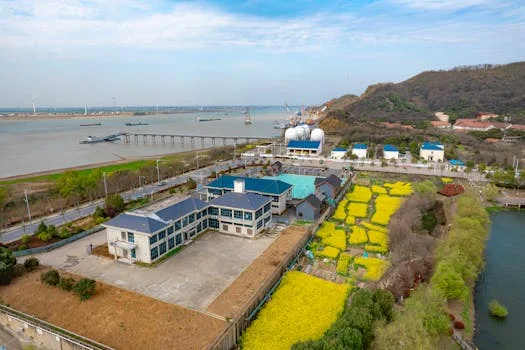
Sequencing Batch Reactor (SBR) systems achieve 90–95% BOD removal through a batch process, making them suitable for flows under 100,000 GPD in Indiana. SBRs are highly flexible, able to handle varying flow rates and organic loads by adjusting cycle times. They typically require a larger footprint than continuous flow systems due to the fill-and-draw nature but offer excellent effluent quality, often meeting Indiana’s stringent nutrient limits without additional polishing. Many rural schools or small subdivisions in Indiana opt for SBR systems due to their operational simplicity and robust performance.
Moving Bed Biofilm Reactor (MBBR) systems, in contrast, provide continuous flow treatment with 85–92% BOD removal, excelling in handling variable loads and offering a more compact footprint than SBRs. MBBRs utilize plastic carriers that provide a large surface area for biofilm growth, enhancing biological treatment efficiency. They are often chosen for industrial facilities with fluctuating effluent characteristics, or for expanding existing plants where space is limited. The continuous operation of MBBRs can lead to more stable effluent quality under consistent loading conditions.
Membrane Bioreactor (MBR) systems represent the most advanced package plant technology, achieving 98%+ BOD removal and producing reuse-quality effluent. MBR systems for Indiana’s high-efficiency nutrient removal requirements integrate biological treatment with membrane filtration (typically 0.1 μm), eliminating the need for secondary clarifiers and tertiary filtration. This results in the smallest footprint—often 60% smaller than conventional activated sludge systems—and superior effluent quality, making them ideal for sites with severe space constraints or where water reuse is desired. For example, a food processing plant requiring high-purity discharge or a development in a sensitive watershed might choose an MBR system. Specific MBR membrane bioreactor module specs include high flux rates and robust membrane materials designed for longevity and minimal fouling.
When considering the right technology for Indiana applications, cost also plays a critical role. SBR systems typically have capital costs ranging from $1.50–$3.00/GPD, while MBBR systems are generally $2.00–$4.00/GPD. MBR systems, due to their advanced filtration and superior effluent quality, often fall within the $3.50–$6.00/GPD range. These figures are subject to adjustments based on Indiana’s specific labor rates and energy costs, which can influence overall project expenses and operational budgets.
| Feature | SBR (Sequencing Batch Reactor) | MBBR (Moving Bed Biofilm Reactor) | MBR (Membrane Bioreactor) |
|---|---|---|---|
| BOD₅ Removal Efficiency | 90–95% | 85–92% | 98%+ |
| TSS Removal Efficiency | 90–95% | 85–92% | 98%+ (virtually zero) |
| Footprint | Medium-Large (Batch operation) | Medium (Biofilm carriers) | Smallest (Membrane filtration) |
| Effluent Quality | Excellent (suitable for discharge) | Good (suitable for discharge) | Superior (reuse-quality) |
| Energy Use | Moderate (intermittent aeration) | Moderate (continuous aeration) | Higher (membrane filtration requires pumping/scouring) |
| Operator Requirements | Moderate | Moderate | Higher (membrane maintenance) |
| Indiana Use Cases | Rural schools, small subdivisions, campgrounds | Industrial pretreatment, municipal upgrades, variable loads | Food processing, high-density developments, water reuse projects |
2025 Cost Breakdown: Package Wastewater Treatment Plants in Indiana
Capital costs for package wastewater treatment plants in Indiana range from $80,000 for a 5,000 GPD system to over $2.5 million for a 500,000 GPD MBR plant, based on 2025 engineering benchmarks. These figures are influenced by technology choice, effluent requirements (especially phosphorus removal), site-specific conditions, and current market rates for labor and materials. A typical cost breakdown for a new installation reveals that equipment constitutes approximately 40% of the total capital expenditure. Installation, including civil works, piping, and electrical connections, accounts for about 30%, while permitting, engineering, and design fees make up around 20%. A 10% contingency is often included to cover unforeseen issues.
Indiana-specific labor rates for certified operators and skilled trades typically range from $75–$120/hour, impacting installation and long-term operational costs. Operational and Maintenance (O&M) costs for package plants in Indiana generally fall between $0.50–$1.50/GPD. This covers energy consumption, chemical usage (for disinfection, pH adjustment, or phosphorus removal), sludge disposal, and routine maintenance. Indiana’s average electricity cost, approximately $0.12/kWh, directly affects the energy component of O&M, particularly for systems with continuous aeration or membrane filtration.
Several strategies can help optimize costs. Opting for a modular sewage treatment system, such as the WSZ series underground package plant for Indiana’s rural and industrial applications, can reduce installation time and civil work expenses. Remote monitoring capabilities can minimize operator visits and optimize chemical dosing, leading to lower O&M. Additionally, IDEM offers various grants, such as the Clean Water Indiana Program, which can provide financial assistance for eligible wastewater infrastructure projects, particularly in underserved communities. An ROI framework for package plants typically shows a payback period of 5–10 years, considering reduced discharge fees, potential water reuse savings, and avoided fines. A lifecycle cost analysis over a 20-year horizon provides a comprehensive view of total ownership costs, factoring in capital, O&M, and potential future upgrades.
| Cost Category | Typical Percentage of Capital Cost | Notes (Indiana Specific) |
|---|---|---|
| Equipment | 40% | Varies by technology (SBR, MBBR, MBR) and capacity |
| Installation (Civil, Mechanical, Electrical) | 30% | Includes excavation, concrete, piping, wiring. Indiana labor: $75–$120/hr |
| Engineering, Permitting & Design | 20% | IDEM permit fees ($1,500–$10,000), consulting services |
| Contingency | 10% | For unforeseen site conditions or regulatory changes |
| O&M Cost Component | Typical Range (per GPD) | Notes (Indiana Specific) |
|---|---|---|
| Energy | $0.15–$0.50 | Indiana electricity cost: ~$0.12/kWh |
| Chemicals | $0.10–$0.30 | Disinfection, pH, phosphorus removal (e.g., ferric chloride) |
| Sludge Disposal | $0.15–$0.40 | Transportation and landfill/land application fees |
| Labor & Maintenance | $0.10–$0.30 | Operator wages, routine parts replacement |
| Total O&M | $0.50–$1.50 |
Indiana Supplier Checklist: How to Evaluate Package Plant Vendors
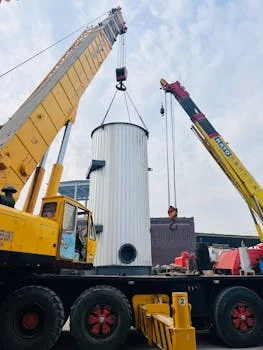
Evaluating package wastewater treatment plant vendors in Indiana requires assessing technical compliance with IDEM/EPA regulations, local service capabilities, and proven project experience. A vendor's ability to demonstrate a thorough understanding of Indiana's specific regulatory framework, including phosphorus limits for sensitive watersheds and operator certification requirements, is paramount. Look for suppliers who can provide systems that are readily scalable to accommodate future growth and integrate seamlessly with remote monitoring capabilities, which are crucial for optimizing operation and maintenance in geographically dispersed Indiana sites.
Local presence is a significant advantage. Vendors with Indiana-based service teams, engineering support, and spare parts inventory can offer quicker response times for maintenance, troubleshooting, and emergencies, especially critical during Indiana’s harsh winters. Inquire about specific Indiana projects the vendor has completed, such as rural community retrofits or industrial facility installations, to gauge their relevant experience. While not naming specific competitors, the presence of various local and regional suppliers underscores the importance of this criterion.
A comprehensive warranty and support package is non-negotiable. Demand a minimum 2-year equipment warranty and inquire about 24/7 emergency response services, as equipment failures in cold weather can lead to severe environmental and operational issues. Finally, use an evaluation scorecard during the RFP process to objectively compare vendors based on critical criteria:
| Question | Evaluation Criteria |
|---|---|
| 1. Does the system meet IDEM’s 0.5 mg/L phosphorus limits for sensitive watersheds? | Regulatory Compliance |
| 2. Can the system effectively handle Indiana’s variable temperature conditions and cold winters? | Climate Adaptability |
| 3. Does the vendor have a local Indiana service team for rapid response? | Local Support |
| 4. What is the guaranteed BOD₅ and TSS effluent quality (mg/L)? | Performance Guarantee |
| 5. What is the system’s energy consumption (kWh/day) for the specified flow? | Operational Efficiency |
| 6. Is the system designed for future capacity expansion/modularity? | Scalability |
| 7. Does the vendor offer remote monitoring and control capabilities? | Automation & Monitoring |
| 8. What is the minimum equipment warranty (years) and what support is included? | Warranty & Support |
| 9. Can the vendor provide references for similar projects in Indiana? | Experience & References |
| 10. What is the estimated total lifecycle cost over 20 years, including O&M? | Lifecycle Cost Analysis |
Frequently Asked Questions
Common questions from Indiana buyers regarding package wastewater treatment plants often revolve around minimum flow requirements, typical costs, operator certification, and winterization features.
What is the smallest package wastewater treatment plant allowed in Indiana?
For single-family homes, IDEM’s Rule 16 allows for systems as small as 500 GPD. However, for commercial, industrial, or multi-user applications, the minimum design flow for package wastewater treatment plants typically starts at 5,000 GPD to ensure robust treatment and compliance with IDEM regulations.
How much does a 50,000 GPD package plant cost in Indiana?
A 50,000 GPD package plant in Indiana, including equipment, installation, and permitting, generally costs between $350,000 and $600,000 for SBR or MBBR systems. MBR systems, offering superior effluent quality and a smaller footprint, typically cost 20–30% more due to advanced membrane technology and higher energy demands.
Do Indiana package plants require a certified operator?
Yes, Indiana package plants with design flows greater than 50,000 GPD require a certified operator. IDEM’s Rule 16 mandates that operators must complete a minimum of 40 hours of specialized training and pass a certification exam to ensure proper plant operation and compliance.
Can package plants handle Indiana’s cold winters?
Yes, package wastewater treatment plants designed for Indiana’s climate incorporate winterization features. This includes insulated tanks, heat tracing for exposed pipes and equipment, and robust construction materials. Systems like the WSZ series underground package plant for Indiana’s rural and industrial applications are specifically designed for cold weather operation, minimizing thermal losses and ensuring biological activity even in freezing temperatures.
What are Indiana’s phosphorus limits for wastewater discharge?
Indiana’s phosphorus limits for wastewater discharge are 0.5 mg/L in sensitive watersheds, such as those draining into Lake Michigan and sections of the White River. For other watersheds, the typical limit is 1.0 mg/L. IDEM’s 327 IAC 5-2.1 outlines these compliance requirements, often necessitating advanced treatment technologies for phosphorus removal.
Related Equipment
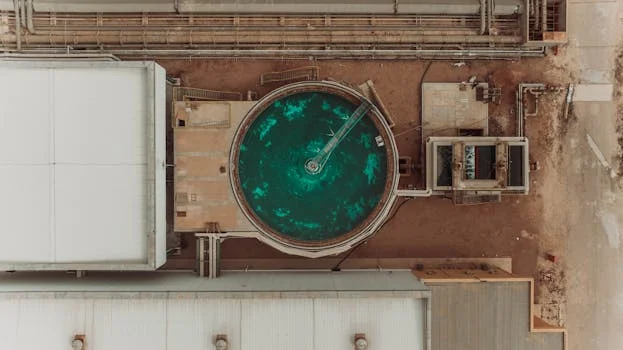
The following HydropureWater products are engineered for the wastewater challenges discussed above:
- Chlorine dioxide generators for Indiana’s disinfection compliance — view specifications, capacity range, and technical data
Need a customized solution? Request a free quote with your specific flow rate and pollutant parameters.