Package Wastewater Treatment Plants in New Hampshire USA: 2025 Engineering Guide with Costs, Compliance & Supplier Checklist
Package wastewater treatment plants in New Hampshire offer a compact, cost-effective solution for municipalities and industries facing space constraints or decentralized needs. According to NHDES 2024 benchmarks, package systems achieve 90–98% BOD/TSS removal at flow rates of 10,000–500,000 GPD, with footprints 60–80% smaller than conventional plants. NHDES permits require secondary treatment (30 mg/L BOD/TSS) for most applications, with additional disinfection for surface discharge. This guide provides 2025 engineering specs, cost benchmarks ($120K–$2.5M), and a supplier checklist to streamline compliance and procurement.
Why New Hampshire Municipalities and Industries Are Switching to Package Wastewater Treatment Plants
Space constraints and the rising costs of conventional plant expansions are driving New Hampshire municipalities and industries towards package wastewater treatment plants. Many towns, like Wolfeboro, NH, face increasing demand for septage acceptance and wastewater treatment capacity but are limited by land availability and the prohibitive expense of expanding existing conventional facilities. Package wastewater treatment plants offer a scalable, decentralized approach that addresses these challenges directly.
For municipalities such as Hampton, NH, managing a mix of domestic and industrial wastes presents challenges for conventional systems that may struggle with variable influent loads. Package plants, with their modular design and adaptable processes, can be engineered to handle diverse wastewater streams more flexibly. Even larger facilities, like Portsmouth's Pease Wastewater Treatment Facility, which processes 1.2 MGD to secondary treatment standards, demonstrate that package plant technologies can meet stringent NHDES requirements at substantial scales, often with a smaller physical footprint.
Consider three common New Hampshire scenarios where compact sewage treatment systems provide a superior solution:
- Municipal Upgrade for a Growing Town: A small New Hampshire town needs to increase its wastewater treatment capacity by 50,000 GPD due to new housing developments. A conventional expansion would require significant land acquisition and a multi-year permitting process. A modular package plant, however, can be installed on existing municipal property, reducing land costs and accelerating project completion.
- Industrial Park Development: A new industrial park near Manchester, NH, requires a dedicated wastewater treatment solution for multiple tenants with varying industrial effluents. Rather than connecting to an overburdened municipal system or building a massive central plant, an MBR system or WSZ series underground package plant offers the flexibility to treat specific waste streams efficiently and expand capacity as the park grows.
- Rural School District: A remote school in northern New Hampshire, currently relying on failing septic systems, needs a reliable and compliant wastewater solution. Without access to a municipal sewer line, a compact package plant provides a self-contained, high-performance treatment system that meets NHDES discharge standards and is manageable for local staff.
The operational and financial advantages of package plants become clear when compared against traditional systems:
| Feature | Conventional Wastewater Treatment Plant | Package Wastewater Treatment Plant |
|---|---|---|
| Footprint | Large, extensive land requirement (e.g., acres for lagoons, clarifiers) | Compact, 60–80% smaller (e.g., hundreds of square feet) |
| Capital Cost (100k GPD) | High ($5M–$50M+) | Moderate ($120K–$2.5M) |
| Permitting Time | Long (12–24 months for NHDES review) | Shorter (3–6 months for NHDES expedited review) |
| Scalability | Difficult, costly expansions | Modular, easy capacity additions |
| Construction Time | 18–36 months | 3–9 months (prefabricated, plug-and-play) |
Package Wastewater Treatment Plant Engineering Specs for New Hampshire Applications
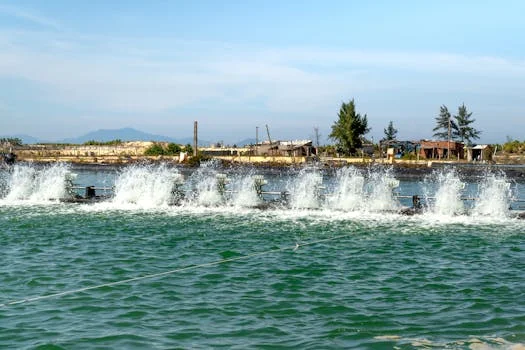
Package wastewater treatment plants designed for New Hampshire applications typically achieve 90–98% BOD/TSS removal, meeting NHDES secondary treatment standards. These systems are engineered to handle diverse flow rates and influent compositions common across New Hampshire's municipal, industrial, and commercial sectors. For instance, flow rate capabilities for modern package plants range from 1 m³/h (approximately 264 GPD) for small commercial facilities up to 500 m³/h (132,000 GPD) for larger municipal or industrial needs, with modular systems capable of reaching capacities like Portsmouth’s 1.2 MGD through multiple units.
Achieving NHDES secondary treatment standards, which mandate effluent concentrations of 30 mg/L BOD and 30 mg/L TSS, is a baseline for most package plants. Advanced systems, such as MBR systems for NH’s high-efficiency secondary treatment needs, can consistently achieve <10 mg/L BOD/TSS. Disinfection is a critical component for surface water discharge permits in New Hampshire. NHDES regulations often require effective pathogen removal, typically achieved using chlorine dioxide or UV disinfection, ensuring compliance with public health standards (per NHDES guidelines).
Footprint efficiency is a primary driver for selecting package plants in land-constrained areas. These systems typically require 50–200 sq ft per 1,000 GPD of treated wastewater, representing a 60–80% reduction in land area compared to conventional activated sludge plants. Energy consumption is also significantly lower, with package plants operating in the range of 0.2–0.5 kWh/m³, a substantial improvement over the 0.8–1.2 kWh/m³ typically seen in conventional activated sludge systems. This reduction in energy use contributes to lower operational costs and a smaller carbon footprint, which is increasingly important for New Hampshire communities.
For decentralized applications, WSZ series underground package plants for NH municipalities offer a discreet, space-saving solution, minimizing visual impact while providing robust treatment.
| Parameter | Municipal Application (e.g., small town, school) | Industrial Application (e.g., manufacturing, food processing) | Commercial Application (e.g., hotel, resort) |
|---|---|---|---|
| Flow Rate Range | 10,000–250,000 GPD (38–950 m³/h) | 20,000–500,000 GPD (75–1900 m³/h) | 5,000–50,000 GPD (19–190 m³/h) |
| BOD/TSS Removal Efficiency | 90–95% (secondary treatment) | 90–98% (secondary to advanced) | 90–95% (secondary treatment) |
| Footprint | 75–150 sq ft per 1,000 GPD | 50–120 sq ft per 1,000 GPD | 100–200 sq ft per 1,000 GPD |
| Energy Use | 0.3–0.5 kWh/m³ | 0.2–0.4 kWh/m³ | 0.4–0.5 kWh/m³ |
| Key Treatment Stage | Biological (MBR, SBR, extended aeration) | Biological, chemical, physical (specific to waste) | Biological (extended aeration, MBR) |
NHDES Compliance Checklist for Package Wastewater Treatment Plants
Navigating NHDES regulations is critical for package wastewater treatment plant approval in New Hampshire, with specific permit types governing discharge methods. Compliance begins with identifying the correct permit pathway for your project. The primary permit types include the National Pollutant Discharge Elimination System (NPDES) permit for surface water discharge, a Groundwater Discharge Permit for subsurface infiltration, or, in specific cases like Wolfeboro's septage operations, a Septage Management Permit for facilities handling hauled waste.
All package plants in New Hampshire must achieve secondary treatment standards, as defined by NHDES Rule Env-Wq 700, which mandates effluent concentrations of 30 mg/L for both Biochemical Oxygen Demand (BOD₅) and Total Suspended Solids (TSS). For facilities discharging to surface waters, additional disinfection requirements apply. NHDES-approved methods typically include ultraviolet (UV) disinfection or the use of NHDES-approved chlorine dioxide generators for surface discharge, ensuring the removal of harmful pathogens before effluent release. Facilities like Portsmouth's Pease WWTP, which discharges to surface waters, adhere to these stringent disinfection protocols.
Beyond initial permitting and design, ongoing monitoring and reporting are essential for maintaining compliance. NPDES permits generally require monthly Discharge Monitoring Reports (DMRs), detailing effluent quality and flow rates. Groundwater Discharge Permits may require quarterly reporting. Adherence to these reporting schedules and maintaining accurate operational records are crucial for avoiding penalties and ensuring long-term NHDES compliance for any package wastewater treatment plant in New Hampshire.
| Phase | NHDES Package Plant Permitting Steps | Description |
|---|---|---|
| 1. Pre-Application | Initial Consultation with NHDES | Discuss project scope, potential discharge options, and preliminary permit requirements with NHDES staff. |
| 2. Design Review | Submit Engineering Plans (Env-Wq 700) | Provide detailed design documents, including treatment process, flow rates, effluent quality projections, and site plan, for NHDES approval. |
| 3. Permit Application | File Specific Permit (NPDES, Groundwater, or Septage) | Complete and submit the relevant permit application, including all required forms, fees, and supporting documentation. |
| 4. Public Notice & Review | Public Comment Period | NHDES issues public notice; addresses public comments and concerns regarding the proposed discharge. |
| 5. Permit Issuance | Receive Approved Permit | NHDES issues the final permit with specific effluent limits, monitoring requirements, and operational conditions. |
| 6. Construction & Inspection | Construction Oversight & Final Inspection | Construct the package plant according to approved plans; NHDES conducts final inspection before operation. |
| 7. Operation & Reporting | Ongoing Monitoring & DMRs | Operate the plant, conduct required sampling, and submit regular Discharge Monitoring Reports (DMRs) to NHDES. |
Package vs. Conventional Wastewater Treatment Plants: Cost and ROI Comparison for New Hampshire
Package wastewater treatment plants in New Hampshire demonstrate a significantly lower capital expenditure and faster return on investment compared to conventional systems. For a facility treating 10,000 to 500,000 GPD, package plants typically incur capital costs ranging from $120,000 to $2.5 million. This contrasts sharply with conventional wastewater treatment plants, which can demand capital investments of $5 million to over $50 million, as seen in large municipal projects like those in Wolfeboro or Hampton.
Operational and maintenance (O&M) costs also favor package plants. Average O&M costs for package systems in New Hampshire typically fall between $0.50 and $1.20 per 1,000 gallons, driven by their automated operation and reduced labor requirements. Conventional plants, conversely, often incur O&M costs ranging from $1.50 to $3.00 per 1,000 gallons due to higher energy consumption, increased staffing needs, and more complex maintenance schedules. To calculate your NH WWTP cost per gallon with this ROI tool, consider these benchmarks.
The return on investment (ROI) for package plants is further bolstered by several key drivers. Land savings are substantial, especially in developed areas of New Hampshire where commercial land can cost $50–$150 per square foot. Package plants require 60–80% less land than conventional facilities, freeing up valuable real estate or reducing acquisition costs. the modular nature of package plants allows for phased expansion, matching capacity to demand and avoiding the upfront over-investment often associated with conventional projects. Permitting timelines are also expedited for package systems, typically requiring 3–6 months for NHDES review, compared to 12–24 months for complex conventional plant approvals, which translates to faster project realization and quicker returns.
| Feature | Package Wastewater Treatment Plant | Conventional Wastewater Treatment Plant |
|---|---|---|
| Capital Cost (10k-500k GPD) | $120,000 – $2.5 Million | $5 Million – $50 Million+ |
| O&M Cost (per 1,000 gallons) | $0.50 – $1.20 | $1.50 – $3.00 |
| Footprint Efficiency | Very High (60-80% smaller) | Low (large land requirement) |
| Permitting Time (NHDES) | 3 – 6 Months (expedited review) | 12 – 24 Months (extensive review) |
| Scalability & Flexibility | Modular, easy expansion, adaptable to variable loads | Fixed capacity, difficult and costly expansions |
| Typical ROI Period | 3 – 7 Years (due to lower CapEx, O&M, land savings) | 8 – 15+ Years (due to high CapEx, long permitting) |
How to Select a Package Wastewater Treatment Plant Supplier for New Hampshire Projects
Selecting a package wastewater treatment plant supplier for New Hampshire projects requires specific consideration of cold-weather performance, NHDES regulatory expertise, and local service capabilities. New Hampshire's harsh winters necessitate robust designs that incorporate freeze protection for pipes, pumps, and treatment units, ensuring continuous operation even in sub-freezing temperatures. A reputable supplier will demonstrate a proven track record of successful installations in similar cold climates and provide detailed specifications for insulation, heating elements, and winterization protocols.
Beyond engineering, NHDES permit assistance is non-negotiable. The supplier should have a deep understanding of New Hampshire's environmental regulations (Env-Wq 700), permit types (NPDES, Groundwater Discharge), and reporting requirements. They should be able to provide NHDES permit references from previous projects and actively support the client throughout the application and design review process. Local service and support are also critical for minimizing downtime and ensuring long-term operational efficiency. Proximity for emergency repairs, spare parts availability, and routine maintenance contracts are key factors.
Consider the successful implementation of a package plant for a growing industrial facility in Nashua, NH. Facing increased wastewater discharge and stringent NHDES limits, the facility partnered with a supplier that not only provided a high-efficiency MBR package plant but also offered comprehensive NHDES permit guidance, cold-weather design modifications, and a 24/7 local service agreement. This comprehensive approach ensured the plant met its 1.2 MGD secondary treatment requirement, similar to Portsmouth’s facility, while maintaining continuous compliance and operational reliability throughout the year.
When evaluating modular WWTP suppliers USA-wide, watch out for red flags. Avoid suppliers who cannot provide specific NHDES permit references, offer vague compliance guarantees, or lack readily available 24/7 technical support and spare parts in the New England region. These omissions can lead to costly delays, compliance issues, and operational failures.
| Question Category | 10 Questions to Ask NH Package Plant Suppliers |
|---|---|
| Experience & References | 1. Can you provide NHDES permit references for package plants installed in New Hampshire within the last 5 years? |
| 2. Do you have case studies of package plants operating successfully in cold-weather climates similar to NH? | |
| Technical & Design | 3. What specific cold-weather design features (e.g., insulation, heating, burial depth) are standard for your NH-bound systems? |
| 4. How does your system achieve NHDES secondary treatment (30/30 BOD/TSS) and disinfection requirements consistently? | |
| 5. Can your system accommodate variable flow rates and influent compositions common in NH municipal/industrial settings? | |
| Compliance & Permitting | 6. What level of NHDES permit application assistance do you provide, from pre-application to final approval? |
| 7. How do you support ongoing NHDES monitoring, reporting (DMRs), and compliance activities? | |
| Service & Support | 8. Do you have local service technicians or a service partner network within New Hampshire for emergency support? |
| 9. What are your guarantees regarding uptime, effluent quality, and availability of spare parts? | |
| Cost & ROI | 10. Can you provide a detailed lifecycle cost analysis, including capital, O&M, and potential ROI for a NH project? |
Frequently Asked Questions
What is a package sewage treatment plant?
A package sewage treatment plant is a self-contained, prefabricated wastewater treatment system designed for decentralized applications. It integrates multiple treatment processes (e.g., aeration, clarification, disinfection) into a compact unit, offering a cost-effective and space-efficient solution for areas without access to municipal sewer lines or for facilities needing dedicated treatment, achieving 90-98% BOD/TSS removal.
What is a package water treatment plant?
A package water treatment plant is a compact, pre-engineered system designed to treat raw water (e.g., from wells, rivers, lakes) to potable standards. While similar in concept to package wastewater plants, its focus is on drinking water purification, typically involving coagulation, flocculation, sedimentation, filtration, and disinfection to meet safe drinking water regulations, not wastewater discharge limits.
What NHDES permits are needed for a package WWTP in NH?
In New Hampshire, package wastewater treatment plants typically require either a National Pollutant Discharge Elimination System (NPDES) permit for surface water discharge, a Groundwater Discharge Permit for subsurface infiltration, or a Septage Management Permit for facilities accepting hauled waste. NHDES Rule Env-Wq 700 also governs design and operational standards.
What are the typical costs for a package plant in NH?
The typical capital cost for a package wastewater treatment plant in New Hampshire ranges from $120,000 to $2.5 million, depending on flow rate (10,000–500,000 GPD), treatment complexity, and site-specific conditions. Operational and maintenance costs generally fall between $0.50 and $1.20 per 1,000 gallons, significantly lower than conventional plants.
How do package plants handle NH's winter temperatures?
Package plants in New Hampshire are designed with cold-weather considerations. This includes robust insulation for tanks and piping, submersible or enclosed equipment, and sometimes heating elements or deeper burial for underground units to prevent freezing. Suppliers with NH experience incorporate these features to ensure continuous operation and compliance during sub-freezing conditions.
How do Mexico’s package plant regulations compare to NH’s?
While both Mexico and New Hampshire prioritize wastewater treatment, their regulatory frameworks differ significantly. Mexico's NOM-001-SEMARNAT-1996 sets general effluent limits, often focusing on basic secondary treatment for diverse applications. New Hampshire's NHDES regulations are often more granular, with specific discharge permits (NPDES, Groundwater) and stricter monitoring for effluent quality, especially concerning disinfection for surface discharge. For more on How Mexico’s package plant regulations compare to NH’s, see our detailed guide.
What are industrial WWTP strategies for U.S. states with strict regulations?
Industrial wastewater treatment strategies for states with strict regulations, like New Hampshire, often involve advanced package plant technologies such as MBRs, tailored pretreatment, and robust monitoring systems. The focus is on achieving stringent effluent limits (e.g., for specific pollutants beyond BOD/TSS), minimizing discharge volume, and ensuring continuous compliance through automation and expert operational support. See Industrial WWTP strategies for U.S. states with strict regulations for a broader perspective.