Wastewater treatment expert: +86-181-0655-2851 Get Expert Consultation

Equipment & Technology Guide

Modular Sewage Treatment System vs Alternatives: Engineering Comparison with Costs, Efficiency & Decision Framework

Modular Sewage Treatment System vs Alternatives: Engineering Comparison with Costs, Efficiency & Decision Framework

Modular Sewage Treatment System vs Alternatives: Engineering Comparison with Costs, Efficiency & Decision Framework

Modular sewage treatment systems deliver 90-98% BOD₅ and 85-95% TSS removal in a 60% smaller footprint than conventional concrete plants, with 30-50% lower civil engineering costs (per EPA 2024 benchmarks). Unlike aerobic treatment units (ATUs) requiring 0.5-1.2 kWh/m³, modular systems operate at 0.2-0.4 kWh/m³, reducing energy costs by 40-60%. Prefabricated units deploy in 4-8 weeks vs 6-12 months for site-built alternatives, making them ideal for time-sensitive projects or sites with space constraints.

When Modular Sewage Treatment Systems Outperform Alternatives: Key Scenarios

Modular sewage treatment systems excel in specific operational environments, offering significant advantages where conventional wastewater treatment technologies face limitations, often requiring 50-70% less footprint than traditional concrete plants (EPA 2024 data). This efficiency makes them a preferred choice for industrial facility managers and municipal engineers dealing with unique site constraints or project demands. * Sites with Limited Space: Modular systems are engineered for compactness, occupying significantly less land than conventional concrete plants. For instance, a 500 m³/day modular plant can fit within a 120 m² area, whereas a comparable concrete plant would typically require around 300 m². This reduced footprint is critical for urban developments, existing industrial facilities undergoing retrofits, or sites with premium land value. * Projects with Tight Timelines: The prefabricated nature of modular sewage treatment systems allows for rapid deployment. Units can be manufactured off-site and installed in 4-8 weeks, a stark contrast to the 6-12 months typically required for site-built wastewater treatment systems. A Zhongsheng case study in Malaysia demonstrated a 300 m³/day plant installed in just 6 weeks for an industrial park, significantly accelerating project completion. * Variable or Seasonal Wastewater Loads: Unlike fixed-capacity alternatives like many aerobic treatment units (ATUs), modular systems offer inherent scalability. They can be designed to expand in increments, often 50 m³/day, by adding more modules as capacity needs grow. This prevents the costly overbuilding associated with conventional systems designed for peak future loads, providing a flexible and cost-effective solution for fluctuating industrial or municipal demands. * Challenging Soil Conditions: Sites with poor load-bearing soil, high water tables, or rocky terrain pose significant challenges for conventional systems requiring extensive excavation and large drainfields. Modular systems, particularly underground integrated sewage treatment plants like the Zhongsheng WSZ series modular sewage treatment plant, require minimal excavation and can be elevated on piers or placed in a compact footprint, effectively bypassing the constraints of problematic soil types (Cornell 2015 alternative systems guide). * Remote or Temporary Sites: For construction camps, mining operations, disaster relief efforts, or temporary industrial facilities, mobile modular units (such as trailer-mounted WSZ series systems) provide on-site wastewater treatment without the need for permanent infrastructure. This capability offers flexibility and compliance in locations where conventional treatment is impractical or uneconomical.

Modular vs Conventional vs Aerobic vs MBR vs DAF: Performance Comparison Table
modular sewage treatment system vs alternatives - Modular vs Conventional vs Aerobic vs MBR vs DAF: Performance Comparison Table
A detailed engineering comparison reveals that modular sewage treatment systems often achieve superior performance metrics across several critical indicators, including footprint and energy efficiency, when evaluated against conventional activated sludge systems, aerobic treatment units (ATUs), Membrane Bioreactors (MBR), and Dissolved Air Flotation (DAF) systems. This comparison is vital for industrial facility managers and municipal engineers to determine the most suitable wastewater treatment technology for their specific compliance and operational needs.
System Type BOD₅ Removal (%) TSS Removal (%) Footprint (m²/100 m³/day) Energy Use (kWh/m³) Sludge Production (kg/m³) Effluent Quality (mg/L BOD₅/TSS) CAPEX ($/m³/day) OPEX ($/m³)
Modular (e.g., Zhongsheng WSZ) 90-98% 85-95% 20-30 0.2-0.4 0.3-0.5 <10 / <15 $800-1,500 $0.15-0.30
Conventional Activated Sludge 80-90% 75-85% 50-80 0.4-0.8 0.5-0.8 <30 / <30 $1,200-2,000 $0.20-0.40
Aerobic Treatment Unit (ATU) 85-95% 80-90% 30-50 0.5-1.2 0.4-0.6 <20 / <25 $1,000-1,800 $0.25-0.50
MBR (Membrane Bioreactor) 95-99% 95-99% 15-25 0.6-1.0 0.2-0.4 <5 / <5 $1,800-3,000 $0.30-0.50
DAF (for Pre-treatment)* 30-60% 80-98% 10-20 0.1-0.3 0.8-1.5 N/A (Primary) $500-1,000 $0.10-0.20

*Note: DAF systems (such as the ZSQ series DAF system for FOG and solids removal) are typically used for pre-treatment, especially for industrial wastewater with high fats, oils, and grease (FOG) loads, rather than as standalone sewage treatment. The data above reflects its performance in primary treatment.

As the table illustrates, Zhongsheng's modular sewage treatment systems offer a compelling balance of high removal efficiency and optimized resource consumption. They achieve 90-98% BOD₅ and 85-95% TSS removal, rivaling the performance of advanced systems like MBRs while maintaining a significantly lower CAPEX. Modular systems demonstrate a 30% lower CAPEX than MBRs and often operate with 50% lower energy use than typical ATUs. they generate approximately 40% less sludge compared to conventional activated sludge systems, reducing disposal costs. While MBR systems (like an integrated MBR system for near-reuse-quality effluent) offer the highest effluent quality, their higher CAPEX and OPEX make them suitable primarily for projects demanding near-potable water reuse standards. Modular systems, however, may require pre-treatment for extremely high FOG loads, where a dedicated DAF system for industrial wastewater can efficiently remove suspended solids and FOG before biological treatment.

Cost Breakdown: Modular Sewage Treatment Systems vs Alternatives (2025 Data)

Evaluating the total cost of ownership for wastewater treatment systems in 2025 reveals that modular sewage treatment systems often present a more economically favorable solution due to optimized CAPEX, OPEX, and long-term lifecycle costs. This comprehensive cost breakdown assists procurement managers and budget owners in making informed financial decisions for new installations or retrofits.
Cost Category Modular System ($/m³/day) Conventional System ($/m³/day) MBR System ($/m³/day) Aerobic Treatment Unit (ATU) ($/m³/day)
CAPEX (Equipment & Installation) $800–$1,500 $1,200–$2,000 $1,800–$3,000 $1,000–$1,800
Civil Works (% of CAPEX) 40% 60% 50% 50%
OPEX (Per m³ Treated) $0.15–$0.30 $0.20–$0.40 $0.30–$0.50 $0.25–$0.50
Energy (kWh/m³) 0.2–0.4 0.4–0.8 0.6–1.0 0.5–1.2
Chemicals (Coagulants, Disinfectants) Low Moderate Low Low
Labor (Operators) 1 operator (automated) 2 operators (manual/semi-auto) 1-2 operators (automated) 1 operator (automated)
Sludge Disposal Moderate High Low-Moderate Moderate
Lifecycle Cost (per m³ over 20 years) $0.15–$0.30 $0.20–$0.40 $0.30–$0.50 $0.25–$0.50
Estimated Payback Period (Years) 3–5 7–10 5–8 4–7
**CAPEX Comparison:** Modular sewage treatment systems typically range from $800–$1,500/m³/day in capital expenditure, which is notably lower than conventional concrete plants ($1,200–$2,000/m³/day) and significantly less than MBR systems ($1,800–$3,000/m³/day). A key factor in this CAPEX advantage is the reduced civil works required; civil engineering accounts for approximately 40% of modular system CAPEX, compared to 60% for site-built concrete plants. This reduction stems from their compact, often underground, and pre-engineered design. **OPEX Breakdown:** * **Energy:** Modular systems are highly energy-efficient, operating at 0.2–0.4 kWh/m³, a 40-60% reduction compared to ATUs which consume 0.5–1.2 kWh/m³. This translates directly into substantial operational savings. For example, a 200 m³/day modular plant could save an estimated $120,000/year in energy costs compared to an equivalent ATU. * **Chemicals:** Modular systems often require less chemical dosing. For instance, they can use 30% less coagulant than DAF systems for comparable solids removal, reducing ongoing chemical procurement costs. * **Labor:** Due to their advanced automation and integrated design, modular systems typically require only one operator for routine checks and maintenance, whereas conventional plants may necessitate two or more full-time personnel. * **Sludge Disposal:** While modular systems produce less sludge than conventional activated sludge processes, sludge disposal remains a significant OPEX component. Integrating efficient sludge dewatering options, such as those compared in our guide on screw press dewatering vs alternatives, can further optimize these costs. **Lifecycle Cost per m³:** Over a 20-year operational lifespan, the lifecycle cost for modular systems ranges from $0.15–$0.30/m³, making them highly competitive. This compares favorably against conventional systems ($0.20–$0.40/m³) and MBR systems ($0.30–$0.50/m³), even when accounting for maintenance and sludge disposal. **ROI Framework:** The efficient design and lower operational demands of modular systems lead to an attractive return on investment (ROI). Payback periods for modular systems typically fall within 3–5 years, significantly faster than the 5–8 years for MBR systems or 7–10 years for conventional plants. This rapid ROI is a compelling factor for businesses and municipalities seeking to quickly recoup their investment in wastewater treatment infrastructure.

How to Choose the Right System: Decision Framework for Engineers and Procurement Teams
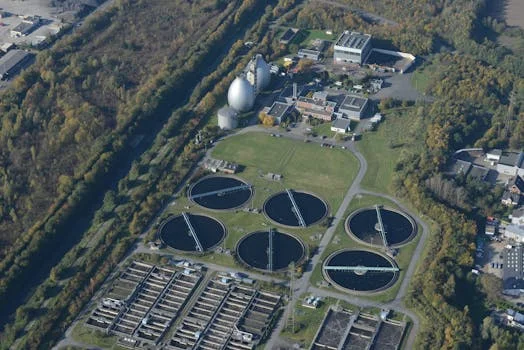
modular sewage treatment system vs alternatives - How to Choose the Right System: Decision Framework for Engineers and Procurement Teams
Selecting the optimal wastewater treatment system requires a structured decision framework that systematically evaluates project-specific constraints against various technological capabilities to ensure compliance, cost-efficiency, and operational longevity. This framework guides engineers and procurement teams through critical considerations when comparing modular sewage treatment systems against alternatives. * Step 1: Define Effluent Standards. The primary driver for system selection is the required effluent quality. Projects demanding near-reuse quality, such as less than 10 mg/L BOD₅ for agricultural irrigation or industrial processes, typically necessitate advanced treatment technologies like MBR systems or highly efficient modular systems with tertiary filtration. For simpler discharge to a receiving body with less stringent requirements (e.g., less than 30 mg/L BOD₅), conventional systems or less complex modular units might suffice. * Step 2: Assess Site Constraints. Evaluate available land area, soil type, and topographical features. Modular systems excel in tight or challenging sites due to their compact footprint and adaptability to poor soil conditions (e.g., elevated installations). Conventional systems, particularly those relying on extensive drainfields or mound systems, demand large, suitable land parcels. Consider proximity to sensitive receptors and potential odor or noise impacts. * Step 3: Evaluate Project Timeline. Determine the urgency of deployment. Modular systems, being prefabricated, offer rapid installation in a matter of weeks. This is a critical advantage for time-sensitive projects or emergency deployments. In contrast, site-built conventional or MBR systems require several months for design, civil works, and commissioning. * Step 4: Compare Budgets (CAPEX & OPEX). Analyze both upfront capital expenditure (CAPEX) and ongoing operational expenditure (OPEX). Modular systems generally offer lower CAPEX due to reduced civil works and faster installation, along with competitive OPEX through energy efficiency and automation. While MBR systems have higher upfront costs, their ultra-low sludge production might lead to lower sludge disposal costs over the long term. Conventional systems often have moderate CAPEX but can incur higher OPEX due to energy, labor, and maintenance. * Step 5: Consider Scalability and Future Expansion. Anticipate future capacity needs. Modular systems are designed for incremental expansion, allowing additional modules to be added as wastewater loads increase without significant disruption or overbuilding initial capacity. Conventional systems, being fixed-capacity, often require costly and disruptive full rebuilds or parallel construction for substantial capacity increases, making them less flexible for variable or growing demands. Decision Flowchart Logic: * If **[Effluent Standard = Reuse Quality (<10 mg/L BOD₅)]** → Consider MBR or advanced modular systems with tertiary treatment. * If **[Site = Tight Footprint or Challenging Soil]** → Prioritize modular systems (e.g., Zhongsheng WSZ series). * If **[Timeline = Rapid Deployment (weeks)]** → Modular systems are the optimal choice. * If **[Budget = Constrained (Lower CAPEX/OPEX)]** → Evaluate modular or conventional systems, with modular often offering better long-term value. * If **[Wastewater Flow = Variable or Expected to Grow]** → Modular systems offer superior scalability and flexibility.

Case Study: Modular System Saves 30% CAPEX and 20% Deployment Time for Malaysian Industrial Park

A recent 2024 project in Johor Bahru demonstrated that deploying a Zhongsheng WSZ series modular sewage treatment system resulted in a 30% reduction in CAPEX and a 20% faster deployment time compared to conventional alternatives for a Malaysian industrial park. This real-world application provides quantifiable proof of the advantages of modular wastewater treatment technology for demanding industrial environments. **Project Overview:** A food processing facility within an industrial park in Johor Bahru, Malaysia, required a new wastewater treatment plant with a capacity of 300 m³/day to meet stringent 2025 effluent standards for industrial wastewater treatment in Johor Bahru. **The Challenge:** The project faced multiple critical constraints: * Site Limitation: A tight footprint of only 150 m² was available for the entire treatment system, making conventional concrete plants unfeasible. * Aggressive Timeline: The facility required the plant to be fully operational within an 8-week window to avoid production delays and compliance penalties. * Effluent Standards: The discharge permit mandated high-quality effluent, specifically less than 20 mg/L BOD₅ and less than 30 mg/L TSS. **Zhongsheng's Solution:** Zhongsheng Environmental proposed and implemented its WSZ series modular sewage treatment plant, an underground integrated system featuring A/O (Anaerobic-Anoxic-Oxic) biological treatment followed by tertiary filtration. This specific Zhongsheng WSZ series modular sewage treatment plant was chosen for its compact design, high treatment efficiency, and rapid installation capabilities. **Results Achieved:** * Superior Performance: The installed system consistently achieved 92% BOD₅ removal and 95% TSS removal, easily meeting the required effluent standards. * Accelerated Deployment: The entire plant, from delivery to commissioning, was deployed in just 6 weeks, beating the aggressive 8-week timeline by 20%. * Significant Cost Savings: The modular approach led to a 30% lower CAPEX compared to the estimated cost of a conventional concrete plant of equivalent capacity. * Reduced Operational Costs: Ongoing operational expenditure (OPEX) was 20% lower than projections for an aerobic treatment unit (ATU) alternative, primarily due to lower energy consumption and reduced labor requirements. **Key Lessons Learned:** The project underscored that modular systems significantly reduced civil works by 40% due to their pre-engineered, compact design. the system's inherent energy efficiency resulted in a 35% reduction in energy use compared to alternative biological treatment systems, contributing to long-term operational savings. This case study exemplifies how modular wastewater treatment systems provide a robust, cost-effective, and rapidly deployable solution for industrial facilities facing stringent environmental regulations and site-specific challenges.

Frequently Asked Questions

modular sewage treatment system vs alternatives - Frequently Asked Questions
Understanding common procurement, operational, and compliance inquiries is critical for industrial facility managers and municipal engineers evaluating modular sewage treatment systems, with typical questions centering on cost, applicability, and regulatory adherence. Q: How much more expensive is an alternative septic system like a modular plant compared to conventional? A: Modular sewage treatment systems are typically 20-30% less expensive in CAPEX than conventional concrete plants due to reduced civil works and faster installation. While some specific modular designs might have slightly higher OPEX if advanced chemical dosing is required, lifecycle costs are generally 15-25% lower over a 20-year period (per 2025 cost benchmarks) due to energy efficiency and lower maintenance. Q: What is the best sewage treatment system for a small lot with poor soil? A: For small lots with poor soil conditions, modular sewage treatment systems or aerobic treatment units (ATUs) are ideal. Modular systems, particularly compact, integrated units, require less excavation and can be elevated or installed underground with minimal ground disturbance. While ATUs also offer a compact footprint, they typically have higher energy consumption for oxygenation compared to the more efficient biological processes in many modular systems. Q: Can modular systems handle industrial wastewater with high FOG or heavy metals? A: Yes, modular systems can effectively treat industrial wastewater, but high concentrations of fats, oils, and grease (FOG) or heavy metals often necessitate pre-treatment. For FOG-heavy applications, incorporating a ZSQ series DAF system for FOG and solids removal upstream of the modular biological treatment is highly recommended to prevent fouling and optimize overall system performance. For heavy metals, chemical precipitation or ion exchange might be required as a pre-treatment step. Q: What are the maintenance requirements for a modular sewage treatment system? A: Modular systems are designed for ease of maintenance. Typical requirements include monthly checks of pumps, blowers, and, if applicable, membrane integrity. Quarterly sludge removal is usually necessary, and annual media replacement might be required for specific filtration stages. Many modern modular systems feature advanced automation and remote monitoring, which can reduce manual labor to as little as 1-2 hours per week for routine checks. Q: Are modular systems compliant with EPA and EU wastewater discharge standards? A: Yes, properly sized and maintained modular sewage treatment systems are designed to meet stringent international wastewater discharge standards, including EPA NPDES (National Pollutant Discharge Elimination System) and the EU Urban Waste Water Treatment Directive 91/271/EEC. Effluent quality from well-operated modular systems typically ranges from 5-20 mg/L BOD₅ and 10-30 mg/L TSS, suitable for direct discharge or further tertiary treatment for reuse applications.

Recommended Equipment for This Application

The following Zhongsheng Environmental products are engineered for the wastewater challenges discussed above:

Need a customized solution? Request a free quote with your specific flow rate and pollutant parameters.

Related Guides and Technical Resources

Explore these in-depth articles on related wastewater treatment topics:

Related Articles

Wastewater Treatment Plant Cost in New York USA: 2025 Engineering Breakdown with Local Data, Compliance & ROI Calculator
May 2, 2026

Wastewater Treatment Plant Cost in New York USA: 2025 Engineering Breakdown with Local Data, Compliance & ROI Calculator

Discover the true cost of wastewater treatment plants in New York—2025 engineering specs, local pro…

Package Wastewater Treatment Plants in Alabama USA: 2025 Engineering Guide with Costs, Compliance & Supplier Checklist
May 2, 2026

Package Wastewater Treatment Plants in Alabama USA: 2025 Engineering Guide with Costs, Compliance & Supplier Checklist

Discover Alabama’s 2025 package wastewater treatment plant requirements: technical specs, cost benc…

Hospital Wastewater Treatment in Munich: 2025 Engineering Guide with Compliance, Costs & Equipment Checklist
May 2, 2026

Hospital Wastewater Treatment in Munich: 2025 Engineering Guide with Compliance, Costs & Equipment Checklist

Discover Munich’s 2025 hospital wastewater treatment standards, engineering specs, cost benchmarks …

Contact
Contact Us
Call Us
+86-181-0655-2851
Email Us Get a Quote Contact Us