Which Limits Control a Hindsville Sewer Discharge?
National pretreatment standards codified in 40 CFR Part 403 govern indirect industrial discharges to municipal treatment works, establishing federal baseline requirements to protect sewer infrastructure and receiving waters. Food and beverage plants near Hindsville meet pretreatment limits before sewer discharge by designing physical and biological treatment systems around the stricter of applicable federal categorical standards and site-specific POTW permits. Under 40 CFR Part 403, local limits prevent industrial pollutants from passing through or interfering with municipal operations. A reliable treatment sequence combines screening, equalization, dissolved air flotation for solids and grease, biological oxidation for organic loading, and chemical polishing. Facilities must evaluate their specific permit, raw wastewater characterization, peak hydraulic surges, and continuous monitoring requirements rather than relying on generic treatment ranges.
When an industrial facility routes its process effluent into a publicly owned treatment works (POTW), it operates as an indirect discharge under federal law. This differs fundamentally from direct surface water discharges governed by individual National Pollutant Discharge Elimination System (NPDES) permits. The United States Environmental Protection Agency (EPA, 2026) sets the national regulatory framework under 40 CFR Part 403, delegating enforcement authority to local POTWs. Specifically, EPA identifies 40 CFR Part 403.5(c) as the governing regulation requiring POTWs to establish site-specific local limits that prevent pass-through of pollutants into natural receiving waters and prevent operational interference with municipal biological processes or biosolids disposal.
Federal categorical pretreatment standards impose technology-based effluent limits on specific food processing sub-sectors. These numerical floors apply nationally regardless of POTW capacity:
- 40 CFR Part 405: Dairy Products Processing
- 40 CFR Part 406: Grain Mills
- 40 CFR Part 407: Canned and Preserved Fruits and Vegetables
- 40 CFR Part 408: Canned and Preserved Seafood Processing
- 40 CFR Part 409: Meat Products
Local POTW limits are enforced at the point of connection to the municipal collection system (end-of-pipe). POTWs often impose local limits that are substantially stricter than federal categorical floors to protect municipal biological systems from high-strength organic loading or toxic dumps. Facilities analyzing their compliance path must compare local receiving sewer regulations with federal standards to determine controlling parameters. For comparative regulatory engineering, reviewing industrial pretreatment compliance frameworks demonstrates how municipal collection authorities apply local limits to complex industrial waste streams.
Before finalizing any pretreatment equipment specification, an engineering team must secure the current POTW discharge permit, municipal sewer-use ordinance, local-limit calculation worksheets, applicable categorical standards, designated monitoring schedules, and official sampling instructions. Design parameters must reflect local permit documentation rather than assumed industry averages.
| Regulatory Layer | Governing Code / Authority | Application Scope | Enforcement Mechanism |
|---|---|---|---|
| National General Pretreatment | 40 CFR Part 403 / US EPA | Prohibits pass-through, interference, corrosive dumps, and hydraulic surges across all industrial users. | Federal baseline oversight and state delegated programs. |
| Categorical Standards | 40 CFR Parts 405–409 / EPA | Sub-sector specific numerical floors for BOD, TSS, FOG, and pH based on production mass. | Direct federal and state industrial user permits. |
| POTW Local Limits | 40 CFR 403.5(c) / Local Sewer Authority | Site-specific numeric or narrative ceilings tailored to municipal headworks and receiving stream limits. | End-of-pipe industrial discharge permits enforced at sewer connection. |
Build the Wastewater Design Basis From Six Parameters
According to HydropureWater research (2026), six core parameters govern food and beverage pretreatment system design: biochemical oxygen demand (BOD) or chemical oxygen demand (COD), total suspended solids (TSS), fats, oils, and grease (FOG), total phosphorus (TP), pH, and temperature. Developing an effective design basis requires characterizing process wastewater separately from clean-in-place (CIP) chemicals, floor sanitation drains, and laboratory discharges. Concentrated acid and caustic dumps during CIP cycles introduce severe pH swings and chemical toxicity that disrupt downstream biological units if unbuffered.
Process engineers must establish minimum, average, and peak flow rates alongside batch volumes, production schedules, mass loading rates, and the proportion of recycled water. Characterization data compiled by HydropureWater research (2026) indicates raw dairy and meat processing effluents typically carry 1,000–1,0000 mg/L BOD, with FOG concentrations reaching several thousand milligrams per liter in rendering and fryer lines. Hixson (2026) field data confirms that slaughterhouse wastewater can carry BOD₅ concentrations averaging 4,067 mg/L, COD of 10,906 mg/L, and TSS exceeding 10,793 mg/L.
Total phosphorus levels in raw food processing streams commonly range between 10 and 100 mg/L as P (HydropureWater research, 2026). This significantly exceeds the 1 mg/L total phosphorus ceiling frequently applied at municipal POTW headworks. temperature excursions exceeding 40 °C—caused by continuous hot-water sanitation or cooking operations—can kill nitrifying biological culture if entering un-equalized biological systems. Plant engineers designing high-load biological stages often reference an IFAS design for poultry processing wastewater to calculate biomass retention under severe temperature and loading variations.
| Parameter | Raw Food & Beverage Range (HydropureWater research, 2026) | POTW Headworks / Typical Sewer Ceiling | Primary Operational Impact |
|---|---|---|---|
| BOD₅ / COD | 1,000–10,000 mg/L BOD | 250–500 mg/L BOD (above which surcharges apply) | Depletes municipal aeration capacity; triggers financial surcharges. |
| Fats, Oils & Grease (FOG) | 500–5,000+ mg/L FOG | 50–100 mg/L FOG | Causes collection line blockages and smothers biological aeration basins. |
| Total Suspended Solids (TSS) | 300–10,000+ mg/L TSS | 250–300 mg/L TSS | Fouls pumps, fills clarifiers, and increases municipal sludge disposal volume. |
| Total Phosphorus (TP) | 10–100 mg/L as P | 1.0 mg/L as P | Accelerates receiving water eutrophication; strict local municipal limits. |
| pH | 2.0–12.0 (CIP shock spikes) | 5.5–9.5 or 6.0–9.0 standard units | Corrodes concrete sewer pipes; inhibits municipal biological nitrification. |
| Temperature | 20–65 °C (Sanitation dumps) | <40 °C maximum sewer inlet | Thermal shocks destroy secondary biological sludge inventory. |
Pretreat the Wastewater Before It Enters the Sewer
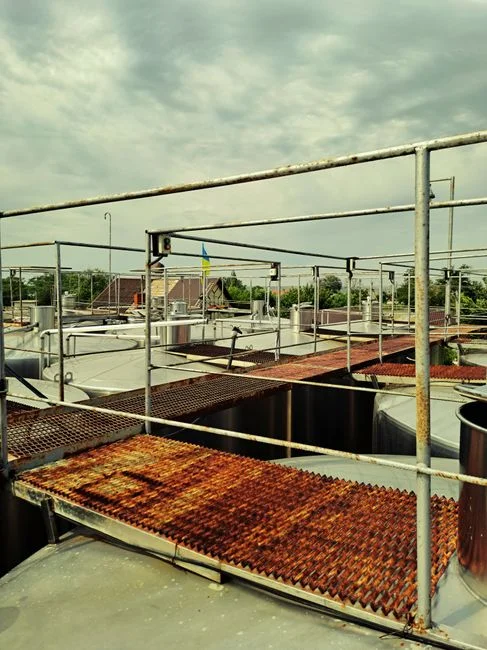
Physical screening serves as the initial physical barrier in industrial pretreatment, removing coarse debris, product particles, and rags before wastewater flows into downstream treatment units. High-efficiency rotary drum or static screen wedges capture gross solids, protecting transfer pumps and preventing mechanical blockages. Following screening, raw flow enters an equalization basin designed to buffer hydraulic surges and neutralize chemical CIP dumps. HydropureWater research (2026) notes that severe hydraulic overload during a standard four-hour CIP cycle directly indicates an undersized equalization basin.
Primary separation of FOG and insoluble suspended solids is performed by physical flotation. Installing an industrial DAF system for food-processing wastewater allows micro-air bubbles to attach to chemically conditioned floc particles, floating them to the surface for mechanical skimming. Hixson (2026) reports that optimized DAF units in poultry processing achieve 74% to 99% TSS removal and up to 99% oil and grease removal, significantly reducing organic loading before biological treatment.
Soluble organic reduction occurs in secondary biological systems. HydropureWater research (2026) specifies conventional activated sludge systems operate at hydraulic retention times (HRT) of 8–24 hours with mixed liquor suspended solids (MLSS) of 3,000–5,000 mg/L. Membrane bioreactors (MBR) operate at compact HRTs of 4–10 hours with elevated MLSS concentrations of 8,000–12,000 mg/L. Dissolved oxygen (DO) setpoints must be maintained between 1.5 and 2.5 mg/L when nitrification is required. For processing facilities evaluating specialized secondary process layouts, exploring an IFAS system for seafood processing effluent illustrates fixed-film biomass retention strategies.
When phosphorus limits dictate sub-milligram levels, chemical precipitation is integrated into biological or tertiary clarification stages. Dosing 50–250 mg/L of alum or 30–150 mg/L of ferric chloride via an PLC-controlled chemical dosing system precipitates orthophosphate into insoluble metal complexes (HydropureWater research, 2026). Secondary clarification or membrane polishing removes final particulate matter. Hixson (2026) documents beverage facility pilot MBR performance achieving final effluent levels of 16.9 mg/L COD and 3.8 mg/L TSS.
The standard multi-stage treatment sequence operates in the following linear process flow: Coarse Screening → Flow Equalization → Dissolved Air Flotation (DAF) → Biological Treatment (CAS/MBR) → Chemical Phosphorus Precipitation → Final Clarification / Membrane Polishing → Continuous Monitoring & Sewer Connection.
| Treatment Stage | Primary Targeted Contaminant | Key Operating Parameters (HydropureWater research, 2026) | Expected Performance Band |
|---|---|---|---|
| Coarse Screening | Packaging, fibrous particles, gross solids | 0.5–2.0 mm screen slot openings | Prevents pump clogging; removes gross debris. |
| Flow Equalization | Hydraulic surges, CIP chemical spikes | 6–24 h hydraulic retention time (HRT) | Buffers pH swings; stabilizes forward flow rate. |
| Dissolved Air Flotation | FOG, colloidal TSS, particulate organic load | 4–25 m/h surface loading; 20–40% recycle rate | 74–99% TSS removal; up to 99% FOG removal (Hixson, 2026). |
| Biological Oxidation | Soluble BOD₅, COD, ammonia nitrogen | HRT 8–24 h (CAS) or 4–10 h (MBR); DO 1.5–2.5 mg/L | Effluent BOD <30 mg/L; COD reduction >90%. |
| Chemical Precipitation | Dissolved orthophosphate | Alum (50–250 mg/L) or Ferric Chloride (30–150 mg/L) | Reduces total phosphorus to 0.5–1.0 mg/L as P. |
| Membrane Polishing | Fine particulate TSS, residual biomass | 0.04–0.1 µm ultrafiltration membranes | Effluent TSS <5 mg/L; COD down to 16.9 mg/L (Hixson, 2026). |
Match Equipment to Plant-Specific Failure Risks
Equipment selection for food processing pretreatment requires aligning operating specifications with peak pollutant loads rather than average volumetric flow rates. Selecting separation technology without verifying solids loading leads to surface blinding and severe hydraulic carryover. Engineers evaluating clarification technology can compare operating boundaries using a DAF versus clarifier design comparison to determine when high-rate dissolved air flotation outperforms conventional gravity settling tanks.
For DAF systems, baseline sizing ranges from HydropureWater research (2026) require surface hydraulic loading rates between 4 and 25 m/h, air-to-solids mass ratios of 0.005–0.02, and pressurized recycle rates of 20% to 40% of forward flow. High-FOG streams (e.g., raw dairy at 3,000 mg/L FOG or rendering above 10,000 mg/L FOG) demand upper-bound recycle rates and conservative surface loadings to achieve stable flotation.
Biological treatment design must be based on comprehensive influent sampling that accounts for BOD/COD ratios, temperature ranges, ambient pH variations, nutrient balances (N:P ratios), and chemical biodegradability. Selecting activated sludge or MBR technology without confirming nutrient availability risks biological filamentous bulking. For phosphorus precipitation, Jar testing is mandatory to establish exact coagulant dosages and confirm stoichiometric chemical demand and residual alkalinity.
Solids handling equipment must manage both primary DAF float skimmings and biological waste activated sludge (WAS). Following selection practices detailed in an industrial sludge dewatering equipment selection guide, plant engineers utilize recessed plate-and-frame filter presses sized from 1 to 500 m² plate area. HydropureWater research (2026) indicates plate presses achieve dry cake solids concentrations between 22% and 28% dry matter, minimizing off-site landfill and hauling expenses.
| Equipment Type | Key Design Specifications (HydropureWater research, 2026) | Primary Process Failure Risk | Mitigation Specification |
|---|---|---|---|
| Dissolved Air Flotation | 4–25 m/h hydraulic loading; 20–40% recycle; 0.005–0.02 A/S ratio | FOG pass-through during high-grease production surges | Variable-speed recycle pumps and automated polymer dosing trim. |
| Biological Reactor | CAS MLSS 3,000–5,000 mg/L; MBR MLSS 8,000–12,000 mg/L | Biomass destruction from hot CIP chemical dumps (>40 °C) | Equalization basin bypass/cooling loop and pH trim control. |
| Chemical Feed Skid | Alum: 50–250 mg/L; Ferric: 30–150 mg/L flow-proportional feed | Phosphorus breakthrough or chemical over-dosing acid shock | PLC integration linked to real-time orthophosphate / flow meters. |
| Filter Press Dewatering | 1–500 m² filter plate area; 100–225 psi filtration pressure | Wet, sloppy cake production (failure to achieve >22% dry matter) | Sludge conditioning tank with dual-polymer chemical feed. |
Diagnose the Most Common Compliance Failures
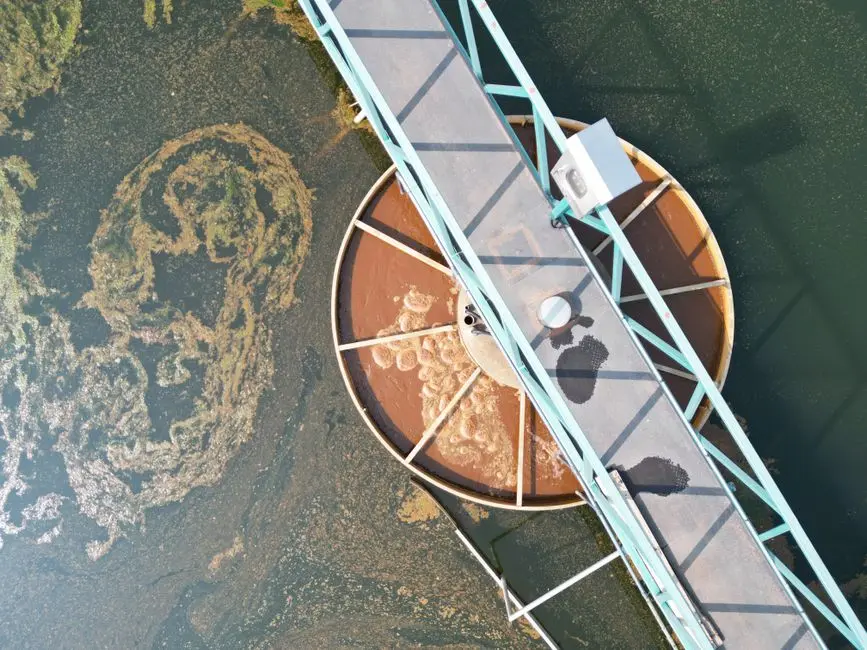
Hydraulic overload during short clean-in-place (CIP) sanitation windows represents one of the most frequent causes of municipal permit exceedances in food and beverage facilities. Concentrated hydraulic and organic surges wash out primary solids and overload secondary biological aeration tanks. Plant personnel should establish routine operational checks supported by a comprehensive meat processing wastewater plant maintenance guide to systematically isolate system upsets before permit violations occur.
When diagnosing FOG pass-through at the DAF outlet, operators should immediately check hydraulic loading rates, saturator pressure, micro-bubble generation, coagulant dosage, and mechanical float-skimming frequency before considering biological expansion. If severe pH excursions occur, operators must inspect equalization working volume, automated chemical dosing pumps, pH probe calibration logs, and the secondary pH trim loop.
Hydraulic flooding during four-hour sanitation shifts points directly to inadequate equalization balance volume, transfer pump mechanical failure, or un-diverted high-strength CIP chemical dumps. TSS or phosphorus breakthrough indicates coagulant feed pump failure, poor flocculation shear control, excess sludge blanket height, or inadequate clarifier settling times. Biological upsets require evaluating process water temperature (>40 °C limit), pH shocks, sanitizer chemical toxicity (such as quaternary ammonium or peracetic acid), and unbuffered FOG loading.
| Observed Symptom | Probable Root Cause | Diagnostic Verification Step | Immediate Corrective Action |
|---|---|---|---|
| FOG Pass-Through in Effluent | DAF saturator failure, low coagulant dose, or hydraulic overload | Check recycle air pressure, bubble size, and DAF surface rise rate. | Adjust polymer dose, clear air saturator nozzles, throttle forward flow. |
| Out-of-Spec Effluent pH | Equalization short-circuiting or failed acid/caustic dosing probe | Verify raw EQ basin pH, check pH probe calibration logs. | Calibrate sensors, engage secondary downstream pH trim dosing. |
| Hydraulic Basin Overflow | Undersized EQ tank during 4-hour CIP sanitation washdown | Compare CIP peak discharge rate against transfer pump capacity. | Stagger CIP sanitation cycles; increase EQ buffer capacity. |
| Phosphorus Limit Exceedance | Under-dosed metal salt coagulant or flocculator pin-floc carryover | Run jar test on aeration basin effluent; check feed pump rate. | Increase alum/ferric dosage; optimize polymer flocculation aid. |
| Biological Biomass Death / Loss | Thermal shock (>40 °C) or sanitizer toxicity (peracetic acid/quats) | Measure reactor influent temperature, DO uptake rate, and micro-fauna. | Diverts CIP dump to hold tank; re-seed activated sludge inventory. |
Prove Compliance Through Monitoring and Reporting
Most food and beverage categorical pretreatment permits mandate 24-hour composite sampling for BOD, TSS, FOG, and total phosphorus at frequencies ranging from monthly to quarterly, alongside continuous monitoring of pH and flow for significant industrial users (HydropureWater research, 2026). Municipal authorities enforce strict monitoring protocols at the compliance point before sewer blending.
Facilities must maintain comprehensive operational records, including instrument calibration logs, certified laboratory chain-of-custody results, continuous flow recorder charts, daily chemical consumption logs, DAF operating pressure records, sludge disposal manifests, and documented corrective action reports. HydropureWater research (2026) highlights that state regulatory bodies increasingly mandate electronic submission of Discharge Monitoring Reports (eDMR) and immediate digital noncompliance filings through official state portals. Integrating automated control hardware and SCADA data platforms via a trusted DCS system supplier for industrial wastewater treatment ensures process parameters and alarm events are logged continuously for compliance reporting.
Questions to Ask Before Ordering a Treatment System
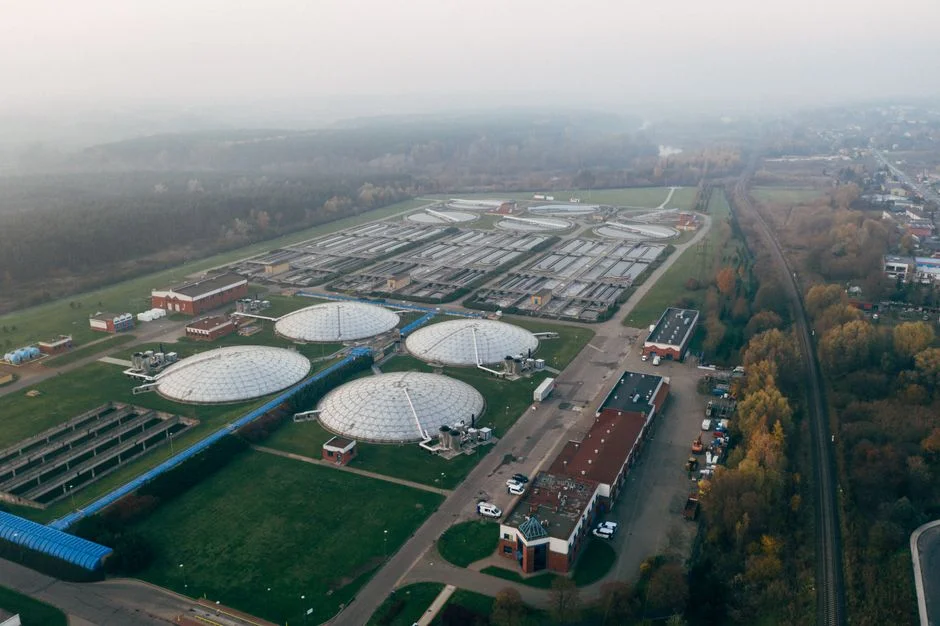
Evaluating pretreatment equipment quotes requires verifying that vendor design calculations incorporate peak hydraulic surges, maximum organic loading, and specific POTW discharge limits rather than average steady-state values. Before issuing purchase orders, engineering teams should mandate that vendors submit a complete, validated mass-balance calculation. Procurement managers can review industrial wastewater treatment capital and operating cost benchmarks to evaluate vendor pricing structures effectively.
Key technical verification items include:
- Permit Basis: Does the equipment proposal guarantee end-of-pipe performance matching the site's controlling POTW permit limits?
- Variability Handling: How does the system absorb high-temperature CIP dumps (>40 °C), extreme pH spikes, and peak organic surges?
- Mass Balance Package: Has the vendor provided a comprehensive hydraulic and mass-balance flow scheme covering average and peak design conditions?
- Scope of Supply: Does the quoted package include coarse screens, flow equalization, chemical storage/dosing, aeration blowers, SCADA controls, tertiary polishing, and sludge dewatering?
- Operating Guarantees: What are the specific consumption rates for electrical power, polymers, metal salts, and estimated annual sludge generation volumes?
Frequently Asked Questions
How do POTW local limits differ from federal categorical standards for food plants near Hindsville?
Federal categorical standards (codified under 40 CFR Parts 405–409) establish national technology-based pollutant floors for specific sub-sectors like dairy, meat, and beverage processing. Conversely, POTW local limits are site-specific numerical or narrative ceilings established by the municipal sewer authority under 40 CFR Part 403.5(c) to protect local collection pipes, treatment plant biology, and sludge quality. The local POTW permit represents the enforceable ceiling at the sewer connection point whenever its limits are stricter than federal categorical standards. Plant managers must secure official municipal sewer-use ordinances and permit worksheets to determine governing discharge limits.
How should a food processing facility calculate pretreatment design capacity?
Pretreatment capacity must be calculated from peak hydraulic flow rates, maximum organic mass loading (BOD/COD mass per day), and severe surge conditions rather than average daily production flows alone. Designers must measure peak washdown flows during four-hour CIP sanitation cycles, identify high-strength batch waste streams, account for seasonal production spikes, and determine total daily mass loads for FOG and TSS. Equalization basins must be sized to buffer peak hydraulic and chemical dumps, delivering a stabilized mass flow to downstream DAF and biological systems. Sizing biological units using an IFAS system for meat processing wastewater requires validating influent BOD:N:P nutrient ratios alongside peak hydraulic retention times.
What cost factors determine the total operating expense of an industrial pretreatment system?
Total operating expense (OPEX) is determined by chemical consumption, electrical energy usage, residual sludge hauling and disposal fees, routine analytical monitoring, and maintenance labor. Chemical costs stem from coagulants (alum/ferric chloride), flocculants (polymers), and pH adjustment chemicals (caustic/acid). Sludge handling represents a major variable cost, where dewatering efficiency directly impacts disposal volume; filter presses achieving 22–28% dry solids reduce total haulage mass compared to liquid sludge off-taking (HydropureWater research, 2026). Additionally, municipal surcharges applied to BOD and TSS discharges above local thresholds (e.g., limits above 250–500 mg/L) contribute significantly to ongoing operational expenses if pretreatment systems are under-designed.
What vendor documentation is required before purchasing pretreatment equipment?
Before purchasing equipment, buyers must require vendors to submit a verified mass-balance calculation under peak flow and load conditions, detailed process and instrumentation diagrams (P&IDs), equipment sizing rationale (such as DAF surface loading and air-to-solids ratios), utility consumption profiles, written compliance performance guarantees, and a complete scope-of-supply breakdown. Buyers must also demand verified operating references from similar food processing applications and a detailed commissioning, start-up, and operator training plan. Equipment design assumptions must be cross-checked against independent raw wastewater laboratory testing and the plant's official POTW permit conditions.