Why Kuwait Needs Upgraded Sludge Dewatering Equipment in 2025
Kuwait’s wastewater treatment plants face critical sludge dewatering challenges, with current drying beds unable to handle expansion demands (KFAS 2024). Effective alternatives—belt filter presses, centrifuges, and screw presses—offer 90-98% solids capture at 5-25% cake dryness, but performance varies by sludge type (municipal vs. oil sludge). This guide compares 2025 technical specs, cost benchmarks, and supplier criteria for Kuwait’s climate and regulatory environment.
The reliance on traditional sand drying beds in Kuwait has reached a technical breaking point as the nation undergoes rapid Kuwait wastewater treatment expansion. According to research from the Kuwait Foundation for the Advancement of Sciences (KFAS), existing drying beds require excessive land footprints and retention times of 7 to 14 days, which are incompatible with the high-volume throughput required by modern urban centers. Kuwait’s extreme summer temperatures exceeding 50°C, coupled with frequent dust storms, lead to the formation of a surface crust on drying beds that traps moisture underneath, severely reducing dewatering efficiency.
Environmental compliance is also a primary driver for upgrades. Kuwait’s National Waste Management Strategy mandates a transition toward mechanical dewatering to reduce the volume of waste sent to landfills and to mitigate the risk of groundwater contamination from untreated sludge leachate. In the industrial sector, particularly within the oil sludge dewatering equipment niche, the presence of hydrocarbons and high-solids content necessitates advanced mechanical separation to meet the strict discharge standards set by the Kuwait Environment Public Authority (EPA).
For industrial facilities in Shuaiba or Ahmadi, mechanical systems provide a controlled environment that eliminates the odor and contamination risks associated with open-air drying. By implementing high-efficiency systems, such as HydropureWater’s plate and frame filter press for high-efficiency sludge dewatering, facilities can achieve a significant reduction in sludge volume, directly lowering transportation and disposal costs in a regulatory landscape that is increasingly penalizing high-volume waste generation.
Sludge Dewatering Equipment Types: Technical Specs for Kuwait’s Conditions
Mechanical dewatering systems reduce sludge volume by up to 80% compared to traditional drying beds, significantly lowering the logistics burden for municipal and industrial operators. In Kuwait, the selection of equipment must account for high ambient temperatures and the abrasive nature of sand-laden sludge. The three primary technologies—belt filter presses, decanter centrifuges, and screw presses—each offer distinct performance profiles calibrated to local conditions.
Belt Filter Presses utilize a series of rollers and tensioned belts to squeeze moisture from the sludge. In Kuwaiti municipal applications, they typically achieve 15-25% cake dryness with a solids capture rate of 90-95%. While energy-efficient, they are highly sensitive to sludge variability and require automated polymer dosing for optimal sludge conditioning to maintain performance during temperature fluctuations. A significant drawback in Kuwait is the impact of dust; fine desert sand can cause premature wear on the belts and interfere with the tracking sensors, necessitating enclosed housing for the units.
Decanter Centrifuges represent the high-throughput solution, particularly for the oil and gas sector. Modern units, such as the 22-inch models with 550mm bowls commonly used in Kuwaiti oil sludge treatment, provide 20-30% cake dryness and 95-98% solids capture. Centrifuges are ideal for handling the high grease and oil content found in industrial waste. However, the high rotational speeds make them susceptible to vibration issues if the foundation is affected by Kuwait’s shifting sands, and the high energy consumption must be balanced against the superior cake dryness achieved.
Screw Presses have gained traction in urban Kuwaiti plants due to their compact footprint and low noise levels. They offer 20-28% cake dryness and are remarkably resilient to the high salinity levels found in some Kuwaiti wastewater streams. Because they operate at low speeds, they experience less mechanical wear from abrasive particles compared to centrifuges. This makes them a preferred choice for Kuwait sewage treatment plant upgrades where maintenance labor is at a premium.
| Parameter | Belt Filter Press | Decanter Centrifuge | Screw Press |
|---|---|---|---|
| Cake Dryness (%) | 15% - 25% | 20% - 35% | 20% - 28% |
| Solids Capture Rate | 90% - 95% | 95% - 99% | 90% - 96% |
| Energy Consumption | Low (1-3 kWh/ton) | High (15-30 kWh/ton) | Very Low (<1 kWh/ton) |
| Maintenance Needs | High (Belt/Bearing wear) | Medium (High-speed parts) | Low (Slow rotation) |
| Kuwait Climate Fit | Requires dust protection | Requires cooling systems | High resilience |
Cost Benchmarks: CAPEX, OPEX, and ROI for Kuwait’s Sludge Dewatering Projects
Operation and maintenance (OPEX) typically accounts for 60-75% of the total lifecycle cost of a sludge dewatering system over a 10-year period in the Middle Eastern market. When budgeting for sludge dewatering equipment in Kuwait, procurement managers must look beyond the initial purchase price (CAPEX) and evaluate the long-term impact of polymer consumption, energy rates, and spare parts availability. Sludge dewatering cost analysis in Kuwait is uniquely influenced by the subsidization of electricity and the high cost of imported specialty chemicals.
The CAPEX for a standard municipal-scale belt press system in Kuwait ranges from $50,000 to $200,000, depending on the material of construction (304 vs. 316 stainless steel to combat salinity). Decanter centrifuges command a higher premium, often between $150,000 and $500,000, due to the precision engineering required for high-speed operation. Screw presses sit in the middle, typically costing $80,000 to $250,000. These figures include estimated import duties and the cost of local installation, which can add 15-20% to the base equipment price.
OPEX drivers are dominated by polymer conditioning for sludge dewatering. In Kuwait’s heat, polymers can degrade faster, increasing the dosage required to achieve effective flocculation. On average, polymer costs range from $10 to $25 per dry ton of sludge. For oil sludge applications, the ROI is significantly faster—often 3 to 5 years—because the recovered oil can sometimes be recycled or the drastically reduced volume saves on expensive hazardous waste disposal fees. For municipal plants, the ROI is usually 5 to 7 years, driven primarily by the reduction in land use and the elimination of manual labor associated with drying bed maintenance.
| Cost Factor (Estimates) | Belt Press | Centrifuge | Screw Press |
|---|---|---|---|
| Base CAPEX (USD) | $50k - $200k | $150k - $500k | $80k - $250k |
| Annual Energy Cost | Low | High | Very Low |
| Polymer Usage | Medium-High | Medium | Medium |
| Spare Parts/Year | 8% - 12% of CAPEX | 5% - 7% of CAPEX | 3% - 5% of CAPEX |
| Typical ROI (Years) | 5 - 7 | 3 - 5 (Industrial) | 4 - 6 |
Decision Framework: How to Select the Right Sludge Dewatering System for Kuwait
Selecting a dewatering system without pilot testing on Kuwaiti sludge leads to an average 20% deviation in expected cake dryness due to local variations in solids composition. To mitigate this risk, engineers should follow a structured decision framework that prioritizes the specific sludge characteristics and site constraints of the Kuwaiti facility.
Step 1: Define Sludge Characteristics. Determine if the sludge is primary, secondary (biological), or industrial. For oily sludge from refineries, the decanter centrifuge is the industry standard. For municipal biological sludge with high organic content, a screw press or belt press is more appropriate. Analyze the pH and salinity; high-salinity brackish water influence in Kuwaiti sewers may require duplex stainless steel components to prevent pitting corrosion.
Step 2: Assess Site Constraints. Evaluate the available footprint and utility capacity. If space is limited, as is common in Kuwait sewage treatment plant upgrades within urban areas, the vertical or compact footprint of a screw press is advantageous. Additionally, verify if the facility has the technical personnel to manage the high-speed maintenance requirements of a centrifuge or if the simpler mechanical nature of a belt press is better suited to the local labor pool.
Step 3: Evaluate Performance Requirements. Establish the target cake dryness based on the final disposal route. If the sludge is destined for a landfill that requires >20% solids, a belt press might struggle without excessive polymer use. If the goal is beneficial reuse for landscaping (composting), consistent dryness and pathogen reduction are critical. Use the mechanical dewatering systems Kuwait performance benchmarks to match the equipment to these goals.
Step 4: Compare Total Cost of Ownership (TCO). Use the CAPEX and OPEX benchmarks to project costs over 15 years. In Kuwait, where energy is relatively inexpensive but water is precious, systems that allow for high filtrate recovery (to be recycled as wash water) provide additional value. A decision tree for Kuwait typically favors centrifuges for high-volume oil sludge, screw presses for small-to-midsize municipal plants, and belt presses for large-scale municipal projects with restricted initial budgets.
Supplier Evaluation Checklist for Kuwait’s Sludge Dewatering Equipment
Local technical support availability reduces unplanned downtime in Kuwaiti industrial zones by an average of 45%, making the supplier’s regional presence as important as the equipment’s technical specs. When evaluating international manufacturers, Kuwaiti procurement managers should utilize a specific checklist to ensure long-term operational success.
- Local Service and Spare Parts: Does the supplier have a dedicated service center or a certified partner in Kuwait (e.g., in Shuwaikh or Rai)? Demand a list of stocked critical spares, such as filter belts, conveyor screws, or centrifuge bearings, available for 24-hour delivery.
- Environmental Compliance: Does the equipment meet Kuwait EPA standards? Ensure the supplier provides certifications such as ISO 9001 and CE. For oil and gas applications, ATEX or IECEx certification for explosive atmospheres is mandatory.
- Regional Track Record: Has the supplier installed similar equipment for the UAE’s sludge dewatering market or provided sludge dewatering equipment in Saudi Arabia? Proven performance in the GCC climate is the best indicator of equipment durability against heat and sand.
- Customization for Kuwait: Can the supplier adapt the cooling systems for the centrifuge’s hydraulic pack to handle 55°C ambient temperatures? Will they provide NEMA 4X or IP66 rated control panels to protect electronics from fine dust penetration?
- Training and Commissioning: Does the contract include on-site training for Kuwaiti operators? Effective operation of mechanical dewatering systems Kuwait requires specific knowledge of polymer adjustment based on seasonal sludge changes.
Frequently Asked Questions
What is the most effective sludge dewatering system for Kuwait’s municipal sewage treatment plants?
For large-scale municipal plants in Kuwait, decanter centrifuges are often preferred for their high throughput and ability to handle variable sludge. However, for smaller plants or those with limited maintenance budgets, screw presses are becoming the standard due to their low energy consumption and resilience to abrasive sand.
How does Kuwait’s climate affect sludge dewatering equipment performance?
High temperatures (above 45°C) can cause polymer chains to break down, requiring stabilized chemical formulations. Additionally, dust storms can contaminate the lubrication systems of open-air equipment like belt presses, necessitating frequent oil changes and enclosed installations to prevent premature mechanical failure.
What are the disposal options for dewatered sludge in Kuwait?
Currently, the majority of dewatered sludge is sent to designated landfills. However, there is a growing trend toward beneficial reuse, where dewatered municipal sludge is composted for use in desert greening projects, and industrial sludge is treated for oil recovery or incinerated.
What is the typical payback period for sludge dewatering equipment in Kuwait?
The payback period typically ranges from 3 to 7 years. Industrial facilities see a faster ROI (3-5 years) due to high disposal costs for wet hazardous waste, while municipal plants see a 5-7 year ROI through land savings and reduced transport logistics.
Are there local manufacturers of sludge dewatering equipment in Kuwait?
There is currently limited full-scale manufacturing of mechanical dewatering units within Kuwait. Most equipment is imported from established global manufacturers in China, Europe, or the USA, and is supported by local engineering firms and distributors who handle installation and maintenance.
Related Equipment
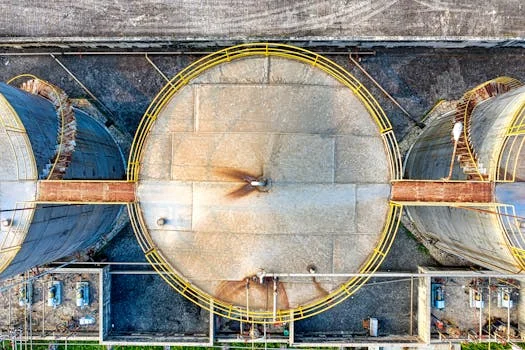
The following HydropureWater products are engineered for the wastewater challenges discussed above:
- HydropureWater’s plate and frame filter press for high-efficiency sludge dewatering — view specifications, capacity range, and technical data
- automated polymer dosing for optimal sludge conditioning — view specifications, capacity range, and technical data
Need a customized solution? Request a free quote with your specific flow rate and pollutant parameters.