Why Punjab’s Industries Need Package Wastewater Treatment Plants in 2025
Punjab’s groundwater extraction rate has reached 165% of its annual recharge capacity, according to the Central Ground Water Board (CGWB) 2024 report, creating an existential threat to industrial operations that do not implement recycling systems. For a factory manager in Ludhiana or Jalandhar, the challenge is no longer just about environmental stewardship; it is about legal and operational survival. The Punjab Pollution Control Board (PPCB) issued 1,247 show-cause notices in the 2023-24 fiscal year alone for non-compliance with wastewater discharge standards, often leading to immediate power disconnection and heavy environmental compensation fines.
Punjab's textile and food processing hubs in Ludhiana and Amritsar contribute approximately 60% of the state’s industrial effluent. These sectors frequently struggle with high Chemical Oxygen Demand (COD), often exceeding 1,200 mg/L, and persistent color issues from dyes. Traditional, sprawling Effluent Treatment Plants (ETPs) are often unfeasible for Small and Medium Enterprises (SMEs) due to land constraints. Package wastewater treatment plants have emerged as the primary solution because they offer a compact footprint, rapid deployment within 3 to 6 months, and the ability to scale as production grows.
Common violations flagged by PPCB inspectors include high Total Dissolved Solids (TDS), unauthorized heavy metal discharge, and untreated organic loads. Penalties for these infractions range from ₹5 lakh to ₹20 lakh, with repeat offenders facing permanent plant shutdowns. By transitioning to a compact underground STP for Punjab’s space-constrained sites, businesses can mitigate these risks while ensuring their water security in a region where the water table is dropping by nearly 0.5 meters annually.
Punjab Pollution Control Board (PPCB) Wastewater Discharge Standards: What You Must Meet
The Punjab Pollution Control Board (PPCB) enforces a 45-to-90-day timeline for Consent-to-Establish (CTE) and Consent-to-Operate (CTO) applications, requiring detailed treatment flow diagrams and environmental impact assessments. Compliance is not a static target; standards vary significantly depending on the industry type and the final discharge point. For instance, industries discharging into the Beas River basin face much stricter COD limits (typically < 100 mg/L) compared to the general standard of 250 mg/L for inland surface waters. This variation in standards necessitates a thorough understanding of the specific requirements for each industry and discharge location.
| Parameter | Industrial General (Inland) | Textile Effluent | Food Processing | Municipal/Sewage |
|---|---|---|---|---|
| pH Value | 6.5 – 8.5 | 6.5 – 8.5 | 6.5 – 8.5 | 6.5 – 9.0 |
| BOD (3 days at 27°C) | < 30 mg/L | < 30 mg/L | < 30 mg/L | < 20 mg/L |
| COD | < 250 mg/L | < 250 mg/L | < 250 mg/L | < 100 mg/L |
| TSS | < 100 mg/L | < 100 mg/L | < 50 mg/L | < 30 mg/L |
| Oil & Grease | < 10 mg/L | < 10 mg/L | < 10 mg/L | < 5 mg/L |
| Color | Not specified | < 150 Pt-Co units | Not specified | Colorless |
For plants with a capacity greater than 500 KLD, PPCB now mandates the installation of Online Continuous Effluent Monitoring Systems (OCEMS). These systems must transmit real-time data on pH, TSS, and flow rates directly to the PPCB server. Failure to maintain these systems or tampering with data results in penalties of ₹10,000 to ₹1 lakh per day for the first offense. Understanding the differences between aerobic and anaerobic treatment, as discussed in aerobic vs anaerobic wastewater treatment, is critical for selecting a technology that ensures long-term compliance.
Package Wastewater Treatment Plant Technologies: Which Works Best for Punjab’s Effluent?
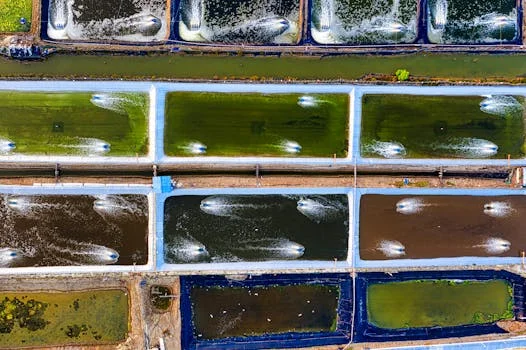
Moving Bed Biofilm Reactor (MBBR) systems are the primary choice for Ludhiana’s textile cluster due to their ability to handle COD spikes of up to 1,500 mg/L within a compact footprint. Unlike conventional activated sludge processes, MBBR uses floating media that provides a high surface area for biofilm growth, making the system resilient to the shock loads common in batch-process dyeing units. However, for facilities requiring high-grade reuse, such as pharmaceutical plants in Mohali, the Membrane Bioreactor (MBR) is superior.
| Technology | Best For | COD Removal | Footprint | Energy Use |
|---|---|---|---|---|
| SBR (Sequencing Batch Reactor) | Municipal Sewage (Amritsar) | 85-90% | Moderate | Low |
| MBBR (Moving Bed Biofilm) | Textile/Dyeing (Ludhiana) | 90-95% | Low | Moderate |
| MBR (Membrane Bioreactor) | Pharma/Hospitals (Mohali) | 98-99% | Very Low | High |
| DAF (Dissolved Air Flotation) | Dairy/Food (Jalandhar) | Pre-treatment | Moderate | Moderate |
In the food processing sector of Jalandhar, where effluents are rich in Fats, Oils, and Grease (FOG), a DAF pre-treatment for Punjab’s food processing and textile mills is often necessary before biological treatment. Without DAF, secondary biological reactors often fail due to oxygen transfer inhibition caused by oil films. For high-pathogen environments, an MBR package plant for Punjab’s high-strength industrial effluent ensures nearly 99% pathogen removal, which is vital for hospitals aiming to meet the same standards as Punjab hospitals.
A case study from a Ludhiana-based textile mill illustrates this: by implementing an MBBR system followed by advanced oxidation, the facility reduced its influent COD from 1,500 mg/L to a consistent 120 mg/L. This allowed the mill to reuse 60% of its treated water for floor washing and cooling tower makeup, significantly reducing its reliance on declining groundwater reserves.
Sizing and Costing a Package Wastewater Treatment Plant for Punjab: 2025 Benchmarks
Capital expenditure for a 100 KLD package wastewater treatment plant in Punjab varies by 40% based on whether the discharge is intended for irrigation or high-grade industrial reuse. While a standard SBR system might cost ₹40 lakh, an advanced MBR system capable of producing recycle-quality water can reach ₹90 lakh. These costs include the core equipment, control panels, and basic automation, but civil works (tanks and foundations) typically add another 20-30% to the total project cost.
| Plant Capacity (KLD) | Capex (Conventional) | Capex (Advanced/MBR) | O&M Cost (₹/KLD) |
|---|---|---|---|
| 50 KLD | ₹25 – ₹30 Lakh | ₹45 – ₹55 Lakh | ₹1.8 – ₹2.5 |
| 100 KLD | ₹40 – ₹50 Lakh | ₹75 – ₹90 Lakh | ₹1.2 – ₹1.8 |
| 250 KLD | ₹65 – ₹80 Lakh | ₹110 – ₹140 Lakh | ₹0.9 – ₹1.3 |
| 500 KLD | ₹95 – ₹120 Lakh | ₹180 – ₹220 Lakh | ₹0.7 – ₹1.1 |
Operational expenses (O&M) are a critical factor for long-term viability. In Punjab, electricity costs for industrial units average ₹7-₹9 per unit, making energy-efficient blowers and pumps essential. A 100 KLD MBR plant in Mohali, representing an investment of ₹75 lakh, can achieve an ROI in approximately 4.2 years by saving ₹18 lakh annually in PPCB non-compliance fines and reduced fresh water procurement costs. The Punjab State Industrial Development Corporation (PSIDC) currently offers a 30% capital subsidy for STPs and ETPs installed within designated industrial parks under the 2024-25 budget, making this an ideal time for investment. Engineers can also draw lessons from neighboring regions for industrial ETP design regarding cost-effective primary treatment stages.
How to Choose a Package Wastewater Treatment Plant Supplier in Punjab: A Vetting Checklist
Choosing a supplier without a local service center in Punjab increases downtime by an average of 72 hours for critical component failures compared to local vendors. While many Delhi-based firms bid for Punjab projects, the lack of immediate on-site support often leads to PPCB compliance lapses during equipment breakdowns. Procurement managers should prioritize suppliers who demonstrate a deep understanding of local effluent characteristics, such as the high TDS common in the Malwa region.
The 10-Point Supplier Vetting Checklist:
- PPCB Certification: Does the supplier provide designs that have been previously vetted and approved by PPCB?
- Local Service Network: Do they have a service center or dedicated technicians based in Ludhiana, Mohali, or Jalandhar?
- ISO Compliance: Are they ISO 9001 (Quality) and ISO 14001 (Environmental) certified?
- Case Studies: Can they show 3+ successful installations in your specific industry (e.g., textile, pharma) within Punjab?
- Automation Level: Do they offer PLC-based automation with remote monitoring capabilities?
- Warranty Terms: Is there a comprehensive 2-year warranty on membranes and high-wear mechanical parts?
- Turnkey vs. Modular: Do they handle civil works, or do they only provide equipment? (Turnkey reduces