Industrial Wastewater Treatment in Multan 2025: Engineering Guide with Costs, Compliance & Equipment Checklist
Multan’s industrial wastewater treatment landscape in 2025 demands NEQS-compliant systems capable of handling high organic loads (COD: 800–3,500 mg/L, BOD: 300–1,200 mg/L) from textile, food processing, and tannery effluents. WASA Multan’s single treatment plant covers only 85% of the city, leaving industrial estates to self-treat or face fines up to PKR 500,000/month. Effective solutions combine dissolved air flotation (DAF) for solids removal (92–97% TSS reduction) with biological treatment (MBR or activated sludge) and tertiary polishing to meet NEQS limits (e.g., pH 6–9, TDS < 3,500 mg/L). Local suppliers offer systems starting at $0.8/m³ for basic DAF units, while advanced MBR plants average $2.1/m³ with 60% smaller footprints.
Why Multan’s Industries Need Dedicated Wastewater Treatment in 2025
Multan’s industrial facilities, particularly those in textile, food processing, and tannery sectors, face increasing pressure from environmental regulations and local enforcement bodies like WASA Multan and the Punjab EPA. WASA Multan’s extensive 2055 km sewer network currently manages only 85% of the city’s wastewater, leaving industrial estates such as Multan Industrial Estate and Qasim Bela largely responsible for their own effluent treatment (WASA Multan, 2024). This gap directly translates into significant financial and legal risks for non-compliant industries, with fines reaching up to PKR 500,000 per month for NEQS violations, as stipulated by the Punjab EPA’s 2024 framework. Textile plants, which account for approximately 60% of Multan’s industrial effluent, discharge wastewater with COD levels often 3 to 5 times higher than NEQS limits, ranging from 800–3,500 mg/L against the NEQS standard of 150 mg/L (Punjab EPA, 2023). Similarly, food processing operations contribute high concentrations of Fats, Oils, and Grease (FOG) at 200–800 mg/L, while tanneries release effluents with elevated chromium levels (5–20 mg/L), significantly exceeding the NEQS limit of 1 mg/L for heavy metals. A 2023 Punjab EPA audit revealed that 42% of Multan’s textile units were non-compliant with NEQS, leading to legal action against 18% of them (Assessment of Wastewater Pollution of Industrial Estate Multan, 2023). WASA Multan’s enforcement timeline is stringent, typically issuing a 30-day notice for violations, followed by a PKR 100,000 fine, and ultimately leading to plant shutdown for persistent non-compliance (WASA Multan’s 2024 penalty framework). Proactive investment in industrial wastewater treatment in Pakistan is therefore not just an environmental responsibility but a critical business imperative to avoid operational disruptions and severe penalties.
| Industry | Primary Pollutants | Typical Influent Concentration | NEQS Limit | Compliance Risk |
|---|---|---|---|---|
| Textile | COD, BOD, Color, pH | COD: 800–3,500 mg/L, Color: 500–2,000 Pt-Co | COD: 150 mg/L, pH: 6–9 | High (fines, shutdown) |
| Food Processing | FOG, BOD, TSS | FOG: 200–800 mg/L, BOD: 500–1,500 mg/L | FOG: 10 mg/L, BOD: 80 mg/L | Medium-High (clogging, odor) |
| Tannery | Chromium, TDS, Sulfide | Chromium: 5–20 mg/L, TDS: 3,000–8,000 mg/L | Chromium: 1 mg/L, TDS: 3,500 mg/L | Very High (legal action) |
Multan’s Wastewater Characteristics: What Your Treatment System Must Handle
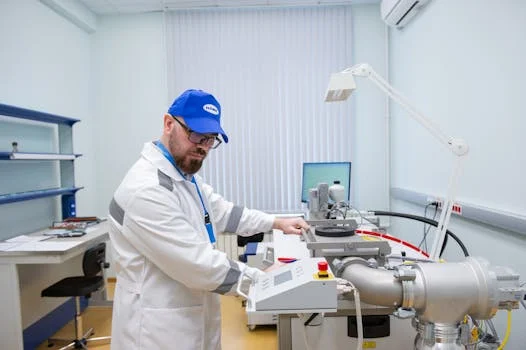
Understanding the specific characteristics of industrial wastewater in Multan is crucial for designing an effective and compliant treatment system. Textile effluent in Multan is typically characterized by high organic loads, with Chemical Oxygen Demand (COD) ranging from 800–3,500 mg/L and Biochemical Oxygen Demand (BOD) from 300–1,200 mg/L (Assessment of Wastewater Pollution of Industrial Estate Multan, 2023). Additionally, textile wastewater exhibits high Total Suspended Solids (TSS) at 200–1,000 mg/L, an alkaline pH of 9–12, and significant color (500–2,000 Pt-Co) due to dyes (Punjab EPA, 2023 data). Food processing effluent, often from Multan’s dairy plants and other food industries, presents a different challenge with high concentrations of Fats, Oils, and Grease (FOG) at 200–800 mg/L, BOD levels between 500–1,500 mg/L, and TSS ranging from 300–1,200 mg/L, usually with an acidic pH of 4–7. Tannery effluent from Multan’s leather processing units is notoriously complex, containing high levels of chromium (5–20 mg/L), elevated Total Dissolved Solids (TDS) at 3,000–8,000 mg/L, and sulfide concentrations of 50–300 mg/L. It is critical to note that the NEQS limit for chromium is a strict 1 mg/L, making advanced treatment for tanneries indispensable. Beyond these typical ranges, industrial facilities in Multan must also account for seasonal variations; the monsoon season (June–August) can increase influent volume by 30–40%, which, while diluting pollutant concentrations, can severely strain the hydraulic capacity of undersized treatment systems.
| Parameter | Textile Effluent (Typical Range) | Food Processing Effluent (Typical Range) | Tannery Effluent (Typical Range) | NEQS Limit (Pakistan) |
|---|---|---|---|---|
| pH | 9–12 | 4–7 | 7–9 | 6–9 |
| COD (mg/L) | 800–3,500 | 600–2,000 | 1,000–4,000 | 150 |
| BOD (mg/L) | 300–1,200 | 500–1,500 | 400–1,500 | 80 |
| TSS (mg/L) | 200–1,000 | 300–1,200 | 500–1,500 | 150 |
| FOG (mg/L) | 50–150 | 200–800 | 20–50 | 10 |
| Chromium (mg/L) | 0.1–0.5 | N/A | 5–20 | 1 |
| TDS (mg/L) | 1,500–3,000 | 800–2,000 | 3,000–8,000 | 3,500 |
| Sulfide (mg/L) | N/A | N/A | 50–300 | 1 |
| Color (Pt-Co) | 500–2,000 | 50–100 | 100–300 | N/A (visual) |
Treatment Process Design for Multan’s Industrial Wastewater: Step-by-Step Engineering
Designing an effective industrial effluent treatment plant design for Multan’s industries requires a multi-stage approach tailored to specific influent characteristics and NEQS compliance targets. A typical treatment train for Multan’s textile effluent, which is high in COD, color, and TSS, begins with robust pretreatment to manage initial shock loads and prepare the wastewater for subsequent biological processes. For example, a textile plant facing NEQS violations would implement a sequence of physical-chemical and biological processes to ensure effluent quality.
Step 1: Pretreatment for Solids and FOG. This initial stage focuses on removing large solids, grit, and fats, oils, and grease (FOG). Rotary screens (e.g., HydropureWater GX Series) are highly effective, removing 70–80% of large TSS, preventing damage to downstream equipment. For effluents with significant FOG or fine suspended solids, a DAF system for high-efficiency solids and FOG removal in Multan’s textile and food processing plants is critical, achieving 92–97% TSS removal and 60–80% FOG reduction. This step is particularly vital for food processing wastewater to prevent FOG accumulation in subsequent biological reactors.
Step 2: Primary Treatment. Following pretreatment, primary treatment typically involves sedimentation tanks, often lamella clarifiers, to further reduce suspended solids. These units can achieve an additional 50–70% TSS reduction with efficient surface loading rates of 20–40 m/h (WASA Multan plant data, 2024). This prepares the wastewater for biological treatment by reducing the organic and solids load.
Step 3: Biological Treatment. This is the core stage for removing dissolved organic pollutants (COD and BOD). For high-strength effluents (COD > 1,500 mg/L) common in textile and tannery industries, a integrated MBR system for NEQS-compliant treatment of high-strength textile and tannery effluents in Multan (e.g., HydropureWater DF Series) is highly recommended due to its efficiency and compact footprint. MBR systems achieve 95–98% BOD removal and can handle higher organic loads with greater stability compared to conventional methods. For lower organic loads (COD < 1,000 mg/L), such as some food processing or diluted textile streams, conventional activated sludge systems offer an economical alternative, providing 85–92% BOD removal.
Step 4: Tertiary Polishing. To meet stringent NEQS limits, especially for parameters like TDS, color, and pathogens, tertiary polishing is often necessary. For tannery effluent with TDS exceeding 3,500 mg/L, sand filters followed by Reverse Osmosis (RO) (e.g., HydropureWater JY Series) may be required. Disinfection is crucial for all industrial effluents before discharge, particularly to meet the NEQS fecal coliform limit of 1,000 MPN/100 mL. A chlorine dioxide generator for NEQS-compliant disinfection of industrial effluent in Multan offers effective pathogen inactivation without forming harmful byproducts.
Sludge Management: An often-overlooked but critical component, sludge management must be integrated into the design. For textile and tannery sludge, which can be voluminous and contain heavy metals, plate-and-frame filter presses are efficient, achieving 90–95% dry solids content, significantly reducing disposal volume. Aerobic digestion is suitable for less hazardous food processing sludge.
Typical Treatment Train for Multan’s Textile Effluent: Influent (COD 1500 mg/L, TSS 500 mg/L, Color 1000 Pt-Co) → Rotary Screen (70% TSS removal) → Equalization Tank → Coagulation/Flocculation → DAF (95% TSS, 70% Color removal) → Anoxic/Aerobic Biological Reactor → MBR (DF Series) (98% BOD/COD removal) → Sand Filter → Chlorine Dioxide Disinfection → Effluent (COD < 150 mg/L, TSS < 150 mg/L, Fecal Coliform < 1,000 MPN/100 mL, Color < 100 Pt-Co).
Equipment Selection Guide: DAF vs. MBR vs. Conventional Systems for Multan’s Industries
Selecting the appropriate wastewater treatment technology is a critical decision for Multan’s industrial plants, balancing capital expenditure, operational costs, footprint, and compliance risk. Each technology offers distinct advantages depending on the specific influent characteristics and site constraints. For industries with high concentrations of Fats, Oils, and Grease (FOG) or suspended solids, such as food processing and textile pre-treatment, Dissolved Air Flotation (DAF) systems are highly effective. A DAF system for high-efficiency solids and FOG removal in Multan’s textile and food processing plants typically costs between $0.8–$1.5/m³ of treated water, requires a compact footprint of 0.5–1 m²/m³/day, and achieves impressive removal efficiencies of 92–97% for TSS and 60–80% for FOG. For high-strength effluents (e.g., textile and tanneries) where space is limited and stringent NEQS compliance is paramount, Membrane Bioreactor (MBR) systems are a superior choice. An integrated MBR system for NEQS-compliant treatment of high-strength textile and tannery effluents in Multan (DF Series) ranges from $1.8–$2.5/m³, boasts a significantly smaller footprint of 0.2–0.4 m²/m³/day, and delivers exceptional removal efficiencies of 95–98% for BOD and 99% for pathogens. In contrast, conventional activated sludge systems are best suited for lower-strength effluents, typically found in some food processing applications, where ample land is available. These systems are more economical with costs ranging from $0.5–$1.2/m³, but require a larger footprint of 1–2 m²/m³/day and achieve 85–92% BOD removal. When considering when secondary treatment is sufficient vs. when tertiary polishing is required for NEQS compliance, the choice of technology significantly impacts the overall treatment train. The local supplier landscape in Multan is diverse; approximately 60% of plants utilize Chinese equipment (e.g., HydropureWater), which offers cost-effectiveness, while 30% opt for European systems (e.g., Veolia) known for advanced automation and higher initial investment. The remaining 10% rely on local fabricators, which may offer lower upfront costs but often result in a 30% shorter equipment lifespan and higher long-term maintenance needs.
| Technology | Industry Suitability | Capital Cost ($/m³) | O&M Cost ($/m³) | Footprint (m²/m³/day) | Compliance Risk (NEQS) |
|---|---|---|---|---|---|
| DAF | Food Processing (FOG), Textile Pre-treatment | 0.8–1.5 | 0.15–0.3 | 0.5–1 | Low (for solids/FOG) |
| MBR (DF Series) | Textile, Tanneries (High-strength, space-constrained) | 1.8–2.5 | 0.4–0.8 | 0.2–0.4 | Very Low (high removal) |
| Conventional Activated Sludge | Food Processing (low-strength, ample land) | 0.5–1.2 | 0.2–0.5 | 1–2 | Medium (requires tertiary for strict limits) |
Cost Breakdown: Industrial Wastewater Treatment in Multan (2025 Data)
Understanding the financial implications of industrial wastewater treatment in Pakistan is paramount for budgeting and project justification in Multan. The Capital Expenditure (CAPEX) for an industrial wastewater treatment plant in Multan typically ranges from $500 to $2,500 per cubic meter per day (m³/day) of treatment capacity. This CAPEX can be broken down further: a DAF system costs approximately $300–$800/m³/day, while a sophisticated MBR system requires a higher investment of $1,200–$2,000/m³/day due to membrane technology and advanced controls. Conventional activated sludge systems, being less complex, fall in the range of $400–$1,000/m³/day capacity. Beyond the initial investment, Operational Expenditure (OPEX) is a continuous cost, averaging $0.5–$2.5/m³ of treated wastewater. This OPEX is largely driven by energy consumption ($0.2–$0.8/m³), chemical usage ($0.1–$0.5/m³ for coagulants, flocculants, disinfectants), labor ($0.1–$0.3/m³ for skilled operators), and sludge disposal ($0.1–$0.9/m³ depending on volume and hazardous content). For instance, textile plants in Multan typically incur OPEX between $1.2–$1.8/m³ due to the high COD loads requiring more energy and chemicals (2025 Punjab EPA benchmarks). When comparing suppliers, Chinese systems, such as those from HydropureWater, generally cost 30–40% less in CAPEX than their European counterparts, though they may incur 20% higher OPEX due to less automation and potentially higher energy consumption or maintenance needs. To ease the financial burden, the Punjab EPA offers significant support, including 50% subsidies for NEQS-compliant plants, with a budget of PKR 1.2 billion allocated for 2025. Additionally, commercial loans are available from various banks at 12–15% interest rates (State Bank of Pakistan, 2024 rates).
| Capacity (m³/day) | Typical CAPEX Range ($) | Typical OPEX Range ($/m³) | Estimated Payback Period (Years) |
|---|---|---|---|
| 50–100 | $25,000–$250,000 | $1.5–$2.5 | 5–7 |
| 100–500 | $50,000–$1,250,000 | $0.8–$1.5 | 4–6 |
| 500–1,000+ | $250,000–$2,500,000+ | $0.5–$1.0 | 3–5 |
Compliance Checklist: How to Meet NEQS and WASA Multan’s Standards in 2025

Achieving and maintaining compliance with NEQS and WASA Multan’s standards is a systematic process that requires thorough planning and execution. The failure rate for annual audits by the Punjab EPA stood at 22% in 2023 (Assessment of Wastewater Pollution of Industrial Estate Multan, 2023), underscoring the need for a robust compliance roadmap. This roadmap ensures that your industrial wastewater treatment system in Multan consistently meets all regulatory requirements.
Step 1: Conduct a Wastewater Audit. The initial step involves a comprehensive analysis of your influent and effluent. Test key NEQS parameters such as COD, BOD, TSS, pH, heavy metals (e.g., chromium), and pathogens at a Punjab EPA-approved laboratory. This audit typically costs PKR 15,000–30,000 per sample and provides baseline data crucial for treatment design.
Step 2: Design a Treatment Train. Based on your audit results and specific industry characteristics, engineer a treatment train (as outlined in Section 3) that guarantees effluent quality meets or exceeds NEQS limits. For example, ensuring COD is below 150 mg/L and chromium is below 1 mg/L requires a tailored combination of physical, chemical, and biological processes. For Multan’s textile plants, this often means DAF + MBR + ClO₂.
Step 3: Install Monitoring Equipment. Implement continuous monitoring for critical parameters. Punjab EPA mandates continuous monitoring for plants exceeding 500 m³/day capacity, requiring installation of online pH meters, flow meters, and potentially online COD/BOD sensors to track discharge quality in real-time.
Step 4: Submit Documentation. WASA Multan requires a series of documents for discharge permits and compliance verification. This includes the detailed treatment plant design, official influent/effluent test reports, certificates demonstrating operator training, and a comprehensive emergency response plan to handle any system malfunctions or spills.
Step 5: Schedule Inspections. Be prepared for regular regulatory oversight. WASA Multan conducts quarterly audits to ensure ongoing compliance, while the Punjab EPA performs annual inspections. Proactive engagement and transparent record-keeping are essential for successful outcomes.
| Step | Action | Responsible Party | Deadline/Frequency |
|---|---|---|---|
| 1 | Conduct influent/effluent wastewater audit (NEQS parameters) | Plant EHS Manager / Approved Lab | Annually / Before design |
| 2 | Design NEQS-compliant treatment train | Engineering Consultant / HydropureWater | Pre-installation |
| 3 | Install continuous monitoring equipment (pH, flow, COD/BOD) | Procurement / Installation Team | Post-installation |
| 4 | Submit required documentation to WASA Multan / Punjab EPA | Plant EHS Manager | Before discharge permit application |
| 5 | Facilitate WASA Multan quarterly audits and Punjab EPA annual audits | Plant Management / EHS Team | Ongoing |
Frequently Asked Questions
Here are answers to common questions about industrial wastewater treatment in Multan, helping plant managers and engineers navigate compliance and equipment selection.
Q: How much does industrial wastewater treatment cost in Multan?
A: Capital Expenditure (CAPEX) for industrial wastewater treatment in Multan ranges from $500–$2,500/m³/day capacity, with Operational Expenditure (OPEX) at $0.5–$2.5/m³ treated. Textile plants typically spend $1.2–$1.8/m³ in OPEX due to higher COD loads requiring more intensive treatment (per 2025 Punjab EPA benchmarks).
Q: What are the NEQS limits for industrial effluent in Pakistan?
A: Key National Environmental Quality Standards (NEQS) limits for industrial effluent in Pakistan include: COD < 150 mg/L, BOD < 80 mg/L, TSS < 150 mg/L, pH 6–9, chromium < 1 mg/L, and fecal coliform < 1,000 MPN/100 mL (per Pakistan Environmental Protection Act 1997).
Q: Can I discharge treated wastewater into WASA’s sewer system?
A: Yes, you can discharge treated wastewater into WASA Multan’s sewer system, but you must first obtain a discharge permit and ensure your effluent meets their specific pre-treatment standards (e.g., TSS < 300 mg/L, pH 6–9). Non-compliance can lead to fines up to PKR 500,000/month.
Q: What’s the best wastewater treatment system for a textile plant in Multan?
A: For a textile plant in Multan, a robust three-stage system is highly effective: a DAF system for high-efficiency solids and FOG removal in Multan’s textile and food processing plants as pretreatment, followed by an integrated MBR system for NEQS-compliant treatment of high-strength textile and tannery effluents in Multan for biological treatment, and finally a chlorine dioxide generator for NEQS-compliant disinfection of industrial effluent in Multan. This combination achieves 95%+ COD/BOD removal and ensures compliance with NEQS limits.
Q: How do I find a reliable wastewater treatment supplier in Multan?
A: When selecting a reliable wastewater treatment supplier in Multan, look for companies with: (1) proven NEQS-compliant case studies in Pakistan, (2) ISO 9001 certification, (3) strong local after-sales support (e.g., HydropureWater’s Multan office or service network), and (4) assistance with financing options, such as navigating Punjab EPA subsidies.