Secondary wastewater treatment removes 85-95% of BOD and TSS using biological processes like activated sludge or MBR, achieving EPA 2024 discharge limits of <30 mg/L for both parameters. Tertiary treatment polishes effluent further, targeting <5 mg/L TSS, <3 mg/L TN, and <1 mg/L TP through sand filtration, membrane systems (e.g., MBR with 0.1 μm pores), or chemical dosing—critical for water reuse or stringent discharge standards like China’s GB 18918-2002 Class IA.
Why Secondary Treatment Alone Often Fails Compliance
A food processing plant, despite operating a well-maintained activated sludge system (a common secondary treatment process), recently faced non-compliance penalties due to persistent high TSS and COD levels in its discharge. This scenario, where secondary treatment alone proves insufficient, is common across various industrial sectors, particularly when dealing with complex waste streams or increasingly stringent environmental regulations. For instance, textile factories often struggle with fine suspended fibers and non-biodegradable dyes that activated sludge aeration basins, designed primarily for soluble organic removal, cannot effectively capture (per Top 2’s aeration basin limitations). These fine particles and recalcitrant compounds bypass the secondary clarifiers, leading to discharge violations.
Specific compliance failures frequently tied to secondary treatment limitations include TSS exceeding 30 mg/L, COD greater than 125 mg/L (as per proposed EPA 2024 discharge limits for certain industries), and Total Nitrogen (TN) above 10 mg/L (mandated by the EU Urban Waste Water Directive 91/271/EEC for discharges into sensitive areas). Secondary treatment struggles with these parameters for several key reasons:
- Non-biodegradable Organics: Many industrial wastewaters, especially from pharmaceutical manufacturing or chemical synthesis, contain organic compounds (e.g., dyes, pharmaceuticals) that are resistant to biological degradation, leading to high residual COD even after extensive secondary treatment.
- Nutrients (TN, TP): Conventional secondary processes are not primarily designed for comprehensive nutrient removal. While some nitrogen removal occurs through nitrification-denitrification, and some phosphorus is removed through biomass uptake, achieving discharge limits below 10 mg/L TN or 1 mg/L TP typically requires specialized tertiary processes.
- Fine Suspended Solids: Secondary clarifiers effectively settle larger biological flocs, but struggle with colloidal matter and very fine suspended solids, often less than 10 μm. These fine particles contribute to elevated TSS and can carry adsorbed COD, making tertiary polishing essential for achieving low discharge limits.
As a quick diagnostic, if an industrial influent consistently exhibits COD greater than 500 mg/L or TSS exceeding 200 mg/L after preliminary and primary treatment, tertiary treatment is almost certainly required to achieve modern compliance standards (referencing Top 3’s discussion on multi-stage processes). This indicates a waste stream too concentrated or complex for biological processes to handle alone.
Secondary vs Tertiary Treatment: Process Parameters and Removal Efficiency
Understanding the fundamental engineering differences between secondary and tertiary wastewater treatment is critical for selecting appropriate systems that meet both influent challenges and discharge requirements. Secondary treatment primarily focuses on the biological removal of soluble organic matter, measured as Biochemical Oxygen Demand (BOD) and Chemical Oxygen Demand (COD). This is achieved through processes like activated sludge, Membrane Bioreactors (MBR), or biofilters, where microorganisms consume organic pollutants. These systems typically operate with hydraulic retention times (HRT) ranging from 4 to 12 hours (as seen in large aeration basins, per Top 2’s description), providing sufficient contact time for biological activity.
Tertiary treatment, also known as advanced treatment or effluent polishing, is a subsequent stage that targets specific pollutants not adequately removed by secondary processes. It employs physical, chemical, or advanced biological methods to remove nutrients, pathogens, fine suspended solids, and trace contaminants. Common tertiary processes include sand filtration, membrane systems, activated carbon adsorption, and chemical dosing, often operating with shorter HRTs of 0.5 to 2 hours (e.g., rapid sand filters, per Top 1’s general reference). The goal is to achieve extremely low pollutant concentrations, often for water reuse or discharge into sensitive environments.
| Parameter | Secondary Treatment (Typical Removal) | Tertiary Treatment (Typical Removal) |
|---|---|---|
| BOD Removal Efficiency | 85-95% | 95-99% (post-secondary) |
| COD Removal Efficiency | 80-90% | 90-97% (post-secondary) |
| TSS Removal Efficiency | 90-95% | 98-99.9% (post-secondary) |
| TN (Total Nitrogen) Removal Efficiency | 30-50% (conventional) | 80-95% (with specific processes) |
| TP (Total Phosphorus) Removal Efficiency | 20-40% (conventional) | 90-99% (with specific processes) |
| Pathogen Removal (log reduction) | 1-2 log | 4-6 log (with disinfection) |
Process conditions vary significantly between the stages. In secondary activated sludge systems, dissolved oxygen (DO) levels are typically maintained at 1.5–3 mg/L to support aerobic microbial activity, with Mixed Liquor Suspended Solids (MLSS) concentrations ranging from 2,000–4,000 mg/L. The Food-to-Microorganism (F/M) ratio is carefully controlled, usually between 0.1–0.3 kg BOD/kg MLSS·day, to optimize biological treatment efficiency (as often described for activated sludge, per Top 2). For tertiary treatment, parameters are specific to the technology. Sand filters operate with filtration rates of 5–15 m/h. Membrane systems like MBRs, which integrate biological treatment with membrane separation, can achieve membrane fluxes of 15–30 LMH (Liters per square meter per hour) with 0.1 μm pores for superior TSS and pathogen removal (HydropureWater Product Catalog: MBR systems for tertiary treatment and water reuse). Chemical dosing for phosphorus removal or coagulation typically involves dosages of 5–20 mg/L of coagulants like ferric chloride or alum.
When Tertiary Treatment Becomes Mandatory: Compliance Standards by Region
Tertiary treatment becomes a non-negotiable requirement when discharge or reuse standards exceed the capabilities of conventional secondary processes, preventing costly non-compliance penalties. Regulatory bodies worldwide impose increasingly stringent limits, particularly for nutrient removal and water reuse applications. Secondary treatment systems are typically sufficient for basic discharge standards, such as those under the US EPA's National Pollutant Discharge Elimination System (NPDES) permits for conventional pollutants (e.g., BOD and TSS generally <30 mg/L) or the EU Urban Waste Water Directive 91/271/EEC for non-sensitive areas, and China's GB 18918-2002 Class IB standards.
However, tertiary treatment is specifically mandated when discharge is into sensitive receiving waters, for water reuse applications, or for advanced environmental protection. For instance, the US EPA Title 22 for California's water reuse regulations frequently requires TSS < 5 mg/L, and the EU 91/271/EEC mandates tertiary treatment for discharges into sensitive areas, often requiring TN < 10 mg/L and TP < 1 mg/L. China's GB 18918-2002 Class IA standards, the most stringent, demand effluent quality suitable for discharge into environmentally sensitive water bodies or for certain types of reuse, with limits often including TSS < 5 mg/L, TN < 3 mg/L, and TP < 0.5 mg/L. The World Health Organization (WHO) Guidelines for Drinking-water Quality, while not directly regulatory, provide benchmarks for water reuse in various applications, often necessitating advanced tertiary treatment and disinfection to achieve 4-6 log pathogen removal.
| Region/Standard | Treatment Stage Covered | Key Parameters & Limits Requiring Tertiary |
|---|---|---|
| US: EPA NPDES (e.g., secondary) | Secondary | BOD < 30 mg/L, TSS < 30 mg/L (general discharge) |
| US: EPA Title 22 (California) | Tertiary (for reuse) | TSS < 5 mg/L, Turbidity < 2 NTU (for unrestricted reuse) |
| EU: 91/271/EEC (basic) | Secondary | BOD < 25 mg/L, TSS < 35 mg/L (general discharge) |
| EU: 91/271/EEC (sensitive areas) | Tertiary | TN < 10 mg/L, TP < 1 mg/L (for sensitive receiving waters) |
| EU: 2020/741 (water reuse) | Tertiary (for agricultural reuse) | E. coli < 10 CFU/100mL, Turbidity < 5 NTU (Class A) |
| China: GB 18918-2002 Class IB | Secondary | BOD < 20 mg/L, TSS < 20 mg/L (general discharge) |
| China: GB 18918-2002 Class IA | Tertiary | TSS < 5 mg/L, TN < 3 mg/L, TP < 0.5 mg/L (for sensitive discharge/reuse) |
| India: CPCB 2022 (general discharge) | Secondary | BOD < 30 mg/L, TSS < 50 mg/L (general industrial discharge) |
| India: CPCB 2022 (reuse) | Tertiary | BOD < 10 mg/L, TSS < 10 mg/L, TN < 10 mg/L (for industrial reuse) |
Certain industries inherently face stricter requirements due to the nature of their operations or the sensitivity of their products. Food processing facilities must often meet stringent standards for water reuse (e.g., FDA guidelines) to prevent contamination. Pharmaceutical manufacturing (EMA guidelines) and hospitals (WHO guidelines) require advanced treatment for pathogen and trace contaminant removal. The semiconductor industry (SEMI F47 standards) demands ultra-pure water for manufacturing processes, making extensive tertiary treatment and often reverse osmosis mandatory for process water reuse. These industry-specific wastewater treatment requirements underscore the necessity of robust tertiary systems.
Tertiary Treatment Technologies: How to Choose the Right System for Your Wastewater
Selecting the most cost-effective tertiary treatment technology hinges on a precise evaluation of influent quality, discharge standards, and available budget. Each technology offers distinct advantages and limitations in terms of pollutant removal, operational footprint, and cost. Understanding these differences is crucial for optimal system design.
- Sand Filtration: Effective for removing residual suspended solids to achieve TSS < 10 mg/L. It is a relatively low-cost option, with capital costs typically ranging from $50–$150/m³ of treated water capacity. However, sand filters offer limited removal of dissolved nutrients or pathogens.
- Membrane Filtration (MBR): Membrane Bioreactors (MBR) integrate biological treatment with membrane separation, producing high-quality effluent with TSS < 1 mg/L, and capable of achieving TN < 3 mg/L with proper design. MBR systems for tertiary treatment and water reuse offer a compact footprint, but come with a higher capital cost of $200–$500/m³ due to membrane expenses and more complex operation.
- Dissolved Air Flotation (DAF): DAF systems for high-efficiency TSS and FOG removal are particularly effective for wastewaters with high concentrations of fine suspended solids, oils, and greases, achieving TSS < 5 mg/L. DAF is a medium-cost option, with capital costs typically between $100–$300/m³, and offers excellent separation efficiency for specific influent characteristics.
- Chemical Dosing: Used primarily for phosphorus removal (achieving TP < 0.5 mg/L) through coagulation and precipitation, or for enhanced clarification. Chemical dosing systems for nutrient removal are generally cost-effective to install but incur ongoing chemical costs and generate additional sludge that requires further handling.
- Disinfection (Chlorine Dioxide, UV): Essential for pathogen removal, achieving 4-6 log reduction in bacteria and viruses. UV disinfection is chemical-free but requires clear effluent, while chlorine dioxide (ClO₂) offers residual disinfection. Costs are variable, ranging from $20–$100/m³ depending on scale and technology.
Decision Framework for Tertiary Treatment Technology Selection:
- If TSS > 50 mg/L after secondary treatment: Consider DAF systems or multi-media sand filters for robust suspended solids removal.
- If TN > 10 mg/L or TP > 1 mg/L: Implement specialized nutrient removal. For TN, MBRs with anoxic zones are highly effective. For TP, chemical dosing systems are typically the most direct approach, often followed by clarification or filtration.
- If water reuse is required (e.g., non-potable industrial reuse, irrigation): MBR systems followed by disinfection (UV or ClO₂) are often the preferred solution due to their ability to produce high-quality effluent with low TSS and pathogen counts. Further polishing with Reverse Osmosis (RO) may be needed for ultra-pure applications.
- If space is constrained: MBR systems offer a significantly smaller footprint compared to conventional activated sludge followed by separate clarifiers and filters. Compact DAF systems can also be space-efficient for specific applications.
| Technology | Capital Cost ($/m³ Treated) | O&M Cost ($/m³ Treated) | Footprint (m²/m³ Treated) | Removal Efficiency (TSS, TN, TP) | Sludge Production (kg/m³ Influent) |
|---|---|---|---|---|---|
| Sand Filtration | $50–$150 | $0.05–$0.15 | 0.01–0.03 | TSS: >90% (post-secondary) | Low (backwash solids) |
| Membrane Filtration (MBR) | $200–$500 | $0.20–$0.50 | 0.002–0.005 | TSS: >99%, TN: 80-95% | Moderate (biomass + membrane fouling) |
| Dissolved Air Flotation (DAF) | $100–$300 | $0.10–$0.30 | 0.005–0.01 | TSS: >95%, FOG: >95% | Moderate (float sludge) |
| Chemical Dosing (for P removal) | $50–$200 | $0.05–$0.15 | 0.001–0.003 | TP: >90% | High (chemical sludge) |
| UV Disinfection | $20–$100 | $0.02–$0.08 | <0.001 | Pathogens: 4-6 log | None |
Often, hybrid systems offer the most robust and cost-effective solutions for complex industrial wastewaters. For influent with very high TSS and FOG, a DAF system can serve as an effective primary or advanced primary treatment, followed by secondary biological treatment and then sand filters for polishing. For advanced water reuse, MBR systems coupled with Reverse Osmosis (RO) membranes provide exceptional water quality. Chemical dosing, particularly for phosphorus precipitation, is frequently integrated upstream of DAF or clarification units to enhance removal. Sludge dewatering options for tertiary treatment systems are also a critical consideration for managing the increased solids generated.
Cost Breakdown: Secondary vs Tertiary Treatment Systems
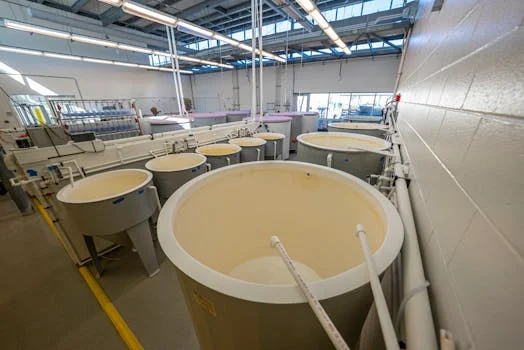
Budgeting for wastewater treatment upgrades or new installations requires a clear understanding of both capital expenditure (CapEx) and operational and maintenance (O&M) costs for secondary and tertiary systems. These costs vary significantly based on technology, capacity, influent characteristics, and discharge requirements.
Capital costs for secondary treatment typically range from $1,000–$3,000/m³ of treatment capacity for conventional activated sludge systems, which include aeration basins, clarifiers, and sludge handling. More advanced secondary options, such as MBR systems, have higher capital costs, generally between $2,000–$5,000/m³, due to the membrane modules and more sophisticated controls (HydropureWater Product Catalog: MBR Membrane Bioreactor Wastewater Treatment System).
Tertiary treatment capital costs are additive to secondary treatment and depend on the specific technologies chosen. Sand filters are among the least expensive at $500–$1,500/m³. DAF systems for high-efficiency TSS and FOG removal typically fall in the $1,000–$3,000/m³ range. For advanced polishing, MBR systems can also serve as tertiary treatment, with capital costs for the tertiary component alone ranging from $2,000–$5,000/m³. Chemical dosing systems for nutrient removal are more modest, at $500–$2,000/m³ for the equipment itself (HydropureWater Product Catalog: Automatic Chemical Dosing System).
Operational and maintenance (O&M) costs are ongoing expenses that include energy, chemicals, labor, and sludge disposal. For secondary treatment, O&M typically ranges from $0.10–$0.30/m³ of treated water, with energy for aeration and sludge disposal being the primary drivers. Tertiary treatment O&M costs vary:
- Sand filters: $0.05–$0.20/m³ (primarily backwash water and energy).
- DAF systems: $0.10–$0.30/m³ (energy for air compressors, chemical consumption).
- MBR systems: $0.20–$0.50/m³ (energy for aeration and membrane scouring, membrane replacement, cleaning chemicals).
- Chemical dosing: $0.05–$0.15/m³ (dominated by chemical costs).
| Cost Category | Secondary Treatment (Activated Sludge) | Tertiary Treatment (Typical Range) |
|---|---|---|
| Capital Cost ($/m³ Capacity) | $1,000–$3,000 (conventional) | $500–$5,000 (depending on tech) |
| O&M Cost ($/m³ Treated) | $0.10–$0.30 | $0.05–$0.50 (depending on tech) |
| Energy Consumption (kWh/m³) | 0.3–0.8 | 0.1–0.7 (MBR higher end) |
| Sludge Disposal Cost ($/m³ Treated) | $0.03–$0.10 | $0.01–$0.05 (for additional sludge) |
| Chemical Cost ($/m³ Treated) | Minimal (nutrient supplements) | $0.02–$0.08 (for coagulants, disinfectants) |
Key cost drivers for tertiary systems include membrane replacement for MBRs, which can add $0.05–$0.10/m³ to O&M, and the energy required for air compressors in DAF systems, typically $0.03–$0.08/m³. For chemical dosing, the cost of coagulants and flocculants can significantly impact the overall O&M budget, often ranging from $0.02–$0.05/m³ depending on the target pollutant and influent characteristics. These detailed cost considerations are crucial for accurate project planning and ensuring long-term financial viability.
Frequently Asked Questions
What is the fundamental difference between secondary and tertiary wastewater treatment?
Secondary treatment utilizes biological processes, primarily microorganisms, to remove dissolved and colloidal organic matter (BOD and COD) and suspended solids that passed through primary treatment. It typically achieves 85-95% removal. Tertiary treatment, on the other hand, is an advanced polishing stage that follows secondary treatment, targeting specific pollutants like nutrients (nitrogen, phosphorus), fine suspended solids, pathogens, and trace contaminants to achieve very low discharge limits or enable water reuse. It employs physical, chemical, or advanced biological methods.
When is tertiary treatment considered mandatory for industrial wastewater?
Tertiary treatment becomes mandatory when industrial discharge standards are more stringent than what conventional secondary treatment can achieve, or when water reuse is intended. This includes situations where Total Suspended Solids (TSS) must be <5 mg/L, Total Nitrogen (TN) <10 mg/L (or even <3 mg/L), or Total Phosphorus (TP) <1 mg/L (or <0.5 mg/L). Industries like food processing, pharmaceuticals, and semiconductors often require tertiary treatment for regulatory compliance and product quality.
What are common tertiary treatment technologies and their primary applications?
Common tertiary treatment technologies include sand filtration for fine TSS removal (<10 mg/L), Membrane Bioreactors (MBR) for superior TSS (<1 mg/L) and nutrient removal in a compact footprint, Dissolved Air Flotation (DAF) for high TSS and FOG removal, chemical dosing for targeted phosphorus precipitation, and disinfection (UV or chlorine dioxide) for pathogen inactivation. The choice depends on the specific pollutants to be removed and the desired effluent quality for discharge or reuse.
How do capital and operational costs compare for secondary versus tertiary systems?
Secondary treatment systems, such as activated sludge, typically have capital costs ranging from $1,000–$3,000/m³ and O&M costs of $0.10–$0.30/m³. Tertiary treatment adds to these costs. Capital costs for tertiary systems can range from $500–$5,000/m³ depending on the technology (e.g., sand filters are lower, MBRs are higher), with O&M costs from $0.05–$0.50/m³. MBRs have higher O&M due to membrane replacement and energy, while chemical dosing systems incur significant chemical costs. Overall, tertiary treatment represents a substantial additional investment, driven by the need for higher effluent quality.
Can an existing secondary treatment plant be upgraded to tertiary treatment?
Yes, most existing secondary treatment plants can be upgraded to incorporate tertiary treatment. This often involves adding new unit operations downstream of the secondary clarifiers. For example, a plant might add sand filters for TSS polishing, chemical dosing for phosphorus removal, or a membrane filtration system (like MBR or UF) for advanced purification and water reuse. The feasibility and specific design of the upgrade depend on the existing plant's layout, available space, and the target effluent quality.
Related Equipment
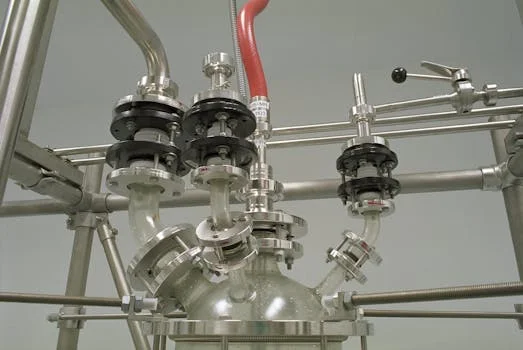
The following HydropureWater products are engineered for the wastewater challenges discussed above:
- MBR systems for tertiary treatment and water reuse — view specifications, capacity range, and technical data
- DAF systems for high-efficiency TSS and FOG removal — view specifications, capacity range, and technical data
- chemical dosing systems for nutrient removal — view specifications, capacity range, and technical data
Need a customized solution? Request a free quote with your specific flow rate and pollutant parameters.