Sludge Dewatering Equipment in UAE 2025: Engineering Specs, Costs & Supplier Decision Framework
In the UAE, sludge dewatering equipment reduces disposal costs by 40–60% by compacting wastewater sludge from 98% water to 20–30% solids. The three dominant technologies—screw presses (90–95% solids capture), centrifuges (92–97%), and belt presses (85–90%)—vary in energy use (2–15 kWh/ton), footprint (5–30 m²), and CAPEX ($50K–$500K). UAE regulatory standards (e.g., Dubai Municipality’s DM-W-03) require <30% moisture for landfill disposal, making screw presses the most cost-effective for municipal and industrial applications.
Why UAE Facilities Need Sludge Dewatering Equipment in 2025
UAE industrial and municipal facilities face sludge disposal costs ranging from $80–$150/ton, a figure projected to increase by 5–7% annually due to diminishing landfill capacity (Dubai Municipality, 2024 data). This escalating cost, coupled with stringent environmental regulations, makes efficient sludge dewatering equipment a critical investment for operational sustainability and compliance. Current regulatory frameworks, such as Dubai Municipality’s DM-W-03, mandate a maximum moisture content of <30% for sludge destined for landfill disposal. For alternative disposal methods like incineration, particularly in Abu Dhabi, the Waste Management Center enforces even stricter limits, typically requiring <20% moisture content.
The financial impact of effective dewatering is substantial. For instance, industry reports indicate that a Dubai food processing plant successfully reduced its sludge disposal costs by 55% after integrating an advanced screw press dewatering system. Beyond costs, UAE facilities contend with unique operational challenges, including high salinity in wastewater sludge due to extensive use of desalinated water and Gulf seawater intrusion, which necessitates corrosion-resistant equipment materials. the prevalence of sand contamination in some industrial and municipal sludges, combined with extreme ambient temperatures, places additional demands on equipment durability and performance, highlighting the need for robust, locally adapted solutions to manage sludge disposal costs in Abu Dhabi and across the Emirates.
Sludge Dewatering Equipment Types: Engineering Specs for UAE Conditions
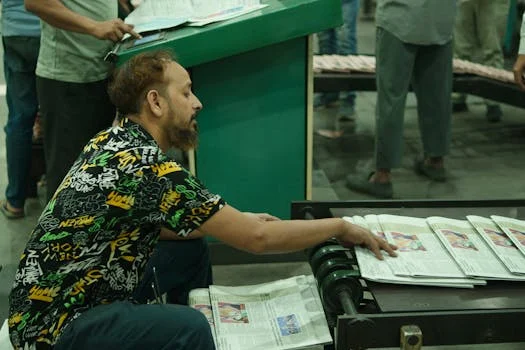
Sludge dewatering technologies achieve varying levels of solids capture and operational efficiency, with screw presses, decanter centrifuges, and belt presses representing the primary options for UAE industrial and municipal applications. Selecting the optimal equipment requires a detailed understanding of the sludge characteristics and the specific engineering specifications tailored for the challenging UAE environment.
Multi-Disk Screw Presses (MDS) are highly effective for municipal and general industrial sludge, achieving 90–95% solids capture. They operate with low energy consumption, typically 2–5 kWh/ton of dry solids, and have a compact footprint of 5–15 m². For UAE conditions, screw presses often feature corrosion-resistant coatings, such as tungsten carbide, to withstand high-salinity sludge prevalent in regions using desalinated water or experiencing seawater intrusion. The relatively low shear forces make them suitable for a wide range of sludge types, and they are particularly cost-effective for achieving DM-W-03 moisture limits for landfill.
Decanter Centrifuges offer superior solids capture, ranging from 92–97%, making them ideal for challenging sludges found in petrochemicals or facilities with high-oil content. Their energy consumption is higher, typically 8–15 kWh/ton, and they require a larger footprint of 10–30 m². In the UAE, centrifuges benefit from sand-resistant seals and robust bearing designs to handle abrasive particles common in desert environments. Their continuous operation and ability to process high flow rates make them suitable for large-scale operations where screw press vs centrifuge for industrial sludge is a key evaluation.
Belt Presses are well-suited for fibrous sludges, such as those from food processing plants, achieving 85–90% solids capture. They consume 3–8 kWh/ton of energy and require a larger footprint, typically 15–40 m². For UAE facilities, enhanced corrosion resistance for their metallic components is crucial due to saline conditions. The process involves gravity drainage followed by mechanical compression between two tensioned belts. For handling varying sludge characteristics, an automated polymer dosing system for sludge conditioning is vital, ensuring optimal flocculation before dewatering.
Key process parameters across all technologies include polymer dosing, typically 1–3 kg/ton dry solids, which is critical for flocculation and efficient dewatering. Hydraulic retention time, ranging from 10–30 minutes, influences separation efficiency, while sludge feed concentration (2–5% TS) dictates throughput capacity. For facilities requiring advanced solid-liquid separation, a plate and frame filter press for high-solids sludge dewatering can complement these systems, particularly for achieving very dry cake solids.
| Equipment Type | Solids Capture Rate | Energy Use (kWh/ton) | Footprint (m²) | Ideal Sludge Type | UAE-Specific Enhancements |
|---|---|---|---|---|---|
| Screw Press (MDS) | 90–95% | 2–5 | 5–15 | Municipal, industrial | Tungsten carbide coatings |
| Decanter Centrifuge | 92–97% | 8–15 | 10–30 | Petrochemical, oily | Sand-resistant seals |
| Belt Press | 85–90% | 3–8 | 15–40 | Food processing, fibrous | Enhanced corrosion resistance |
UAE Market Cost Benchmarks: CAPEX, OPEX, and ROI for 2025
Evaluating the total cost of ownership (TCO) for sludge dewatering equipment in the UAE requires detailed CAPEX and OPEX analysis, with typical payback periods ranging from 2 to 4 years for a 100 m³/day plant. For 2025 projects, capital expenditure (CAPEX) for sludge dewatering equipment varies significantly by technology and capacity. Based on recent UAE supplier quotes, a screw press can range from $50K–$200K, while a decanter centrifuge typically costs $150K–$500K. Belt presses fall in the middle, with prices from $80K–$300K. Installation costs are an additional factor, generally representing 10–20% of the CAPEX, with centrifuges often incurring higher installation expenses due to the need for specialized vibration isolation and structural support.
Operational expenditure (OPEX) is a critical component of TCO, heavily influenced by local market conditions. Polymer costs, essential for flocculation, typically range from $15–$30 per ton of dry solids, varying with polymer type and supplier. Energy consumption, based on the equipment type and UAE electricity rates, can be $0.08–$0.60 per ton of dry solids. Annual maintenance costs, covering spare parts and labor, are estimated at $5K–$20K per year, with centrifuges generally having higher maintenance requirements due to their complex mechanical components. These figures directly impact the overall sludge dewatering machine price in Dubai and other Emirates.
Return on Investment (ROI) calculations demonstrate the long-term financial benefits. For a typical 100 m³/day industrial wastewater treatment plant, dewatering sludge can yield annual disposal cost savings of approximately $120K (assuming an average disposal cost of $100/ton and a 50% volume reduction). This translates to a payback period of 2–4 years, making sludge dewatering a financially attractive investment. the UAE government actively supports sustainable wastewater management. The Abu Dhabi Development Fund (ADQ) launched a $50 million wastewater fund in 2024, offering up to 30% subsidies for dewatering equipment that meets stringent DM-W-03 standards, significantly improving the ADQ wastewater funding 2025 outlook for new projects.
| Cost Category | Screw Press (Range) | Centrifuge (Range) | Belt Press (Range) | Notes |
|---|---|---|---|---|
| CAPEX | $50K–$200K | $150K–$500K | $80K–$300K | 2025 UAE market estimates |
| Installation | 10–15% of CAPEX | 15–20% of CAPEX | 10–15% of CAPEX | Centrifuges require more complex setup |
| OPEX (per ton dry solids) | ||||
| Polymer | $15–$25 | $20–$30 | $15–$25 | Varies with sludge type and polymer cost |
| Energy | $0.08–$0.20 | $0.30–$0.60 | $0.15–$0.35 | Based on 2–15 kWh/ton and UAE electricity rates |
| Maintenance | $5K–$10K/year | $10K–$20K/year | $7K–$15K/year | Includes spare parts and labor |
| ROI (Example: 100 m³/day plant) | ||||
| Annual Savings | ~$120K (disposal) | ~$120K (disposal) | ~$120K (disposal) | Based on $100/ton average disposal cost |
| Payback Period | 2–3 years | 3–4 years | 2.5–3.5 years | Dependent on specific CAPEX/OPEX |
Supplier Comparison Matrix: Top 5 UAE Sludge Dewatering Equipment Providers

Selecting a sludge dewatering equipment supplier in the UAE involves evaluating not only equipment specifications but also the breadth of their service network, warranty provisions, and local compliance certifications. Procurement teams must look beyond initial purchase price to consider long-term support and reliability. The UAE market features several reputable providers offering a range of dewatering solutions, from standalone units to integrated wastewater treatment packages.
Suppliers in the region generally offer a diverse equipment range, including screw presses, decanter centrifuges, and belt presses. Some providers specialize in comprehensive solutions, such as integrated grit removal and dewatering systems, while others focus on specific technologies like centrifuges combined with screw presses. A strong UAE service network is paramount; leading suppliers offer on-site support in major industrial hubs like Dubai and Abu Dhabi, alongside advanced remote monitoring capabilities to minimize downtime.
Warranty terms typically range from 12–24 months as standard, with some providers offering extended warranties of up to 36 months for premium equipment models. Lead times can vary significantly, from 4–8 weeks for units available from local stock to 12–16 weeks for imported or custom-fabricated equipment. adherence to local and international compliance certifications, such as DM-W-03 for moisture limits, ISO 14001 for environmental management, and CE marking for European safety standards, is a non-negotiable requirement for ensuring equipment meets operational and regulatory benchmarks.
| Feature / Supplier Type | Supplier A (Integrated Solutions) | Supplier B (Centrifuge Specialist) | Supplier C (Strong Local Presence) | Supplier D (Compact Units Focus) | Supplier E (Extended Warranties) |
|---|---|---|---|---|---|
| Equipment Range | Screw presses, grit removal, DAF | Decanter centrifuges, screw presses | Screw presses, polymer units | Containerized plants, belt presses | Full range (screw, belt, centrifuge) |
| UAE Service Network | Dubai, Abu Dhabi on-site support | Dubai, remote monitoring | Northern Emirates, limited on-site | Dubai, Sharjah service centers | Extensive UAE network, 24/7 support | Warranty Terms | 12 months (standard) | 18 months (standard) | 12–24 months (model dependent) | 24 months (standard) | Up to 36 months (premium models) |
| Lead Times | 4–6 weeks (local stock) | 10–14 weeks (imported) | 6–8 weeks (some local) | 8–12 weeks (custom builds) | 4–8 weeks (local stock) |
| Compliance Certs | DM-W-03, ISO 9001 | ISO 14001, CE | DM-W-03, ISO 45001 | CE, local municipality approvals | DM-W-03, ISO 9001/14001 |
Procurement Decision Framework: 7 Steps to Selecting Sludge Dewatering Equipment in the UAE
A structured procurement framework, commencing with detailed sludge characterization, is essential for selecting optimal sludge dewatering equipment that aligns with operational needs and UAE regulatory requirements. This systematic approach helps procurement teams navigate the complexities of technology selection, supplier evaluation, and compliance with UAE wastewater treatment standards 2025.
- Step 1: Characterize Sludge Thoroughly. Begin with comprehensive laboratory testing of your facility's specific sludge. Key parameters include total solids (TS%) content, oil and grease content, salinity, pH, and particle size distribution. Reputable UAE labs like Bureau Veritas and SGS offer these analytical services, providing crucial data for equipment matching.
- Step 2: Match Sludge Type to Equipment Technology. Utilize the engineering specifications and comparison tables to align your sludge characteristics with the most suitable dewatering technology. For instance, high-oil petrochemical sludge benefits from centrifuges, while municipal or food processing sludge often performs well with screw presses or belt presses.
- Step 3: Request UAE-Specific Pilot Tests. Engage potential suppliers to conduct pilot tests using your actual sludge on-site. Many suppliers offer 1–2 week trials, which provide invaluable real-world performance data on solids capture rates, polymer consumption, and cake dryness under your specific operating conditions.
- Step 4: Verify Regulatory Compliance. Ensure the selected equipment and its output (dewatered sludge) meet all relevant UAE standards. This includes strict adherence to Dubai Municipality’s DM-W-03, which mandates a moisture content of <30% for landfill disposal. If treated sewage effluent (TSE) reuse is a consideration, verify compliance with Abu Dhabi’s TSE reuse standards.
- Step 5: Compare Total Cost of Ownership (TCO). Beyond initial CAPEX, evaluate the long-term operational costs (OPEX) over a 5-year period. Factor in energy consumption, polymer costs, maintenance, and spare parts availability to determine the true economic viability.
- Step 6: Evaluate Supplier Support and After-Sales Service. Assess the supplier's local presence, technical support capabilities, and spare parts availability within the UAE. A robust local service center is critical for minimizing downtime and ensuring continuous operation.
- Step 7: Negotiate Financing and Contract Terms. Explore available financial incentives, such as ADQ subsidies for projects meeting DM-W-03 moisture limits for landfill, and discuss flexible payment plans or leasing options offered by suppliers. Review warranty terms, lead times, and installation support thoroughly. For specific chemical dosing needs, understanding lime dosing system specifications can be an important part of the overall wastewater treatment strategy.
Frequently Asked Questions
What are the primary drivers for investing in sludge dewatering equipment in the UAE?
The primary drivers are the high and rising sludge disposal costs, which range from $80–$150/ton and are increasing by 5–7% annually, coupled with strict regulatory requirements like Dubai Municipality’s DM-W-03 mandating <30% moisture for landfill disposal.
What types of sludge dewatering equipment are most effective for UAE industrial facilities?
Screw presses are highly cost-effective for municipal and general industrial sludge, achieving 90–95% solids capture with low energy use (2–5 kWh/ton). Decanter centrifuges are preferred for high-oil petrochemical sludge, offering 92–97% solids capture despite higher energy consumption.
How do UAE-specific conditions impact sludge dewatering equipment selection?
High salinity in UAE sludge necessitates corrosion-resistant coatings, such as tungsten carbide, for equipment components. Additionally, the presence of sand contamination in some sludges requires robust, sand-resistant seals and durable designs to prevent premature wear and ensure reliable operation.
What are the typical costs and ROI for sludge dewatering projects in the UAE?
CAPEX for sludge dewatering equipment in the UAE ranges from $50K to $500K, with OPEX for polymer at $15–$30/ton and energy at $0.08–$0.60/ton. A typical 100 m³/day plant can see annual disposal cost savings of approximately $120K, leading to a 2–4 year payback period. ADQ’s $50M wastewater fund also offers subsidies of up to 30%.
What are the key regulatory standards for sludge disposal in the UAE?
Dubai Municipality’s DM-W-03 is a key standard, requiring dewatered sludge to have less than 30% moisture content for landfill disposal. For incineration, the Abu Dhabi Waste Management Center typically requires an even lower moisture content of less than 20%.