Lime Dosing System Specifications Engineers Need for Procurement
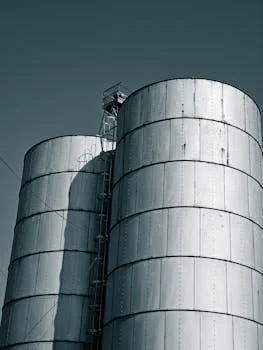
Precision lime slurry dosing needs defined silo capacity, slurry strength, pump accuracy, and standards compliance. Large systems often feed about 2500 kg/hr dry lime (Rieco manufacturer data). Industrial hydrated-lime slurry commonly runs at 5-15% w/w. Unit dosing pumps often deliver about 35 m³/hr (Filquip case studies). Packages must support manual and automatic control plus silo pressure relief.
What Is Lime Dosing in Water Treatment?
Lime dosing in water treatment is the controlled addition of quicklime (CaO) or hydrated lime (Ca(OH)₂) to raise pH, add alkalinity, and support solids conditioning. Dry lime is stored in a silo, metered by a screw or rotary feeder, mixed with water into slurry, then injected by a dosing pump paced to a pH or flow signal. Slurry systems dominate large plants because reaction kinetics are faster and dust exposure is lower than dry injection. Beyond wastewater pH control, the same hardware serves sludge conditioning and flue-gas SO₂ scrubbing when paired with an integrated FGD scrubbers with lime slurry dosing for SO₂ removal.
For process-train layout and stage timing, see how a lime dosing system works. Key hardware includes the silo, gravimetric or volumetric feeder, SS316 mixing tank, slurry pump, and PLC control with pH feedback.
Precision Lime Slurry Dosing: Key Design Parameters
Precision lime slurry dosing depends on slurry concentration, mixing detention, pump accuracy, and materials that resist abrasion. Industrial hydrated-lime loops often target 5-15% w/w. Concentrations below 5% w/w raise water volume and energy use; above 15% w/w raise scaling and plug risk on many plants. Water Corporation DS 72-01 (April 2024) sizes milk-of-lime mixing tanks for concentrations up to 5% w/w with a minimum 15-minute detention time at maximum plant production. Mixing time in industrial slurry tanks is commonly held at 10-30 minutes for hydration and homogeneity. High-performance dosing accuracy is typically ±1-3% of full scale when pH control is tight.
Mixing tanks and wetted internals often use Stainless Steel 316 for lime slurry corrosion resistance (Filquip case study). Slurry transfer lines commonly use PVC or HDPE for chemical resistance and cost. Lime purity for many chemical and industrial uses still references ASTM C911-19. That revision remains current (issued May 2019) and is cited here for ≥90% Ca(OH)₂ hydrated lime with ≤3% insolubles. For potable water, wastewater, and reclaimed-water service, ANSI/AWWA B202:2025 supersedes B202:2019 as the current AWWA lime product standard (published 01-10-2025). OSHA 1910.1200 covers hazard communication for lime handling; NFPA 652 addresses combustible dust in dry storage and feeding.
| Parameter | Range | Units | Notes |
|---|---|---|---|
| Slurry Concentration | 5-15% | w/w | Optimal solubility, higher concentrations risk scaling (Water Corporation DS 72-02) |
| Mixing Time (Slurry) | 10-30 | minutes | Ensures complete hydration and homogeneity |
| Dosing Pump Accuracy | ±1-3% | % of full scale | Critical for precise pH control |
| Lime Silo Capacity | 5-100 | m³ | Based on daily usage and desired autonomy (e.g., 7-30 days supply) |
| Slurry Tank Material | SS316 | N/A | Corrosion resistance (Filquip case study) |
| Slurry Line Material | PVC/HDPE | N/A | Corrosion resistance, cost-effective |
| Lime Purity (Hydrated) | ≥90% Ca(OH)₂ | % | ASTM C911-19 compliance, ≤3% insolubles |
| Operating Pressure | 1-10 | bar | Dependent on system design and injection point |
Dry vs. Slurry Lime Dosing Systems: Comparison Matrix and Use-Case Matching
Dry lime dosing systems store powder in a silo and feed it into a dissolution point or small wet tank. Capital cost is usually lower because slurry tanks and high-duty slurry pumps are smaller or omitted. Dust risk is higher, on-site hydration slows reaction, and dry packages are generally limited to smaller flows (<50 m³/hr), which fits small food plants or batch treatment.
Slurry lime dosing systems prepare milk of lime before injection. They suit high flows (>100 m³/hr), cut dust exposure, and give faster pH response for municipal plants, large industrial effluent, and continuous FGD service. Capital cost and scaling risk are higher, so cleaning access and antiscalant strategy must be designed in from the start.
| Feature | Dry Lime Dosing Systems | Slurry Lime Dosing Systems |
|---|---|---|
| Capital Cost | Lower ($20,000-$50,000) | Higher ($50,000-$200,000) |
| Operational Cost | Moderate (dust control, slower reaction) | Moderate (energy for mixing, scaling prevention) |
| Flow Rate Range | Low (<50 m³/hr) | High (>100 m³/hr) |
| Reaction Time | Slower (on-site hydration needed) | Faster (pre-hydrated slurry) |
| Dust Hazard | High (requires robust dust collection) | Low (wet handling) |
| Scaling Risk | Low (if direct injection) | Moderate (requires regular cleaning, antiscalants) |
| Typical Applications | Small industrial plants, batch treatment, low-volume pH adjustment | Municipal WWTPs, large industrial facilities, FGD scrubbers, continuous high-volume treatment |
How Do Lime Metering and Lime Dosing Differ?
Lime metering sets the dry mass feed rate into the mix tank; lime dosing is the controlled slurry injection into the process stream. Gravimetric loss-in-weight feeders commonly hold dry metering accuracy near 1-2% under continuous duty (Water Corporation DS 72-01, April 2024). A lime slurry dosing pump then delivers the prepared slurry at the flow and pressure needed for the injection point. Choose pump type by slurry abrasiveness, viscosity, and required accuracy, then match wetted materials to lime chemistry.
- Diaphragm Pumps: These offer high accuracy (typically ±1%) and are excellent for precise dosing in pH-critical applications, such as drinking water treatment. They handle flow rates ranging from 10-5000 L/hr. Material compatibility is key, with PTFE diaphragms and PVC/PVDF pump heads often selected for their chemical resistance to lime slurry.
- Peristaltic Pumps: Known for their low maintenance requirements and ability to handle abrasive slurries without seals or valves, peristaltic pumps provide good accuracy (typically ±3%). They are suitable for flow rates between 0.1-1000 L/hr. The only wetted part is the tubing, with EPDM or Norprene tubing commonly used for lime slurries due to their flexibility and chemical resistance.
- Progressive Cavity (PC) Pumps: These positive displacement pumps excel at handling high-viscosity slurries and can manage higher flow rates, typically 50-10,000 L/hr, with accuracy around ±2%. Their continuous, non-pulsating flow is advantageous for consistent dosing. Stainless steel rotors and stators made of abrasion-resistant elastomers like NBR are common choices for durability when pumping lime slurry.
Accuracy requirements vary by application; for instance, pH-critical processes such as drinking water treatment or sensitive industrial processes may demand ±1% accuracy, while general wastewater treatment might tolerate ±5% (per EPA 40 CFR Part 133). After lime addition, solids often settle in a lamella clarifiers for post-lime-dosing solids removal before discharge or reuse.
| Pump Type | Flow Rate Range | Accuracy | Typical Wetted Material | Typical Applications | Cost Range (Pump Only) |
|---|---|---|---|---|---|
| Diaphragm Pump | 10-5000 L/hr | ±1% | PTFE diaphragm, PVC/PVDF head | Precise pH control, drinking water, chemical processes | $1,000 - $10,000 |
| Peristaltic Pump | 0.1-1000 L/hr | ±3% | EPDM/Norprene tubing | Abrasive slurries, low maintenance, general wastewater | $500 - $5,000 |
| Progressive Cavity Pump | 50-10,000 L/hr | ±2% | SS rotor, NBR/EPDM stator | High viscosity slurries, large flow rates, continuous processes | $5,000 - $25,000 |
Lime Dosing System Costs: Benchmarks and ROI Calculation
Capital cost for a complete lime dosing package tracks capacity, automation, and dry versus slurry architecture. Dry systems for about 5-50 m³/hr wastewater flow generally range from $20,000 to $50,000. Automated slurry systems for about 100-1000 m³/hr often range from $50,000 to $200,000, covering silos, feeders, mix tanks, pumps, and controls. An Automatic Chemical Dosing System with PLC pH control is the usual industrial package for continuous duty.
Operating cost is driven by lime consumption, mixer and pump energy, and parts labor. Lime prices typically range from $0.10-$0.30/kg, heavily influenced by location and bulk purchasing. Energy costs for mixers and pumps can range from $0.05-$0.20/kWh depending on regional rates. Annual maintenance, including parts replacement (e.g., pump diaphragms, mixer seals) and labor, can cost anywhere from $2,000 to $10,000, varying with system complexity and usage intensity.
Return on investment usually comes from lower alkalinity cost versus caustic soda, avoided effluent penalties, less manual handling, and more stable coagulation or dewatering downstream. As an example, a Filquip system costing $120,000 capital with $15,000/year operating cost at 500 m³/hr WWTP flow can pay back in 3.2 years. That case assumes $0.50/m³ savings versus caustic soda. This translates to annual savings of approximately $21,000 for chemical costs alone, not including avoided penalties or labor efficiencies.
| System Type | Flow Rate Range | Capital Cost (USD) | Operational Cost (per year, USD) | Typical ROI Period (years) |
|---|---|---|---|---|
| Dry Dosing System (Basic) | 5-50 m³/hr | $20,000 - $50,000 | $5,000 - $15,000 | 3-5 |
| Slurry Dosing System (Standard) | 100-500 m³/hr | $50,000 - $120,000 | $10,000 - $30,000 | 2-4 |
| Slurry Dosing System (Advanced/Large) | >500 m³/hr | $120,000 - $200,000+ | $25,000 - $60,000+ | 2-3.5 |
Common Operational Issues and Troubleshooting Guide
Scaling, clogging, pH swing, and dust remain the main downtime drivers on industrial lime dosing systems. High slurry strength above about 15% w/w, weak mixing, or hard dilution water all promote calcium carbonate deposits. Impurities, undissolved grit, or the wrong pump type plug valves and nozzles. Calibration drift and fouled pH probes cause overshoot or undershoot. Dry loading without working dust collection creates respiratory and housekeeping hazards.
| Symptom | Likely Cause | Diagnostic Step | Fix | Prevention |
|---|---|---|---|---|
| Pipe/Tank Scaling | High slurry concentration (>15% w/w), insufficient mixing, hard water | Check slurry concentration; inspect mixer; test water hardness | Reduce slurry concentration; increase mixing time/intensity; use antiscalant (e.g., polyphosphates); acid wash (citric acid) | Maintain 5-15% w/w slurry; regular cleaning; optimize mixing |
| Pump/Nozzle Clogging | Lime impurities, undissolved solids, improper pump selection | Inspect lime quality; check strainer; test slurry particle size | Install 100-mesh strainer; use progressive cavity pump for high-viscosity slurries; flush lines regularly | Use high-purity lime (ASTM C911-19); regular strainer cleaning; proper pump sizing |
| pH Overshoot/Undershoot | Pump calibration drift, sensor fouling, inadequate mixing in wastewater | Calibrate pump; clean/calibrate pH sensor; check wastewater mixing | Weekly pump calibration; monthly sensor cleaning (citric acid wash); optimize injection point/mixer in wastewater stream | Scheduled calibration; regular sensor maintenance; ensure proper mixing in the reaction zone |
| Dust Hazards | Dry lime handling during loading/maintenance | Observe silo loading; check dust collector operation | Use silo dust collectors (e.g., Filquip FS4J39 collectors); implement wet suppression systems | Enclosed transfer systems; proper PPE; training; regular filter maintenance |
Selection Checklist for Buyers and EPC Teams
Confirm daily lime mass and desired silo autonomy (7-30 days is common). Pick dry versus slurry architecture from flow rate, dust limits, and reaction-time needs. Fix slurry strength and mix detention before locking pump curves. Specify ASTM C911-19 and, where the water utility requires it, ANSI/AWWA B202:2025 lime quality language. Require SS316 wet ends or proven elastomers for abrasive slurry. Demand pressure/vacuum relief, dust filtration, and documented calibration intervals. Who this is for: plant engineers and procurement managers sizing pH or alkalinity control. Who should look elsewhere: buyers needing only bagged manual dosing for intermittent lab-scale batches. Next step: send flow, influent pH, and target alkalinity with a Request a free quote so the skid can be sized to your duty.
Frequently Asked Questions
What is the ASTM standard for lime in water treatment?
ASTM C911-19 is still the current ASTM C911 revision for selected chemical and industrial lime uses, including waste and wastewater neutralization pathways referenced alongside related ASTM documents. It is commonly specified for hydrated lime at ≥90% Ca(OH)₂ with ≤3% insolubles. For potable water, wastewater, or reclaimed-water service, also check ANSI/AWWA B202:2025, which supersedes B202:2019 as the current AWWA quicklime and hydrated lime product standard.
What is the optimal slurry concentration for lime dosing?
Many industrial slurry loops still operate in the 5-15% w/w band used in the original plant guidance, because leaner mixes waste water volume and richer mixes raise scale risk. Water Corporation DS 72-01 (April 2024) designs milk-of-lime tanks for concentrations up to 5% w/w with at least 15 minutes detention at maximum production. Match concentration to pumpability, scaling history, and whether you dose slurry or clarified lime water.
How do you size a lime silo for a wastewater treatment plant?
Silo Capacity (m³) = (Daily Lime Usage (kg/day) × Safety Factor (1.5-2.0)) / Bulk Density (500-600 kg/m³). For example, if daily usage is 1000 kg/day with a safety factor of 1.5 and a bulk density of 550 kg/m³, the required capacity is (1000 × 1.5) / 550 ≈ 2.7 m³. Larger plants then scale silo volume for 7-30 days autonomy and truck unloading logistics.
What are the advantages of automatic lime dosing systems?
Automatic lime dosing systems reduce labor demand by up to 70% compared with manual systems in the source article. They tighten pH control to about ±0.1 pH units versus ±0.5 for manual systems. They also help avoid effluent violations referenced under EPA 40 CFR Part 133. They also improve chemical utilization and keep operators out of dusty or high-pH handling tasks during normal operation.
How often should lime dosing pumps be calibrated?
Weekly calibration is recommended for diaphragm pumps, biweekly for peristaltic pumps, and monthly for progressive cavity pumps when following the article’s maintenance cadence. Always overlay manufacturer limits and criticality of the pH loop. After any tubing, diaphragm, or stator change, recalibrate before returning the lime slurry dosing pump to automatic mode.