Chemical Data Dosing Selection Specifications Standards for Water Treatment
A chemical dosing system injects coagulants, pH adjusters, disinfectants, or specialty chemicals into water or wastewater at controlled rates. Chemical data dosing selection specifications standards cover flow rates of 0.1–10,000 L/h, diaphragm or peristaltic metering pumps, and tanks of 50–5,000 L. Materials include PVC, HDPE, or stainless steel, with OSHA 1910.119 and EPA 40 CFR Part 264 storage rules.
Plant managers often see membrane fouling and frequent CIP cycles when antiscalant feed drifts. Even a 5% swing in chemical concentration can drive irreversible scaling on high-volume membrane trains. A closed four-stage workflow removes that variance: storage, metering, injection, then sensor feedback.
- Chemical Storage: Chemicals are housed in tanks designed for specific chemical resistance. Capacity ranges typically span from 50 L for specialty additives to 5,000 L for bulk reagents like sodium hypochlorite.
- Metering: The heart of the system, the metering pump, regulates the flow rate. Precision is paramount, with standard industrial units maintaining ±1% accuracy across a 10:1 turndown ratio.
- Injection: Chemicals are introduced into the main process stream via injection quills or static mixers to ensure immediate and homogenous distribution.
- Control and Feedback: Integrated PLC systems receive inputs from downstream sensors (pH, ORP, or conductivity) to adjust pump speeds in real-time. This closed-loop control reduces chemical waste by 20–30% compared to manual or timer-based systems (HydropureWater field data, 2025).
Textile plants neutralizing alkaline effluent from pH 12 to pH 7 need tight sulfuric acid control. A diaphragm pump at 0.5–5 L/h keeps discharge compliant and protects downstream biology from over-acidification.
Key Components: Specs, Materials, and Matched Skids
Reliability comes from matching mechanical and electrical parts to viscosity, corrosivity, and system pressure. Selecting an Automatic Chemical Dosing System gives a pre-engineered skid where pumps, tanks, and controls are already paired.
Storage Tanks and Secondary Containment
Choose tanks for chemical compatibility and outdoor exposure. HDPE remains the usual pick for most acids and bases because it resists impact and keeps cost low. Highly concentrated oxidizers may need XLPE or FRP instead. Per EPA 40 CFR Part 264, hazardous service requires secondary containment that holds 110% of the largest tank volume.
Metering Pump Technology
Pump choice follows required flow and fluid behavior. Diaphragm pumps handle high pressure and aggressive reagents well. Peristaltic pumps suit shear-sensitive polymers or high-solids fluids because the liquid only touches the tubing.
| Component | Standard Specifications | Common Materials | Key Compliance Standard |
|---|---|---|---|
| Metering Pump | 0.1–10,000 L/h; ±1% accuracy | PVDF, PTFE, SS316 | API 675 |
| Storage Tank | 50–5,000 L; UV-stabilized | HDPE, PVC, FRP, SS316L | ASTM D1998 |
| Control Panel | PLC-based; 4-20mA / Modbus | NEMA 4X / IP66 Enclosure | UL 508A |
| Piping/Valves | Sch 80; PN10/PN16 ratings | CPVC, PVDF, PFA | ANSI B16.5 |
| Injection Quill | Retractable or fixed; integrated check valve | Hastelloy C, Titanium, PVC | ASME B31.3 |
Factory-tested skids arrive pre-wired and cut field install time by about 40% versus loose component builds. Upfront skid cost runs roughly 15% higher, yet lower engineering and labor hours often repay that premium for municipal and industrial owners.
Chemical Compatibility and Material Selection Guide
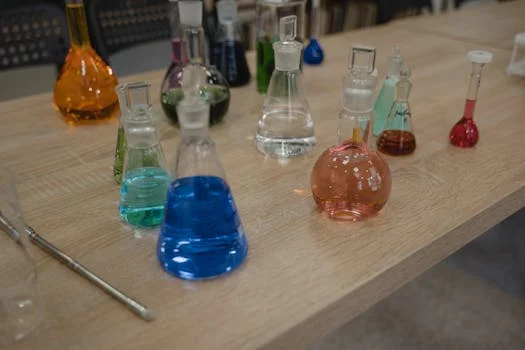
Material failure rarely appears overnight. Stress cracking, swelling, or pitting usually builds first. The wrong gasket or seal can leak within months. EPDM works for many acids, yet oils and hydrocarbons demand Viton (FKM).
| Chemical Name | Concentration | Recommended Housing | Recommended Seals | Notes |
|---|---|---|---|---|
| Sodium Hypochlorite | 12-15% | PVC / PVDF | Viton / PTFE | Avoid SS316 (pitting) |
| Sulfuric Acid | 98% | PTFE Lined / Alloy 20 | PTFE | Exothermic reaction risk |
| Sodium Hydroxide | 50% | HDPE / SS316 | EPDM | Risk of caustic embrittlement |
| Ferric Chloride | 40% | PVC / FRP | Viton | Highly corrosive to most metals |
| PAC (Coagulant) | 10-30% | HDPE / PVC | EPDM / Viton | See PAC dosing system specifications |
Temperature changes material limits fast. According to ASTM D1785, PVC pressure ratings must be derated above 23°C (73°F). Boiler oxygen-scavenger lines often need SS316 or PVDF to avoid structural failure. Outdoor PVC without UV stabilization becomes brittle, so use UV-resistant coatings or HDPE tanks with carbon black.
How to Size a Chemical Dosing Pump: Formulas and Worked Example
Correct sizing prevents under-dosing that fails treatment and over-dosing that wastes chemical and invites fines. Start with the dosing rate formula below.
Q = (C × F) / (1000 × S)
Where:
Q = Pump flow rate (L/h)
C = Desired chemical concentration in the process stream (mg/L)
F = Process flow rate (m³/h)
S = Chemical solution strength as a decimal (e.g., 12.5% = 0.125)
Dose chlorine at 5 mg/L into 100 m³/h with 12.5% sodium hypochlorite and Q = (5 × 100) / (1000 × 0.125) = 4 L/h. Add a 10–20% margin for losses and growth, then select about 5 L/h maximum capacity.
Viscosity often gets skipped in basic sizing. Concentrated emulsion polymers used with sludge dewatering equipment for wastewater treatment plants need a correction. According to ISO 13709, adjust pump flow as follows:
- Viscosity 50 cP: Multiply Q by 0.8
- Viscosity 200 cP: Multiply Q by 0.5
Pump head must exceed static head plus friction losses. Use Darcy-Weisbach with pipe diameter, length, and velocity. Most water plants run well at 5–7 bar. High-pressure boiler feed may need metering pumps above 50–100 bar.
Chemical Dosing System Standards and Compliance Requirements
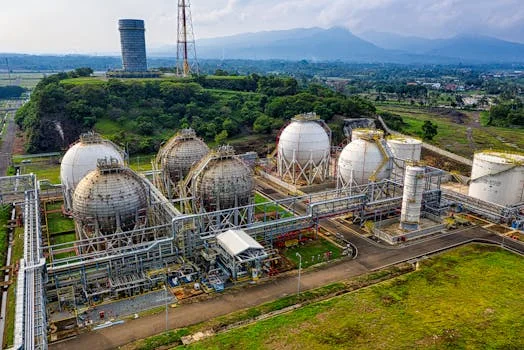
Compliance protects people as much as it satisfies auditors when hazardous reagents are on site. In the United States, OSHA 1910.119 sets design and maintenance rules for highly hazardous chemicals, including spill plans and secondary containment.
| Standard | Jurisdiction | Primary Focus | Requirement for Dosing Systems |
|---|---|---|---|
| OSHA 1910.119 | USA | Process Safety | Mechanical integrity and spill containment |
| EPA 40 CFR 264 | USA | Hazardous Waste | Tank labeling, leak detection, and record-keeping |
| 2010/75/EU | European Union | Industrial Emissions | Continuous monitoring of chemical discharges |
| NFPA 704 | International | Hazard Identification | Diamond labeling for health, fire, and reactivity |
| ATEX / IECEx | International | Explosive Atmospheres | Certification for electrical components in vapor zones |
Drinking-water service parts must meet NSF/ANSI 61 so nothing toxic leaches into the supply. Where flammable vapors appear, such as methanol dosing for denitrification, motors and sensors need ATEX or IECEx ratings for Zone 1 or Zone 2.
Across those rules, chemical data dosing selection specifications standards still turn on the same practical checks: containment volume, labeling, leak detection, and certified electrics in vapor zones.
What Is the Best Chemical Dosing Equipment for Water Treatment Plants?
The better question is which layout fits timeline, budget, and customization need. Skid-mounted packages sit on corrosion-resistant frames, usually SS304 or powder-coated steel, and ship as tested units. Modular builds assemble tanks, pumps, and panels on site when space or chemistry is unusual.
| Feature | Skid-Mounted Systems | Modular (Component) Systems |
|---|---|---|
| Installation Time | 2–4 weeks (Plug-and-Play) | 8–12 weeks (On-site assembly) |
| Engineering Cost | Low (Pre-engineered) | High (Custom design required) |
| Upfront Capital | $15,000 – $50,000 | $10,000 – $40,000 |
| Flexibility | Fixed configurations | Highly customizable |
| Space Requirement | Compact, optimized footprint | Variable; often larger |
Municipal plants and boiler-feed skids favor plug-and-play layouts. A 40% shorter install can avoid $2,000–$10,000 in downtime and contractor labor. Complex industrial wastewater, or tight existing rooms, often needs modular piping even when component prices look lower.
When a standard coagulation or pH package is enough, a factory-built skid-mounted automatic chemical dosing system usually wins on schedule risk. Custom multi-chemical trains still justify field-assembled modules.
How Do Chemical Dosing Systems for Boiler Feedwater Reduce Wastewater?
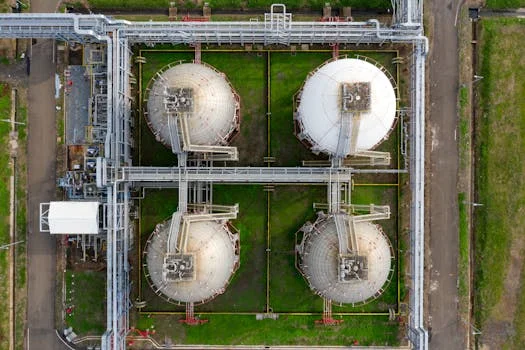
Boiler feed programs dose phosphate at 0.5–5 mg/L to limit scale and inject oxygen scavengers such as sodium sulfite to protect tubes. Stable feed cuts blowdown chemistry swings, so less contaminated boiler water leaves as wastewater.
RO and desalination trains rely on antiscalant at 1–5 mg/L. Low specialty flows often need precise peristaltic pumps. For disinfection, chlorine dioxide generators for drinking water and wastewater disinfection offer a bleach alternative when biofilm control matters.
Where Advanced Filtration Chemical Treatment Fits Cooling Loops
US data-center cooling loops fight corrosion and fouling with the same closed-loop logic: sensor-driven feed, compatible materials, and tight concentration control. Wastewater plants dosing alum or ferric chloride at 50–200 mg/L often pair feed with dissolved air flotation (DAF) machines to raise TSS and FOG removal. Those high-volume duties typically specify robust diaphragm pumps and large HDPE tanks.
Who This Is For / Who Should Look Elsewhere / Next Step
This guide is for process engineers, plant managers, and EPCs sizing chemical dosing for municipal water, industrial wastewater, boiler feed, or membrane pretreatment. Teams that only need a one-off drum pump for non-critical makeup water can stay with simpler manual feed.
If you already know flow, dose, and chemical strength, apply the Q formula, confirm materials against the compatibility table, then match skid versus modular install time. Share duty data with your vendor so pump pressure, tank volume, and PLC I/O are locked before procurement.
Frequently Asked Questions
What are the components of a chemical dosing system?
A standard system includes a chemical storage tank, a metering pump (diaphragm or peristaltic), an injection assembly (quill and check valve), a control panel (PLC or relay), and monitoring sensors (pH, ORP, or flow). Skid-mounted versions integrate these onto a single frame with pre-installed piping and wiring.
How to size a chemical dosing pump?
Use the formula Q = (C × F) / (1000 × S). Multiply the desired concentration (mg/L) by the process flow (m³/h), then divide by 1000 times the chemical strength percentage. Always add a 10–20% safety margin for pressure losses and future demand increases.
What is a CIP chemical dosing system?
A Clean-In-Place (CIP) dosing system automatically injects cleaning agents like caustic soda or nitric acid into process equipment (e.g., heat exchangers or membranes). These systems are designed to handle high temperatures and aggressive concentrations (0.5–2%) to remove organic and inorganic fouling without equipment disassembly.
What is the difference between a diaphragm and peristaltic pump?
Diaphragm pumps use a reciprocating motion to move fluid and are ideal for high-pressure, high-flow applications (up to 10,000 L/h). Peristaltic pumps use rollers to squeeze a tube; they are better for shear-sensitive chemicals, viscous fluids, and applications requiring the highest precision at low flow rates.
What are the OSHA requirements for chemical dosing systems?
OSHA 1910.119 requires that systems handling hazardous chemicals include secondary containment, clear labeling (NFPA 704), and documented maintenance procedures. Operators must also provide safety data sheets (SDS) and ensure that electrical components meet the appropriate hazard classification for the installation area.