Why Meat Plant Wastewater Maintenance Is a Different Problem
Meat processing wastewater plant maintenance in 2026 follows a four-stage program: preliminary screening (bar screen cleaning), primary DAF service (up to 99% suspended-solids removal, ~80% organic-load removal, 65% nitrogen removal), biological stage care (anaerobic digestion plus MBR; biological removal above 90% COD), and sludge handling — all aligned to 40 CFR Part 432 NPDES sampling. Daily, weekly, monthly, and annual tasks each target a known failure mode such as FOG fatbergs, ammonia-pH swings, and membrane fouling.
Slaughterhouse and further-processing effluent is not "municipal sewage with extra BOD." The profile is a mix of blood, paunch manure, fat, suspended solids, and cleaning chemicals at roughly 5 L/kg liveweight for red meat and 5–10 L/kg for poultry (per Sigma DAF slaughterhouse reference data). That water carries organic loads 10–100× higher than domestic sewage, and the load swings by shift: a washdown at 14:00 produces a different stream than a deboning line at 06:00. A generic O&M template, written for steady-flow municipal plants, fails because it assumes equalization, not the reality of a batch-discharge facility.
Fats, oils, and grease (FOG) are the headline problem. FOG congeals in cold weather, forms fatbergs inside clarifiers, and drives the BOD/COD spikes that show up at the NPDES sampling point as effluent excursions (Chemtech, 2025). High-protein degradation generates ammonia, and when ammonia mixes with cleaning chemicals the basin pH swings from acidic to alkaline — the exact condition that kills nitrifying bacteria and crashes biological treatment. These are not "operational nuisances" — they are the precursors to a permit excursion. Under 40 CFR Part 432, effluent limits are enforced through NPDES permits, and a poorly maintained DAF or digester is a permit-risk event, not just an operational one (EPA, 2025).
The regulatory baseline in 2026 is the 2004 version of 40 CFR Part 432. On 28 Aug 2025 EPA withdrew the 2024 proposed rule that would have tightened those limits, so the 2004 numerical limits remain the binding standard today. Maintenance programs must defend against the rule that is actually in effect, and Indian plant planners cross-referencing discharge norms will recognise the structure used in this 2025 CPCB/state STP norms reference when mapping Part 432 equivalents for U.S. sites.
The Four Maintenance Zones of a Meat Processing Wastewater Plant
Every maintenance checklist in this guide drops into one of four zones. Organizing spares, PMs, and KPIs by zone prevents the most common failure mode of a meat-plant O&M program: tasks assigned to "the wastewater system" with no clear owner or location.
Zone 1 — Preliminary. Rotary bar screen, grit trap, and flow equalization basin. Primary failure modes are blinding (rags and feathers sealing the screen face), ragging (long fibers wrapping the drive shaft), and pump cavitation from grit carryover when a sand trap is not pumped. A GX series rotary bar screen for preliminary treatment with differential-pressure instrumentation is the workhorse here; the daily DP reading is the first signal that downstream zones are about to be load-shocked.
Zone 2 — Primary. Coagulation and flocculation ahead of a DAF system for FOG and suspended-solids removal. Sigma DAF reference data for slaughterhouse duty show 99% suspended-solids removal, ~5 min coagulation contact time, ~10 min flocculation, and a floated-sludge dry-solids (DS) concentration of 3–5% — high enough to skip a thickener downstream. Microbubble fouling of nozzle packs is the dominant Zone 2 failure mode, addressed in the DAF oil-water separator working principle and microbubble physics reference.
Zone 3 — Biological. Anaerobic digester (UASB, EGSB, or CSTR) followed by an aerobic stage — activated sludge, SBR, or MBR. Well-tuned biological treatment removes >90% COD (Sigma DAF reference), and FBR systems hold 2,000–9,000 mg/L MLVSS by using DAF as a secondary clarifier instead of a gravity settler. The MBR integrated wastewater treatment approach, deployed with DF series flat-sheet MBR modules for the biological zone, raises mixed-liquor concentration and shrinks the aeration basin footprint — but only if the CIP cycle is run on schedule.
Zone 4 — Sludge. Thickening (often unnecessary because DAF sludge is already 3–5% DS), dewatering via a plate-and-frame filter press for sludge dewatering or belt press, and digestate handling. The economic anchor for Zone 4 is the methane yield: per Fluence, 1 ton of floated sludge at 10% DS can produce up to 60 m³ of methane — a target the maintenance planner should be tracking monthly because falling yield is the earliest indicator of digester upset (Fluence, 2025). The Amadori retrofit in Italy (3,180 m³/day, 3,600 Nm³/day methane) is a working benchmark for the throughput a well-maintained four-zone plant sustains continuously.
Daily and Weekly Maintenance Tasks by Zone
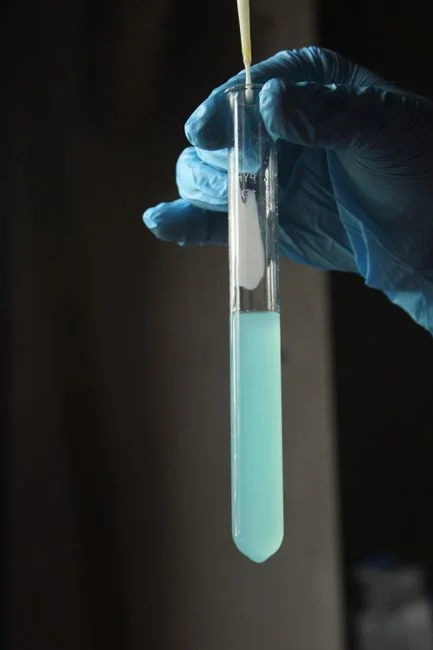
This is the checklist that gets printed and pinned above the control panel. Each task maps to a measurable KPI and a known failure mode.
- Daily — Zone 1: Read rotary bar screen differential pressure against baseline. Log equalization-basin pH and temperature. Visually inspect grit trap scum beach.
- Daily — Zone 2: Inspect DAF skimmer blade for wrapped FOG; check the floated-sludge beach thickness; verify coagulant and polymer dosing stroke against setpoint using the automatic chemical dosing system for coagulation and pH control flow totalizer.
- Daily — Zone 3: Read aeration-tank DO and digester pH (target 6.8–7.4); record MBR transmembrane pressure (TMP) trend; confirm biogas flow meter reading.
- Daily — Zone 4: Check sludge-press feed consistency and cake discharge; verify polymer feed to the dewatering unit.
- Weekly: Brush-clean bar screen rake teeth and discharge chute; pull and inspect one DAF microbubble nozzle for fouling; grease digester mixer bearings; verify MBR aeration scour air pressure within design window; calibrate pH probe with a two-point buffer check; conduct H₂S monitoring in equalization tank before any confined-space entry.
The cross-zone diagnostic logic is straightforward. Ammonia-pH swings and recurring FOG fatbergs are early indicators of upstream screening failure: a blinded bar screen passes more organics into Zone 2, which over-loads the DAF, which sends more FOG into Zone 3 and pins digester pH above 7.4. Tracing the symptom back upstream — usually to Zone 1 — solves 60% of meat-plant wastewater upsets before they become permit excursions. Operator-safety tasks are non-negotiable: confined-space entry for basins, hydrogen sulfide monitoring in equalization tanks, and lockout/tagout on DAF skimmer drives and bar screen rakes.
Monthly and Annual Maintenance: Rebuilds, Replacements, and Calibrations
Monthly and annual tasks are the rebuilds and replacements that should never be emergency work. Scheduled them in the CMMS against run-hours or calendar intervals — whichever fires first.
| Interval | Zone 1 — Preliminary | Zone 2 — Primary (DAF) | Zone 3 — Biological | Zone 4 — Sludge |
|---|---|---|---|---|
| Monthly | Drive-chain tension check; overload cutout test; rinse screen frame. | Recycle-pump seal inspection; air-saturation vessel O-ring and check-valve service; replace chemical dosing pump diaphragms per run-hours. | MBR in-situ CIP (sodium hypochlorite + citric acid rotation); digester gas-system condensate trap drain; gas-meter diaphragm inspection. | Belt-press tracking adjustment; filter cloth rinse cycle; polymer pump diaphragm replacement. |
| Quarterly | Bearing greasing on rake drive; replace rake teeth if wear exceeds 25% of profile. | Lamella plate or DAF plate-pack wash; recalibrate surface-scour skimmer torque limiter. | Recalibrate DO, pH, and TSS probes against laboratory reference; verify biogas flow meter against a reference standard (e.g., wet-test meter). | Plate-and-frame filter cloth replacement assessment; centrifuge bearing vibration analysis. |
| Annual | Full bar screen rebuild (drive chain, bearings, rake teeth set). | Recycle-pump rebuild; air-saturation vessel pressure-vessel inspection; nozzle pack replacement. | MBR membrane integrity test (pressure-hold or bubble test) per the DF series MBR flat-sheet module spec (0.1 µm pore, integrated aeration box, 80–225 m² configurations); membrane replacement assessment; digester mixer mechanical inspection; aeration-blower proof-test on emergency power. | Plate-and-frame filter press bearing and hydraulic cylinder replacement; belt-press roller bearing replacement; cake-handling conveyor service. |
Two equipment-design notes the maintenance planner should pin to the wall. First, DF series MBR modules with 0.1 µm flat-sheet membranes assume an annual CIP as part of normal operation; deferring that CIP is the single fastest route to irreversible fouling and a six-figure membrane replacement. Second, the DAF system spans 4–300 m³/h across 13 models, so spares commonality across the model line is real — the planner can hold one set of recycle-pump seals and one nozzle-pack gasket kit and cover most of the installed base. For recurring screen downtime, the field fixes in this mechanical bar screen troubleshooting guide pair with the quarterly tasks above.
Parameter Table: KPIs, Alarm Thresholds, and Service Intervals
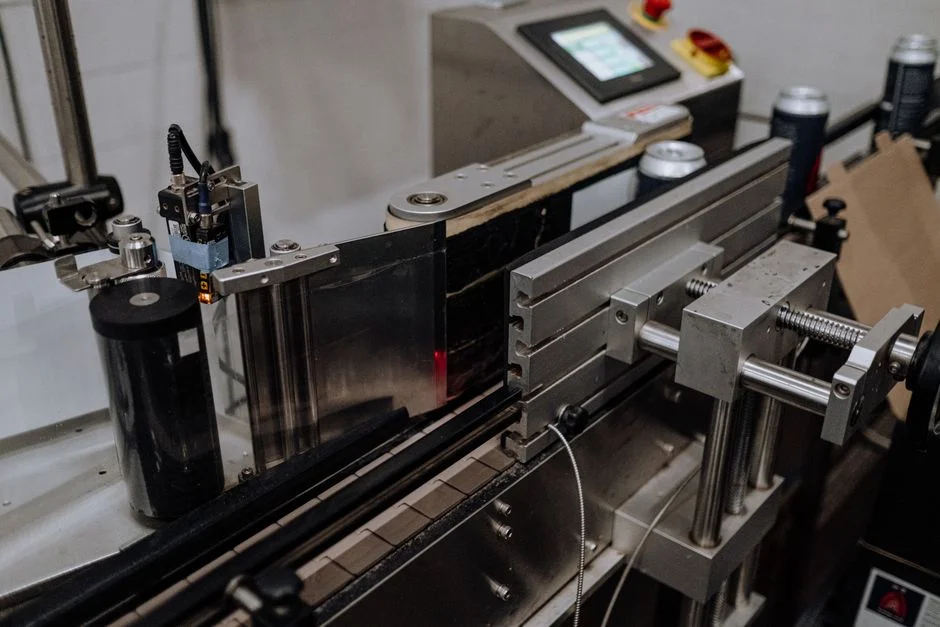
One table, lifted straight into the CMMS: unit operation, normal KPI range, alarm threshold, recommended service task, and the interval that the task protects.
| Unit Operation | Normal KPI Range | Alarm Threshold | Recommended Service Task | Interval |
|---|---|---|---|---|
| Rotary bar screen | ΔP 50–150 mm WC | ΔP > 300 mm WC | Rake teeth brush, frame rinse, drive-chain tension | Daily / weekly |
| Equalization basin | pH 6.5–8.0; T < 35 °C | pH < 5.5 or > 9.0; T > 40 °C | Mixer service; pH probe calibration; H₂S monitor check | Weekly / monthly |
| DAF unit | TSS removal 90–99%; FOG removal up to 90%; ~80% organic-load removal | Effluent TSS > 150 mg/L or float beach collapses | Nozzle inspection; recycle-pump seal; skimmer blade service | Daily / monthly |
| Chemical dosing | Stroke within ±5% of setpoint | Stroke deviation > 10% or air in line | Diaphragm replacement; line bleed; calibration check | Weekly / monthly |
| Anaerobic digester | pH 6.8–7.4; CH₄ yield up to 60 m³ per ton 10% TS floated sludge | pH < 6.5 or > 7.6; CH₄ yield drop > 15% | Mixer bearing service; gas-meter diaphragm; feed-rate review | Daily / monthly |
| Aerobic / MBR stage | COD removal > 90%; MLVSS 2,000–9,000 mg/L; TMP stable | TMP rise > 0.3 bar/cycle; DO < 1.5 mg/L | CIP cycle; membrane integrity test; aerator service | Daily / monthly / annual |
| Sludge dewatering | Cake DS ≥ 22% (belt press) or ≥ 28% (plate press) | Cake DS < 18% or feed pump cavitation | Belt tracking; cloth rinse; bearing replacement | Daily / quarterly / annual |
| Constructed wetland (tertiary benchmark) | 99% BOD; 97% COD; 85% VSS; 78% TKN removal | Effluent BOD > 30 mg/L | Vegetation harvest; inlet distributor check | Seasonal / annual |
Aligning Maintenance with 40 CFR Part 432 and Your NPDES Permit
Every maintenance task above defends a permit limit. Under 40 CFR Part 432, effluent limits for the meat and poultry products (MPP) point-source category are incorporated into NPDES permits issued by the state or EPA regional office. The sampling frequencies, monitoring locations, and reportable parameters listed in your NPDES permit are the maintenance program you must hit — BOD, TSS, oil and grease, total nitrogen, ammonia, and pH are the headline parameters. When the EPA withdrew the 2024 proposed MPP rule on 28 Aug 2025, the 2004 limits stayed in force; your plant is being held to numerical effluent limits that were set two decades ago, and the maintenance program must defend against those, not a future rule (EPA, 2025). The cross-reference to the municipal sewage sludge treatment process guide is useful for plants that co-treat with a POTW or operate a sludge-only land-application program under 40 CFR Part 503.
Operationally, translate the permit's monitoring schedule into PM tasks: weekly BOD/TSS sampling should be the trigger for reviewing the past seven days' DAF performance; quarterly ammonia sampling should trigger a digester pH and alkalinity review. If a parameter is trending toward its permit limit, the maintenance team should know before the laboratory does. Linking SCADA alarms to permit thresholds — not just to equipment trip points — is the cheapest insurance a plant can buy.
Spare Parts and 12-Month Maintenance Calendar for 2026
A baseline spares list, sized to a 500–3,000 m³/day meat plant, should sit on the maintenance planner's desk and be re-ordered when the first unit of any line item is pulled.
| Quarter | Major PM Focus | Linked Spare-Part Pull |
|---|---|---|
| Q1 (Jan–Mar) | MBR membrane integrity test; rotary bar screen rebuild; cold-weather FOG control | MBR membrane module (1 per 10 installed); rake teeth set; drive-chain set; DAF recycle-pump seals (2 sets); skimmer blade set (1); air-saturation vessel O-rings. |
| Q2 (Apr–Jun) | Anaerobic digester inspection; plate-and-frame filter press rebuild; probe calibration | Digester mixer seals (1 set); gas-meter diaphragms; filter cloths; chemical dosing pump diaphragms (2 per pump per year); pH and DO probes; bearing sets. |
| Q3 (Jul–Sep) | DAF nozzle change-out; lamella wash; biogas flow meter verification; CIP chemical stockpile refresh | Nozzle pack set; nozzle gaskets; CIP chemical drums (NaOCl + citric acid); biogas flow-meter reference test kit; lamella plate gaskets. |
| Q4 (Oct–Dec) | Aeration blower service; emergency-power proof-test; NPDES permit revalidation; spare-parts inventory refresh | Blower bearing set; V-belt set; air filter elements; FRP and stainless tank spares sourced from the water-treatment parts and media catalog; RO/UF membranes and filter elements pulled from the RO/UF membrane and filter element inventory. |
Document every CIP, calibration, and rebuild in the CMMS so the next permit cycle is an audit of records, not an audit of memory. NPDES inspectors in 2026 expect timestamped, traceable evidence that the maintenance program actually ran — not a wall schedule. Pair every quarterly task above with a CMMS work order that records the as-found condition, the parts used, and the post-service KPI value. A year of disciplined records is the difference between a permit renewal and a consent order.
Frequently Asked Questions
How often should a meat-plant DAF unit be cleaned to prevent microbubble fouling?
DAF microbubble nozzles should be visually inspected weekly and the recycle-pump saturation vessel serviced monthly; a quarterly plate-pack wash is the standard for slaughterhouse-duty units. Beyond that, any day the float beach collapses or effluent TSS exceeds 150 mg/L triggers an unscheduled nozzle inspection. Operating a DAF system on the published 4–300 m³/h envelope with a clean nozzle pack typically sustains 90–99% TSS removal.
What causes FOG fatbergs in a meat processing wastewater plant clarifier?
FOG fatbergs form when emulsified fat cools below its congealing point (typically in unheated equalization lines or cold-weather basins) and combines with screenings, hair, and feathers. FOG accumulation is the dominant clarifier failure mode in slaughterhouse duty, and the only durable fix is upstream: an operating rotary bar screen, an active skimmer, and a DAF that is removing FOG before it reaches the clarifier (Chemtech, 2025).
How frequently should an MBR be chemically cleaned in a meat processing plant?
A sodium-hypochlorite + citric-acid CIP cycle is the design assumption for DF series flat-sheet MBR modules and should run monthly in slaughterhouse duty. Rising transmembrane pressure (TMP) above 0.3 bar/cycle is the trigger for an unscheduled CIP, and an annual pressure-hold or bubble-test integrity test confirms the membranes are still within spec. Skipping the monthly CIP is the single fastest route to irreversible fouling.
Is the 2004 or 2024 MPP effluent rule the binding standard in 2026?
The 2004 version of 40 CFR Part 432 is the binding standard in 2026. EPA Administrator Lee Zeldin signed a final action on 28 Aug 2025 withdrawing the 2024 proposed rule, so the numerical effluent limits in force today are the 2004 limits, incorporated into NPDES permits as written (EPA, 2025). Maintenance programs must defend those limits; a future rule, if it returns, is not the standard to plan against.
What is a normal methane yield from a meat-plant anaerobic digester?
Up to 60 m³ of methane per ton of 10% total-solids floated sludge is the published benchmark, with falling yield as the earliest indicator of digester upset (Fluence, 2025). Track yield monthly against this benchmark; a drop of more than 15% should trigger a mixer, feed-rate, and alkalinity review before the loss shows up as a BOD excursion at the NPDES sampling point.