What Counts as a Pretreatment Limit Near Channahon
EPA defines an Industrial User (IU) at 40 CFR 403.3(j) as the regulated entity that discharges indirectly to a publicly owned treatment works (POTW) and is the subject of pretreatment standards, and the National Pretreatment Program at 40 CFR Part 403 binds every IU at the end-of-pipe connection to the receiving collection system (EPA, Local Limits). The floor under every IU's local-limits analysis is the general prohibited discharge standards at 40 CFR Part 403.5, which most POTWs build on with site-specific local limits developed under 40 CFR 403.5(c) to prevent pass-through (40 CFR 403.3(p)) and interference (40 CFR 403.3(k)) at the receiving plant (EPA, Local Limits).
EPA enforces local limits that the POTW develops and approves under 40 CFR 403.5(c) as pretreatment standards, and those limits are imposed at the IU's end-of-pipe connection and may be numeric, narrative, or best management practice (BMP)-based (EPA, Local Limits). EPA's local-limits guidance requires the POTW to calculate maximum allowable headworks loadings, identify pollutants of concern, allocate load to IUs, and re-evaluate the file annually, and the IU is expected to mirror that documentation discipline on its side of the fence (EPA, Local Limits).
For a chemicals plant in the Channahon, IL area, the federal categorical pretreatment standard is layered on top of the POTW's local limits, and the more stringent of the two values controls at sampling. The most likely overlay is 40 CFR Part 414 (Organic Chemicals, Plastics, and Synthetic Fibers), which runs in parallel with the receiving POTW's numeric or narrative local limits. The practical first stop for the actual ordinance and its supporting development file is the Village of Channahon Public Works (Ed Dolezal, Director of Public Works, 815-467-6644, [email protected]), per the village's 2026 Annual Drinking Water Report (Channahon, 2026 Annual Drinking Water Report).
What the Receiving System Already Protects Against
The 2026 Channahon Annual Drinking Water Report (samples collected 2025) and the 2024 report (samples 2023) together define the pollutant envelope the receiving system is already being defended against, which is the boundary a chemicals IU must respect when sizing pretreatment. The village draws its groundwater from two shallow wells and three deep wells, all located in Village limits and drilled into aquifers, so groundwater protection is part of the receiving-system concern, not just surface-water discharge (Channahon, 2024 Annual Drinking Water Report).
| Parameter | Highest Level Detected | Range of Detections | EPA Standard (MCL/MRDL/AL) | Sample Year | Source |
|---|---|---|---|---|---|
| Chloramines (ppm) | 2.2 | 1.6–2.6 | MRDL=4 / MRDLG=4 | 2025 | 2026 Report |
| Barium (ppm) | 0.0316 | 0.0316–0.0316 | MCL 2 / MCLG 2 | 2024 | 2026 Report |
| Fluoride (ppm) | 0.63 | 0.63–0.63 | MCL 4 / MCLG 4.0 | 2024 | 2026 Report |
| Toluene (ppm) | 0.00315 | 0.00315–0.00315 | MRDL=1 / MRDLG=1 | 2024 | 2026 Report |
| Gross Alpha excluding radon and uranium (pCi/L) | 4 | 2.62–4.34 | MCL 15 / MCLG 0 | 2025 | 2026 Report |
| Combined Radium 226/228 (pCi/L) | 3 | 1.34–3.25 | MCL 5 / MCLG 0 | 2025 | 2026 Report |
| Sodium (ppm) | — | — | No state or federal MCL | — | 2026 Report |
| Total Trihalomethanes (ppb) | 2 | 1.7–1.7 | MCL 80 | 2023 | 2024 Report |
| Lead 90th Percentile (ppb) | 0 | — | Action Level 15 | 2022 | 2024 Report |
| Copper 90th Percentile (ppm) | 0.137 | — | Action Level 1.3 | 2022 | 2024 Report |
| PFOA (ppt) | 8 (Well 2) | 4.2 (TP06) – 8 (Well 2) | IL EPA Guidance 2 | 2/7/2023 | 2024 Report |
| PFOS (ppt) | 5.2 (TP06) | 2.9 (Well 5) – 5.2 (TP06) | IL EPA Guidance 14 | 2/7/2023 | 2024 Report |
| PFHxA (ppt) | 39 (Well 2) | 2.5 (Well 5) – 39 (Well 2) | IL EPA Guidance 3,500 | 2/7/2023 | 2024 Report |
The 2024 report flagged PFOA, PFOS, PFHxS, PFNA, PFBS, PFHxA and PFHpA detections above Illinois EPA guidance levels at TP06, Well 2 and Well 5, and noted that follow-up monitoring was being conducted after the 2021 State of Illinois PFAS Statewide Investigation (Channahon, 2024 Annual Drinking Water Report). The 2026 report continues to show all routine sample results within established limits, including chloramines at 2.2 ppm against an MRDL of 4, barium at 0.0316 ppm against an MCL of 2, fluoride at 0.63 ppm against an MCL of 4, and toluene at 0.00315 ppm against an MRDL of 1, all with no violation (Channahon, 2026 Annual Drinking Water Report). A chemicals IU that does not want to push the receiving headworks closer to any of these limits is designing pretreatment that protects the same envelope.
A Four-Stage Compliance Playbook for Chemicals Plants
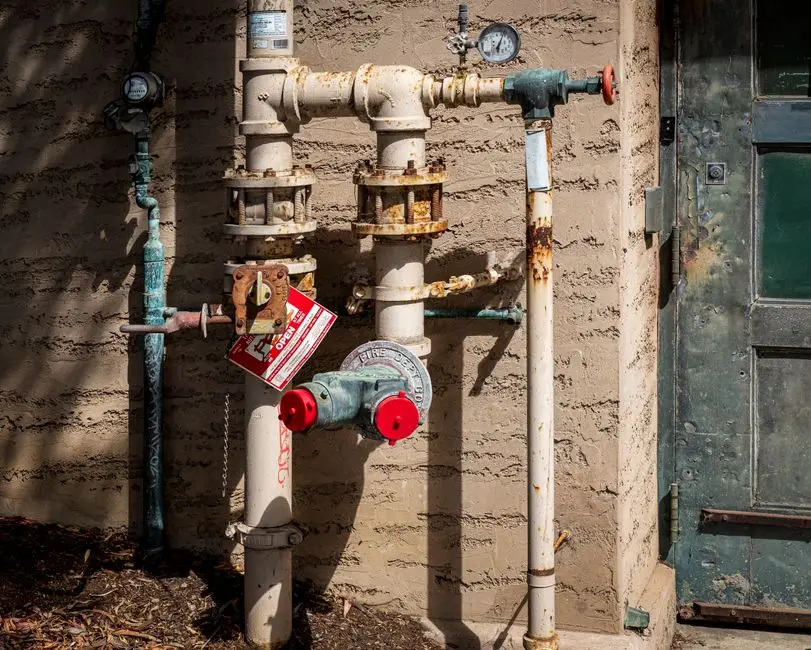
Stage 1 — Characterize. Build a pollutant inventory from process knowledge and from any categorical standard that applies (for example, 40 CFR Part 414 for organic chemicals, plastics, and synthetic fibers), then request the POTW's local-limits development file before specifying equipment. EPA's local-limits guidance says the file must contain the maximum allowable headworks loadings, the pollutants of concern, the allocation to each IU, and the annual review and periodic reevaluation records (EPA, Local Limits). Without that file, the IU is designing blind against the most important compliance number on the site.
Stage 2 — Treat. A representative process train for a chemicals IU discharging to a Channahon-area POTW is equalization, then pH adjustment, then coagulation and flocculation, then a dissolved air flotation (DAF) or lamella clarifier for emulsified oils and FOG, then biological treatment or an MBR stage for biodegradable COD and ammonia, then activated carbon or media polishing for residual organics, then disinfection. Each step is tied to a pollutant family that, if left untreated, could cause interference or pass-through at the receiving plant, and the more stringent of the local limit and the categorical standard controls the design number at sampling. An auto dosing engineering guide for wastewater treatment walks through how PLC-controlled feed rates track influent variability rather than being set once and forgotten.
Stage 3 — Monitor. Install automatic sampling at the end-of-pipe connection from the IU to the POTW's collection system and tie the sampling plan to the POTW's self-monitoring frequency and to any categorical standard monitoring required under 40 CFR Part 414. EPA's framework treats the IU/POTW connection as the control point, and the IU's records are expected to support the same documentation discipline the POTW must apply to its own annual review (EPA, Local Limits).
Stage 4 — Audit. Mirror the POTW's annual review and periodic reevaluation cycle, retain records, and update the local-limits file whenever production chemistry changes. A useful cross-check is to reconcile the plant's pollutant inventory against the parameters in the 2026 Channahon Annual Drinking Water Report (chloramines, barium, fluoride, toluene, gross alpha, combined radium, sodium, PFAS) so that pretreatment targets are aligned with what the receiving system is already defending (Channahon, 2026 Annual Drinking Water Report).
Mapping Unit Operations to the Pollutants They Must Remove
The table below maps each unit operation to the pollutant family it is responsible for removing before the end-of-pipe sample is taken at the IU/POTW connection. Numeric removal percentages are intentionally omitted because they depend on the local-limits file, the pollutant loading, and the categorical standard that the IU must meet.
| Unit Operation | Pollutant Family It Must Remove | Compliance Link |
|---|---|---|
| Rotary mechanical bar screen for headworks protection | Rags, plastics, large suspended solids | Headworks protection before chemical treatment; relevant where the IU shares a sewer with FOG or fibrous waste streams |
| Equalization tank with pH adjustment | pH excursions, slug loads, corrosive or acidic/alkaline waste | 40 CFR Part 403.5 general prohibited discharge standards; pH ceiling in the POTW's local limits |
| PLC-controlled chemical dosing system | Coagulants, flocculants, acid/caustic feed | Feed rates track influent variability rather than being set once and forgotten |
| Dissolved air flotation system for emulsified oils and FOG | Emulsified oils, FOG, colloidal matter | Prevents interference at the POTW's biological stage |
| Lamella clarifier for suspended-solids polishing | Suspended solids, settleable solids | Pre-treatment for downstream biological or MBR stage |
| MBR membrane bioreactor for chemicals wastewater | Biodegradable COD, ammonia, sub-1 µm filtrate | Smaller footprint where the IU is co-located with other plant users; see MBR vs conventional activated sludge for chemicals wastewater |
| Activated carbon or media polishing | Residual organics, refractory COD | Protects the receiving headworks against the pollutant envelope the village already monitors; see methods and technologies for COD reduction in industrial wastewater |
| Chlorine dioxide generator for end-of-pipe disinfection or UV sterilizer for chemical-free disinfection | Pathogen control without adding a chlorine residual that would push the receiving system above the chloramines 2.2 ppm (range 1.6–2.6) operating band the village already reports | Discharge side of the IU/POTW connection |
| Plate and frame filter press for sludge dewatering | Solids generated upstream | Sludge handling is part of the compliance story, not an afterthought |
Self-Audit Checklist Before You Sign Off on Sewer Discharge
Run this list against your own site before you sign the discharge authorization. Each line ties back to a specific rule or evidence source, not a generic best practice.
- Confirm the facility's IU status under 40 CFR 403.3(j) and the applicable categorical standard (for example, 40 CFR Part 414 for organic chemicals, plastics, and synthetic fibers), per EPA, Local Limits.
- Obtain the current local-limits ordinance and the supporting local-limits development file (maximum allowable headworks loadings, pollutants of concern, allocation, annual review) from the Village of Channahon Public Works, Ed Dolezal, 815-467-6644, [email protected], per the 2026 Channahon Annual Drinking Water Report.
- Verify end-of-pipe automatic sampling is installed at the IU/POTW connection and that the sampling plan covers every pollutant of concern listed in the local-limits file, per the EPA local-limits framework.
- Confirm pH, flow, and any continuous monitoring instrumentation is calibrated and that records are retained to the same standard the POTW must apply to its own annual review.
- Reconcile the plant's pollutant inventory with the 2026 Channahon Annual Drinking Water Report parameters (chloramines, barium, fluoride, toluene, gross alpha, combined radium, sodium, PFAS) so that pretreatment targets are aligned with what the receiving system is already defending, per the 2024 Channahon Annual Drinking Water Report and the 2026 Channahon Annual Drinking Water Report.
Frequently Asked Questions
Which federal categorical standard applies to a chemicals plant discharging to the Channahon-area POTW?
40 CFR Part 414 (Organic Chemicals, Plastics, and Synthetic Fibers) is the most likely overlay for a chemicals plant in the Channahon, IL area and runs in parallel with the POTW's local limits, with the more stringent of the two values controlling at sampling. Confirm the exact subcategory and any applicable subpart limits against the facility's SIC code and the local-limits development file before specifying equipment.
How often does the IU need to self-monitor against local limits?
EPA's local-limits guidance requires the POTW to perform annual reviews and periodic reevaluations of its local-limits file, and the IU's self-monitoring frequency should match the POTW's sampling plan and any categorical standard monitoring required under 40 CFR Part 414. The actual frequency for a given parameter is set in the local-limits ordinance, so request that document from the Village of Channahon Public Works rather than assume a default.
How should a chemicals plant select a treatment equipment supplier for pretreatment compliance?
Frame supplier selection around the IU's specific pollutant profile, the requirement to demonstrate at commissioning that end-of-pipe discharge will sit below both the local limits and the categorical standard, and the supplier's ability to support the documentation discipline EPA's guidance imposes on the POTW's own program. Request site-specific commissioning data tied to the same parameters the village already monitors (chloramines, barium, fluoride, toluene, gross alpha, combined radium, sodium, PFAS) rather than generic removal curves, and review the related industrial wastewater compliance and cost guide and the pretreatment compliance playbook for petroleum plants for comparable engineering context.
What capital cost and lead time should a buyer plan for a chemicals pretreatment system?
Both depend on the IU's pollutant loading and the local-limits file, not on a generic equipment price, so obtain site-specific values from the POTW and from a qualified wastewater engineering review before budgeting. A buyer should request a written basis-of-design that lists the local limit, the categorical standard limit, the design influent, and the demonstrated effluent for each parameter of concern, and should not accept a quotation that does not tie back to those numbers. Lead time is set by equipment fabrication and by the time needed to complete the local-limits review and any required permitting with the Village of Channahon, and the buyer should request those dates in writing before issuing a purchase order.